Exosomes Skin Care: Emerging Uses and Safety Questions
Exosomes skin care is an emerging aesthetic approach in which topical exosome-containing products may be applied after procedures such as microneedling or laser resurfacing. It may support healing and improve the appearance of skin texture, but research is still developing and product quality, safety and legal regulation can vary considerably.
Overview: What Is Exosomes Skin Care?
Exosomes skin care refers to the cosmetic use of products containing exosomes, usually in combination with a professional procedure such as microneedling, fractional laser resurfacing or radiofrequency microneedling. Exosomes are microscopic, membrane-bound particles naturally released by cells. They can carry signaling molecules, including proteins, lipids and types of RNA, that influence how nearby cells communicate.
In aesthetic practice, an exosome-containing serum or solution may be placed on the skin immediately after a procedure that temporarily disrupts the outer skin barrier. The intended purpose is to support the skin’s recovery environment and potentially improve visible concerns such as uneven texture, fine lines, dullness or post-inflammatory redness. This is different from injecting living stem cells; exosome products do not contain whole cells.
Interest in exosomes skin rejuvenation has grown quickly, but the science has not progressed at the same pace as marketing claims. Small studies and laboratory research suggest possible effects on inflammation and wound-healing pathways, yet there is not enough high-quality clinical evidence to confirm reliable outcomes, the best formulation, long-term safety or the ideal treatment schedule. A careful consultation is therefore essential.
How the Exosome Skin Procedure Works
The outer layer of skin, called the epidermis, is an important protective barrier. Most professional exosome skin procedures combine topical application with a treatment that creates controlled micro-injuries or temporary channels in this barrier. Examples include microneedling and some laser-based skin resurfacing treatments. The procedure itself may stimulate collagen remodeling, while the exosome product is intended to act as an additional topical signaling product during recovery.
Exosomes may be derived from different cell sources, including human-derived cells, plant sources or other biological materials. Products can differ greatly in their contents, processing, storage requirements and purity testing. The origin of a product alone does not prove that it is safe or effective. A clinician should be able to explain what is being used, whether it is intended for topical cosmetic use, how it is handled and why it is appropriate for the planned treatment.
For people considering skin texture improvement, a clinician may discuss established options alongside newer approaches. Microneedling is a commonly used procedure for selected concerns such as fine lines, enlarged-looking pores and acne scarring, and its benefits and limitations should be considered independently of any exosome add-on. The treatment plan should be tailored to the person’s skin type, goals, medical history and tolerance for downtime.
Who May Be a Candidate?

Potential candidates are adults seeking professional treatment for mild signs of photoaging, uneven skin texture, dullness or selected scars, who understand that exosome-based aesthetic care remains an evolving field. A clinician should first identify the cause of the concern. For example, pigmentation, acne, eczema, rosacea and infection need different management approaches and may not improve with an exosome product.
A consultation should include questions about current skin symptoms, previous cosmetic procedures, allergies, medications and a history of abnormal scarring or pigment changes after inflammation. Individuals with active acne lesions, cold sores, bacterial or fungal skin infections, open wounds, a significant inflammatory skin flare or a recent sunburn will usually need to postpone treatment until their skin has recovered.
Pregnant or breastfeeding individuals, people with a weakened immune system, those taking medicines that affect healing, and people with a history of severe allergic reactions should seek individualized medical advice. Caution is also appropriate for anyone considering unregulated injections marketed as exosome therapy. Injectable exosome products for cosmetic skin improvement may pose different and potentially more serious risks than a topical product used after a supervised procedure.
What Happens During Treatment?
The appointment generally begins with a skin assessment, review of goals and informed consent. Photographs may be taken in consistent lighting to help document exosomes skin treatment before and after changes. The clinician should explain that photographs can be influenced by lighting, makeup, swelling and normal day-to-day variation, so they are not a guarantee of a particular result.
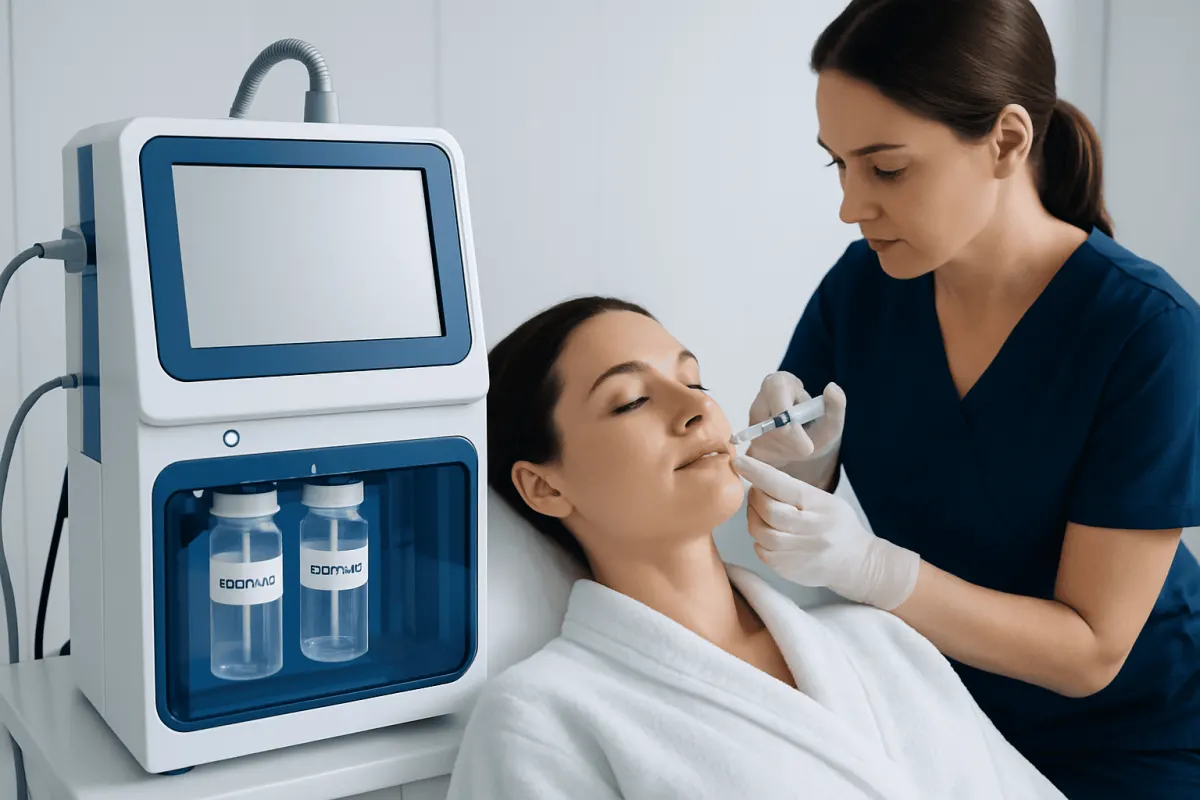
The skin is cleansed, and a topical numbing cream may be used when microneedling or laser treatment is planned. The clinician then performs the selected procedure using sterile technique. An exosome-containing topical product may be applied during or immediately after the treatment, according to the product instructions and the clinician’s judgment. The treatment area may feel warm, tight or sensitive afterward.
Appointment length depends mainly on the procedure and area treated. Before leaving, the patient should receive written aftercare guidance, including which cleanser, moisturizer and sun protection products can be used. A simple, gentle exosomes skin care routine is generally preferred during the first days of recovery, rather than adding multiple active ingredients.
Recovery Timeline and What Not to Do After Exosomes
Recovery depends more on the accompanying procedure than on the exosome product itself. After a mild microneedling session, temporary redness, warmth, swelling and a sunburn-like feeling may last one to several days. More intensive laser procedures can lead to longer redness, peeling or crusting. The clinician’s procedure-specific instructions should always take priority.
What not to do after exosomes? For the first day or as directed, patients should avoid touching the treated area with unwashed hands, applying makeup, using potentially irritating products or exposing the skin to excessive heat. Hot baths, saunas, steam rooms, strenuous exercise and swimming may increase irritation or contamination risk while the skin barrier is recovering.
Patients should also avoid exfoliating acids, retinoids, benzoyl peroxide, strong vitamin C formulations and scrubs until their clinician advises restarting them. Direct sun exposure should be minimized, and broad-spectrum sunscreen should be used once the clinician confirms it is suitable for the healing skin. Peeling, picking or rubbing the area can increase the risk of irritation, infection and post-inflammatory pigment changes.
- First 24 hours: use only approved aftercare products and avoid makeup, sweat, heat and unclean water exposure.
- Days 2 to 7: continue gentle cleansing, moisturization and sun protection; redness and dryness should gradually improve.
- Following weeks: reintroduce active skin care products only as advised and attend follow-up if recommended.
How Long Does It Take to See Results from Exosomes?
How long it takes to see results from exosomes varies. Some people notice temporary brightness or smoother-looking skin once early swelling and redness settle, often within several days to two weeks. Changes related to collagen remodeling, such as improvements in texture or fine lines, generally take longer and may be assessed over several weeks to months.
It is difficult to separate the effect of an exosome product from the effects of microneedling, laser treatment, improved aftercare and normal skin healing. For this reason, exosomes skin care before and after images should be interpreted cautiously. Images do not show whether the same procedure, product, skin type, lighting, sun exposure or home care routine applies to another person.
A clinician may recommend waiting until the treated skin has fully settled before judging the outcome or deciding whether another session is appropriate. If a person has persistent redness, worsening pigmentation, new breakouts or no improvement in the concern being treated, they should contact the treating clinician rather than adding more products independently.
Are Exosomes for Skin Worth It? Benefits, Limits and Risks
Whether exosomes for skin are worth it is a personal decision that should be based on realistic expectations, product transparency and the evidence available for the underlying procedure. Potential benefits sometimes reported include a calmer-looking recovery period, improved hydration, smoother texture and a more even-looking complexion. However, these possible benefits are not yet supported by enough robust clinical research to predict results for an individual.
The dark side of exosome therapy is primarily the uncertainty surrounding product quality, oversight and exaggerated claims. Products marketed as exosomes may differ in purity and biological activity, and improper collection, storage or handling could introduce contamination. Topical use after a barrier-disrupting procedure may also increase the chance of irritation, allergic reaction or infection, particularly if sterile practice and appropriate aftercare are not followed.
More serious concerns arise with products promoted for injection or for treating medical conditions without strong clinical evidence and regulatory authorization. Exosomes can carry biologically active material, so claims that they are universally safe, risk-free or able to regenerate skin in dramatic ways should be viewed with caution. A qualified clinician should discuss alternatives with a clearer evidence base, such as laser skin resurfacing where appropriate, and explain expected downtime and risks honestly.
When to Seek Medical Care
Patients should contact the treating clinician promptly if redness, swelling or discomfort is worsening rather than improving; if there is significant heat, pus, spreading rash, blisters or fever; or if they develop facial swelling, hives, wheezing or difficulty breathing. Severe allergic symptoms require emergency medical care. Early assessment can help identify infection, dermatitis or an unexpected reaction before it becomes more difficult to manage.
It is also important to seek medical advice for new or changing pigmented spots, persistent facial redness, recurrent painful acne or scarring that affects wellbeing. These concerns may need assessment by a dermatologist rather than repeated cosmetic procedures. In some cases, a diagnosis such as rosacea or another inflammatory skin condition changes which treatments are safest.
Acıbadem Health Point’s multidisciplinary specialists and JCI-accredited hospitals can assess skin concerns and discuss suitable evidence-based treatment options for international patients. A consultation with a qualified dermatologist or aesthetic physician can help determine whether a standard procedure, a targeted dermatologic treatment or no procedure at all is the most appropriate next step.
Frequently asked questions
01What are exosomes in skin care?
Exosomes are very small particles released by cells that can carry substances involved in cellular communication. In cosmetic settings, products described as exosome-based are usually applied topically after a procedure such as microneedling or laser resurfacing. Their clinical benefit and long-term safety for cosmetic use are still being studied.
02How long does it take to see results from exosomes?
Some temporary improvements in glow or skin smoothness may be noticed after redness and swelling settle, often within days to two weeks. Changes in texture or fine lines may take several weeks or longer because skin remodeling is gradual. Results vary, and it may not be possible to distinguish the effect of exosomes from the procedure itself.
03What not to do after exosomes?
Avoid touching the area with unwashed hands, applying makeup too soon, using exfoliants or strong active products, and exposing healing skin to heat, sweat, pools or direct sunlight. Do not pick, scrub or peel flaking skin. Follow the aftercare instructions for the accompanying procedure, as these determine the safest recovery plan.
04Are exosomes for skin worth it?
Exosomes may be of interest to people who understand that they are an emerging addition to aesthetic care, not a proven replacement for established treatments. The decision should consider the limited quality of current evidence, the product’s source and handling, the cost, and realistic goals. A dermatologist can help compare it with better-studied options.
05What is the dark side of exosome therapy?
The main concerns are inconsistent product quality, limited regulation in some settings, contamination risk and marketing claims that exceed available evidence. Risks may be greater when products are injected or used in non-medical environments. People should avoid treatments that promise dramatic regeneration, cure disease or claim to be completely risk-free.
06Can exosomes be used with microneedling?
Some clinics apply exosome-containing topical products after microneedling because the procedure temporarily changes the skin barrier. However, this combination has not been standardized, and safety depends on sterile technique, product quality and the individual’s skin condition. It should only be considered after assessment by an appropriately qualified clinician.
This article is for general information only and is not a substitute for professional medical advice. Please consult a qualified doctor about your individual situation.
Explore treatments in Turkey — costs, top hospitals & a free quote
JCI-accredited · board-certified surgeons · reply within 24h
Add us as a Preferred Source to see more of our trusted health content across Google Search, AI Overviews and Discover.