Does Bonesmashing Work? Risks to Facial Bones
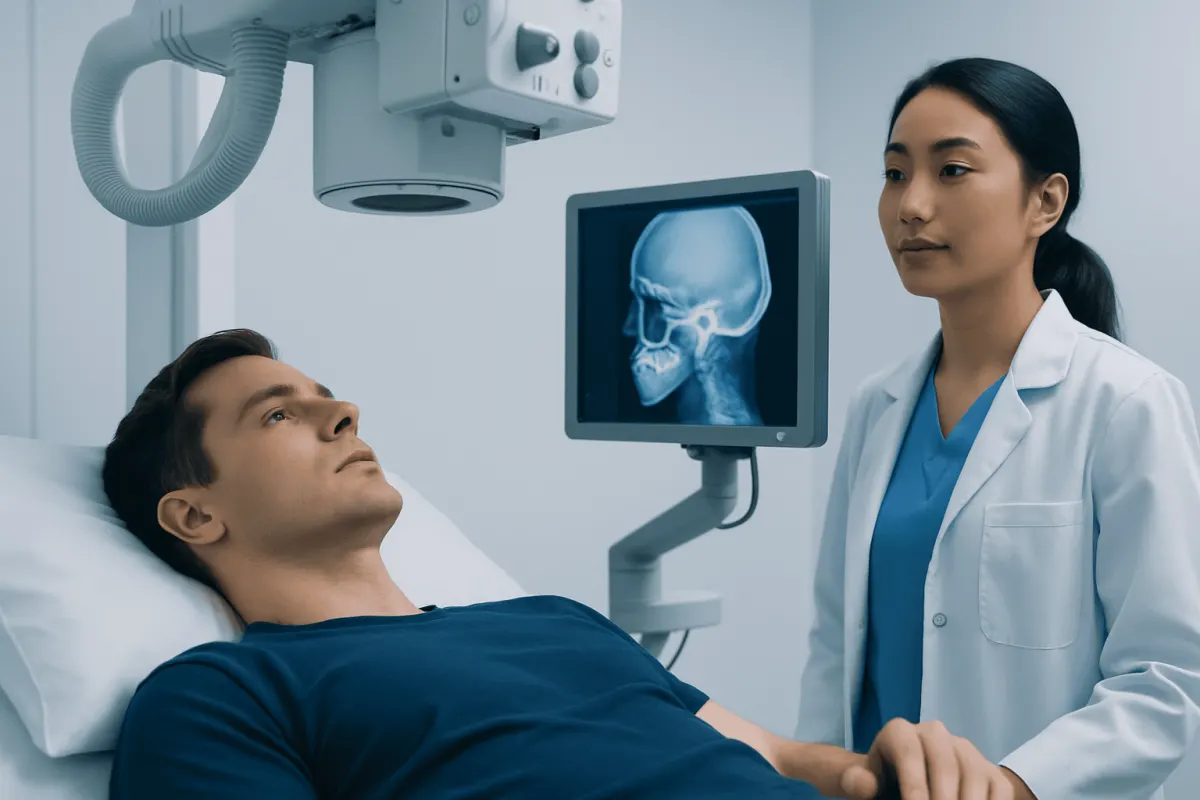
Bonesmashing is an online trend involving repeated impact to facial bones in an attempt to change facial shape. It does not safely or predictably alter adult bone structure, and it may lead to injuries affecting the face, teeth, jaw, eyes, and nerves.
Does Bonesmashing Work?
No. Bonesmashing does not work as a safe or reliable way to reshape the face. There is no credible medical evidence that repeatedly striking the cheekbones, jaw, or other facial areas produces a desirable, controlled change in adult facial bone structure. In contrast, impact can damage bone, teeth, soft tissue, joints, and nerves.
A single mild bump to the face is often harmless and may cause only short-lived tenderness, mild swelling, or a bruise. Deliberately repeating impacts, using hard objects, or striking with force increases the chance of injury. The face has complex structures close together, including the eyes, sinuses, jaw joints, teeth, and sensory nerves, so an injury may not always be obvious immediately.
People considering bonesmashing may be seeking a sharper jawline, more prominent cheekbones, or greater facial symmetry. These concerns are understandable, particularly when social media images create narrow and unrealistic appearance expectations. A clinician can discuss safer, evidence-based options when a person has functional dental, jaw, or facial concerns.
What Is Bonesmashing and Why Can It Cause Harm?
Bonesmashing is a non-medical online term for intentionally hitting or applying force to facial bones, usually the cheekbones, jaw, chin, or brow area. Posts promoting it may claim that controlled trauma makes bone grow thicker or changes facial proportions. These claims misunderstand how adult bone healing works.
Bone can remodel over time in response to normal forces such as weight-bearing activity and muscle use. However, this is a gradual biological process, not a method for sculpting facial features through repeated blows. When a facial bone is injured, healing is directed toward repairing damage. It cannot be reliably controlled to create a chosen contour, and healing after a fracture can leave an uneven shape or functional problem.
In the face, force may also be transferred beyond the point of impact. A blow to the cheek can affect the eye socket or upper jaw, while impact to the chin can strain the jaw joint or transmit force through the skull. Repeated injury can create inflammation and pain even when no fracture is visible.
Possible Symptoms and Complications
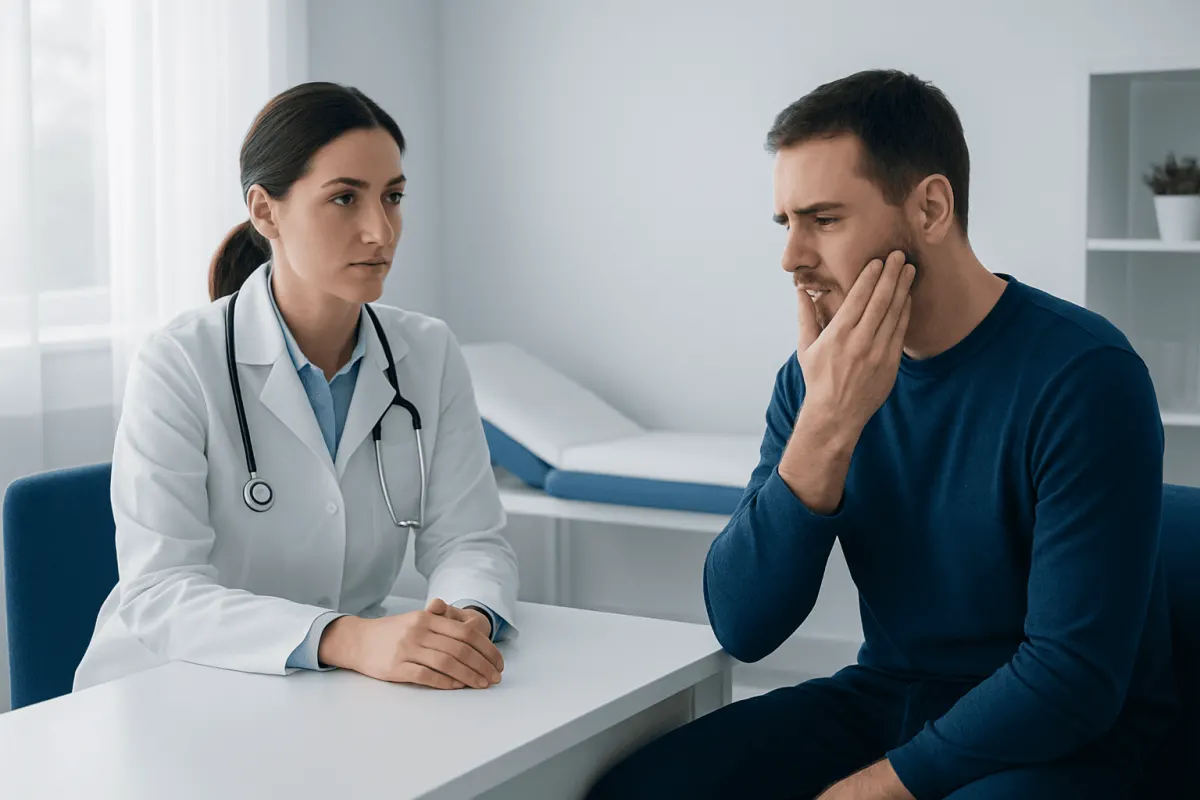
After minor facial trauma, a person may notice localized tenderness, redness, swelling, or bruising. These symptoms commonly improve over several days with rest and simple care. However, pain and swelling alone cannot confirm that the underlying bone, teeth, or jaw are unharmed.
More significant injury may cause persistent or worsening pain, a visible change in facial contour, numbness or tingling, nosebleeds, loose teeth, or difficulty opening the mouth. Fractures around the cheekbone, upper jaw, nose, or eye socket can alter facial appearance and may affect chewing, sensation, or vision.
Jaw-related complications can include pain in front of the ears, clicking, locking, headaches, and a bite that no longer feels aligned. Trauma to the teeth may cause cracking, sensitivity, tooth discoloration, or damage below the gumline. Facial numbness can occur when sensory nerves are bruised or compressed.
- Blurred or double vision, pain with eye movement, or reduced vision
- Loss of consciousness, confusion, vomiting, severe headache, or increasing drowsiness
- Clear fluid from the nose or ears, significant bleeding, or an open wound
- Difficulty breathing, swallowing, speaking, chewing, or fully opening the mouth
- A new uneven bite, facial deformity, or rapidly increasing swelling
These symptoms require urgent medical assessment. If a person believes they have a severe head injury or has concerning neurological symptoms, emergency care is appropriate.
Why Facial Shape Does Not Change in a Predictable Way
Facial appearance is influenced by bone anatomy, tooth and jaw alignment, muscles, fat distribution, skin, aging, and genetics. In adults, facial bones are fully developed and do not respond to repeated impact by becoming selectively more prominent or symmetrical. Any swelling after injury can temporarily change contours, but swelling is not structural improvement.
When bone does fracture, it may heal in a position that is not ideal. This can result in asymmetry, chronic discomfort, altered sensation, breathing difficulties, or bite problems. Some fractures require realignment or surgical repair to restore function. For this reason, intentionally causing trauma is not an alternative to medical facial contouring or dental treatment.
It is also important to separate cosmetic goals from health needs. A concern such as a recessed chin, uneven bite, crowded teeth, or jaw pain may have an underlying dental or skeletal explanation. A dental professional, orthodontist, oral and maxillofacial surgeon, or facial specialist can assess the concern without exposing the person to preventable injury.
How a Doctor Evaluates Facial Injury
A clinician will first ask how the injury occurred, when it happened, where force was applied, and whether symptoms have changed. They may ask about loss of consciousness, headache, nausea, vision changes, dental injury, numbness, jaw clicking, and whether the teeth meet normally when biting.
The examination may include checking facial symmetry, swelling, bruising, tenderness, eye movements, pupil responses, facial sensation, nose and mouth structures, teeth, and jaw movement. A doctor may gently assess whether the facial bones feel stable and whether there are areas of reduced sensation.
Imaging is not always necessary after a minor injury. If a fracture, significant dental injury, eye-socket injury, or head injury is suspected, a clinician may recommend imaging such as X-rays, dental imaging, or a CT scan. The choice depends on the symptoms and examination findings, not on appearance concerns alone.
Assessment may involve an emergency physician, dentist, oral and maxillofacial surgeon, ear, nose and throat specialist, ophthalmologist, or neurologist depending on the affected area. Prompt evaluation can help protect normal vision, bite function, and facial sensation.
Treatment and Safer Care After a Minor Bump
For a minor facial bump without warning signs, it is generally reasonable to stop all further impact, rest the area, and use a wrapped cold pack for short periods during the first day or two. Avoid pressing, massaging, or repeatedly checking the painful area. Soft foods may be more comfortable if chewing causes soreness.
Over-the-counter Knee Pain Relief: Causes and Treatment" class="ahp-ilk">pain relief may be appropriate for some people, but the safest option depends on individual health conditions and other medicines. A pharmacist or clinician can advise when needed. Aspirin should not be started for a suspected head injury unless a clinician has advised it, because it can increase bleeding risk in some situations.
Do not attempt to manipulate a suspected fracture, force the jaw into position, or continue bonesmashing after an injury. If teeth feel loose, a bite has changed, numbness develops, or pain does not steadily improve, an urgent dental or medical review is important. Care for jaw disorders and bite problems may include targeted orthodontic treatment or other clinician-guided approaches when appropriate.
For people who want to discuss facial balance or reconstructive concerns after an injury, a specialist may explain options based on anatomy, function, and personal goals. Any procedure should follow a full consultation, including a discussion of expected benefits, limitations, and risks.
When to Seek Medical Care
Medical review is recommended after facial trauma if pain is severe, symptoms are getting worse, swelling does not begin to settle, or there is concern about a fracture or dental injury. A person should seek prompt assessment for persistent numbness, a changed bite, difficulty moving the jaw, loose teeth, a new facial indentation or asymmetry, or a nose injury that affects breathing.
Urgent or emergency care is needed for vision changes, eye pain or inability to move the eye normally, heavy bleeding, breathing difficulty, severe headache, confusion, fainting, repeated vomiting, seizure, weakness, or unusual drowsiness. These signs may indicate an injury that needs timely treatment.
A person who feels driven to repeatedly injure their face because of distress about appearance also deserves supportive, non-judgmental care. Talking with a primary care clinician or mental health professional can help address body-image distress and identify practical support. Acıbadem Health Point’s multidisciplinary specialists and JCI-accredited hospitals can assess facial trauma and related dental, jaw, or specialist care needs for international patients.
Stopping bonesmashing is the safest step. A qualified healthcare professional can help distinguish a temporary injury from a problem requiring treatment and can discuss safe pathways for any ongoing functional or appearance concern.
Frequently asked questions
01Can bonesmashing make cheekbones higher?
No. There is no evidence that repeatedly hitting the cheekbones safely makes them higher or more defined. Impact may instead cause swelling, bruising, fracture, numbness, or an uneven contour after healing.
02Can bonesmashing change the jawline?
Bonesmashing cannot predictably reshape an adult jawline. Hitting the jaw can injure teeth, strain the temporomandibular joint, change the bite, or fracture the jawbone.
03What should someone do after trying bonesmashing?
They should stop applying force to the face and monitor for pain, swelling, bruising, numbness, bite changes, dental symptoms, or vision problems. A clinician or dentist should assess persistent symptoms or any concern about a fracture, tooth injury, or jaw injury.
04How long should facial swelling last after a minor bump?
Mild swelling and tenderness often begin to improve over a few days after a minor injury. Medical review is advisable if swelling worsens, does not begin improving, is associated with severe pain, or occurs with other warning signs such as numbness or vision changes.
05Can a facial fracture heal on its own?
Some uncomplicated facial fractures may be managed without surgery, but this decision requires medical assessment. Other fractures need timely treatment to preserve eye function, breathing, jaw alignment, appearance, and normal sensation.
06Why does my bite feel different after hitting my chin or jaw?
A changed bite can occur when the jaw joint, teeth, or jawbone has been injured. It should be assessed promptly by a dentist, oral and maxillofacial specialist, or emergency clinician, especially if there is pain, swelling, limited mouth opening, or loose teeth.
This article is for general information only and is not a substitute for professional medical advice. Please consult a qualified doctor about your individual situation.
Joint and spine care in Turkey — expert assessment & treatment
JCI-accredited · board-certified surgeons · reply within 24h
Add us as a Preferred Source to see more of our trusted health content across Google Search, AI Overviews and Discover.