Semi Permanent Makeup: How Pigment Fades Over Time
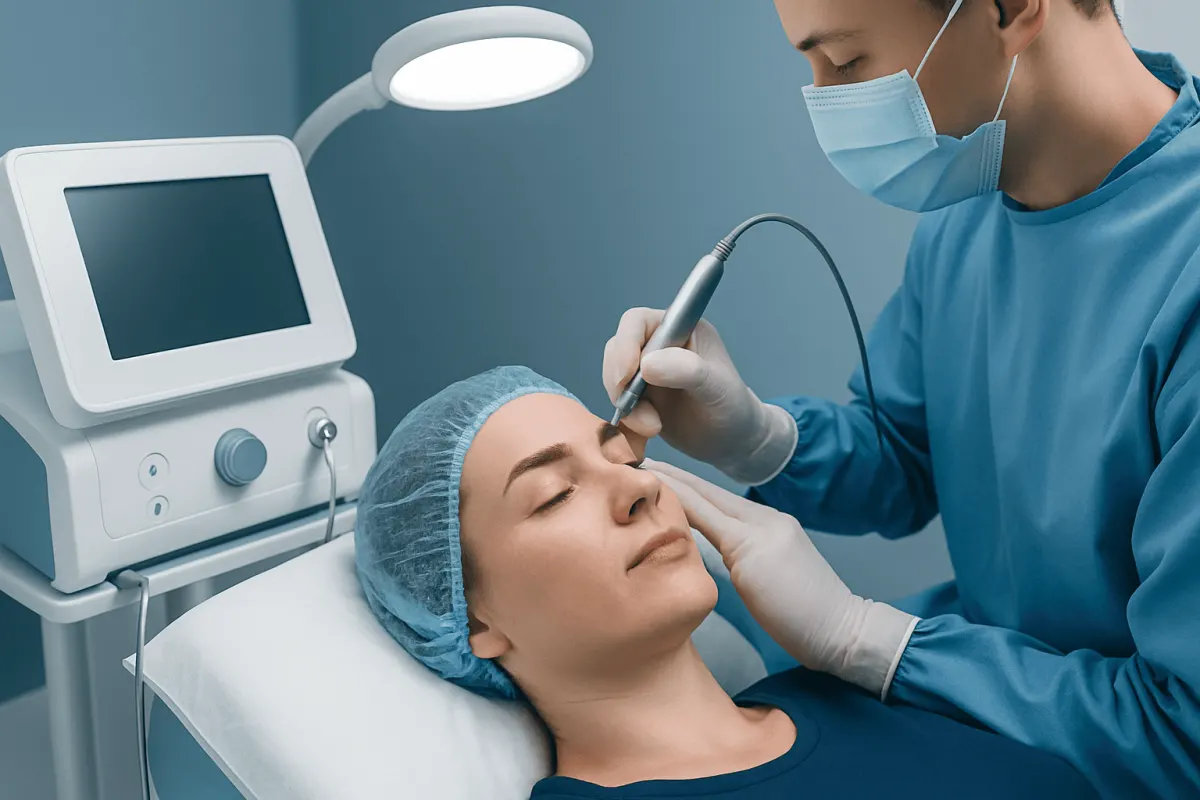
Semi permanent makeup is a cosmetic tattooing procedure that places pigment in the upper layers of skin to create a longer-lasting brow, lip or eyeliner effect. Recovery commonly involves temporary redness, swelling, tenderness and flaking, while the final color and shape develop gradually over several weeks.
Semi Permanent Makeup: What It Is and How It Works
Semi permanent makeup is a form of cosmetic tattooing. A trained practitioner uses a small needle device or blade-like hand tool to place colored pigment into the skin, most often to define eyebrows, lips or the lash line. It can reduce the time needed for daily makeup application, but it should be approached as a medical-adjacent skin procedure rather than a simple beauty service.
Common techniques include microblading, which creates fine hair-like eyebrow strokes; powder or ombré brows, which produce a softly shaded look; lip blushing, which adds an even tint and definition to the lips; and permanent eyeliner. The term “semi permanent” refers to fading over time. Results may last months to several years depending on the technique, pigment, skin type, sun exposure, immune response and aftercare.
The semi permanent procedure typically starts with a consultation and a drawn design. After the client agrees on the planned color and shape, a topical anesthetic may be used and pigment is implanted in several passes. A patch test may be advised when there is concern about pigment or anesthetic sensitivity, although it cannot rule out every later reaction.
What to Expect During Permanent Makeup Recovery
Immediately after treatment, the area can look darker, sharper or more intense than expected. Mild redness, swelling, sensitivity and a feeling similar to a superficial scrape are common. With lip blushing, swelling can be more noticeable during the first day or two; with brow procedures, the skin may feel tight or slightly itchy as it heals.
Permanent makeup recovery time has two stages. The surface commonly settles in around seven to 14 days, when small flakes or scabs shed naturally. The pigment then continues to stabilize below the skin. It may appear too light, patchy or cool-toned temporarily before the final shade emerges, often over four to eight weeks. A review or touch-up appointment, if recommended, should only be done after adequate healing.
Healing varies between individuals. Oily skin, sun exposure, smoking, some skin-care products, certain medicines and underlying skin conditions can influence pigment retention. Safe makeup recovery solutions are generally simple: keep the area clean as instructed, avoid picking, protect it from sun exposure after healing, and contact the practitioner or a clinician if symptoms are outside the expected healing pattern.
What Are the Downsides of Semi-Permanent Makeup?

The main downside is that results are long-lasting but not fully predictable. Pigment can fade unevenly, change tone over time or heal differently from the intended color. Facial features and style preferences can also change, while correcting an unwanted shape or color may be difficult, expensive and time-consuming. Laser removal or camouflage procedures may be needed in some cases, and neither guarantees complete removal.
There are also health risks. These include infection, allergic or inflammatory reactions, scarring, cold sore reactivation after lip procedures, and worsening of existing skin conditions. Rarely, pigments may interfere with medical imaging or cause swelling during an MRI; people with cosmetic tattoos should tell imaging staff before an examination.
People should be especially cautious if they have a history of keloid scarring, poorly controlled diabetes, immune suppression, active acne or eczema in the planned area, bleeding problems, or known pigment or anesthetic allergies. Pregnancy and breastfeeding are also times when many clinicians and practitioners advise postponing elective cosmetic tattooing because safety evidence is limited and treatment of complications is less straightforward.
- Results cannot be guaranteed, even with a skilled practitioner.
- A poor color match or asymmetry may be more visible as the area heals.
- Removal and correction can require multiple sessions.
- Unsafe equipment or poor hygiene raises the risk of skin and blood-borne infection.
Can You Show Me Pictures of the Lip Blushing Healing Process?
Images can be helpful for understanding the lip blushing healing process, but individual results differ substantially, so they should not be used to predict an exact outcome. A reputable practitioner should be able to show consented, unfiltered photographs taken at several stages: immediately after treatment, during peeling, after early healing and after the final color has settled. It is useful to ask whether lighting, filters or lip products were used.
In general, lips are often swollen and appear much brighter immediately after treatment. Over the next few days, they may feel dry, form a thin surface layer and look darker before flaking. During the following one to three weeks, the color commonly looks very light or uneven. A softer, more even tone generally returns as the skin completes healing, often by four to eight weeks.
Photographs cannot identify infection, allergy or an inappropriate healing response. New blisters, rapidly worsening swelling, marked warmth, discharge, severe pain or a spreading rash are not routine cosmetic healing features and should be assessed by a healthcare professional. People with a history of cold sores should discuss prevention with a doctor before a lip procedure.
Why Is Microblading Not Recommended for Over 55?
Microblading is not automatically unsafe or unsuitable after age 55. However, some practitioners recommend alternatives such as machine-created powder brows because mature skin may be thinner, drier, more fragile or less elastic. The crisp hair-like strokes made by microblading can blur, heal unevenly or be less predictable when skin texture has changed with age.
Health factors are more important than age alone. Older adults may be more likely to use blood-thinning medicines, have diabetes or reduced healing capacity, or have skin changes from sun exposure. These factors can affect bleeding, infection risk and pigment retention. A person should never stop prescribed medication simply to have a cosmetic procedure; any medication questions should be discussed with the prescribing clinician.
A careful consultation should consider skin quality, medical history, eyebrow hair pattern, expectations and whether a softer technique would be more appropriate. For anyone concerned about unusual lesions, persistent irritation or changing pigmentation around the brows, a medical skin assessment should come before cosmetic tattooing. Skin cancer screening is particularly important for a changing, bleeding or non-healing spot.
What Not to Do After Permanent Makeup
Aftercare instructions vary slightly by treatment area and technique, so the practitioner’s written guidance should take priority. In general, people should avoid touching the area with unwashed hands, picking flakes or scabs, rubbing, waxing, exfoliating or applying unapproved cosmetics and skin-care products. Picking can remove pigment and increase the chance of scarring or infection.
For the early healing period, it is usually sensible to avoid swimming pools, hot tubs, saunas, steam rooms, heavy sweating, direct sunlight and tanning. These exposures can irritate healing skin, introduce microbes or contribute to uneven fading. Lip procedures may also require avoiding spicy foods, alcohol and very hot drinks briefly if they increase discomfort or swelling.
People should not use retinoids, strong acids, bleaching products or other active skin treatments near the treated area until it has healed and a clinician or practitioner says it is appropriate. They should also avoid donating blood for the interval required by local blood donation rules, as these may vary after tattooing. Good hand hygiene, rest and following individualized aftercare are more useful than unproven remedies.
When to Seek Medical Care
Mild discomfort, limited swelling and superficial flaking can occur during makeup recovery. Medical advice is important when symptoms become progressively worse rather than gradually improving. Seek urgent assessment for trouble breathing, facial or throat swelling, widespread hives, faintness or other signs of a serious allergic reaction.
A doctor should also assess increasing pain, spreading redness, significant warmth, pus-like drainage, fever, red streaks, persistent bleeding, blisters, or swelling that does not improve as expected. These signs may indicate infection, an allergic reaction or another complication that needs timely treatment. Do not attempt to treat a suspected infection with leftover antibiotics or by adding harsh products to the skin.
People with diabetes, immune suppression, a history of severe allergies, recurrent cold sores or chronic inflammatory skin disease may benefit from discussing the procedure with their doctor in advance. Acıbadem Health Point’s multidisciplinary specialists and JCI-accredited hospitals can assess skin concerns and complications for international patients when medical evaluation is needed.
Frequently asked questions
01How long does semi permanent makeup last?
Results fade gradually rather than remaining unchanged for life. Depending on the area treated, technique, pigment, skin type and sun exposure, many people seek a color refresh after one to several years. Individual retention is variable, and no practitioner can predict an exact duration.
02Is semi permanent makeup painful?
Most people describe pressure, scratching or discomfort rather than severe pain. Topical anesthetic is often used, although it may not eliminate all sensation. Sensitivity varies by treatment area, personal pain threshold and the individual technique.
03Is microblading the same as permanent makeup?
Microblading is one type of semi permanent makeup used for eyebrows. It uses fine incisions to create hair-like pigment strokes, while other methods use a machine to place pigment in shaded or pixelated patterns. The best method depends on skin type, desired result and safety considerations.
04Can semi permanent makeup cause an allergic reaction?
Yes. Reactions may occur to pigment, topical anesthetic, antiseptic products or aftercare products, and some can appear after the procedure rather than immediately. Anyone with a history of allergies should disclose this during consultation and seek medical care for swelling, hives, worsening rash or breathing difficulty.
05When can makeup be worn after permanent makeup?
Cosmetics should not be applied directly to the treated skin until the surface has healed and the practitioner confirms it is safe. This is commonly after the initial flaking phase, but timing differs for brows, lips and eyeliner. Clean makeup brushes and products are important once makeup is restarted.
06Who should avoid semi permanent makeup?
It may need to be postponed or avoided with active skin infection, an open wound, a flare of eczema or psoriasis in the area, uncontrolled medical conditions, or a known relevant allergy. People who are pregnant, breastfeeding, prone to keloid scars, immunosuppressed or taking medicines that affect bleeding should obtain individualized medical advice before proceeding.
This article is for general information only and is not a substitute for professional medical advice. Please consult a qualified doctor about your individual situation.
Hair transplant in Turkey — costs, graft counts & a free assessment
JCI-accredited · board-certified surgeons · reply within 24h
Add us as a Preferred Source to see more of our trusted health content across Google Search, AI Overviews and Discover.