PCD Meaning: Understanding Primary Ciliary Dyskinesia
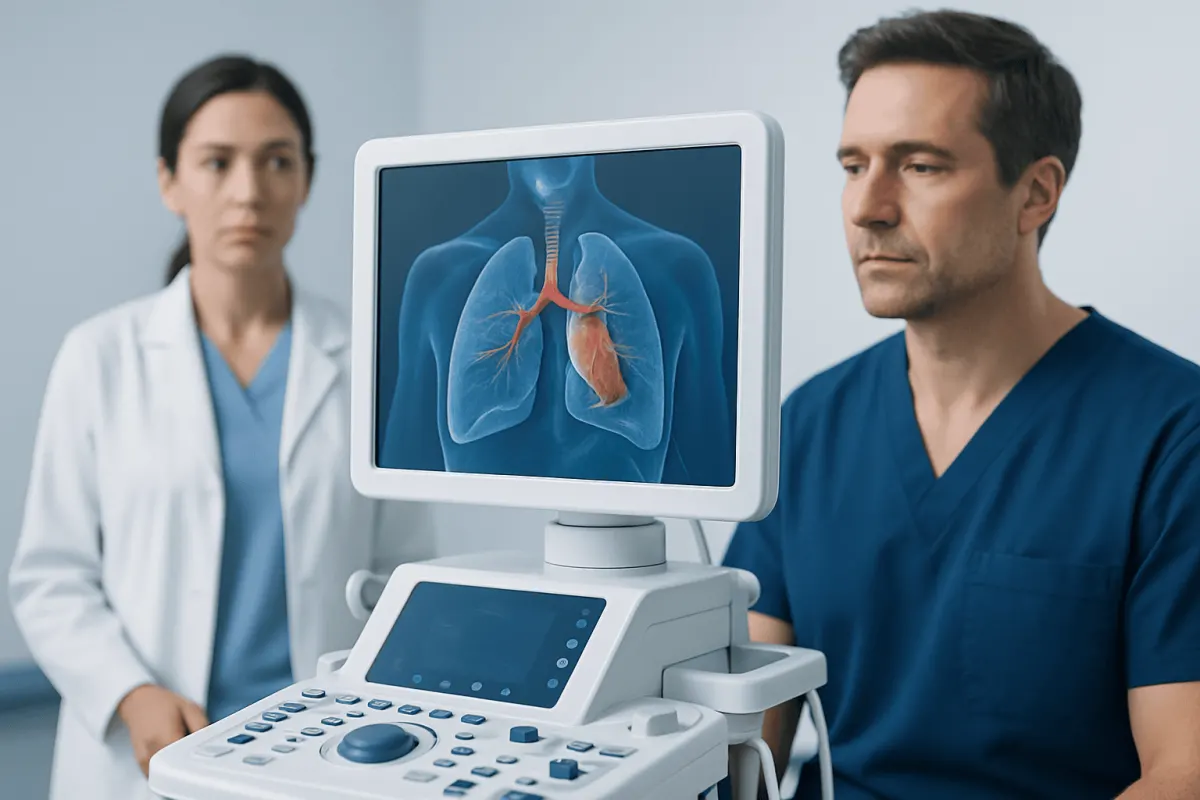
PCD meaning usually refers to primary ciliary dyskinesia, a rare inherited condition that affects tiny hair-like structures called cilia. When cilia do not move effectively, mucus and germs can remain in the airways, ears, and sinuses, leading to recurring respiratory symptoms.
PCD Meaning: What Does It Stand For?
PCD meaning refers to primary ciliary dyskinesia, a rare genetic condition in which cilia do not work as they should. Cilia are microscopic, hair-like structures found on the lining of the nose, sinuses, airways, middle ears, reproductive tract, and some other parts of the body. In healthy airways, they beat in a coordinated pattern to move mucus, dust, and germs out of the lungs.
In primary ciliary dyskinesia, the cilia may move too slowly, beat in an uncoordinated way, or not move at all. This makes it harder for the body to clear mucus. The result can be ongoing nasal and chest symptoms, repeated infections, and gradual airway damage if the condition is not recognized and managed.
PCD is present from birth and is not contagious. It is sometimes called an inherited mucociliary clearance disorder. The term Kartagener syndrome has historically been used for people with PCD who also have a mirror-image arrangement of some internal organs, but primary ciliary dyskinesia is now the preferred medical term.
How Primary Ciliary Dyskinesia Affects the Body
The airways naturally produce mucus to trap particles and microorganisms. Normally, cilia carry this mucus upward toward the throat, where it can be swallowed or coughed out. In PCD, impaired mucus clearance allows secretions to build up, creating conditions in which infections and inflammation may occur more easily.
The nose and sinuses are often affected because they also rely on cilia for drainage. The tubes connecting the middle ear to the throat can be affected as well, contributing to fluid behind the eardrum, recurrent ear infections, or hearing difficulties, especially during childhood.
Cilia also play an important role very early in fetal development, when they help establish the usual left-right placement of organs. For this reason, some people with PCD have situs inversus, in which organs such as the heart or liver are positioned on the opposite side of the body. Others may have more complex differences in organ arrangement. These findings do not themselves confirm PCD, but they can be an important diagnostic clue.
Symptoms and Signs That May Suggest PCD

Symptoms usually begin early in life. A common early sign is breathing difficulty in a full-term newborn that needs oxygen or observation for longer than expected, particularly when there is no clear alternative explanation. However, PCD may not be identified until later childhood or adulthood because its symptoms overlap with more common conditions.
Typical symptoms include a daily wet or mucus-producing cough, year-round nasal congestion, frequent sinus infections, and recurrent chest infections. Some people develop bronchiectasis, a long-term widening and scarring of the airways that can make mucus harder to clear. Symptoms vary considerably, and not every person experiences every feature.
- Persistent runny or blocked nose beginning in infancy
- Repeated middle-ear infections, fluid in the ears, or hearing concerns
- Chronic cough that is present most days rather than only during colds
- Frequent pneumonia, bronchitis, wheezing, or breathlessness
- Chronic sinus symptoms, including facial pressure or reduced sense of smell
- Fertility difficulties in some adults
In adults, fertility concerns may lead to evaluation. Reduced sperm movement can contribute to male infertility, while altered function of cilia in the fallopian tubes may make it harder for some women to conceive and may increase the need for early assessment if pregnancy is suspected.
Causes, Inheritance, and Risk Factors
Primary ciliary dyskinesia is caused by changes in genes involved in building or operating cilia. More than one gene can be involved, which helps explain why the condition can look different from one person to another. These genetic changes are typically inherited rather than caused by lifestyle, diet, or an infection during childhood.
Most forms of PCD follow an Cystic Fibrosis Autosomal Recessive?" class="ahp-ilk">autosomal recessive inheritance pattern. This means a person generally inherits one altered gene copy from each parent. Parents are often healthy carriers because having one altered copy usually does not cause PCD. When both parents are carriers, each pregnancy has a chance of resulting in a child with the condition.
A known family history of PCD, unexplained chronic respiratory symptoms from early life, or situs inversus can increase clinical suspicion. Genetic counseling can help individuals and families understand inheritance, testing options, and possible implications for relatives. A doctor can advise whether referral to a genetics professional is appropriate.
How PCD Is Diagnosed
Diagnosing PCD can take time because there is no single test that identifies every form of the condition. Doctors usually begin with a detailed history, including symptoms since birth, infection patterns, ear and sinus problems, family history, and any known differences in organ position. They may also perform a physical examination, hearing assessment, breathing tests, and imaging when clinically needed.
A commonly used screening tool is measurement of nasal nitric oxide, which is often very low in people with PCD. A low result alone does not establish the diagnosis, since other conditions and testing factors can affect the measurement. It is best interpreted by a team familiar with PCD testing.
Further investigations may include genetic testing, examination of cilia from a nasal brushing using specialized microscopy, and tests that assess ciliary movement or protein structure. Chest imaging may be used to look for bronchiectasis or other changes, while sputum or cough samples can identify bacteria when infection is suspected. A specialist center can combine these results with the person’s symptoms to reach the most reliable conclusion.
Treatment and Long-Term Management
There is currently no treatment that corrects the underlying ciliary abnormality in all forms of PCD. Care instead focuses on helping clear mucus, treating infections promptly and appropriately, preserving lung function, and addressing ear, sinus, fertility, and organ-related concerns. A personalized plan is important because symptoms and complications differ between individuals.
Airway clearance techniques are a central part of care. A respiratory physiotherapist can teach methods that help move mucus from the lungs, sometimes with devices or inhaled therapies selected by the clinical team. Regular physical activity, when medically appropriate, may also support overall fitness and mucus clearance. The exact routine should be tailored to age, symptoms, and lung health.
Doctors may take mucus samples during flare-ups and prescribe antibiotics when bacterial infection is suspected or confirmed. Some people need more intensive treatment for significant infections. Vaccinations, including routine seasonal and respiratory vaccines recommended for the individual, are an important preventive measure. Ear, nose, and throat specialists may help manage chronic sinus disease, hearing changes, or persistent middle-ear fluid.
Follow-up commonly involves respiratory specialists, physiotherapists, ear, nose and throat clinicians, audiologists, and, when needed, fertility and genetics professionals. Acıbadem Health Point’s multidisciplinary specialists and JCI-accredited hospitals can evaluate and manage primary ciliary dyskinesia for international patients as part of coordinated respiratory care.
Everyday Self-Care and Protecting Respiratory Health
Daily management can make a meaningful difference in comfort and long-term respiratory health. Following the prescribed airway clearance routine consistently, staying physically active within personal limits, drinking enough fluids when appropriate, and attending planned reviews can support mucus clearance and help clinicians identify changes early.
Avoiding tobacco smoke, vaping aerosols, and unnecessary exposure to respiratory irritants is especially important for people with chronic airway conditions. Good hand hygiene and practical steps to reduce exposure to respiratory infections may also be helpful, particularly during periods of high community viral activity.
People with PCD should not start, stop, or share antibiotics without medical advice. Keeping a record of symptoms, infections, test results, medications, and cultures can be useful at appointments. Children may benefit from communication between families, schools, and healthcare teams so that coughing related to mucus clearance is understood and necessary treatments can be supported.
When to Seek Medical Care
Medical assessment is advisable for a child or adult with a long-lasting wet cough, chronic nasal congestion from infancy, repeated pneumonia, frequent ear infections, or persistent sinus symptoms. These symptoms often have causes other than PCD, but a clinician can decide whether further respiratory or specialist evaluation is needed.
People already diagnosed with PCD should contact their care team if cough and mucus increase significantly, fever develops, breathing becomes more difficult, chest pain occurs, or usual airway clearance is no longer effective. Early review can help identify infection or another complication and guide appropriate treatment.
Urgent medical attention is needed for severe shortness of breath, blue or grey discoloration of the lips or face, confusion, coughing up a large amount of blood, or rapidly worsening symptoms. Anyone with known situs inversus or another organ-position difference should make sure healthcare professionals are aware of it before procedures or emergency treatment.
Frequently asked questions
01Is PCD the same as COPD?
No. PCD, or primary ciliary dyskinesia, is an inherited condition affecting cilia and is usually present from birth. COPD is a different group of chronic lung diseases that commonly develops later in life and is often associated with smoking or other long-term inhaled exposures.
02Can primary ciliary dyskinesia be cured?
There is currently no universal cure that restores normal ciliary function in PCD. However, regular airway clearance, infection management, and specialist follow-up can help reduce complications and support long-term lung health.
03Can PCD be diagnosed in adults?
Yes. Although symptoms often begin in childhood, some people are diagnosed in adulthood after years of chronic cough, sinus problems, recurrent infections, bronchiectasis, or fertility concerns. Specialist testing is still useful when clinical features suggest the condition.
04Does everyone with PCD have organs on the opposite side?
No. Situs inversus occurs in only some people with PCD. Others have the usual organ arrangement, so the absence of situs inversus does not rule out primary ciliary dyskinesia.
05Can people with PCD have children?
Many people with PCD can become parents, although fertility may be reduced for some men and women. Fertility specialists can discuss evaluation and reproductive options that fit the individual’s circumstances.
06Is a chronic cough always a sign of PCD?
No. Chronic cough has many possible causes, including asthma, postnasal drip, reflux, infections, and other lung conditions. PCD becomes more likely when a wet cough starts early in life and occurs alongside persistent nasal, ear, sinus, or recurrent chest problems.
This article is for general information only and is not a substitute for professional medical advice. Please consult a qualified doctor about your individual situation.
Hair transplant in Turkey — costs, graft counts & a free assessment
JCI-accredited · board-certified surgeons · reply within 24h
Add us as a Preferred Source to see more of our trusted health content across Google Search, AI Overviews and Discover.