Second Opinion in Rehabilitation: When It Can Help
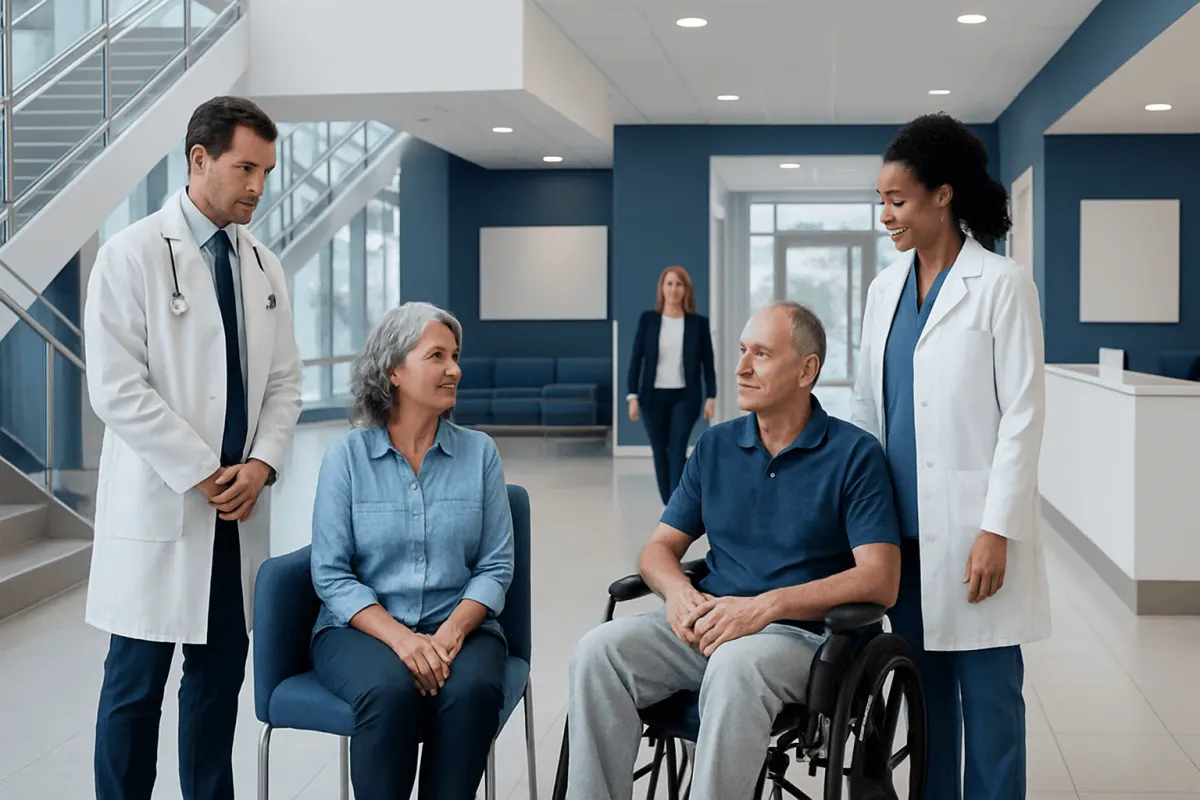
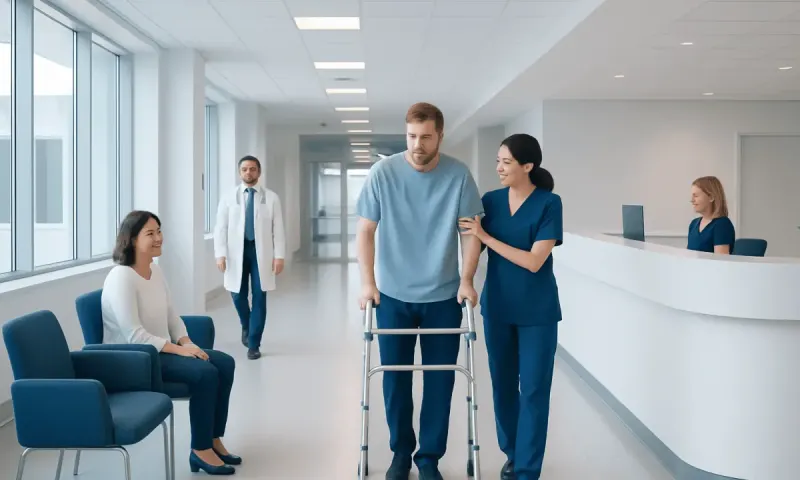
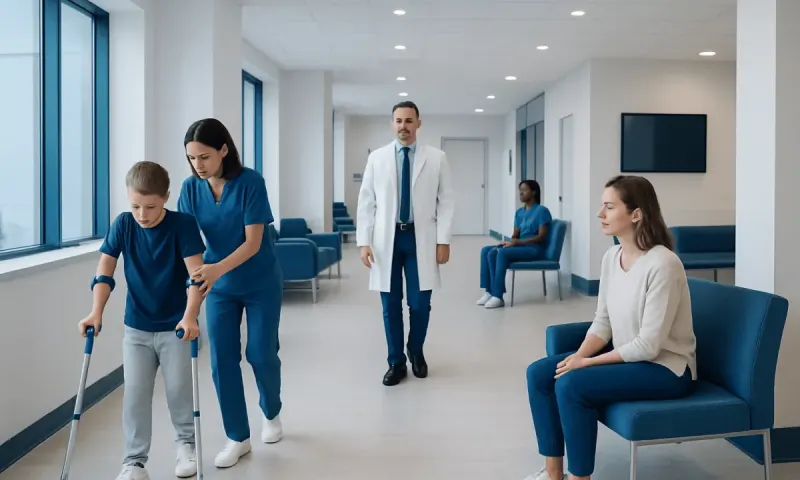
A second opinion in rehabilitation can help people better understand their diagnosis, recovery goals, and treatment choices. It is often useful when progress is slow, symptoms change, or a person wants reassurance that the current rehabilitation plan is appropriate.
Overview
A second opinion in rehabilitation is an additional medical assessment from another qualified specialist or rehabilitation team. Its purpose is to review the diagnosis, current function, treatment plan, and expected recovery path. In many cases, it confirms that the present plan is appropriate. In others, it may identify overlooked factors, suggest further testing, or recommend adjustments to improve progress and quality of life.
Rehabilitation can be needed after many different health problems, including stroke, spinal conditions, orthopedic injury, surgery, chronic pain, neurological disease, or prolonged illness. Because recovery is often gradual and highly individualized, patients and families may sometimes feel uncertain about whether the pace of improvement is normal. A second opinion can provide clarity and practical guidance.
This process is not only for severe or unusual cases. It can also be helpful when someone wants reassurance, better communication, or a fresh look at goals such as walking, balance, self-care, speech, hand use, work activities, or pain control. A careful review can help align treatment with the person’s medical needs and daily priorities.
When a Second Opinion Can Help
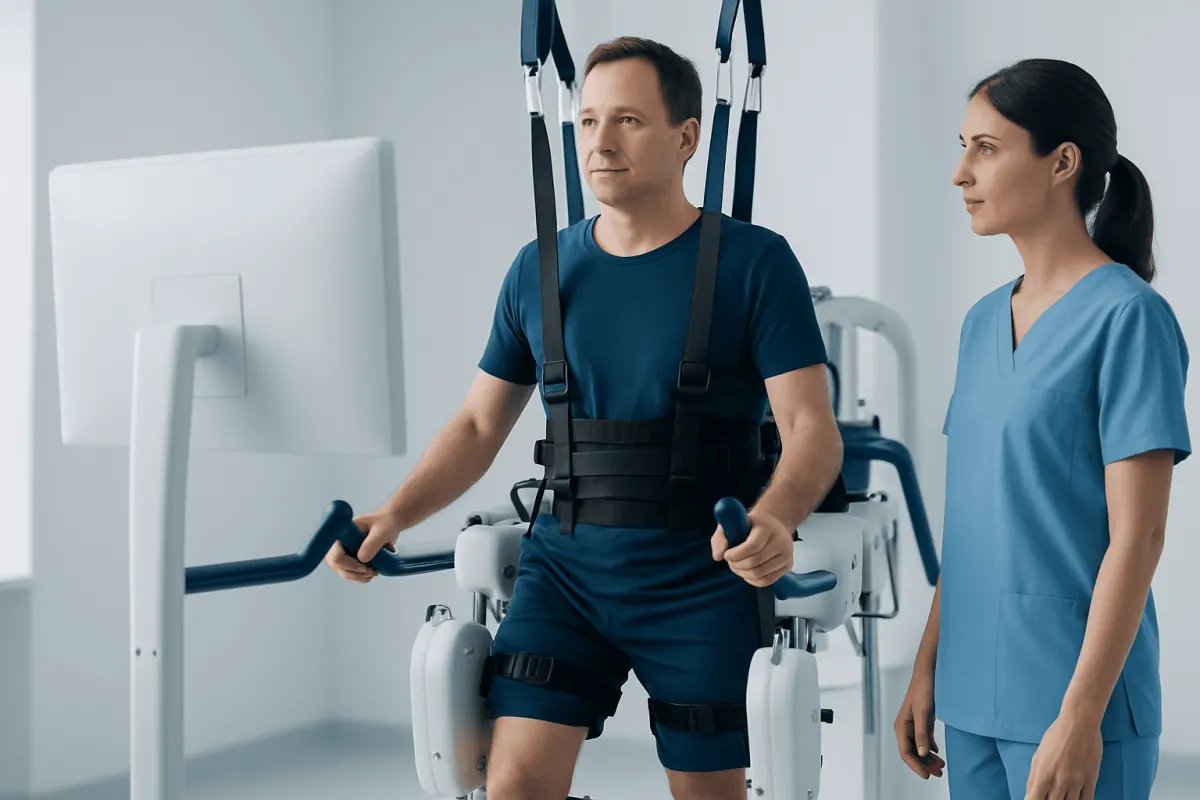
There are several common situations in which a second opinion in rehabilitation may be valuable. One is when recovery seems slower than expected, despite regular therapy and good participation. Another is when symptoms change, such as new weakness, worsening pain, increasing stiffness, dizziness, falls, or reduced ability to perform daily activities.
A second opinion may also help if the diagnosis is uncertain or if more than one problem may be affecting recovery. For example, a person recovering from orthopedic surgery may also have nerve involvement, balance impairment, or persistent pain that needs a broader rehabilitation strategy. Similarly, recovery after a neurological event may require reassessment if progress plateaus or if spasticity, swallowing, communication, or cognitive issues are becoming more noticeable.
It can also be useful when major decisions are being considered, such as changing from home therapy to inpatient rehabilitation, adding assistive devices, considering pain procedures, or deciding whether further surgery should be evaluated. In these situations, another specialist can help weigh likely benefits, risks, and realistic expectations.
- Progress has stalled or is much slower than expected
- Symptoms are worsening or new symptoms have appeared
- The diagnosis is unclear or seems incomplete
- Treatment goals are not well defined or not being met
- There are different recommendations from different clinicians
- The person wants reassurance before making a major treatment decision
What Specialists Review During a Rehabilitation Second Opinion

A useful rehabilitation second opinion usually looks beyond a single symptom. The reviewing specialist may assess the original diagnosis, current level of function, pain patterns, muscle strength, coordination, balance, endurance, joint movement, and ability to manage daily tasks. They also consider how symptoms affect work, sleep, mood, family life, and independence.
The review often includes the person’s full medical history, previous treatments, imaging results, medications, therapy notes, and any complications that may be slowing recovery. In some cases, the specialist may recommend updated imaging, electrodiagnostic testing, gait analysis, swallowing evaluation, or neurocognitive assessment to better understand the reason for limited progress.
Rehabilitation often works best when it is multidisciplinary. Depending on the problem, the second opinion may involve Physical Therapy" class="ahp-ilk">physical medicine and rehabilitation specialists, neurologists, orthopedic surgeons, pain specialists, physiotherapists, occupational therapists, speech and language therapists, psychologists, or prosthetics and orthotics professionals. This broader review can be particularly helpful in complex conditions such as stroke, spinal cord injury, traumatic brain injury, or difficult recovery after joint or spine surgery.
How the Assessment Is Done
The process usually begins with a detailed consultation. The clinician asks about the original illness or injury, when rehabilitation started, what treatments have already been tried, and what changes the person has noticed over time. They also ask about practical goals, such as walking without support, climbing stairs, using the hand more effectively, returning to work, or reducing pain during sleep and movement.
A physical examination is then performed, tailored to the person’s condition. This may include testing strength, reflexes, sensation, posture, joint movement, balance, coordination, gait, endurance, and the ability to perform specific daily tasks. If speech, swallowing, cognition, or fatigue are concerns, these may also be evaluated or referred for focused assessment.
After reviewing the findings, the clinician explains whether the current rehabilitation approach appears suitable or whether adjustments may help. These changes might include altering therapy intensity, focusing on different exercises, addressing pain or spasticity more directly, introducing adaptive equipment, or investigating another underlying diagnosis. In some patients, a second opinion confirms that continued time and consistent therapy are the most appropriate next steps.
Possible Recommendations After a Second Opinion
The outcome of a second opinion varies from person to person. Sometimes the advice is simply to continue the existing program because it is medically sound and the current pace of recovery is reasonable. This reassurance can reduce uncertainty and help patients stay engaged with treatment.
In other situations, the specialist may suggest modifications. These could include a more individualized exercise plan, more frequent therapy, targeted treatment for pain, treatment for spasticity, balance-focused training, cognitive rehabilitation, swallowing therapy, or a change in assistive devices. If there is concern about an unresolved structural issue, the person may be referred for further orthopedic, neurological, or neurosurgical review. Depending on the situation, clinicians may discuss related services such as physical therapy and rehabilitation, pain management, or orthopedic rehabilitation.
A second opinion can also help set realistic goals. Some people hope for very rapid recovery, while others underestimate what may still be possible with the right support. Clear goals, measured over a realistic timeline, can improve motivation and guide the rehabilitation team toward meaningful outcomes.
How to Prepare for a Second Opinion
Preparation can make the consultation more productive. Patients should try to bring copies of relevant medical records, imaging reports, hospital discharge summaries, surgery notes, medication lists, and therapy evaluations. If available, a timeline of symptoms and treatments is also helpful, especially when the history is complex or the problem has lasted for months.
It is often useful to prepare specific questions in advance. For example, a person may want to ask whether the diagnosis is correct, whether the therapy plan should change, whether more testing is needed, what realistic goals should be expected, and whether any barriers are slowing progress. Family members or caregivers may also want guidance on home exercises, safety, transfers, mobility support, or communication strategies.
Patients do not need to feel uncomfortable about seeking another opinion. In rehabilitation medicine, this is a normal and accepted part of care. Good clinicians understand that people may want confirmation, clearer explanations, or a broader expert perspective before continuing treatment or making important decisions.
Benefits, Limitations, and When to Seek Prompt Medical Review
The main benefit of a second opinion in rehabilitation is improved clarity. It can confirm that the current plan is appropriate, identify missed contributors to disability, or open the door to different strategies that better match the person’s needs. It may also improve confidence, communication, and shared decision-making between the patient, family, and healthcare team.
However, a second opinion is not always a completely different answer, and it does not guarantee faster recovery. Rehabilitation outcomes depend on many factors, including the underlying condition, severity of injury, time since onset, coexisting health problems, emotional well-being, and consistency of therapy. Even when recommendations change, progress may still take time and require sustained effort.
Prompt medical review is important if there are sudden or serious changes, such as rapidly increasing weakness, new numbness, loss of bladder or bowel control, severe new pain, chest symptoms during exercise, repeated falls, sudden confusion, or signs of a new neurological problem. These situations may require urgent assessment rather than a routine second-opinion appointment. For international patients needing coordinated evaluation, Acıbadem Health Point’s multidisciplinary specialists in JCI-accredited hospitals assess rehabilitation needs and Depression Treatment Options: Therapy, Medication, and Rehabilitation Support" class="ahp-ilk">treatment options in a structured way.
Frequently asked questions
01What is a second opinion in rehabilitation?
It is an independent review of a person’s diagnosis, current abilities, therapy plan, and recovery goals by another qualified specialist or rehabilitation team. The aim is to confirm the current approach or suggest changes that may better support recovery.
02Does asking for a second opinion mean the current treatment is wrong?
No. In many cases, a second opinion confirms that the current rehabilitation plan is appropriate. It is simply a way to gain reassurance, clearer explanations, or a fresh perspective when questions remain.
03When should someone consider a rehabilitation second opinion?
It may help if progress has stalled, symptoms have changed, pain is limiting therapy, or the diagnosis is uncertain. It is also useful before major decisions, such as changing treatment settings, considering procedures, or reviewing long-term goals.
04Who can provide a second opinion in rehabilitation?
This depends on the underlying condition. Physical medicine and rehabilitation specialists often lead the process, but neurologists, orthopedic specialists, pain specialists, and therapists may also contribute when needed.
05What should patients bring to the appointment?
Helpful items include medical records, imaging reports, medication lists, surgery notes, and therapy summaries. Bringing a short written timeline of symptoms and a list of questions can also make the consultation more focused and useful.
06Can a second opinion change the rehabilitation plan?
Yes, sometimes it can. The reviewing specialist may recommend different therapy goals, more targeted exercises, further testing, assistive devices, or treatment for issues such as pain, spasticity, or balance problems.
07Is a second opinion helpful even months after injury or illness?
Often, yes. Even later in recovery, a reassessment may identify barriers to progress, overlooked symptoms, or realistic new goals. This can be especially helpful when daily function remains limited or the reason for slow improvement is unclear.
This article is for general information only and is not a substitute for professional medical advice. Please consult a qualified doctor about your individual situation.
Joint and spine care in Turkey — expert assessment & treatment
JCI-accredited · board-certified surgeons · reply within 24h
Add us as a Preferred Source to see more of our trusted health content across Google Search, AI Overviews and Discover.