Scoliosis Surgery Recovery: Healing After Spinal Fusion
Scoliosis surgery recovery is gradual: most people begin assisted walking soon after surgery, leave hospital after several days, and return to many everyday activities over the following weeks and months. The exact timeline depends on age, the type and extent of spinal fusion, overall health, and the surgeon’s individual instructions.
Scoliosis Surgery Recovery: What to Expect
Scoliosis surgery recovery begins in hospital and continues at home over many months. For many patients, the first goals are safe pain control, getting out of bed with help, taking short walks, eating and drinking adequately, and learning how to move while protecting the healing spine. Most daily activities return gradually, while bone fusion takes longer to mature.
The most common operation for scoliosis is spinal fusion. During this procedure, the surgeon corrects part of the spinal curve and joins selected vertebrae so they heal into a stable section of bone. Recovery plans differ between children, teenagers, and adults, and they also vary according to the number of spinal levels treated, the surgical approach, other health conditions, and whether surgery was planned or urgent.
A patient’s own surgeon and rehabilitation team should always provide the final guidance. Their instructions on wound care, medicines, movement, school or work, driving, and sport take priority because they are based on the individual operation and recovery progress.
How Scoliosis Surgery Works and Who May Benefit
Surgery is not needed for every spinal curve. It may be considered when scoliosis is severe or progressing, causes substantial pain or functional difficulty, affects posture or balance, or is expected to continue worsening. In some cases, surgery is discussed when a curve may affect breathing or when non-surgical measures are no longer appropriate.
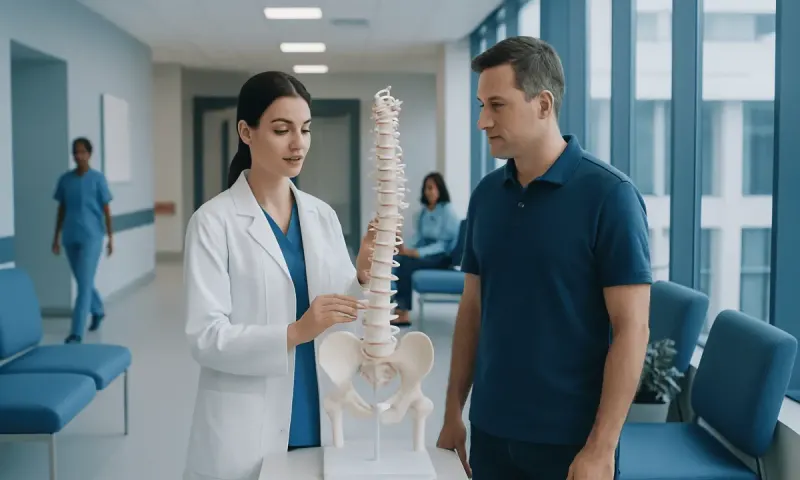
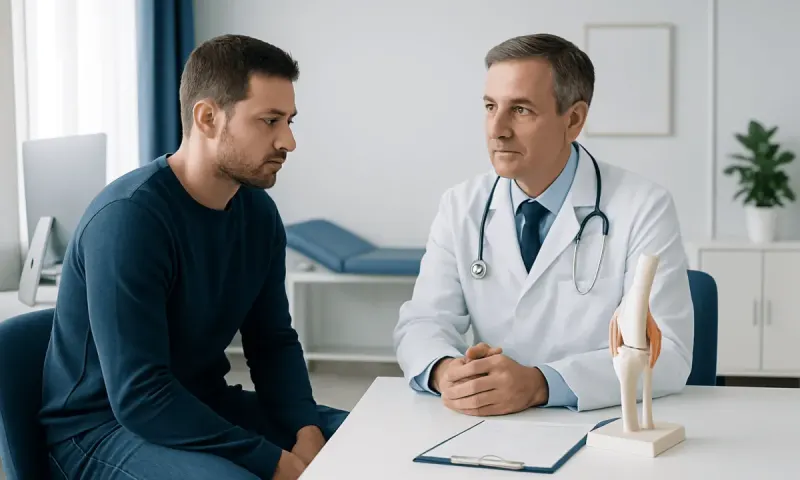
Before surgery, the specialist reviews spinal X-rays and sometimes MRI or CT imaging, medical history, neurological symptoms, lung function when relevant, and general fitness for anesthesia. The discussion should include the expected goals of surgery, which may be to reduce curve progression, improve balance, relieve selected symptoms, and support long-term spinal stability. Scoliosis has different causes and patterns, so candidacy is always individualized.
In a typical posterior spinal fusion, the patient receives general anesthesia and lies face down. The surgeon makes an incision along the back, places implants such as screws and rods to guide correction, and uses bone graft material to support fusion. Monitoring of spinal cord and nerve function may be used during the operation. The incision is then closed and covered with a dressing.
The First Days After Surgery
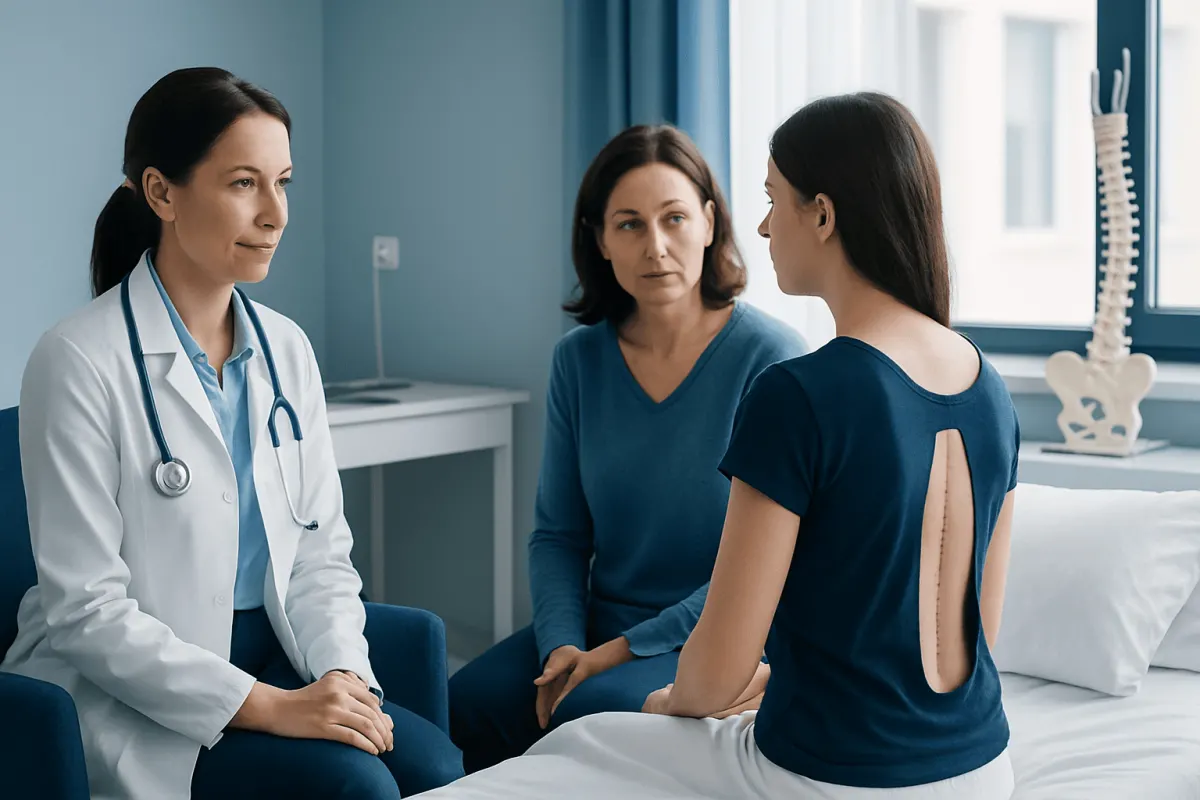
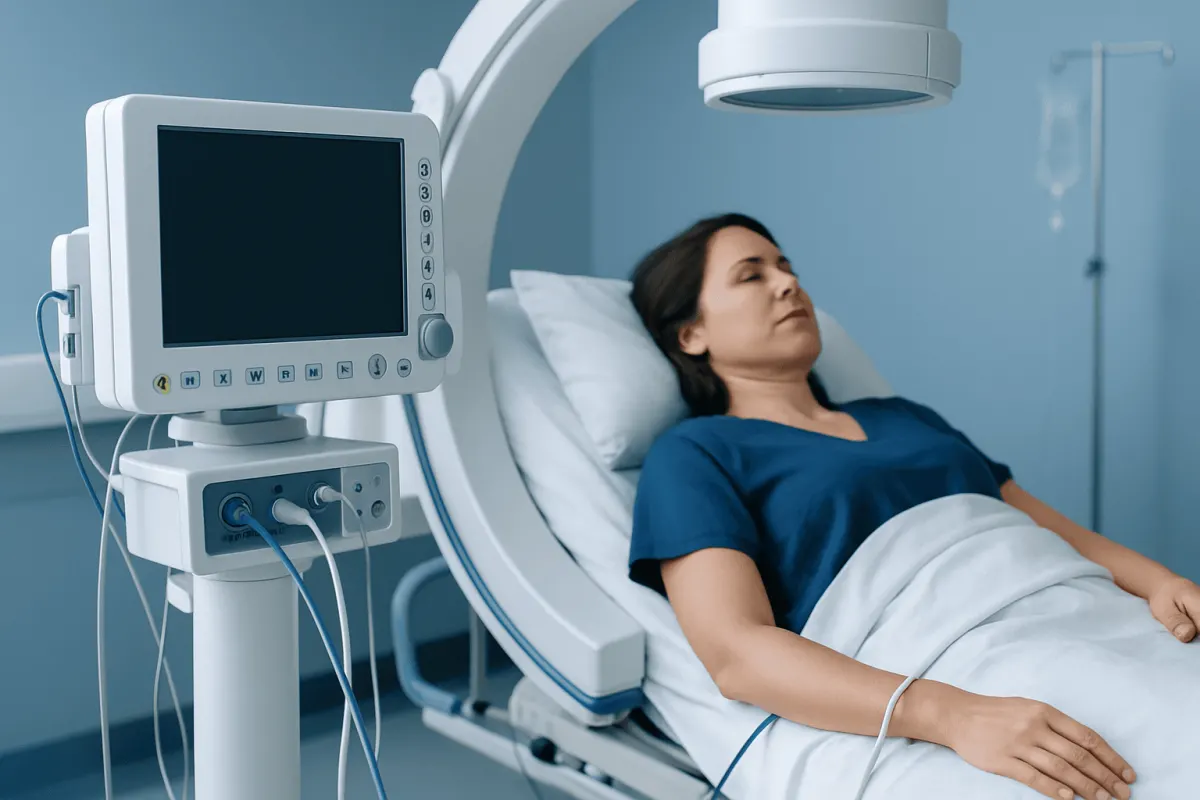
Immediately after surgery, the patient is observed in a recovery area and then transferred to a hospital room or, when needed, a higher-monitoring unit. Nurses regularly check comfort, circulation, sensation, muscle strength, breathing, blood pressure, and the surgical dressing. Tubes or drains may be used temporarily and are removed when no longer needed.
Pain, stiffness, tiredness, nausea, constipation, and reduced appetite are common in the early days. The care team may use several approaches to control discomfort, such as prescribed pain medicines, medication for nausea, bowel support, ice when advised, position changes, and breathing exercises. Adequate pain control helps the person breathe deeply, sleep, and participate in mobility safely.
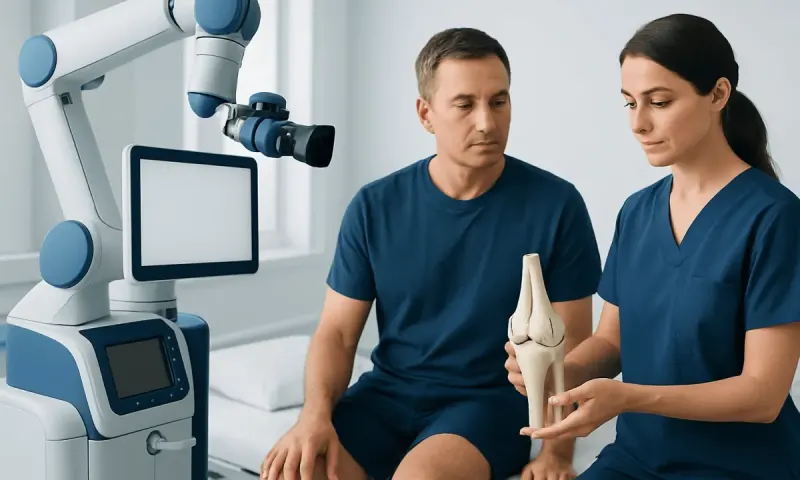
Walking commonly starts with assistance within the first day or two, depending on medical stability and the surgical plan. A physiotherapist or nurse teaches safer ways to roll, sit, stand, and walk without sudden twisting. Hospital discharge often occurs once pain is manageable with oral medicine, walking is safe with the required support, eating and drinking are adequate, and the patient and family understand home-care instructions.
Recovery Timeline: From Home Care to Returning to Activity
During the first two to six weeks at home, rest should be balanced with frequent short walks and gentle daily movement as advised. Fatigue can be significant, especially in the afternoon, and regular rest periods are normal. The incision should be kept clean and dry according to the surgical team’s guidance, and all follow-up appointments should be attended.
By approximately six to twelve weeks, many people are more comfortable moving around the home and community and may gradually return to school, desk-based work, or other low-demand routines. Return timing depends on symptoms, stamina, transport needs, medication use, and the surgeon’s assessment. Driving should wait until the person can react comfortably and safely, is no longer taking sedating pain medicine, and has explicit medical clearance.
Over the following months, the fusion continues to heal. The surgeon may gradually permit structured rehabilitation, swimming, cycling, strengthening, or other activities. High-impact exercise, heavy lifting, bending and twisting under load, and contact sports are usually delayed until the spine has healed sufficiently on clinical review and imaging. Scoliosis surgery follow-up is an important part of making activity decisions safely.
It is common for recovery to feel uneven. Improvement often comes in small steps, and energy levels may take months to normalize. Comparing progress with another patient’s experience can be misleading; the most useful benchmark is steady recovery guided by the individual care team.
Common Questions About Movement, Bed Rest, Pain, and Restrictions
What can you never do after scoliosis surgery? Most people can return to a full and active life, but a fused part of the spine will not move in the same way as before. There is no universal list of activities that every patient must avoid forever. However, activities involving repeated forceful twisting, extreme back bending, or heavy impact may need long-term modification, particularly when the fusion is extensive. The surgeon can give individualized advice for lifting, gym exercise, manual work, and competitive sport.
How long can you not walk after scoliosis surgery? In many cases, patients are encouraged to stand and take assisted steps within one or two days after surgery. Walking starts with short, supported distances and increases gradually. The timing may be different if there are complications, significant weakness, other medical conditions, or a specific surgical reason to limit movement.
How painful is post-scoliosis surgery? Pain and stiffness are expected after a major spine operation and are usually strongest in the first days. Modern recovery plans aim to reduce pain enough for breathing, walking, sleeping, and rehabilitation, rather than expecting a person to have no discomfort. Pain generally improves over the following weeks, but the care team should know if it becomes suddenly worse, does not respond to prescribed treatment, or is accompanied by new symptoms.
How long do you have to stay in bed after scoliosis surgery? Prolonged bed rest is generally not the goal. Once it is medically safe, supervised sitting, standing, and walking are encouraged because they help lower the risk of complications from immobility. Rest in bed remains important between activities, especially in the first days and weeks, but the exact balance should follow the hospital team’s instructions.
Benefits, Risks, and Supporting Recovery at Home
Potential benefits of surgery include improved spinal balance, reduced risk of further curve progression in appropriate cases, and better ability to sit, stand, or move comfortably for some patients. Cosmetic and emotional concerns related to visible asymmetry may also improve. The degree of curve correction and symptom change varies, and surgery cannot promise that every type of back pain will resolve.
Like any major operation, scoliosis surgery has risks. These can include bleeding, infection, blood clots, problems with wound healing, reactions to anesthesia, nerve injury, persistent pain, implant-related problems, and incomplete fusion. Rarely, further procedures may be needed. The surgical team discusses personal risk factors before surgery and uses preventive measures such as careful monitoring, infection prevention, and early mobilization where appropriate.
At home, taking medicines exactly as prescribed, maintaining fluids and balanced nutrition, avoiding tobacco and nicotine products, and walking regularly within the recommended limits can support healing. Constipation is common after anesthesia and pain medicines, so fluids, fiber, gentle movement, and clinician-recommended bowel treatment may help. A family member or trusted support person can be useful during the first part of recovery.
Emotional adjustment matters as well. Sleep changes, dependence on others, concerns about appearance, and temporary limits on normal routines can be frustrating. Speaking with the care team, school or workplace, and mental health support services when needed can make recovery more manageable.
When to Seek Medical Care
Patients should contact their surgical team promptly if they have a fever, increasing redness or warmth around the incision, swelling, drainage, a bad smell from the wound, or pain that is getting worse rather than gradually improving. They should also seek advice for persistent vomiting, inability to keep fluids down, severe constipation, or concerns about medication side effects.
Urgent medical assessment is needed for new or worsening weakness, numbness, loss of bladder or bowel control, severe shortness of breath, chest pain, fainting, or a painful swollen calf or leg. These symptoms do not always mean a serious complication, but they require prompt evaluation.
For international patients, Acıbadem Health Point’s multidisciplinary specialists and JCI-accredited hospitals can assess scoliosis and support surgical treatment and follow-up planning. Ongoing communication with the operating surgeon remains essential throughout recovery.
Frequently asked questions
01How long does scoliosis surgery recovery take?
Early recovery usually takes several weeks, while return to usual daily routines often occurs gradually over a few months. The spinal fusion itself continues to heal for many months, and clearance for unrestricted activity depends on follow-up assessments and the surgeon’s advice.
02When can someone return to school or work after scoliosis surgery?
Many people return to school or desk-based work gradually within weeks to a few months, depending on stamina, pain control, travel demands, and activity restrictions. A phased return, lighter schedule, and permission to change positions or take walking breaks can be helpful.
03Do patients need physical therapy after scoliosis surgery?
Physiotherapy commonly begins in hospital with guidance on walking, transfers, posture, and safe movement. Whether formal outpatient therapy is needed later depends on the procedure, recovery progress, age, strength, and the surgeon’s <a href="https://www.acibademhealthpoint.com/blog/total-shoulder-replacement-rehabilitation-protocol-procedure-recovery-and-results/" title="Total Shoulder Replacement Rehabilitation Protocol: Procedure, Recovery and Results" class="ahp-ilk">rehabilitation protocol.
04Can a person bend after scoliosis surgery?
Bending is often limited during early healing, especially bending combined with twisting or lifting. The care team may teach movement techniques that reduce strain on the surgical area, and restrictions are eased only when the surgeon advises.
05When can someone shower after scoliosis surgery?
Shower timing depends on the type of wound closure, dressing, and the surgeon’s instructions. Patients should not soak the incision in a bath, pool, or hot tub until they have been told that the wound is fully healed and it is safe to do so.
06Will the metal rods be removed after scoliosis surgery?
Rods and screws are generally designed to remain in place permanently. Removal is not routinely necessary, but it may be considered in selected situations, such as infection, implant-related symptoms, or another complication assessed by a spine specialist.
This article is for general information only and is not a substitute for professional medical advice. Please consult a qualified doctor about your individual situation.
Joint and spine care in Turkey — expert assessment & treatment
JCI-accredited · board-certified surgeons · reply within 24h
Add us as a Preferred Source to see more of our trusted health content across Google Search, AI Overviews and Discover.