Schizophrenia Aggression Towards Family: Causes and Support
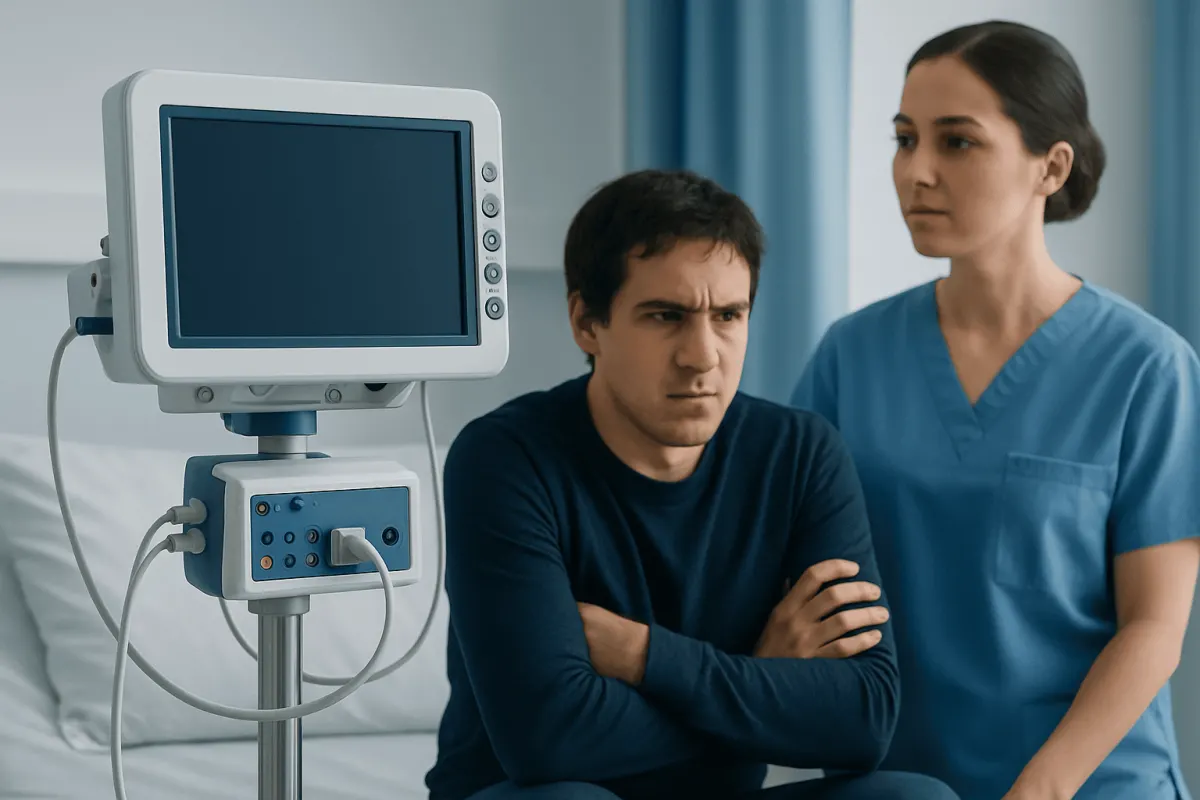
Schizophrenia aggression towards family is not an inevitable feature of the condition. When aggression occurs, it may be associated with untreated psychotic symptoms, fear, stress, substance use, or another mental or physical health problem, and it deserves compassionate, timely professional assessment.
Overview: understanding aggression without stigma
Schizophrenia aggression towards family can be frightening and exhausting, but it should not be assumed to be a usual or defining part of schizophrenia. Most people with schizophrenia do not behave violently. In fact, people with severe mental illness are often more vulnerable to victimization, self-neglect, and harm from others than they are to harming someone else.
When a person becomes verbally threatening, intensely agitated, controlling, or physically aggressive, the behavior should be taken seriously without blaming the person or the family. Aggression may arise when someone feels terrified, confused, overwhelmed, suspicious, unable to sleep, intoxicated, or disconnected from care. It may also be unrelated to schizophrenia, such as conflict within the household, trauma, pain, or another medical condition.
Family members do not cause schizophrenia, and they cannot manage a dangerous crisis alone. A practical response combines immediate safety measures with medical evaluation, respectful communication, and a plan for continuing care. Understanding the possible drivers can help relatives respond more calmly while maintaining clear boundaries.
What aggression and escalation may look like
Aggression does not only mean physical violence. It can include shouting, insults, threats, intimidation, property damage, blocking someone from leaving, repeated accusations, or behavior that makes others feel unsafe. Sometimes a person may pace, speak rapidly, appear intensely watchful, withdraw, or become increasingly irritable before an overt confrontation occurs.
Changes in behavior can be related to psychosis. For example, a person who hears distressing voices or strongly believes they are being watched, poisoned, or threatened may react defensively. Their fear is real to them, even if the belief is not based on reality. Challenging or mocking the belief in the moment can unintentionally increase distress.
It is important to distinguish warning signs from certainty. A raised voice or suspicious statement does not mean violence will occur. However, threats of harm, carrying or seeking weapons, striking objects, severe intoxication, escalating agitation, or statements about suicide should be treated as urgent signals to seek help and prioritize safety.
- Early warning signs may include disrupted sleep, missed medication, increased isolation, worsening suspiciousness, or use of alcohol or drugs.
- Immediate danger signs include a specific threat, physical assault, weapon access, inability to de-escalate, or risk of self-harm.
Why aggression may occur: common contributing factors
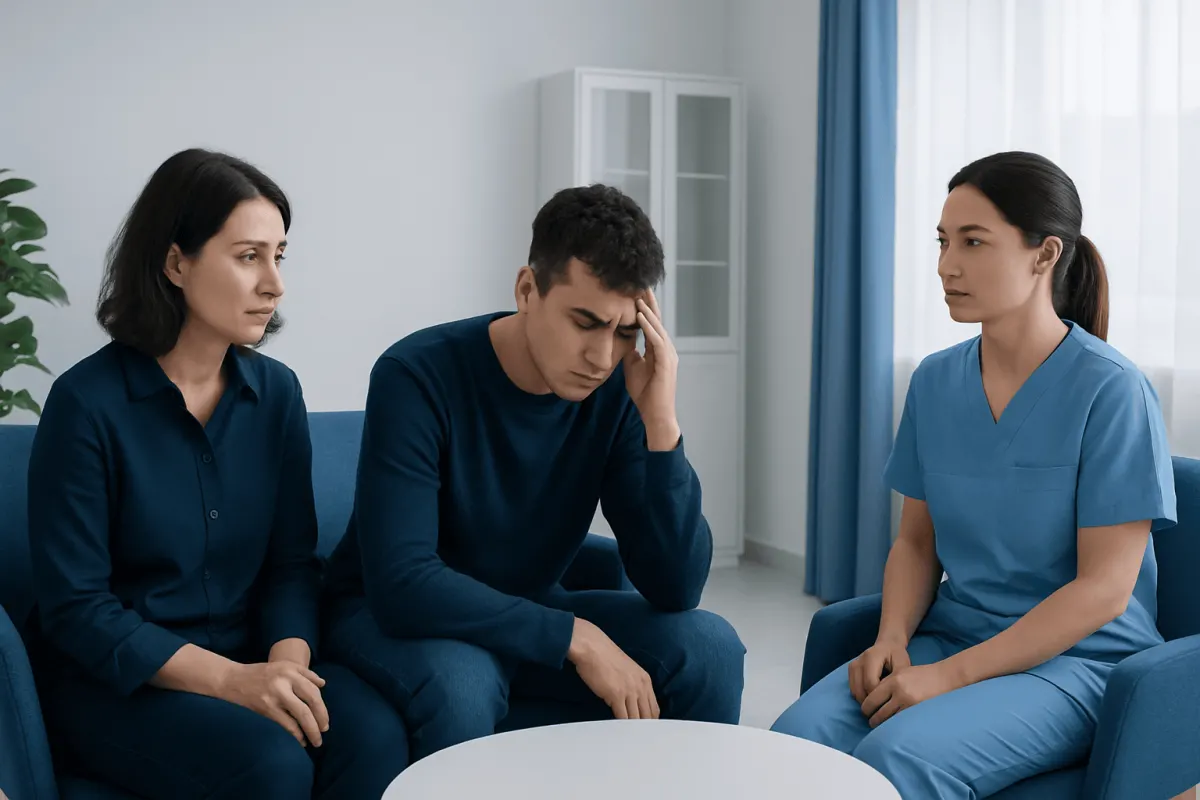
There is no single explanation for aggression in schizophrenia. Active symptoms, especially frightening hallucinations or persecutory delusions, can contribute when a person believes they need to protect themselves. Relapse may be more likely if treatment has been stopped, medication side effects are difficult to tolerate, follow-up has been interrupted, or the person has not yet found an effective care plan.
Alcohol, cannabis, stimulants, and other substances can worsen paranoia, impulsivity, sleep problems, and psychosis. Substance use can also complicate treatment and raise the likelihood of crisis behavior. A clinician should assess substance use in a nonjudgmental way because it may be an important, treatable contributor.
Stressful experiences can also play a role. Family conflict, financial pressure, crowded living conditions, grief, trauma reminders, and lack of sleep may intensify symptoms or reduce a person’s ability to cope. Some medical issues, including pain, infections, neurological conditions, medication reactions, or delirium, can cause sudden behavioral changes and should not be overlooked.
Schizophrenia is a complex mental health condition requiring individualized assessment. Readers seeking broader information about symptoms and care can review schizophrenia as part of a discussion with a qualified mental health professional.
How clinicians assess risk and make a diagnosis
A mental health assessment focuses on the person as a whole rather than labeling someone as dangerous. A psychiatrist or other qualified clinician may ask about recent changes in mood, sleep, thinking, hallucinations, suspiciousness, substance use, medication use, previous crises, and stressful events. They will also ask directly about thoughts of harming oneself or another person, threats, plans, and access to weapons.
Collateral information from family members can be very helpful, especially if the person is too distressed to describe what has been happening. Relatives can share concrete observations, such as when symptoms began, what situations seem to trigger escalation, whether medication doses were missed, and what has helped the person calm down previously. Privacy rules may limit what clinicians can disclose, but family can generally provide information to the treatment team.
Assessment may include a physical examination, review of medicines, and tests when clinically indicated. This helps rule out medical causes of abrupt confusion or agitation. Clinicians also consider whether another mental health condition, substance-related condition, or acute stress reaction could be contributing.
Risk can change over time. A prior aggressive incident matters, but it does not define a person’s future. Regular follow-up and a shared crisis plan allow care teams and families to respond to changes early.
Treatment and support for safer, more stable care
Treatment aims to reduce distressing symptoms, prevent relapse, improve daily functioning, and protect relationships and safety. Antipsychotic medication is a central treatment for schizophrenia for many people. A psychiatrist can review benefits, side effects, treatment preferences, and adherence barriers, then adjust the plan as needed. Medication should not be stopped suddenly without clinical advice unless emergency professionals direct otherwise.
Psychological and practical supports are also important. These may include individual therapy adapted for psychosis, family psychoeducation, social support, help with sleep and routines, treatment for co-occurring substance use, and rehabilitation services. Family education can help relatives recognize early relapse signs, communicate more effectively, and reduce the cycle of fear and confrontation.
In an acute crisis, urgent psychiatric evaluation may be needed. Short-term hospital care can provide a safer setting for assessment, stabilization, and treatment when someone cannot remain safe at home. The appropriate setting depends on the level of risk, local services, and the person’s clinical needs.
Acıbadem Health Point’s multidisciplinary specialists and JCI-accredited hospitals can assess and treat schizophrenia and related mental health concerns for international patients, with care plans tailored to individual clinical needs.
Practical de-escalation and family self-care
During an escalation, family members should focus first on safety and lowering stimulation. Speak slowly, use a calm tone, keep statements brief, and offer simple choices when possible. It can help to acknowledge the person’s emotion without agreeing with a delusion, such as saying, “That sounds very frightening,” rather than debating whether their belief is true.
Giving physical space, reducing noise, avoiding sudden movements, and allowing an exit route may reduce the sense of threat. Do not corner, restrain, touch, argue with, threaten, or try to force medication on a person who is escalating. If there is risk of violence, family members should move to a safer location and contact local emergency services or a crisis team rather than attempting to manage the situation alone.
When everyone is calm, families can develop a written crisis plan together. It may include early warning signs, preferred calming strategies, emergency contacts, current medications, the treating clinician’s details, and arrangements for children, pets, or other vulnerable household members. If legally appropriate and safe, limiting access to weapons is an important protective step.
Caregivers also need support. Speaking with a clinician, caregiver group, or trusted counselor can reduce isolation and help family members set realistic boundaries. Supporting a loved one does not require accepting threats, intimidation, or abuse.
When to seek medical care
Contact the person’s psychiatrist, mental health team, or primary care clinician promptly when there are new or worsening hallucinations, paranoia, agitation, severe sleep disruption, medication difficulties, increasing substance use, or repeated family conflict. Early review can sometimes prevent a more serious crisis and allows treatment to be adjusted before safety is affected.
Seek urgent medical or emergency help if the person has made a specific threat, attempted or committed physical violence, has access to a weapon, appears severely intoxicated or confused, talks about suicide, or cannot be safely supported at home. Family members should follow local emergency procedures and clearly explain that a mental health crisis may be involved.
In an immediate emergency, people should move away from danger and contact local emergency services. It is reasonable to prioritize the safety of children, older adults, and anyone unable to leave independently. Once the crisis has passed, a follow-up appointment is still important to identify triggers and strengthen the ongoing care plan.
Frequently asked questions
01Does schizophrenia make someone aggressive toward family?
No. Most people with schizophrenia are not violent, and aggression is not an inevitable symptom of the condition. When it occurs, it may be linked to untreated psychosis, fear, substance use, stress, sleep loss, or another health concern that needs assessment.
02How should family members respond to paranoid accusations?
It is usually best to remain calm, speak briefly, and avoid arguing about whether the belief is true. Family members can acknowledge the person’s distress while maintaining boundaries, for example by saying that they want to help them feel safe and contact their care team.
03Can missed schizophrenia medication lead to aggression?
Missing medication can increase the chance of symptom return for some people, including paranoia, agitation, or distress. It does not automatically lead to aggression, and medication concerns should be discussed promptly with the prescribing clinician rather than managed through confrontation.
04When should a family call emergency services?
Emergency services should be contacted when there is an immediate risk of harm, a specific threat or weapon, physical violence, severe confusion, or suicidal behavior. Family members should move to safety first and tell responders that the situation may involve a mental health crisis.
05Can family therapy help with schizophrenia-related conflict?
Family psychoeducation and therapy can help relatives understand symptoms, improve communication, identify relapse warning signs, and create a crisis plan. These approaches do not place blame on the family; they are designed to support everyone involved.
06What can families do after an aggressive incident?
After safety has been restored, the person should receive timely clinical follow-up to review symptoms, treatment, substance use, stressors, and medical factors. Families may also benefit from documenting what happened, updating a crisis plan, and seeking caregiver support for their own wellbeing.
This article is for general information only and is not a substitute for professional medical advice. Please consult a qualified doctor about your individual situation.
Explore treatments in Turkey — costs, top hospitals & a free quote
JCI-accredited · board-certified surgeons · reply within 24h
Add us as a Preferred Source to see more of our trusted health content across Google Search, AI Overviews and Discover.