RSV Vaccine for Pregnant Women: What You Need to Know

Key Takeaways
- The RSV vaccine in pregnancy is mainly intended to pass protective antibodies to the baby before birth.
- Timing matters: it is given only during a recommended gestational window, not at any point in pregnancy.
- The vaccine does not treat an existing RSV infection; it is a preventive measure.
- A clinician should review other vaccines, medical conditions, and any allergy history before vaccination.
- Side effects are usually mild and short-lived, but pregnant women should seek care for unusual symptoms.
- In some situations, a baby may instead or additionally need preventive antibody protection after birth.
The RSV vaccine for pregnant women is designed to help protect newborns during their first months of life, when RSV can be especially serious. It is usually given during a specific window in pregnancy, after a clinician reviews timing, health history, and the best plan for mother and baby.
Overview
For families expecting a baby, RSV can feel like a name that suddenly appears on every list of seasonal illnesses. The RSV vaccine for pregnant women is one way to lower the risk that a newborn will develop severe RSV disease in the early months of life, when the immune system is still immature.
RSV, or respiratory syncytial virus, is a common virus that can cause cold-like symptoms in adults and older children. In infants, however, it can sometimes lead to bronchiolitis or pneumonia and may require medical care. Vaccination during pregnancy helps the mother produce antibodies that can cross the placenta and support the baby after birth.
This approach is preventive, not curative. It is meant for people who are pregnant during the recommended window and who have not already received another RSV prevention strategy that their clinician prefers for the newborn. Because recommendations can differ by country and by individual risk factors, the best choice should always be made with an obstetrician, midwife, or family doctor familiar with current guidance.
Why RSV matters in pregnancy and newborn care
Most adults recover from RSV without major complications, which is one reason the virus is sometimes underestimated. The concern is different in infants, especially in the first weeks and months after birth. Their airways are small, and they do not yet have the same immune defenses as older children.
Pregnancy offers a practical opportunity to protect the baby before delivery. Maternal antibodies can provide a temporary layer of defense during a time when the infant is too young to rely on their own mature immunity. That is why the discussion about RSV vaccination often centers less on the mother’s illness and more on newborn protection.
In Myomectomy Recovery for International Patients: The Usual Travel Timeline" class="ahp-ilk">international patients’ care pathways, this conversation may come up alongside other prenatal decisions such as travel timing, where the baby will be delivered, and whether follow-up will continue in the home country. A coordinated plan helps ensure that vaccination, delivery, and newborn care all fit together safely.
How the vaccine works
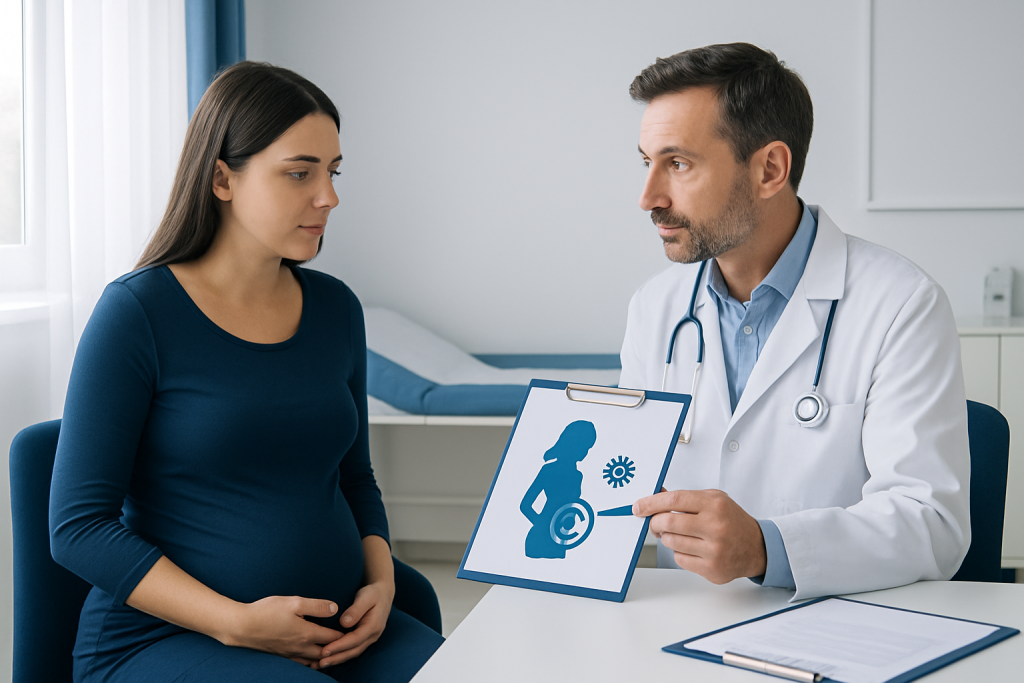
The RSV vaccine used in pregnancy is designed to stimulate the mother’s immune system to make protective antibodies. Those antibodies then move across the placenta and can help shield the baby during the first months of life.
This is different from treating an infection that has already started. The goal is to prepare the immune system ahead of time so the baby begins life with added protection. The effect is temporary, which is normal and expected; it supports the infant during the period of greatest vulnerability.
It is also different from general “immunity boosting” claims often seen online. The vaccine is a specific medical intervention with a defined timing window, studied safety profile, and a targeted purpose. A clinician can explain how it fits with other routine pregnancy vaccines, such as influenza or pertussis vaccination, which may also be recommended.
Who may be offered the RSV vaccine
Pregnant women who are within the recommended gestational window and who are carrying a baby expected to be born during or entering RSV season may be offered the vaccine, depending on local guidance. In many settings, the decision is straightforward; in others, timing with delivery plans matters more.
Healthcare professionals may also consider whether a patient has any conditions that affect vaccine scheduling, such as a history of severe allergic reaction to a vaccine component. Most healthy pregnant women can discuss the vaccine during a routine prenatal visit, but the final recommendation should be individualized.
For someone traveling internationally for maternity care, it can help to ask about the vaccine early rather than waiting until the last trimester. Different health systems may document the dose differently, and having records ready makes it easier for the receiving team to continue care without delay.
- Confirm gestational age accurately
- Review local RSV season timing
- Check for allergy or prior vaccine reactions
- Discuss how it fits with other prenatal vaccines
- Plan what documentation will be needed after travel or delivery
Benefits and expected protection
The main benefit is reduction in the risk of severe RSV disease in the baby after birth. That matters because the first RSV season of life can be especially difficult for newborns and young infants, particularly those born prematurely or with certain medical conditions.
Another benefit is simplicity. For many families, a single maternal vaccination during pregnancy is easier than trying to arrange protection only after the baby is born. It can be part of a broader plan that includes breastfeeding support, newborn follow-up, and clear instructions on when to seek medical help.
It is important to keep expectations realistic. The vaccine does not eliminate all respiratory infections, and it does not replace hand hygiene, limiting exposure to sick contacts, or following pediatric advice. It is one layer of protection in a larger newborn-care strategy.
Safety and possible side effects
Like other vaccines used in pregnancy, the RSV vaccine has been studied for maternal and infant safety. Most side effects, when they occur, are mild and short-lived. These may include soreness where the shot was given, tiredness, headache, or muscle aches.
Because pregnancy can bring its own symptoms, it is useful to know what is expected and what is not. Mild discomfort for a day or two is generally not unusual. However, signs of a severe allergic reaction, such as trouble breathing, swelling of the face, or widespread hives, need urgent medical attention.
Women with fever, feeling faint, or other concerning symptoms after vaccination should contact their healthcare team. The clinician can help distinguish a typical post-vaccine reaction from an unrelated pregnancy issue that deserves evaluation. Safety discussions are especially important if the person has a history of allergies, autoimmune disease, or complex medical care.
Prevention and self-care during pregnancy
The RSV vaccine works best as part of a broader prevention plan. Simple daily habits still matter, especially in the months before and after birth. Careful handwashing, avoiding close contact with people who have respiratory symptoms, and cleaning frequently touched surfaces can all reduce exposure.
Pregnant women can also ask about practical steps for household members. Siblings, grandparents, and caregivers may benefit from staying up to date on their own vaccines, especially influenza and pertussis, according to local advice. This can create a healthier environment around the newborn.
For those planning delivery abroad or returning home soon after birth, self-care includes keeping vaccine records, prenatal notes, and contact information for the maternity team. That way, if the baby needs follow-up or preventive treatment after birth, the next clinician can act quickly and confidently.
- Wash hands regularly, especially before touching the face or baby
- Avoid smoking and secondhand smoke exposure
- Limit contact with people who are sick
- Ask the maternity team how RSV season affects the birth plan
- Keep vaccination documents accessible for travel or discharge
When to see a doctor
Pregnant women should speak with a doctor, midwife, or obstetrician if they are unsure whether the RSV vaccine is recommended for them, if they are outside the usual timing window, or if they have had severe reactions to vaccines in the past. A short consultation can clarify whether the shot is appropriate now or whether another prevention plan makes more sense.
Medical advice is also important if there are symptoms after vaccination that seem more than mild and temporary, or if there is a question about a recent exposure to RSV. The vaccine is preventive, so it does not replace evaluation for fever, breathing symptoms, or other pregnancy concerns.
If care is being coordinated across countries, it may help to have a prenatal specialist review the records before travel. In that setting, multidisciplinary teams such as those at Acibadem Health Point and its JCI-accredited hospitals can help diagnose and treat RSV-related concerns for international patients while keeping maternal and newborn care aligned.
What to ask at your prenatal visit
Some of the most useful questions are simple, and they help the clinician tailor advice to the pregnancy in front of them rather than to a generic schedule. A patient may ask whether the RSV vaccine is recommended now, how it fits with other vaccines, and what protection the baby is expected to receive.
It is also reasonable to ask how timing may change if delivery is expected early, if there are twins or other pregnancy factors, or if the patient will be traveling before birth. These details can affect the best choice more than many families realize.
When the conversation includes clear next steps, families often feel more prepared. That preparation can be especially valuable if the baby will be born in a different health system from where prenatal care began.
- Is the RSV vaccine recommended for this pregnancy?
- What is the ideal week to receive it?
- How does it fit with other prenatal vaccines?
- What side effects should be expected?
- What should be done if delivery happens soon after vaccination?
- Will the baby still need any RSV prevention after birth?
Frequently asked questions
01What is the RSV vaccine for pregnant women meant to do?
It is meant to help protect the baby after birth by passing maternal antibodies across the placenta. The goal is to lower the chance of severe RSV illness in the newborn’s early months. It does not treat RSV infection that is already present.
02When is the RSV vaccine given in pregnancy?
It is given only during a specific gestational window recommended by health authorities and local clinicians. Timing matters because the baby needs enough time to receive protective antibodies before delivery. A prenatal clinician can confirm whether the current pregnancy is within that window.
03Is the RSV vaccine safe during pregnancy?
It has been studied for use in pregnancy, and most reported side effects are mild and temporary. As with any vaccine, a clinician should review allergy history and other medical factors first. Pregnant women should seek advice if they notice severe or unusual symptoms afterward.
04Does the RSV vaccine replace newborn RSV prevention after birth?
Not always. In some cases, a baby may still need additional protection or different preventive steps depending on timing, local guidance, and the infant’s risk factors. The maternity or pediatric team can explain what is appropriate for that baby.
05Can the RSV vaccine be given with other prenatal vaccines?
This is especially important for travelers or patients receiving care in another country, where documentation and scheduling may differ.
06What if the pregnant woman already had RSV or was exposed to it?
Exposure to RSV does not automatically mean the vaccine is unnecessary, but the timing and purpose should be reviewed by a clinician. The vaccine is preventive and is not used to treat an active infection. If symptoms are present, medical evaluation is the right next step.
This article is for general information only and is not a substitute for professional medical advice. Please consult a qualified doctor about your individual situation.
Explore treatments in Turkey — costs, top hospitals & a free quote
JCI-accredited · board-certified surgeons · reply within 24h
Add us as a Preferred Source to see more of our trusted health content across Google Search, AI Overviews and Discover.