Rrms Symptoms Explained: Common Triggers and Red Flags
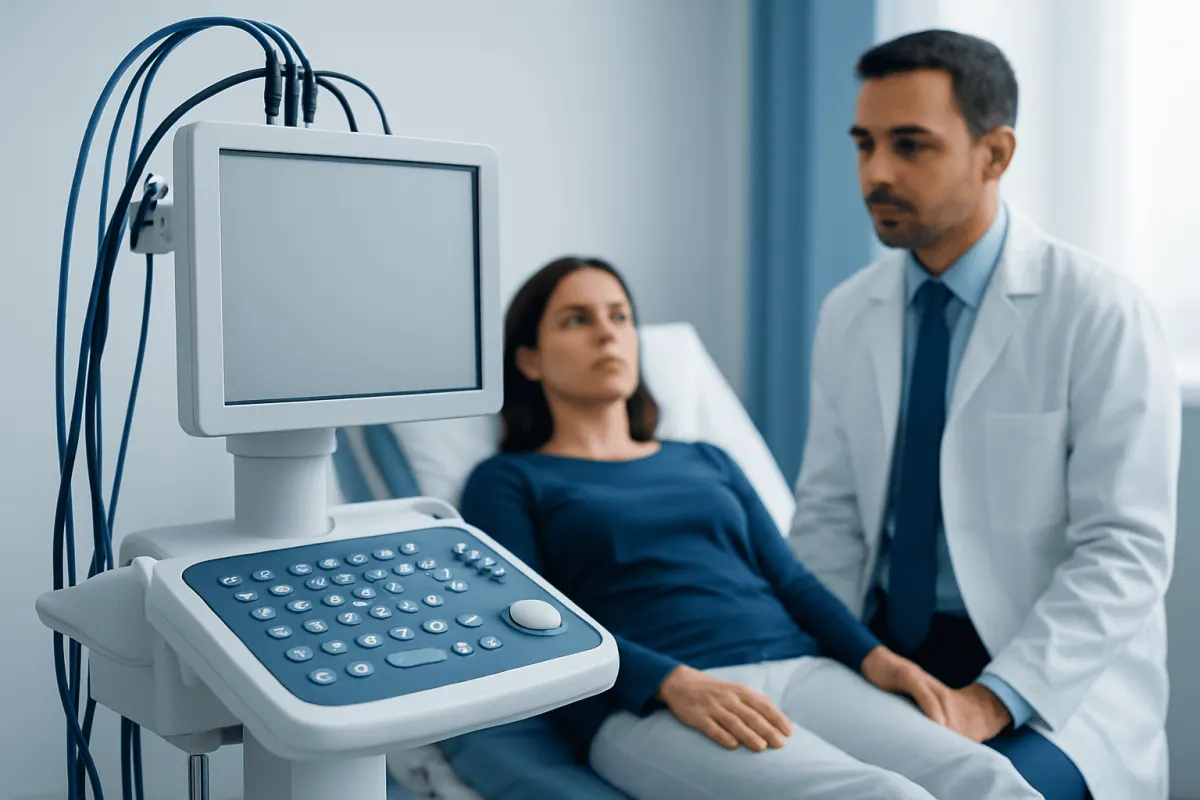
RRMS symptoms vary because inflammation can affect different parts of the brain, spinal cord, and optic nerves. They often develop over hours to days, may improve partly or fully after a relapse, and should be discussed promptly with a neurology team when new or clearly worsening.
Overview: What Do RRMS Symptoms Feel Like?
Relapsing-remitting multiple sclerosis (RRMS) is a form of multiple sclerosis in which neurological symptoms appear or worsen during relapses and then improve during periods of remission. RRMS symptoms can be different from one person to another because MS-related inflammation may involve different pathways in the central nervous system, including the brain, spinal cord, and optic nerves.
Symptoms commonly emerge over hours or days rather than all at once. Some resolve completely after a relapse, while others may improve only partly or leave lingering effects. The pattern can be unpredictable, but careful symptom tracking and regular neurological follow-up can help a person recognize changes and receive appropriate care.
Not every difficult day represents a relapse. Existing symptoms may become more noticeable with heat, fever, infection, exhaustion, or emotional stress. This temporary worsening is often called a pseudo-relapse and usually improves when the trigger is addressed. For broader information about the condition, see multiple sclerosis.
Common RRMS Symptoms
Vision changes are among the more recognizable RRMS symptoms. These may include blurred or reduced vision in one eye, pain with eye movement, dimmed color vision, or double vision. Inflammation of the optic nerve, known as optic neuritis, can cause some of these symptoms and needs timely medical evaluation.
Sensory and movement symptoms are also common. A person may notice numbness, tingling, burning sensations, an electric-shock feeling with neck movement, muscle weakness, stiffness, spasms, clumsiness, or reduced coordination. Symptoms can affect one side of the body, both legs, a hand, or another localized area depending on the affected nerve pathways.
Other possible symptoms include dizziness, imbalance, tremor, fatigue, pain, speech changes, bladder urgency, bowel changes, sexual difficulties, and altered concentration or processing speed. Cognitive and emotional symptoms can occur as well, including difficulties with attention, low mood, or anxiety. These experiences are real and deserve discussion with a clinician, even when they are not outwardly visible.
- New numbness or weakness in an arm, leg, face, or trunk
- Blurred vision, eye pain, double vision, or loss of part of the visual field
- Unsteadiness, vertigo, falls, or coordination difficulties
- Marked fatigue that is out of proportion to usual activity
- Bladder urgency, hesitancy, incomplete emptying, or new bowel problems
Relapse, Pseudo-Relapse, and Day-to-Day Fluctuation

A true MS relapse, also called an exacerbation or flare, generally involves a new neurological symptom or a clear worsening of an old one that lasts at least 24 hours. It usually occurs after at least 30 days of neurological stability and is not explained by fever, infection, or another medical problem. Relapses may last days to weeks and vary greatly in severity.
A pseudo-relapse is a temporary return or worsening of previous symptoms without new inflammation or nerve injury. Fever, urinary or respiratory infections, hot weather, hot showers, strenuous activity, poor sleep, dehydration, and stress can all contribute. Symptoms often settle as body temperature returns to normal or the underlying trigger is treated.
Day-to-day fluctuations can also occur in RRMS. For example, fatigue or walking difficulty may be more noticeable late in the day or after exertion. Keeping notes on timing, duration, associated illness, temperature exposure, sleep, and functional impact can give the neurology team useful information when deciding whether symptoms suggest a relapse.
Common Triggers That Can Worsen Symptoms
Triggers do not cause MS by themselves, and they do not always lead to a relapse. However, they may make existing RRMS symptoms temporarily more prominent. Infection is particularly important because fever can interfere with nerve signaling in areas already affected by MS. A suspected infection, especially urinary symptoms, cough, fever, or persistent sore throat, should be reported to a healthcare professional.
Heat sensitivity is common in MS. Warm weather, hot baths, saunas, exercise, or even a rise in body temperature can briefly increase fatigue, weakness, blurred vision, or balance difficulties. Practical measures such as cooling garments, air conditioning, cool drinks, pacing activity, and avoiding overheating may reduce these effects.
Stress, disrupted sleep, overexertion, and low mood may also make symptoms harder to manage. These factors should not be viewed as a person’s fault. A balanced routine, rest periods, regular gentle physical activity as advised, psychological support, and treatment of sleep or mood concerns can support overall wellbeing and daily function.
How RRMS Symptoms Are Assessed
When symptoms change, clinicians consider the exact symptom, when it began, how long it has lasted, whether it is getting worse, and how it affects everyday activities. They also ask about fever, infection, medication changes, recent illness, heat exposure, and other conditions that may mimic or worsen neurological symptoms.
A neurological examination may check vision, eye movements, strength, reflexes, sensation, walking, coordination, and cognitive function. Magnetic resonance imaging (MRI) can help identify active inflammation or new MS lesions, although treatment decisions are based on the full clinical picture rather than MRI findings alone. Blood and urine tests may be used to look for infection or alternative explanations.
It is helpful to report symptoms in concrete terms. Rather than only saying that a leg feels worse, a person might describe when the change began, whether walking distance has changed, whether there have been falls, and whether rest or cooling helps. This information helps distinguish a relapse from a pseudo-relapse and guides safe next steps.
Treatment and Symptom Management
Management of RRMS has two related aims: treating active relapses when appropriate and reducing future disease activity with long-term disease-modifying treatment. Not every relapse needs the same intervention. Mild symptoms may sometimes be monitored, while symptoms that significantly affect vision, walking, work, self-care, or safety may require more urgent treatment.
Clinicians may use corticosteroids for certain relapses to shorten the time to recovery. They do not reverse all symptoms or cure MS, and they are prescribed after an individual assessment of benefits, risks, infection status, and other health factors. Disease-modifying therapies are selected with a neurologist to lower relapse frequency and reduce new inflammatory activity over time.
Symptom-focused care can be equally important. Rehabilitation may support strength, balance, mobility, fatigue management, and independence. Depending on the symptoms, a care plan may involve physiotherapy, occupational therapy, speech and language therapy, continence support, psychological care, and medication review. A specialist can advise on appropriate multiple sclerosis treatment options and supportive strategies.
Practical Self-Care Between Appointments
Healthy routines cannot replace medical treatment for RRMS, but they can help a person manage symptoms and protect general health. Regular sleep, a balanced diet, suitable hydration, smoking cessation, and physical activity tailored to ability can be valuable. A physiotherapist or rehabilitation professional can help identify exercises that are safe and realistic for an individual’s symptoms.
Managing heat exposure may lessen temporary symptom worsening. Planning demanding tasks for cooler parts of the day, using fans or cooling aids, taking rest breaks, and avoiding very hot environments can be useful. People with fatigue may benefit from pacing: prioritizing essential tasks, breaking activities into smaller steps, and balancing activity with recovery time.
It is also sensible to stay up to date with preventive healthcare and discuss vaccinations, pregnancy planning, new medicines, and infections with the MS team. Before making substantial changes to supplements, diets, or exercise routines, people should seek medical advice, as some approaches may be unsuitable alongside prescribed treatment.
When to Seek Medical Care
A person should contact their neurology team or healthcare professional promptly for new neurological symptoms, a clear worsening of previous symptoms lasting more than 24 hours, or symptoms that interfere with walking, vision, work, self-care, bladder function, or safety. Reporting changes early allows clinicians to check for infection and consider whether the symptoms may represent a relapse.
Urgent medical care is needed for sudden weakness or numbness on one side of the body, new facial drooping, sudden trouble speaking, severe sudden headache, loss of consciousness, chest pain, severe shortness of breath, or symptoms that could indicate stroke or another emergency. These symptoms should not be assumed to be caused by MS.
Acıbadem Health Point’s multidisciplinary specialists and JCI-accredited hospitals diagnose and treat MS for international patients, with care plans tailored to neurological findings and individual needs. Ongoing follow-up remains important, as symptom changes can arise from MS activity, infections, medication effects, or unrelated medical conditions.
Frequently asked questions
01What are the first symptoms of RRMS?
Early RRMS symptoms vary widely. Common examples include numbness or tingling, vision changes, weakness, imbalance, dizziness, unusual fatigue, or bladder urgency. These symptoms can also have causes other than MS, so medical assessment is important.
02How long do RRMS relapse symptoms last?
A relapse typically lasts at least 24 hours and may continue for days or weeks. Recovery can be gradual, and some symptoms may improve completely while others may persist to some degree. A neurologist can assess whether a new symptom pattern is consistent with a relapse.
03Can stress trigger an MS relapse?
Stress can make symptoms such as fatigue, pain, and concentration difficulty feel more pronounced. It may also affect sleep and general wellbeing, which can complicate symptom management. However, stress alone does not explain every change, so new or sustained symptoms should still be reported.
04Can heat make RRMS symptoms worse?
Yes. Heat can temporarily worsen existing MS symptoms because increased body temperature can affect nerve signaling in damaged pathways. This is often reversible with cooling and rest, but persistent or unfamiliar symptoms should be discussed with a healthcare professional.
05How can someone tell if symptoms are a relapse or an infection?
Infection can cause a temporary worsening of prior MS symptoms, especially when fever is present. A clinician may ask about urinary, respiratory, or other infection symptoms and may arrange tests before deciding whether a relapse is occurring. It is best not to self-diagnose, particularly if symptoms are new or functionally limiting.
06When are RRMS symptoms an emergency?
Emergency assessment is needed for sudden symptoms that may suggest stroke or another urgent condition, such as facial drooping, trouble speaking, sudden one-sided weakness, severe sudden headache, fainting, chest pain, or severe breathing difficulty. Even in a person with MS, these symptoms should be treated as potentially unrelated emergencies.
This article is for general information only and is not a substitute for professional medical advice. Please consult a qualified doctor about your individual situation.
Joint and spine care in Turkey — expert assessment & treatment
JCI-accredited · board-certified surgeons · reply within 24h
Add us as a Preferred Source to see more of our trusted health content across Google Search, AI Overviews and Discover.