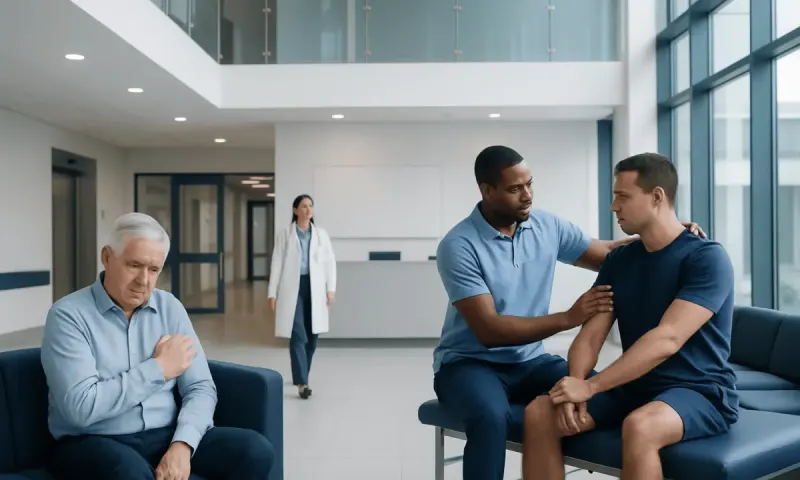
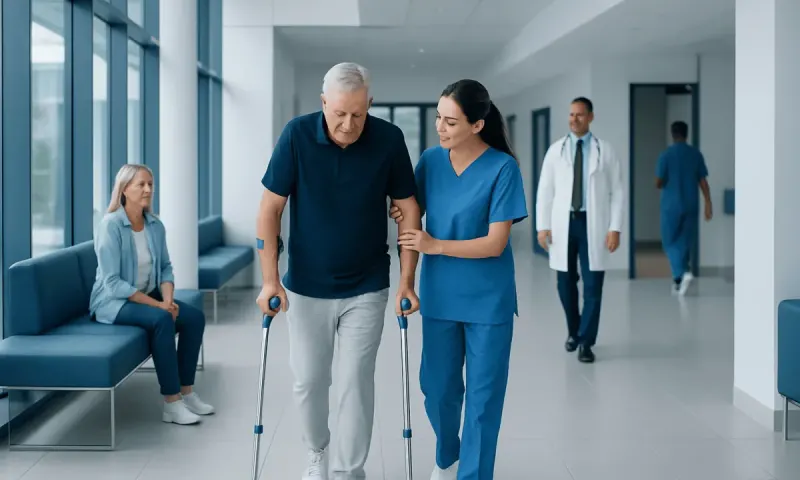
Rotator Cuff Rehabilitation: Shoulder Mobility, Strength, and Healing
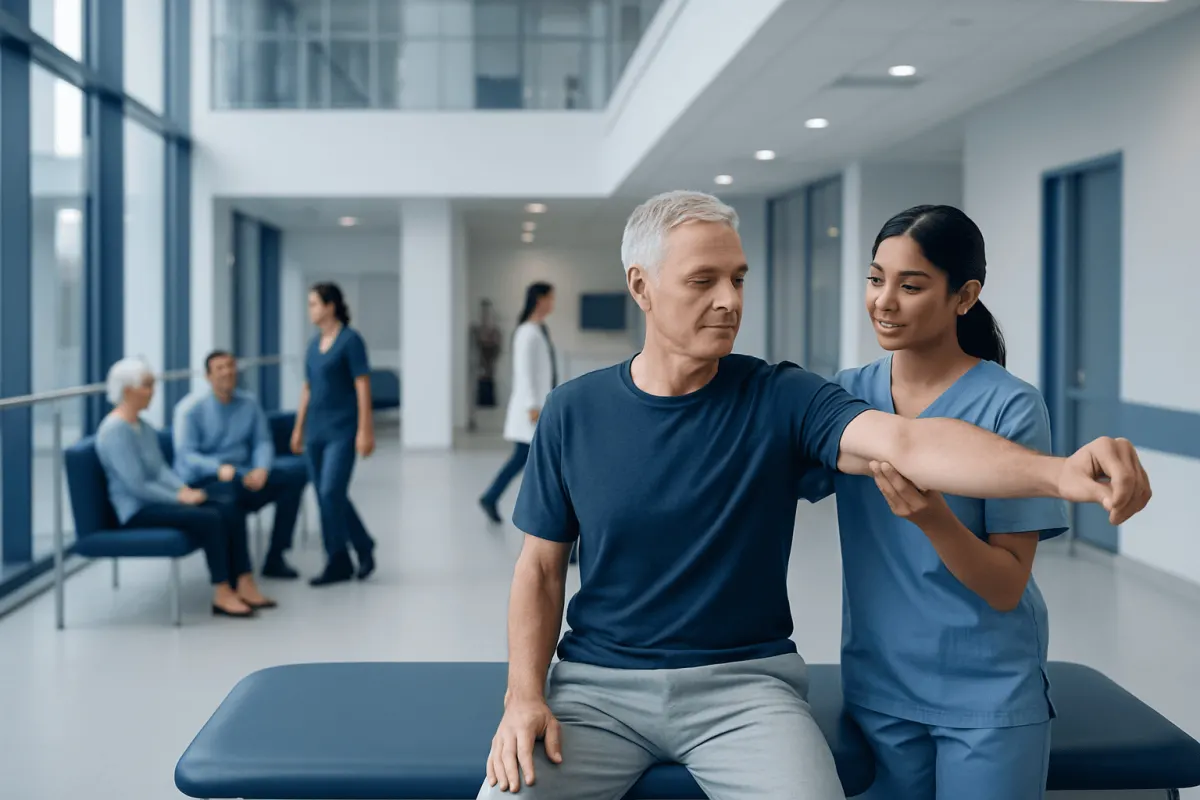
Rotator cuff rehabilitation is a structured recovery process designed to reduce pain, restore shoulder mobility, rebuild strength, and support healing after injury or surgery. A safe program is individualized, gradual, and guided by a qualified healthcare professional.
Overview
The rotator cuff is a group of four muscles and tendons that help stabilize the shoulder joint and allow the arm to lift, rotate, and reach. Because the shoulder is very mobile, the rotator cuff works closely with the shoulder blade, chest, back, and neck muscles to create smooth movement. Rotator cuff rehabilitation focuses on restoring this coordination while protecting irritated or healing tissues.
Rehabilitation may be recommended for tendon irritation, partial tears, shoulder impingement, stiffness, weakness after inactivity, or recovery after rotator cuff repair surgery. The exact plan depends on the diagnosis, the person’s age and activity level, pain pattern, tissue quality, and whether surgery was performed. A well-designed program does not simply strengthen the shoulder; it also addresses posture, shoulder blade movement, flexibility, and safe return to daily tasks or sports.
Recovery is usually gradual. Some people improve with several weeks of supervised exercises and activity modification, while others, especially after surgery or a larger tear, may need several months of progressive rehabilitation. The most important principle is to move forward at a pace that supports healing rather than provoking repeated flare-ups.
Goals and Phases of Rotator Cuff Rehabilitation
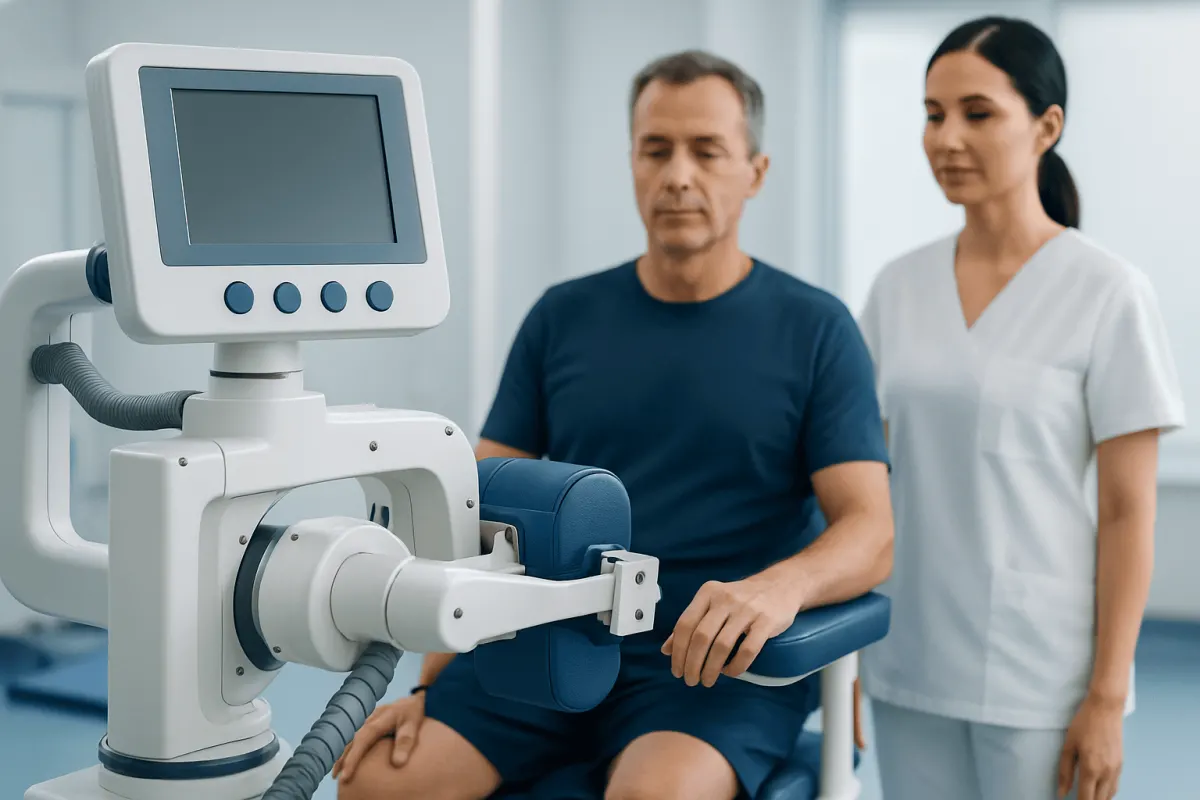
Rotator cuff rehabilitation is commonly organized in phases. These phases are not rigid timelines; they are based on symptoms, healing stage, strength, mobility, and the healthcare team’s instructions. A physiotherapist or rehabilitation physician may adjust the plan when pain, stiffness, surgery precautions, or other medical conditions are present.
Early rehabilitation often aims to reduce pain and swelling, protect injured tissues, and maintain comfortable movement in nearby joints such as the elbow, wrist, hand, neck, and upper back. Gentle shoulder motion may be introduced to prevent stiffness, but the range and type of exercise should match the injury and, after surgery, the surgeon’s protocol.
As symptoms settle, the focus shifts toward restoring shoulder mobility, improving shoulder blade control, and gradually strengthening the rotator cuff and surrounding muscles. Later phases emphasize endurance, lifting mechanics, overhead control, work-specific tasks, and sport-specific movements when appropriate.
- Pain control and protection of healing tissues
- Gentle mobility and prevention of stiffness
- Restoration of shoulder and shoulder blade movement
- Progressive strengthening and endurance
- Safe return to daily activity, work, and recreation
Shoulder Mobility: Regaining Motion Safely

Shoulder mobility exercises are often introduced early, but they should be comfortable and controlled. The goal is to maintain or improve movement without irritating the tendon. Exercises may include pendulum movements, assisted arm elevation using the other hand, table slides, wand-assisted movements, and gentle stretching of the chest or back of the shoulder. The right choice depends on the person’s condition and pain level.
After Physical Therapy: How Treatment Decisions Are Made" class="ahp-ilk">rotator cuff surgery, passive or assisted motion may be used before active lifting. This means the shoulder is moved with help, rather than by the repaired muscle-tendon unit working strongly on its own. This approach helps reduce stiffness while respecting the healing repair. Patients should follow the exact restrictions provided by the surgeon and physiotherapist, including sling use and limits on arm positions.
Mobility work should feel like mild stretching or controlled effort, not sharp pain. Forcing the shoulder through painful range can increase inflammation and slow progress. A useful rule is that discomfort should settle soon after exercise and not cause a significant increase in night pain or next-day symptoms. If pain persists or movement becomes more limited, the plan should be reviewed by a clinician.
Strengthening: Building Stability and Function
Strengthening is a key part of rotator cuff recovery, but it must be introduced at the right time. The rotator cuff muscles are relatively small, and they function best when trained with good technique and gradual resistance. Early strengthening may begin with isometric exercises, where the muscle activates without visible joint movement. These can help maintain muscle activity while limiting stress on irritated tissues.
As the shoulder tolerates more activity, exercises may progress to resistance bands, light weights, and controlled movements such as external rotation, internal rotation, rows, and scaption. Shoulder blade strengthening is also important because the scapula provides a stable base for arm movement. Exercises for the lower trapezius, middle trapezius, and serratus anterior can improve mechanics and reduce unnecessary strain on the rotator cuff.
Good quality of movement is more important than heavy resistance. Shrugging, arching the back, holding the breath, or pushing through sharp pain may indicate that the exercise is too difficult or not yet appropriate. Progression usually involves increasing repetitions, resistance, range, or task complexity one step at a time.
- Start with low-load activation when appropriate
- Train shoulder blade control together with rotator cuff strength
- Use slow, controlled movements rather than momentum
- Progress resistance gradually and monitor symptoms
- Include endurance training for repetitive work or sports demands
Pain Control, Healing, and Daily Activity
Pain management is an important part of rehabilitation because pain can limit sleep, movement, and muscle activation. Common non-surgical strategies may include temporary activity modification, cold or heat as advised, gentle movement, posture changes, and appropriate use of pain-relieving medicines if recommended by a doctor. Some patients may also benefit from anti-inflammatory treatment or injections, but these decisions require individual medical assessment.
Daily habits can either support or irritate the shoulder. Reaching repeatedly overhead, lifting away from the body, sudden pulling, or sleeping directly on the painful shoulder may worsen symptoms. During recovery, it may help to keep commonly used items at waist to chest height, use both hands for heavier tasks, and take breaks from repetitive movements. Sleep may be more comfortable with the arm supported by a pillow, especially after injury or surgery.
Healing depends on many factors, including the size and type of injury, blood supply, age, general health, smoking status, diabetes control, and adherence to rehabilitation guidance. Nutrition, adequate sleep, and avoiding unnecessary overload all contribute to recovery. Rehabilitation should be seen as a progressive healing program, not only a list of exercises.
Rehabilitation After Rotator Cuff Surgery
After rotator cuff repair surgery, rehabilitation is carefully staged to protect the tendon as it heals back to bone. The early period often includes a sling and restrictions on active shoulder movement. Patients are usually taught how to dress, bathe, sleep, and perform safe hand, wrist, and elbow movements without stressing the repair. These details are important and should be followed exactly as instructed.
The transition from protected motion to active movement and strengthening is gradual. Even when pain improves quickly, the tendon still needs time to heal. Returning to lifting, pushing, pulling, or overhead activity too early may place unnecessary stress on the repair. The rehabilitation team monitors range of motion, pain response, strength, and functional milestones before advancing the program.
Every surgical case is different. A small tear repaired in a healthy tendon may have a different protocol than a large or complex tear. For this reason, patients should not compare their progress directly with others or copy advanced exercises found online without approval. Communication between the surgeon, physiotherapist, and patient helps keep rehabilitation safe and effective.
Prevention, Self-Care, and When to See a Doctor
Preventing rotator cuff problems involves maintaining shoulder mobility, strength, and balanced movement patterns. People who perform overhead work, repetitive lifting, racket sports, swimming, or weight training may benefit from regular shoulder blade and rotator cuff conditioning. Warming up before activity, increasing training loads gradually, and avoiding sudden spikes in volume can reduce the risk of irritation.
Self-care should be sensible and symptom-guided. Mild soreness after exercise can occur, but sharp pain, increasing weakness, loss of range of motion, or pain that disrupts sleep should not be ignored. A person should seek medical evaluation after a fall or sudden injury, if they cannot lift the arm, if pain persists despite rest and gentle care, or if symptoms interfere with work, sport, or daily life.
A qualified doctor, physiotherapist, or orthopedic specialist can confirm the diagnosis and recommend an individualized treatment plan. Acıbadem Health Point’s multidisciplinary specialists and JCI-accredited hospitals provide diagnosis and treatment for shoulder conditions, including rotator cuff injuries, for international patients. Timely guidance can help patients recover safely and return to meaningful activities with confidence.
Frequently asked questions
01How long does rotator cuff rehabilitation take?
Recovery time varies depending on the type of injury, severity of the tear, whether surgery was performed, and the person’s overall health. Mild tendon irritation may improve in weeks, while recovery after surgical repair often takes several months. A clinician can provide a more accurate timeline based on examination and progress.
02Should rotator cuff exercises be painful?
Exercises may cause mild effort or stretching discomfort, but they should not create sharp pain or a major increase in symptoms. Pain that lasts into the next day, worsens at night, or reduces movement may mean the exercise is too advanced. The rehabilitation plan should be adjusted by a healthcare professional.
03Can a rotator cuff tear heal without surgery?
Some partial tears and many cases of tendon irritation can improve with rehabilitation, activity modification, and appropriate medical care. Full-thickness or larger tears may not heal structurally on their own, but symptoms and function can still improve in some people. The best approach depends on tear size, symptoms, age, activity needs, and medical assessment.
04When can strengthening begin after rotator cuff surgery?
Strengthening begins only when the surgeon and rehabilitation team consider the repair ready for increased load. Early phases usually focus on protection and gentle mobility before active strengthening is introduced. Starting strengthening too soon can place stress on healing tissues, so the surgical protocol should be followed closely.
05What activities should be avoided during recovery?
Activities that commonly aggravate symptoms include heavy lifting, sudden pulling, repetitive overhead reaching, and sleeping directly on the painful shoulder. After surgery, specific restrictions may include avoiding active lifting or certain arm positions for a defined period. Patients should follow individualized instructions from their doctor or physiotherapist.
06Is physical therapy necessary for rotator cuff rehabilitation?
Many people benefit from physical therapy because it provides assessment, exercise progression, technique correction, and guidance on safe activity. A home exercise program may be part of treatment, but it should be based on a professional evaluation when symptoms are persistent or significant. Supervised rehabilitation is especially important after surgery or when weakness and stiffness are present.
This article is for general information only and is not a substitute for professional medical advice. Please consult a qualified doctor about your individual situation.
Joint and spine care in Turkey — expert assessment & treatment
JCI-accredited · board-certified surgeons · reply within 24h
Add us as a Preferred Source to see more of our trusted health content across Google Search, AI Overviews and Discover.