How the Four Rotator Cuff Muscles Stabilize the Shoulder

Reaching for a jacket, fastening a seat belt, lifting a plate onto a high shelf — when your shoulder hurts, you notice how often you use it. Sometimes the ache only shows up at night, when you roll onto that side.
Behind most of these complaints sits the rotator cuff: a group of four shoulder muscles and their tendons that keep the upper arm centered in the shoulder joint while helping the arm lift and rotate. Knowing how they work can help you recognize the common causes of shoulder pain, seek care in good time, and support your own recovery.
Overview: what the rotator cuff muscles do
Four muscles, together with their tendons, stabilize the shoulder and control how the arm moves. They keep the top of the upper arm bone centered in the shallow shoulder socket while a person lifts, rotates, reaches, and carries. Put simply, they are the shoulder’s fine-control and stability system.
The four muscles are the supraspinatus, infraspinatus, teres minor, and subscapularis. Each has a slightly different role, but they act as a coordinated unit. Instead of producing only large, forceful movement, they help the shoulder move smoothly and safely through a wide range of motion.
The shoulder is the body’s most mobile major joint, and that comes at a price. That mobility allows everyday activities such as dressing, combing hair, reaching a shelf, or fastening a seat belt. At the same time, the shoulder depends heavily on muscles and tendons for support, which makes the rotator cuff vulnerable to overuse, age-related wear, and injury.
The four rotator cuff muscles and how they work together
Each rotator cuff muscle begins on the shoulder blade and attaches to the upper arm bone through a tendon. The supraspinatus helps start arm lifting, especially out to the side. The infraspinatus and teres minor help rotate the arm outward. The subscapularis rotates the arm inward and contributes to front-of-shoulder stability.
These muscles do more than move the arm in separate directions. During almost any shoulder motion, they gently pull the upper arm bone into the socket so larger muscles, such as the deltoid, can work efficiently. Without that centering action, the shoulder may feel weak, painful, or unstable.
The rotator cuff also works closely with the shoulder blade muscles, upper back, and core. So shoulder pain rarely comes down to one tendon alone. Posture, repetitive overhead activity, muscle imbalance, and nearby problems can all affect how the rotator cuff functions.
In some patients, shoulder pain may overlap with other conditions such as shoulder impingement syndrome or frozen shoulder. A careful assessment helps identify whether the main issue is inflammation, tendon degeneration, stiffness, a tear, or a combination of these.
Common rotator cuff problems and symptoms

Rotator cuff problems range from mild irritation to complete tendon tears. Common conditions include strain from overuse, tendinitis, bursitis, impingement, and partial or full-thickness tears. Some develop suddenly after a fall or lifting injury, while others appear gradually over time.
Symptoms often begin with shoulder pain felt on the outer or front part of the shoulder. The pain may worsen when reaching overhead, putting on clothing, lifting objects, or lying on the affected side at night. Many patients describe a painful arc of movement or a deep ache that limits sleep and routine tasks.
Weakness is another important symptom. A person may find it harder to lift the arm, lower it slowly, reach behind the back, or rotate the arm outward. In more significant tears, the shoulder can feel surprisingly weak even if pain is not severe.
- Pain with overhead movement
- Night pain or discomfort when lying on one side
- Shoulder weakness or fatigue
- Clicking or catching with movement
- Reduced range of motion
- Difficulty lifting, reaching, dressing, or grooming
Causes and risk factors
Rotator cuff conditions usually result from one of two broad patterns: acute injury or gradual wear. Acute injury may happen after a fall on an outstretched arm, a sudden pull, or lifting something heavy. In these cases, symptoms can start immediately and may include sudden weakness.
More often, the tendons become irritated or weakened over time. Repetitive overhead motions in sports or work can increase stress on the tendons. Jobs involving painting, construction, cleaning, warehouse lifting, or repeated reaching may contribute, as can sports such as tennis, swimming, volleyball, or baseball.
Age is also an important factor. As tendons age, blood supply and tissue quality may decline, making degeneration and tearing more likely. Poor posture, shoulder blade dysfunction, muscle imbalance, smoking, and some metabolic conditions may further affect tendon health and healing.
Pain does not always mean a tear, and a tear does not always mean severe pain. Some people have gradual degeneration without realizing it until they notice weakness or reduced function. That is why symptoms that stick around are worth having checked, rather than guessing at home.
How doctors diagnose rotator cuff problems
Diagnosis starts with a medical history and physical examination. A doctor asks when symptoms began, whether there was an injury, which movements trigger pain, and how much function has changed. During the exam, the shoulder’s range of motion, strength, tenderness, and stability are assessed.
Certain exam maneuvers can suggest which tendon is involved, but they are only one part of the picture. The doctor also considers other possible causes of shoulder pain, including arthritis, stiffness, neck-related pain, and inflammation around the joint.
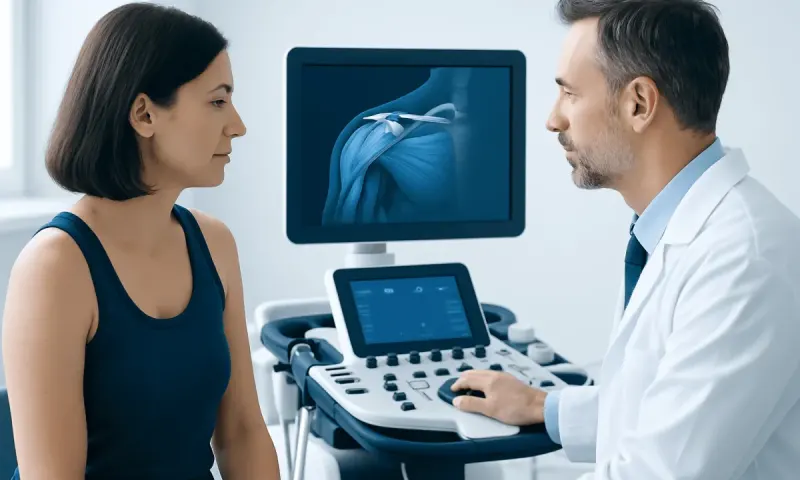
Imaging may be recommended when symptoms are persistent, significant weakness is present, or a tear is suspected. X-rays can show bone changes and help rule out other causes. Ultrasound or MRI can evaluate soft tissues such as the rotator cuff tendons and help identify inflammation, partial tears, or full tears.
If needed, patients may be referred to specialists in orthopedics or physical therapy and rehabilitation. A tailored treatment plan depends on the patient’s age, activity level, symptom severity, imaging findings, and personal goals.
Treatment options: from conservative care to surgery
Many rotator cuff problems improve without surgery. Initial care often includes reducing activities that worsen symptoms, especially repetitive overhead use, while trying to maintain gentle shoulder movement. Short-term pain relief may involve ice or heat and, when appropriate, medications recommended by a doctor.
Physical therapy is a central part of treatment for many patients. Therapy focuses on restoring range of motion, improving shoulder blade control, and strengthening the rotator cuff and nearby muscles. This can reduce pain and improve function even when imaging shows a small or partial tear.
Some patients may benefit from injections to reduce inflammation and pain, particularly if discomfort is limiting rehabilitation. These decisions should be individualized, since repeated injections may not be appropriate in every case. If symptoms continue despite structured conservative treatment, surgery may be considered.
Surgical treatment is more likely to be discussed for acute tears in active patients, full-thickness tears with weakness, or persistent symptoms that interfere with daily life. Depending on the problem, care may involve shoulder surgery or, in selected situations, arthroscopic surgery. Acıbadem Health Point’s multidisciplinary specialists in JCI-accredited hospitals diagnose and treat shoulder conditions for international patients.
Self-care, recovery, and protecting shoulder function
Self-care should support healing without causing further strain. Patients are usually advised to avoid movements that sharply increase pain, especially repeated overhead lifting or sudden jerking motions. At the same time, complete rest for long periods may lead to stiffness, so a balanced plan is important.
With shoulders, steady beats fast. Following prescribed exercises, improving posture, and gradually returning to activity can make a meaningful difference. Many patients benefit from learning how to move the shoulder blade, trunk, and arm together more efficiently.
Prevention focuses on reducing repeated overload and maintaining shoulder strength and flexibility. Warm-up before sports, vary repetitive tasks when possible, and address poor workstation or lifting mechanics. For people with recurring symptoms, guided exercise and early attention to mild pain may help prevent progression.
After surgery, rehabilitation is especially important. Healing timelines vary based on the tendon involved, the size of a tear, and the procedure performed. Patients should follow their surgeon’s and therapist’s instructions carefully, as doing too much too soon can interfere with repair.
When to seek medical care
Medical assessment is important if shoulder pain lasts more than a few weeks, returns frequently, or limits sleep, work, or daily activities. Patients should also seek care if they notice clear weakness, loss of motion, or difficulty lifting the arm after an injury.
Urgent evaluation is advisable after a fall or sudden strain if the shoulder cannot be used normally, if there is marked swelling or deformity, or if severe pain begins suddenly. Numbness, tingling, fever, or pain spreading from the neck may point to a different or additional problem and should also be assessed.
Early diagnosis can help distinguish among tendon irritation, impingement, stiffness, and tearing. It matters, because the right treatment path can look quite different from one person to the next. A qualified doctor can recommend the safest next steps based on symptoms, examination, and imaging when needed.
Frequently asked questions
01What are the rotator cuff muscles?
The rotator cuff muscles are the supraspinatus, infraspinatus, teres minor, and subscapularis. Together, they stabilize the shoulder joint and help the arm lift and rotate smoothly.
02Can rotator cuff pain go away without surgery?
Yes, many rotator cuff problems improve with nonsurgical care such as activity modification, physical therapy, and doctor-guided pain management. Surgery is usually considered when symptoms persist, weakness is significant, or a larger tear is present.
03How do patients know if they have a rotator cuff tear or just inflammation?
Both conditions can cause pain, especially with overhead movement and at night. A tear is more likely when there is notable weakness, trouble lifting the arm, or symptoms after an injury, but an examination and sometimes imaging are needed to confirm the cause.
04Why does rotator cuff pain often feel worse at night?
Night pain is common because lying on the affected shoulder can increase pressure on irritated tissues. Inflammation and certain sleeping positions may also make discomfort more noticeable when the arm is not moving.
05Are rotator cuff problems only caused by sports injuries?
No. Sports can contribute, especially those involving repeated overhead movement, but many rotator cuff problems develop gradually from age-related wear, repetitive work, posture issues, or everyday strain.
06How long does recovery take for a rotator cuff problem?
Recovery time varies widely depending on whether the issue is a mild strain, tendinitis, or a tendon tear. Some patients improve over weeks with therapy, while recovery after surgery usually takes several months and includes structured rehabilitation.
This article is for general information only and is not a substitute for professional medical advice. Please consult a qualified doctor about your individual situation.
Hair transplant in Turkey — costs, graft counts & a free assessment
JCI-accredited · board-certified surgeons · reply within 24h
Add us as a Preferred Source to see more of our trusted health content across Google Search, AI Overviews and Discover.