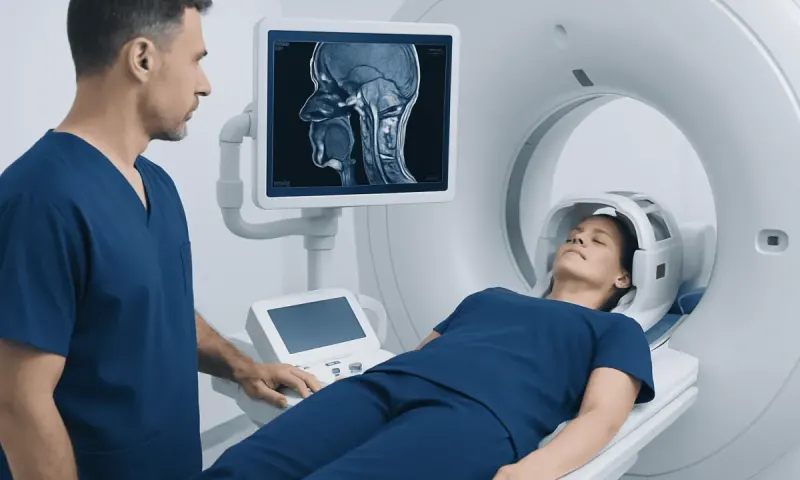
Robotic Hysterectomy Recovery: Week-by-Week Healing
Robotic hysterectomy recovery is often faster than recovery after open abdominal surgery, but healing still takes time. Most people can walk soon after surgery and resume many usual activities within a few weeks, while internal healing and pelvic recovery continue for longer.
Robotic Hysterectomy Recovery: What to Expect
Robotic hysterectomy recovery usually involves an early period of soreness, tiredness and reduced activity followed by steady improvement over the next several weeks. Because the operation is performed through small abdominal incisions, many people recover more quickly than after an open abdominal hysterectomy. However, the uterus is still removed through a major pelvic operation, so internal healing continues after a person starts to feel more comfortable.
A hysterectomy removes the uterus. Depending on the reason for surgery and the planned operation, the cervix, fallopian tubes and ovaries may also be removed. Recovery varies according to the extent of surgery, whether other procedures were done at the same time, a person’s general health and whether complications occur.
Before discharge, the surgical team provides a personalized aftercare plan. This should guide pain relief, wound care, activity, diet, bowel habits, return to work and follow-up. It is important not to compare recovery too closely with someone else’s, as a safe pace is individual.
How Robotic Hysterectomy Works and Who May Be a Candidate
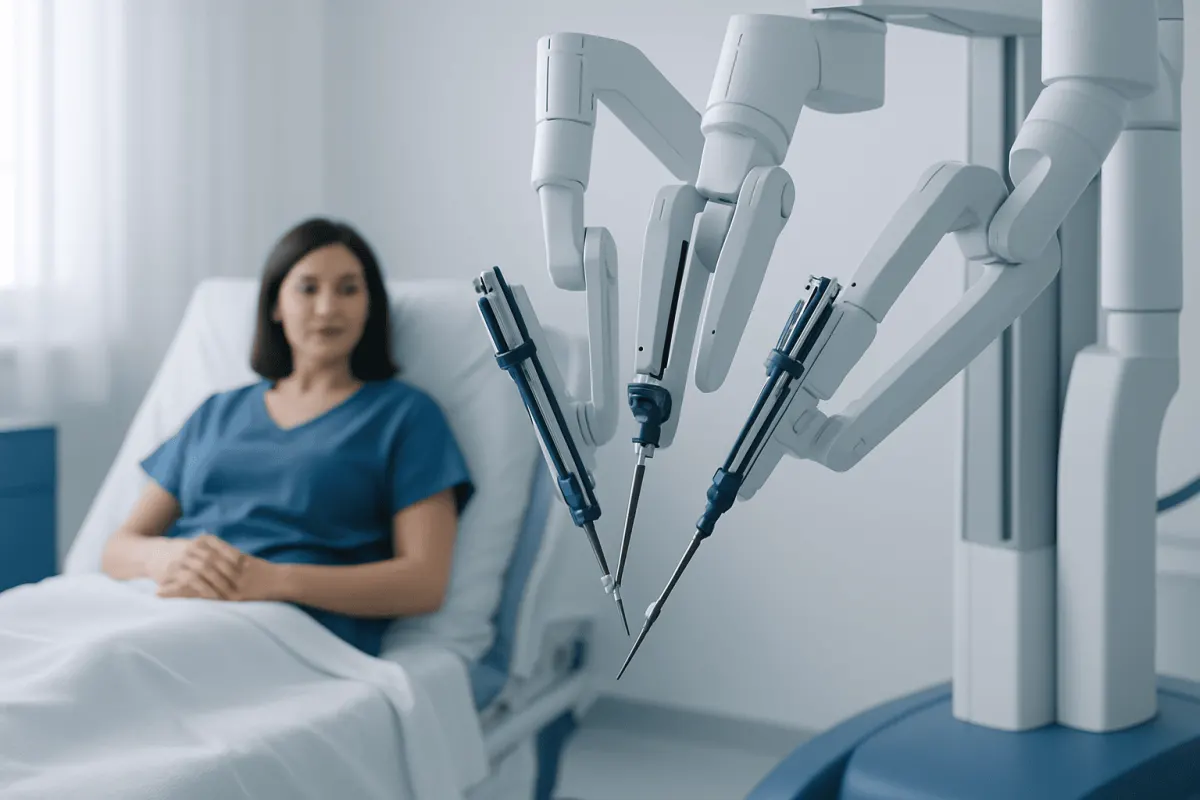
Robotic hysterectomy is a minimally invasive surgical approach. The surgeon sits at a console and controls small instruments attached to robotic arms. A high-definition camera provides a magnified view of the pelvic organs, while the surgeon directs each movement; the robotic system does not perform surgery independently.
This approach may be considered for conditions such as fibroids, heavy menstrual bleeding that has not improved with other treatment, endometriosis, pelvic organ prolapse, chronic pelvic pain in selected circumstances, or some gynecological cancers. The best approach depends on the diagnosis, uterine size, prior abdominal surgery, suspected scar tissue, body anatomy and overall health. For example, treatment planning for uterine fibroids may include observation, medication, uterus-preserving procedures or hysterectomy depending on symptoms and goals.
Not every person is a suitable candidate for robotic surgery. Extensive adhesions, very large pelvic masses, certain cancer-related concerns or medical conditions may make another approach safer. A gynecologist or gynecologic surgeon reviews imaging, medical history, medications, previous surgeries and personal preferences before recommending a surgical plan.
What Happens During the Procedure

Robotic hysterectomy is performed under general anesthesia, so the patient is asleep throughout the operation. After the abdomen is prepared, the surgeon makes several small incisions, usually across the abdomen. Carbon dioxide gas is used temporarily to create working space, and a camera and surgical instruments are inserted through the small openings.
The surgeon carefully separates the uterus from surrounding structures, including the bladder and supporting tissues, while protecting the ureters and bowel. The uterus is then removed through the vagina or, in selected cases, through a small abdominal incision. If the cervix is removed, the top of the vagina is closed with dissolvable sutures; this area is called the vaginal cuff.
After the operation, patients recover from anesthesia while staff monitor pain, nausea, breathing, circulation and urination. Some people go home the same day or after an overnight stay, while others need longer observation. People considering this approach can discuss robotic hysterectomy treatment with a qualified surgical team, including what the procedure may involve in their individual case.
Recovery Timeline: From the First Day to Full Activity
During the first 24 to 72 hours, abdominal tenderness, shoulder-tip discomfort from the surgical gas, fatigue, nausea and light vaginal spotting can occur. Walking short distances as advised helps circulation, lung function and bowel movement. Pain medicine should be taken only as directed, and drinking fluids and eating light meals may help as appetite returns.
In the first one to two weeks, people often notice improving mobility but may still tire easily. Small incision sites may feel bruised, itchy or mildly sore. Gentle walking is generally encouraged, but heavy lifting, strenuous exercise, swimming and vaginal intercourse are usually restricted until the surgeon confirms that healing is adequate.
Between weeks two and six, many people gradually resume work and routine activities, particularly if their work is not physically demanding. Those with physically active jobs may require more time. Follow-up visits allow the surgeon to assess incisions, review pathology if relevant and determine when activities such as driving, exercise and sex can safely restart.
Full internal recovery may take six to eight weeks or longer. If ovaries were removed before natural menopause, menopause symptoms can begin soon after surgery. If the ovaries remain, hormone production usually continues, although periods stop because the uterus has been removed.
Common Recovery Questions
How long should you rest after a robotic hysterectomy? Rest is most important during the first several days, but complete bed rest is not usually recommended unless the surgeon specifically advises it. Short, frequent walks and gentle daily movement are commonly encouraged while the person avoids strenuous tasks. Most people need at least two weeks away from demanding commitments, and restrictions on lifting and intense exercise commonly last four to six weeks.
What is the hardest part of hysterectomy recovery? The hardest part differs from person to person. Fatigue can be unexpectedly persistent, and people may find it difficult to accept limits when the small external incisions appear to heal quickly. Constipation, sleep disruption, temporary emotional changes, discomfort with movement and waiting for clearance to resume normal activities can also be challenging. Planning practical help at home and pacing activity can make the early weeks more manageable.
How long will the stomach be swollen after a robotic hysterectomy? Mild abdominal bloating or swelling is common in the first days and may improve gradually over one to several weeks. It can result from surgical gas, fluid shifts, slowed bowel activity, inflammation and reduced movement. Increasing rather than improving swelling, a hard or very painful abdomen, repeated vomiting or inability to pass stool or gas should be reported promptly.
How long does it take for internal stitches to heal after a robotic hysterectomy? Dissolvable internal stitches support healing for several weeks, and the vaginal cuff requires particular protection when the cervix has been removed. Many surgeons advise avoiding vaginal intercourse, tampons and insertion into the vagina for about six weeks, sometimes longer, until a follow-up examination confirms healing. External skin incisions may look healed sooner, but they do not indicate that deep tissues are fully healed.
Benefits, Risks and Practical Self-Care
Compared with open surgery, robotic hysterectomy may offer smaller incisions, less blood loss in some cases, a shorter hospital stay and earlier return to daily activities. These potential benefits are not the same for every patient, and the most appropriate surgical method is the one that safely addresses the underlying condition.
Possible risks include bleeding, infection, blood clots, anesthesia-related problems, injury to the bladder, bowel, blood vessels or ureters, urinary difficulties, wound problems and the need to convert to open surgery. Rarely, a vaginal cuff may not heal as expected. A surgeon explains the risks relevant to the planned procedure and the person’s medical history before obtaining consent.
At home, patients can support recovery by taking prescribed medicines safely, walking gently, drinking enough fluids and choosing fiber-containing foods if appropriate. A stool softener or other bowel treatment may be recommended because anesthesia, pain medicines and lower activity can cause constipation. Incisions should be kept clean and dry according to the surgical team’s instructions.
- Do not lift heavy objects or do strenuous abdominal exercise until cleared.
- Avoid driving while taking sedating pain medicine or until braking and twisting can be done comfortably.
- Use pads rather than tampons for any spotting until the surgeon says vaginal use is safe.
- Attend follow-up appointments even if recovery seems to be progressing well.
When to Seek Medical Care
Patients should contact their surgical team for symptoms that are new, worsening or concerning. Prompt medical advice is important for fever, chills, increasing abdominal or pelvic pain, worsening redness or drainage from an incision, painful urination, persistent vomiting, foul-smelling vaginal discharge, heavy vaginal bleeding or passing large clots.
Urgent assessment is needed for chest pain, shortness of breath, fainting, coughing up blood, severe weakness, one-sided leg swelling or pain, or severe abdominal swelling and pain. These symptoms can have several causes and should not be managed at home without professional guidance.
Emotional recovery also matters. Relief, sadness, anxiety or changes in body image can occur after hysterectomy, especially when fertility ends or ovarian removal triggers menopause. Speaking with the care team, a mental health professional or a trusted support person can be helpful. Acıbadem Health Point’s multidisciplinary specialists and JCI-accredited hospitals provide assessment and treatment planning for international patients needing gynecological surgery.
Frequently asked questions
01Can a person walk after a robotic hysterectomy?
Yes, short and gentle walks are commonly encouraged soon after surgery, often on the day of surgery or the next day if medically appropriate. Walking supports circulation, breathing and bowel function, but activity should increase gradually and follow the surgeon’s instructions.
02When can someone return to work after robotic hysterectomy?
Return-to-work timing depends on the surgery, recovery progress and job demands. Some people with desk-based work may return within two to four weeks, while physically demanding work often requires more recovery time. The surgeon should provide individualized clearance.
03Is light bleeding normal after robotic hysterectomy?
Light spotting or a small amount of vaginal discharge can occur during early healing, particularly when the cervix has been removed. Heavy bleeding, large clots, foul-smelling discharge or bleeding that increases should be reported to the surgical team.
04Why is constipation common after robotic hysterectomy?
Anesthesia, reduced movement, pain medication, dietary changes and the effects of pelvic surgery can temporarily slow the bowel. Fluids, gentle walking, fiber when tolerated and medicines recommended by the clinical team can help. Severe pain, vomiting or inability to pass stool or gas requires medical advice.
05When is it safe to have sex after a robotic hysterectomy?
Vaginal intercourse is usually postponed until the vaginal cuff and internal tissues have healed, often for about six weeks or longer. The exact timing depends on the operation and follow-up examination. Patients should wait for their surgeon’s specific clearance.
06Will robotic hysterectomy cause menopause?
Removing the uterus stops menstrual periods, but it does not automatically cause menopause if the ovaries are left in place. If both ovaries are removed before natural menopause, menopausal symptoms may begin after surgery. The surgeon can explain whether ovary removal is planned and discuss symptom management.
This article is for general information only and is not a substitute for professional medical advice. Please consult a qualified doctor about your individual situation.
Persistent digestive symptoms? Get evaluated in Turkey
JCI-accredited · board-certified surgeons · reply within 24h
Add us as a Preferred Source to see more of our trusted health content across Google Search, AI Overviews and Discover.