Robotic Hip Replacement: Procedure, Benefits, Risks and Recovery

Key Takeaways
- Robotic hip replacement is not fully autonomous; the surgeon remains in control throughout the operation.
- The main goal is accurate implant planning and positioning based on each patient’s anatomy.
- Benefits may include more personalized surgical planning and potentially better alignment in selected cases.
- Risks still include infection, blood clots, dislocation, nerve injury, and anesthesia-related complications.
- Recovery usually involves walking support, physiotherapy, and gradual return to daily activities.
- Not every person with hip arthritis is a candidate for robotic assistance, so evaluation matters.
Robotic hip replacement is a surgeon-guided joint replacement approach that uses advanced imaging and robotic assistance to help plan and perform hip implant placement. It may improve precision in selected patients, but it is still major surgery with benefits, limits, and a recovery period that should be discussed with an orthopedic specialist.
Overview
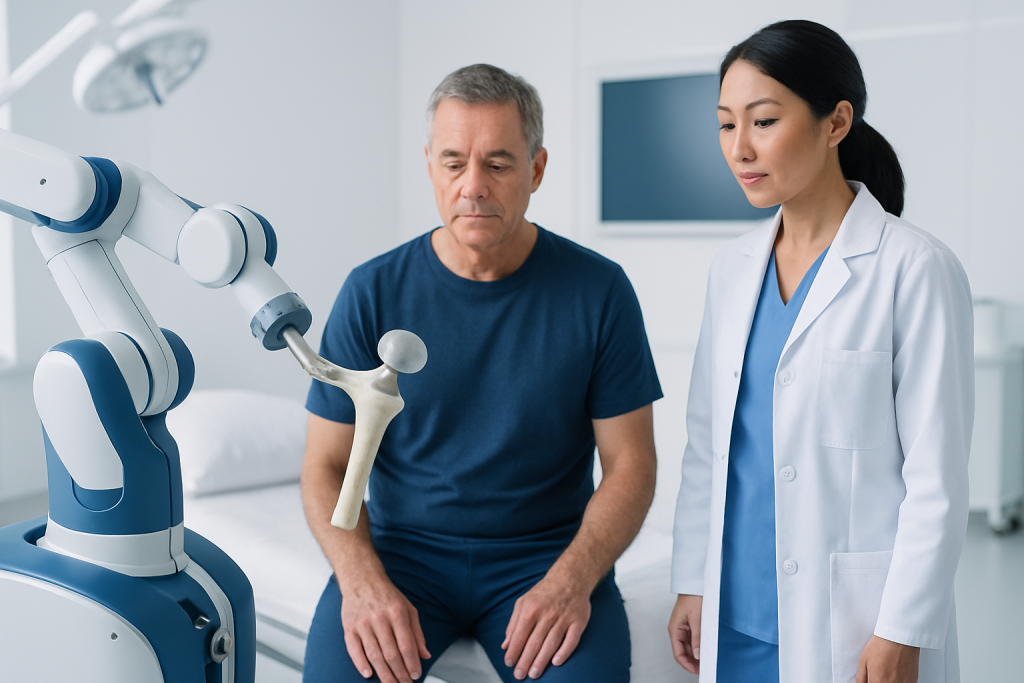
Robotic hip replacement is a form of hip replacement surgery in which the surgeon uses a robotic system as a planning and guidance tool. The robot does not perform the operation on its own; instead, it helps the surgeon map the hip joint, choose implant size and position, and make bone cuts with greater precision in selected cases.
For many people, the reason to consider this approach is simple: they want relief from pain and stiffness while also wanting a treatment plan tailored closely to their anatomy. That can matter if arthritis, joint damage, or deformity has changed the shape of the hip and made movement difficult. The operation is usually discussed when non-surgical treatments are no longer helping enough.
People traveling for care often want to know whether the “robotic” part changes the basics of recovery. The short answer is that the recovery still involves healing from major orthopedic surgery, physiotherapy, and follow-up. The technology may support the surgeon’s decisions, but it does not remove the need for rehabilitation or make the operation risk-free.
Symptoms and When Hip Replacement Is Considered
The symptoms that lead someone to discuss hip replacement are often familiar long before surgery is considered. Pain may be felt in the groin, thigh, buttock, or outer hip, and it may appear during walking, getting up from a chair, climbing stairs, or even resting. Stiffness, a reduced range of motion, and limping are also common.
Some people notice that the hip problem starts to affect everyday planning. Long walks become shorter, sleep is interrupted by discomfort, and simple tasks such as putting on socks or shoes become frustrating. When these changes persist despite medication, injections, physical therapy, or lifestyle adjustments, an orthopedic surgeon may begin discussing replacement options.
Robotic assistance is not chosen because the symptoms are different; it is chosen because the surgeon believes advanced planning and guidance may be useful for that specific joint anatomy. Candidates are evaluated individually, with attention to the severity of arthritis, overall health, bone quality, and previous surgery on the hip.
Causes and Risk Factors
Most robotic hip replacement procedures are performed for the same underlying reasons as conventional hip replacement. Osteoarthritis is the most common cause, as the joint cartilage gradually wears away and the bones begin to rub painfully. Other causes may include rheumatoid arthritis, hip dysplasia, avascular necrosis, fractures, or joint damage after previous injury.
Several factors can increase the chance of needing hip replacement later in life. These include older age, a family history of joint disease, excess body weight, previous hip injury, and certain structural differences in the hip that create uneven wear. Some people also have inflammatory conditions that damage the joint over time.
Not every patient with hip pain needs surgery, and not every patient who needs surgery benefits equally from a robotic approach. The decision depends on how much the joint is damaged, how symptoms affect daily life, and whether a robotic system can add meaningful planning support. A detailed examination and imaging studies help determine that.
How the Diagnosis and Surgical Planning Work
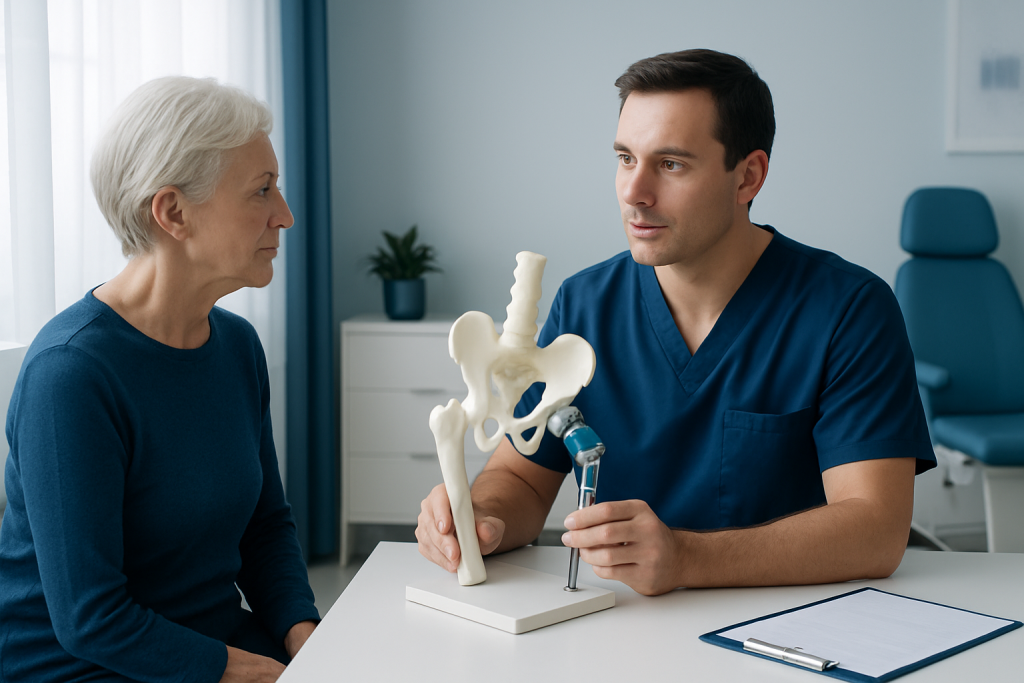
Diagnosis begins with a careful history and physical examination. The orthopedic team asks about pain patterns, walking ability, stiffness, previous treatments, and how the condition affects work, travel, sleep, and basic self-care. They also assess leg length, hip movement, gait, and signs of arthritis or structural deformity.
Imaging is central to planning. X-rays usually show the degree of joint wear and help confirm whether the hip joint is a good candidate for replacement. In robotic hip replacement, CT-based planning or other detailed imaging may be used to build a 3D view of the hip so the surgeon can study bone shape, implant position, and alignment before entering the operating room.
This planning stage is especially important for international patients, because it is the time to clarify what the technology can and cannot do, how many follow-up visits will be needed, and what kind of rehabilitation support will be available after the patient returns home. Clear expectations make the experience safer and easier to organize.
Treatment Options and the Procedure
Robotic hip replacement is still hip replacement surgery at its core. The damaged part of the joint is removed and replaced with artificial components, usually a cup in the pelvis and a stem and ball in the thigh bone. The robotic system helps the surgeon place these parts according to the preoperative plan and the patient’s anatomy during surgery.
There are different surgical approaches and implant choices, and the best option depends on the person’s condition and the surgeon’s judgment. Some patients may be eligible for minimally invasive techniques, while others need a more traditional approach because of body type, bone structure, prior surgery, or the severity of joint disease. The robotic platform is one tool within a broader surgical strategy.
During the operation, the surgeon remains in control of the instruments and decisions. The robotic component may provide real-time feedback, guide the planned bone preparation, and help confirm alignment. After surgery, the patient is monitored as anesthesia wears off and pain control, movement, and wound care are started according to the care plan.
- The procedure is planned around the patient’s anatomy, not a one-size-fits-all template.
- The surgeon decides every major step, including implant choice and final placement.
- Robotic support may be used before and during surgery to improve precision.
Benefits and Possible Limitations
The main appeal of robotic hip replacement is precision. By combining imaging, planning software, and surgeon guidance, the system may help align the implant more closely with the patient’s anatomy. For some people, that can mean a more personalized operation and confidence that the surgical plan has been carefully mapped in advance.
Another potential benefit is consistency in complex cases. When the hip is shaped unusually, when there is arthritis-related deformity, or when previous injury has altered anatomy, advanced planning can be helpful. Some patients and surgeons also value the ability to visualize the joint in three dimensions before surgery, especially when treatment is being arranged from another country and every detail must be coordinated in advance.
Still, robotic assistance has limits. It does not eliminate the risks of surgery, and it is not automatically better for every patient. Outcomes depend on many factors, including the surgeon’s experience, the patient’s overall health, the condition of the bone and soft tissues, and how well the rehabilitation plan is followed after surgery.
Risks, Complications, and Safety Considerations
Robotic hip replacement carries the same general risks as other hip replacement operations. These may include infection, blood clots, bleeding, dislocation of the artificial joint, stiffness, nerve injury, leg-length differences, and the need for further surgery in the future. Anesthesia also carries its own risks, which are discussed before the operation.
There are also technology-related considerations. Robotic systems rely on accurate imaging, careful planning, and proper setup in the operating room. If the patient’s anatomy is very unusual, if prior surgery has changed the joint significantly, or if technical issues arise, the surgeon may need to adjust the plan. That is one reason surgical expertise matters as much as the technology itself.
Patients are usually advised to share a full medical history, including heart disease, diabetes, blood thinners, allergies, previous clots, and any past infection in a joint. These details help the team reduce avoidable risk and prepare a safer perioperative plan.
Recovery, Rehabilitation, and Prevention & Self-care
Recovery begins soon after surgery, often with early standing and walking assistance. The exact pace depends on the surgical approach, the patient’s age and health, and how the hip feels after the procedure. Physiotherapy is a key part of recovery because strength, balance, and safe movement all need to be rebuilt gradually.
At home or in a hotel during medical travel recovery, self-care usually focuses on wound care, pain control, safe mobility, and preventing falls. People may need a walker or cane for a period of time, and they are often taught how to get in and out of bed, use stairs, and protect the joint while it heals. Follow-up visits are important to check wound healing and progress.
Prevention in this context means protecting the new joint and supporting long-term function. That includes following the surgeon’s movement restrictions, doing approved exercises, maintaining a healthy body weight when possible, and avoiding sudden twisting or high-impact activity until cleared. For travelers, planning the return journey carefully and allowing enough time before flying home can make recovery smoother.
- Follow the physiotherapy plan exactly as instructed.
- Keep incision care clean and report concerning wound changes promptly.
- Use walking aids until the care team says it is safe to stop.
- Attend scheduled follow-up appointments, including those arranged after travel.
When to See a Doctor
A doctor should be seen if hip pain is persistent, worsening, or interfering with walking, sleep, work, or daily self-care. A specialist evaluation is also appropriate when stiffness and pain continue despite medication, exercise, weight management, or other conservative treatment. Earlier assessment can help people understand whether surgery is necessary now or later.
After robotic hip replacement, urgent medical review is important if there is fever, increasing redness or drainage from the wound, sudden calf swelling, chest pain, shortness of breath, severe pain that is not improving, or a feeling that the new joint has slipped or dislocated. These symptoms do not always mean something serious is happening, but they should be assessed quickly.
For international patients, the best time to ask questions is before travel and again before discharge. Teams such as the multidisciplinary specialists at Acibadem Health Point and its JCI-accredited hospitals can diagnose and treat hip conditions for international patients, while also helping with follow-up planning that fits the realities of returning home.
Frequently asked questions
01What is robotic hip replacement?
Robotic hip replacement is a hip replacement operation in which a robotic system helps the surgeon plan and guide implant placement. The surgeon remains in control throughout the procedure. The goal is to support accurate, patient-specific surgery.
02Is robotic hip replacement better than traditional hip replacement?
It can be helpful in selected patients, especially when detailed planning is needed. However, it is not automatically better for everyone. The best option depends on the person’s anatomy, health, and the surgeon’s recommendation.
03Who may be a candidate for robotic hip replacement?
People with severe hip arthritis or joint damage who have not improved enough with non-surgical treatment may be considered. A surgeon will also look at bone quality, hip shape, body composition, and any previous surgery. Not every patient is suitable for robotic assistance.
04How long does recovery take after robotic hip replacement?
Recovery varies from person to person. Many people begin walking with support soon after surgery, but full rehabilitation takes time and includes physiotherapy, wound healing, and gradual strengthening. The surgeon and rehabilitation team can give a more individual timeline.
05What are the main risks of the procedure?
The main risks are similar to other hip replacements and include infection, blood clots, dislocation, bleeding, nerve injury, and problems related to anesthesia. Robotic guidance does not remove these risks. It is important to discuss them with the surgical team before deciding on treatment.
06Will I need follow-up care if I travel abroad for surgery?
Yes. Follow-up is an important part of recovery, especially after joint replacement. The care team usually provides instructions for wound care, activity, physiotherapy, and warning signs to watch for after you return home.
This article is for general information only and is not a substitute for professional medical advice. Please consult a qualified doctor about your individual situation.
Joint and spine care in Turkey — expert assessment & treatment
JCI-accredited · board-certified surgeons · reply within 24h
Add us as a Preferred Source to see more of our trusted health content across Google Search, AI Overviews and Discover.