Right-Sided Brain Stroke: What Damage Can Occur?
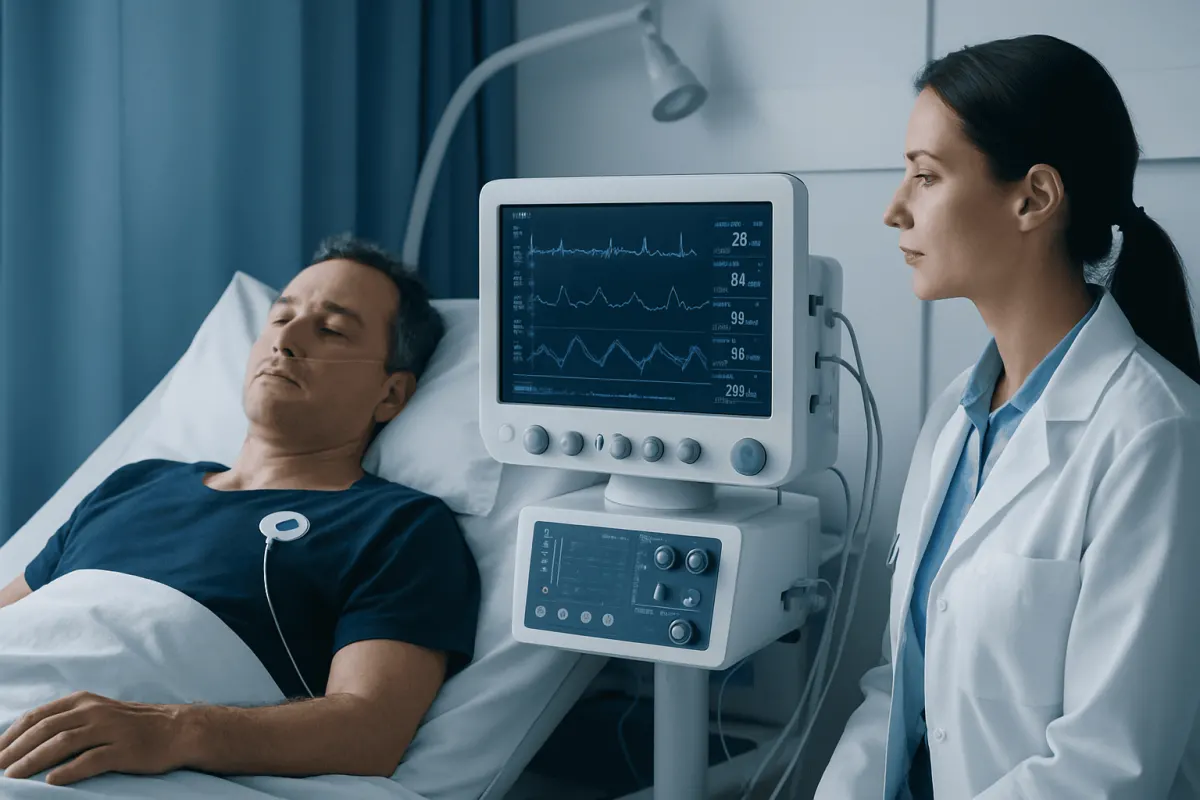
A stroke on the right side of the brain can damage areas that control movement and sensation on the left side of the body, visual awareness, attention, balance and understanding of space. The effects vary according to the exact brain region involved, the size of the stroke and how quickly treatment begins.
Overview: What Is Damaged in a Right-Sided Brain Stroke?
A stroke on right side of brain occurs when blood flow to part of the right cerebral hemisphere is blocked or when a blood vessel bleeds into or around the brain. The damaged brain tissue can no longer carry out its usual functions. Because many nerve pathways cross over in the brainstem, injury to the right hemisphere often affects movement and sensation on the left side of the body.
The exact effects depend on which blood vessel and brain structures are involved. A stroke affecting the right frontal lobe may particularly affect left-sided movement, planning or behavior. One involving the right parietal lobe can impair awareness of the left side of the body and the ability to judge distance or location. Injury to the right occipital lobe may cause loss of vision on the left side of the visual field in both eyes.
Some changes may be subtle at first. A person may have normal strength but bump into objects on the left, leave food on the left side of a plate, or not recognize that one arm is weak. Prompt evaluation is important because early stroke treatment can limit brain injury and improve the chance of recovery.
How the Right Hemisphere Affects the Body and Daily Life
The two halves of the brain work together, but they have some specialized roles. For most people, the right hemisphere plays a major part in attention, visual-spatial processing, recognizing patterns and faces, interpreting emotional tone, and understanding the overall context of a situation. It also receives and processes much of the sensory information from the left side of the body and helps control left-sided movement.
Visual-spatial processing allows a person to estimate distances, navigate familiar surroundings, dress correctly, copy a drawing or use objects safely. When this ability is affected, everyday tasks such as walking through a doorway, using stairs, driving or preparing a meal may become more difficult. The person may misjudge the position of furniture or have trouble finding items placed to the left.
Right-brain injury may also alter attention rather than language. Although some people have communication difficulties after any stroke, severe problems producing or understanding spoken language are more often associated with left-hemisphere stroke in right-handed people. However, a right-sided stroke can affect the emotional expression, rhythm or tone of speech, making communication feel less natural even when words are clear.
Common Symptoms of a Right-Sided Brain Stroke
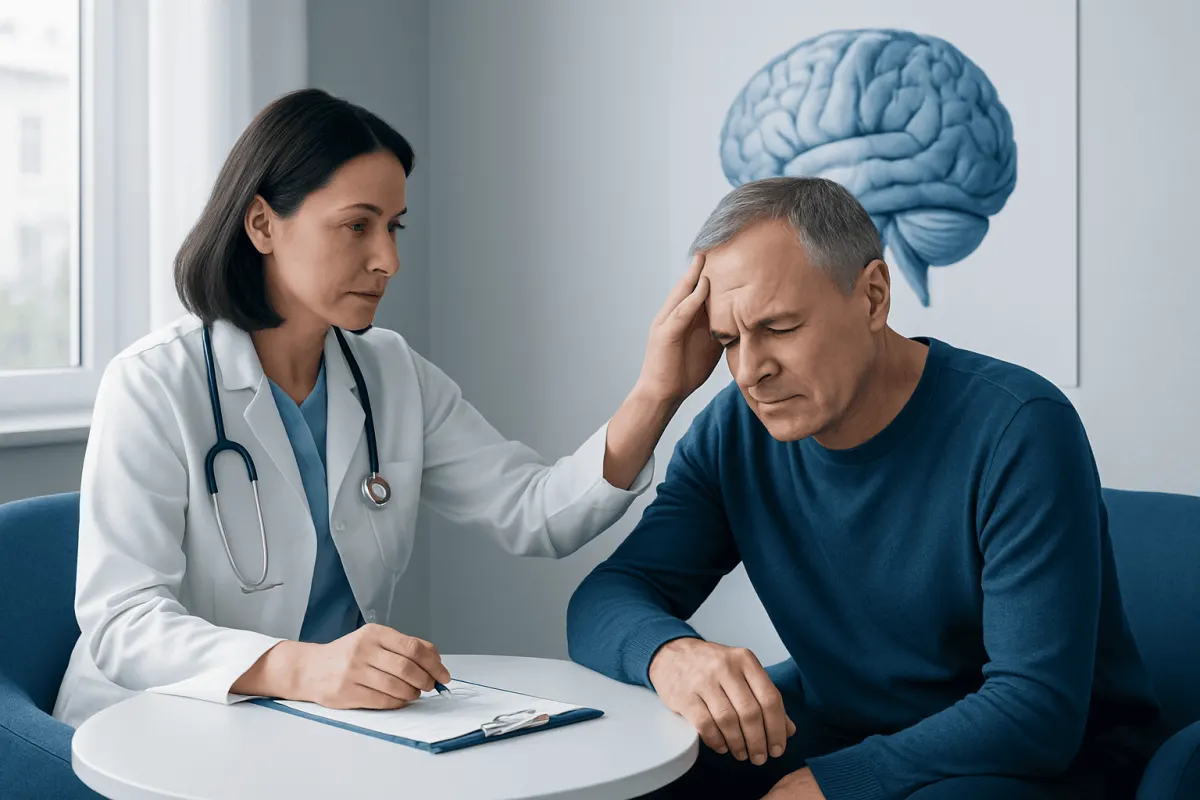
Symptoms usually begin suddenly. A right-sided brain stroke may cause weakness, heaviness, numbness or reduced coordination in the left face, arm or leg. The weakness can range from mild clumsiness to an inability to move one side of the body. Some people develop difficulty sitting, standing or walking because strength, sensation, balance and coordination can all be affected.
A characteristic feature can be left-sided neglect, also called hemispatial neglect. This is not simply a vision problem. The brain has difficulty attending to information on the left side, so a person may not notice the left arm, ignore people standing on the left, or shave and dress only the right side. They may be unaware that this problem is occurring, which can increase the risk of falls or accidental injury.
Other possible symptoms include:
- Loss of the left half of the visual field in both eyes
- Difficulty judging distances, directions or object location
- Poor balance, dizziness or trouble coordinating movements
- Impulsive decisions, reduced insight or changes in behavior
- Difficulty recognizing faces, interpreting facial expressions or reading emotional tone
- Problems with attention, concentration or organizing tasks
- Headache, nausea, reduced alertness or seizures, especially with some bleeding strokes
Not every person will experience the same symptoms. A small stroke may produce only one noticeable change, while a larger stroke can affect several functions at once.
What Causes a Stroke on the Right Side of the Brain?
There are two main types of stroke. An ischemic stroke occurs when a clot blocks an artery supplying the brain. It is the more common type. A hemorrhagic stroke occurs when a blood vessel ruptures and bleeding damages or compresses brain tissue. Imaging is needed urgently because treatment differs between these types.
Clots may form in narrowed arteries in the neck or brain, or they may travel from the heart. Conditions such as Neurology for Stroke Prevention: Which Patients May Benefit?" class="ahp-ilk">Stroke Prevention in Atrial Fibrillation: How Doctors Choose Between Drugs and Procedures" class="ahp-ilk">atrial fibrillation can increase the chance of a heart-related clot. Bleeding strokes may be linked with long-standing high blood pressure, certain blood vessel abnormalities, head injury, blood-thinning medicines or other medical factors.
Risk factors that can often be improved include high blood pressure, diabetes, high cholesterol, smoking, physical inactivity, obesity, an unhealthy diet and excessive alcohol use. Older age, a prior stroke or transient ischemic attack, family history and some heart or blood vessel conditions can also raise risk. A transient ischemic attack, sometimes called a mini-stroke, causes temporary stroke-like symptoms and needs urgent assessment because it can be an early warning sign.
Diagnosis and Emergency Assessment
Stroke is a medical emergency. Clinicians first assess when symptoms began, the person’s medical history, medicines and neurological function. They examine facial symmetry, strength, sensation, coordination, vision, speech, alertness and attention. Testing both sides of the body is particularly important because neglect may make a person less aware of left-sided symptoms.
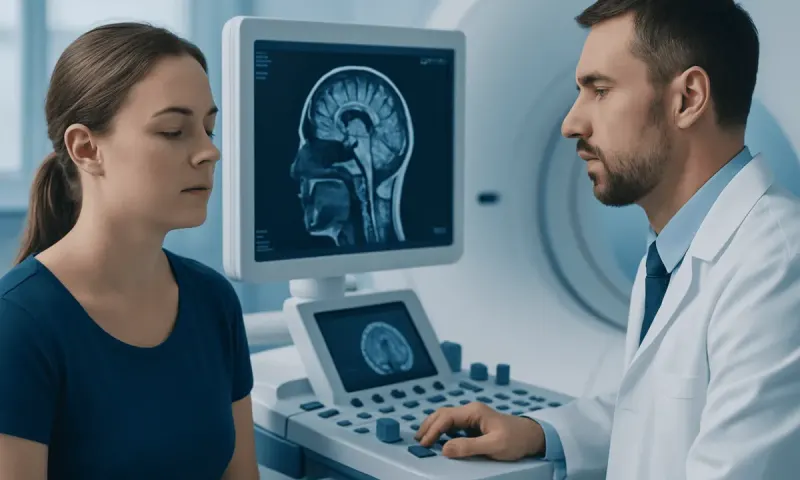
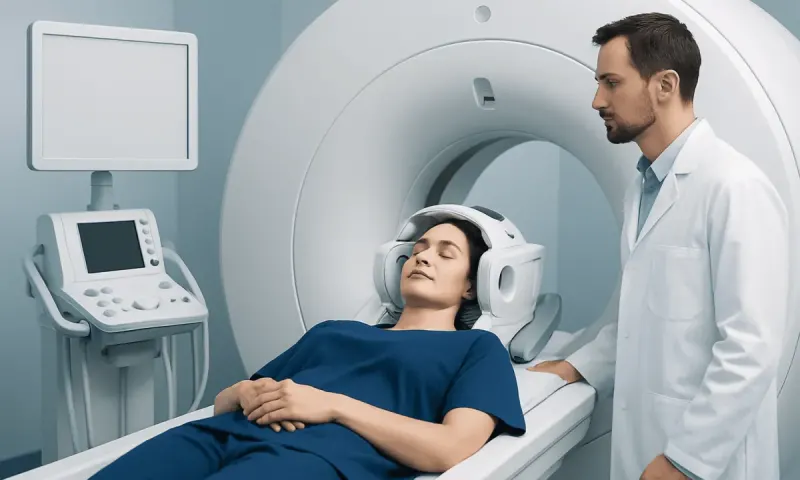
A non-contrast CT scan of the head is commonly performed quickly to check for bleeding. CT angiography, CT perfusion, MRI or vascular ultrasound may also be used to identify blocked vessels, assess brain tissue and guide treatment decisions. Blood tests, heart rhythm monitoring and echocardiography can help look for contributing causes.
People with suspected stroke should not drive themselves to hospital or wait to see whether symptoms improve. Emergency services can begin assessment during transport and take the person to an appropriate stroke center. Even if symptoms resolve, urgent review is needed to assess for a transient ischemic attack and reduce the risk of a future stroke.
Treatment and Rehabilitation After Right-Brain Stroke
Treatment depends on the type of stroke, the time since symptoms started, the location of the blockage or bleeding, and the person’s overall health. For selected ischemic strokes, time-sensitive treatments may include clot-dissolving medication or a catheter-based procedure to remove a clot from a large artery. Hemorrhagic stroke care focuses on controlling bleeding, managing blood pressure and pressure within the skull, and addressing the underlying cause. In some cases, neurosurgical treatment may be considered.
After emergency care, the medical team works to prevent complications and reduce the chance of another stroke. This may include managing blood pressure, diabetes or cholesterol, treating heart rhythm problems, reviewing medicines and identifying lifestyle changes that are appropriate for the individual. The plan should be personalized by a qualified stroke team.
Rehabilitation often begins in hospital and may continue at home or in a specialist setting. Physical therapy can support mobility, strength and balance. Occupational therapy can help with dressing, bathing, cooking and safety strategies for visual-spatial difficulties or neglect. Speech and language therapy may help with communication, cognitive skills and swallowing when needed. Recovery differs widely, but the brain can adapt over time through repeated, purposeful practice.
Acıbadem Health Point’s multidisciplinary specialists and JCI-accredited hospitals provide diagnostic assessment, stroke treatment and rehabilitation planning for international patients when clinically appropriate.
Prevention and Everyday Self-Care
After a stroke or transient ischemic attack, follow-up care is an important part of prevention. A clinician may recommend medicines to address specific risks, such as high blood pressure, high cholesterol, diabetes, clotting risk or heart rhythm disorders. These medicines should be taken exactly as prescribed, and they should not be stopped without medical advice.
Healthy routines can support vascular health. These include avoiding smoking and secondhand smoke, limiting alcohol, being physically active within a clinician’s recommendations, choosing a diet rich in vegetables, fruits, legumes, whole grains and unsaturated fats, and limiting excess salt and highly processed foods. Regular monitoring of blood pressure and other relevant conditions can help identify problems early.
For someone recovering from a right-brain stroke, safety strategies may include keeping essential items in easy reach, reducing trip hazards, using recommended mobility aids and practicing scanning toward the left before walking or transferring. Family members can help by approaching from the affected side when appropriate and encouraging the person to look left, while still respecting fatigue and allowing time for therapy tasks.
When to Seek Medical Care
Seek emergency medical care immediately if a person develops sudden facial drooping, weakness or numbness of an arm or leg, difficulty speaking or understanding speech, sudden confusion, loss of vision, severe imbalance, a sudden severe headache or loss of consciousness. These signs may indicate stroke even if they last only a few minutes or seem to improve.
A simple way to remember common warning signs is FAST: Face drooping, Arm weakness, Speech difficulty, and Time to call emergency services. Additional symptoms such as sudden one-sided vision loss, new trouble walking or abrupt severe dizziness also need urgent assessment.
Non-emergency medical review is advisable for new memory, attention, balance, vision or mood changes after a known stroke, as these symptoms may benefit from rehabilitation or adjustment of the care plan. Relatives and caregivers should also seek advice if neglect, impulsivity, swallowing problems, falls or difficulty managing medicines is affecting safety at home.
Frequently asked questions
01Does a stroke on the right side of the brain affect the left side of the body?
Yes. A right-hemisphere stroke commonly affects movement and sensation on the left side of the body because many motor and sensory nerve pathways cross over. The degree of weakness or numbness depends on the location and size of the stroke.
02Can a right-sided brain stroke cause speech problems?
It can, although major difficulty producing or understanding words is more commonly linked to left-hemisphere stroke for many people. A right-sided stroke may affect attention, conversational tone, emotional expression, organization of communication or awareness of errors.
03What is left-sided neglect after stroke?
Left-sided neglect is a problem with attention and awareness caused by brain injury. A person may not notice objects, people or their own body on the left side, even when the eyes themselves can detect visual information. Rehabilitation can teach scanning and safety strategies.
04Can someone recover from a right-brain stroke?
Many people improve after stroke, particularly with timely medical care and individualized rehabilitation. Recovery depends on factors such as stroke type, size, location, age, other health conditions and participation in therapy. Progress can continue for months and sometimes longer.
05How is a right-sided brain stroke diagnosed?
Doctors use a neurological examination and urgent brain imaging, usually CT and sometimes MRI, to identify the type and location of the stroke. Blood vessel imaging, blood tests and heart assessments may help determine the cause and guide prevention.
06What should caregivers watch for after a right-sided stroke?
Caregivers should watch for falls, difficulty noticing the left side, unsafe decisions, swallowing problems, medication errors and new or worsening neurological symptoms. New sudden weakness, speech change, vision loss or severe balance problems should be treated as an emergency.
This article is for general information only and is not a substitute for professional medical advice. Please consult a qualified doctor about your individual situation.
Explore treatments in Turkey — costs, top hospitals & a free quote
JCI-accredited · board-certified surgeons · reply within 24h
Add us as a Preferred Source to see more of our trusted health content across Google Search, AI Overviews and Discover.