Rib Muscles: Their Role in Breathing and Pain
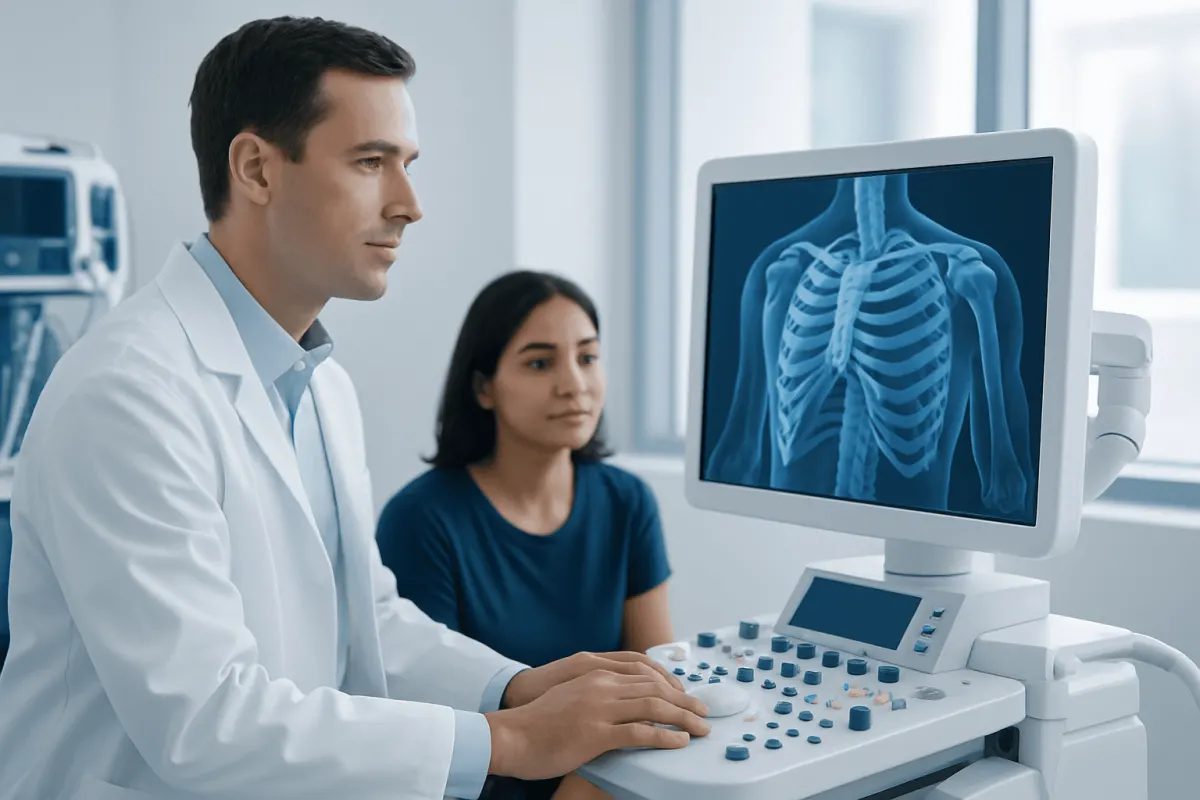
Rib muscles, mainly called intercostal muscles, sit between the ribs and help the chest expand and contract during breathing. They can become painful after coughing, exercise, injury, or repetitive movement, but chest pain should always be assessed in context because causes can range from a simple strain to conditions involving the heart or lungs.
What Are Rib Muscles?
The term “rib muscles” usually refers to the intercostal muscles. These are thin layers of muscle that fill the spaces between neighboring ribs. Together with the diaphragm, the main breathing muscle beneath the lungs, they help the rib cage move so that air can enter and leave the lungs.
There are several layers of intercostal muscles. External intercostal muscles generally help lift the ribs during inhalation, while internal intercostal muscles contribute particularly to forceful exhalation, such as when coughing, laughing, singing, or exercising. Other nearby muscles, including abdominal, chest, neck, and back muscles, can assist breathing when physical demand is higher.
Rib muscles also help stabilize the chest wall and support movements such as bending, rotating, reaching, and changing posture. Because they work with almost every breath, discomfort in this region may be noticeable even during routine activities. However, not all pain felt near the ribs comes from a muscle.
How Rib Muscles Work During Breathing and Movement
During a quiet breath in, the diaphragm contracts and moves downward while the rib cage expands. The external intercostal muscles assist by elevating the ribs and slightly increasing the volume of the chest. This change in volume helps draw air into the lungs. During relaxed breathing out, the chest and lungs naturally recoil, so active muscle effort is usually limited.
When breathing becomes more forceful, additional muscles become involved. For example, vigorous activity, prolonged coughing, or respiratory illness can make the intercostal and abdominal muscles work harder. This may leave the muscles sore, much like other muscles after unfamiliar or repeated activity.
Rib muscle movement is closely coordinated with the spine, shoulder girdle, and abdominal wall. A sudden twist while lifting, poor movement technique, or repeated overhead activity may place strain on this connected system. The location of discomfort alone cannot confirm the cause, so symptoms should be considered alongside recent activity, injury, breathing changes, and overall health.
Symptoms of Rib Muscle Strain or Irritation

An intercostal muscle strain occurs when muscle fibers are overstretched or develop small tears. It can happen suddenly, such as after an awkward twist or sporting movement, or gradually after repeated coughing, rowing, swimming, throwing, or lifting. Symptoms vary according to the extent of the strain and the person’s usual activity level.
Pain from a rib muscle problem is often sharp, aching, or tight and may be felt in one specific area between or along the ribs. It may become worse with a deep breath, sneeze, cough, laugh, torso rotation, or reaching movement. Some people notice tenderness when they press the affected area, muscle spasm, or discomfort when lying in certain positions.
These features can be consistent with a muscle-related problem, but they do not rule out other conditions. Rib bruising or fracture, inflammation around the rib cartilage, lung infection, a blood clot in the lung, and heart-related conditions can also cause chest discomfort. New, persistent, or unexplained chest pain should not be self-diagnosed.
Common Causes and Risk Factors
Rib muscles may be strained by sudden or repetitive load. Common triggers include a forceful cough, intense sneezing, a fall, contact sport, rapid changes in training, heavy lifting, and repeated trunk rotation. Pain can also follow a direct blow to the chest, although an injury of this kind may involve the ribs or chest wall in addition to the muscles.
Reduced conditioning, limited flexibility, fatigue, and returning to activity too quickly after an illness or injury can increase the likelihood of muscular overload. Activities that combine breathing demands with repeated upper-body motion, such as swimming, racquet sports, rowing, and certain manual jobs, can place particular stress on the intercostal region.
Persistent coughing may strain the chest wall over time. A clinician may evaluate ongoing cough to identify a possible cause, such as an infection, asthma, reflux, smoking-related irritation, or another respiratory condition. People with osteoporosis or those taking medicines that affect bone health should also be assessed after chest trauma, as ribs may be more vulnerable to fracture.
How Rib Muscle Pain Is Diagnosed
A healthcare professional usually begins by asking when the pain started, whether there was an injury or recent illness, what movements affect it, and whether there are symptoms such as fever, breathlessness, cough, palpitations, dizziness, or pain spreading elsewhere. They may also ask about exercise, work activities, medical conditions, and medicines.
The physical examination may include checking the chest wall for tenderness, bruising, swelling, and pain with movement. The clinician may listen to the heart and lungs and assess breathing effort. Reproducing pain by gently pressing a focused area or by certain movements can support a chest-wall source, but this finding must be interpreted carefully.
Imaging or other tests are not always needed for a straightforward muscle strain. They may be recommended when there has been significant trauma, concern for a rib fracture, signs of infection, breathing symptoms, or possible heart or lung involvement. Depending on the situation, testing may include an electrocardiogram, blood tests, chest X-ray, ultrasound, or other imaging. The purpose is to identify the safest and most likely explanation for the symptoms.
Treatment and Safe Recovery
For an uncomplicated rib muscle strain, care commonly focuses on allowing the tissue to recover while maintaining comfortable movement and normal breathing. A short period of relative rest from movements that clearly trigger pain can be helpful. Complete inactivity is usually not necessary and may lead to stiffness or shallow breathing.
Cold or warm packs may provide comfort for some people, depending on what feels best. Gentle range-of-motion activity, good posture, and gradual return to usual tasks can support recovery. A clinician or physiotherapist can advise on breathing exercises, mobility work, and progressive strengthening when pain is improving, particularly for people whose symptoms are related to sport or work demands.
Over-the-counter pain relief may be appropriate for some adults, but the choice depends on medical history, allergies, kidney, liver, stomach, heart, and bleeding risks, as well as other medicines. A pharmacist or doctor can provide individual guidance. It is important not to tightly wrap or bind the chest, as this can restrict deep breathing and may increase the risk of respiratory complications.
Recovery time differs. Mild strains may settle over days to a few weeks, while more substantial injuries can take longer. If pain is not improving, keeps returning, or limits normal breathing and daily activity, reassessment is appropriate. Acıbadem Health Point’s multidisciplinary specialists and JCI-accredited hospitals can assess chest-wall pain and related conditions for international patients.
Prevention and Everyday Self-Care
Although not every strain can be prevented, regular conditioning can help the chest wall and trunk tolerate everyday and sporting demands. Gradually increasing exercise intensity, warming up before demanding activity, and using appropriate lifting and movement techniques may reduce sudden overload. Core, back, shoulder, and general aerobic conditioning all contribute to efficient movement and breathing.
During a cough or sneeze, supporting the painful area gently with a pillow or hand may make the movement more comfortable. People should continue to take comfortable, regular breaths rather than avoiding deep breathing because of mild pain. If breathing deeply is difficult, or if cough is persistent, medical advice is important.
Good recovery habits also matter. Sufficient sleep, balanced nutrition, hydration, and pacing of activities can support healing after muscular irritation. It is sensible to return to strenuous exercise step by step, stopping if sharp pain returns. Persistent pain should be evaluated instead of repeatedly pushing through it.
When to Seek Medical Care
Medical assessment is advisable for chest or rib pain that is new, severe, unexplained, follows an injury, or does not begin to improve. A doctor should also review pain associated with fever, persistent cough, rash, swelling, visible deformity, or pain that makes normal breathing difficult. Children, older adults, pregnant people, and people with osteoporosis or chronic heart or lung disease may need earlier assessment after chest symptoms or trauma.
Emergency care is needed for chest pressure, heaviness, squeezing, or pain that may spread to the arm, jaw, back, or shoulder; sudden shortness of breath; coughing up blood; fainting; confusion; blue or gray lips; or severe symptoms after a significant injury. These symptoms can have causes beyond the rib muscles and should be treated as urgent.
Even when a muscular cause seems likely, a qualified clinician can provide reassurance and identify situations where further testing is needed. Prompt assessment is particularly important when symptoms change rapidly or do not match a familiar, clearly triggered muscle pain pattern.
Frequently asked questions
01Where are the rib muscles located?
The main rib muscles are the intercostal muscles, located in the spaces between each pair of ribs. They form layers within the chest wall and work with the diaphragm and other muscles to support breathing and trunk movement.
02Can rib muscle pain feel worse when breathing?
Yes. Intercostal muscles move with every breath, so a strain or irritation may hurt more during deep breathing, coughing, sneezing, or laughing. However, pain with breathing can also occur with lung, heart, rib, or chest-wall conditions, so new or significant symptoms need medical assessment.
03How can a person tell if rib pain is muscular?
Muscle-related pain is often linked to a recent cough, exercise, twist, lifting event, or minor injury. It may be localized and reproducible with pressure or particular movements. These features are not definitive, and a clinician should assess unexplained chest pain or symptoms accompanied by breathlessness, fever, dizziness, or pressure-like discomfort.
04How long does an intercostal muscle strain take to heal?
A mild strain may improve over several days to a few weeks, while a more substantial injury can take longer. Recovery depends on the degree of injury, continued physical demands, cough, overall health, and whether the affected area is allowed to recover gradually. Ongoing or worsening pain should be reviewed by a healthcare professional.
05Is it safe to exercise with rib muscle pain?
It is generally best to avoid activities that cause sharp pain or clearly worsen symptoms. Gentle movement and comfortable breathing are often preferable to complete rest, but strenuous exercise should resume gradually as symptoms improve. A doctor or physiotherapist can provide individualized advice, especially after trauma or for recurrent pain.
06Can coughing strain the rib muscles?
Yes. Repeated or forceful coughing can overload the intercostal and abdominal muscles, causing soreness or strain. If cough persists, is accompanied by fever or shortness of breath, or causes substantial chest pain, a clinician should identify and treat the underlying cause.
This article is for general information only and is not a substitute for professional medical advice. Please consult a qualified doctor about your individual situation.
Joint and spine care in Turkey — expert assessment & treatment
JCI-accredited · board-certified surgeons · reply within 24h
Add us as a Preferred Source to see more of our trusted health content across Google Search, AI Overviews and Discover.