Retinal Migraine vs Migraine With Aura: Key Differences
Retinal migraine and Neurological Symptoms" class="ahp-ilk">migraine with aura can both cause temporary visual changes, but they are not the same condition. The key difference is whether symptoms truly affect one eye only or are seen in both eyes, which helps doctors identify when urgent eye or neurological assessment may be needed.
Overview: Two Different Causes of Visual Symptoms
Visual symptoms can be unsettling, especially when they happen before or during a headache. Migraine with aura is a common neurological condition in which temporary changes in vision, sensation, speech, or other functions develop gradually and usually resolve completely. Visual aura is the most frequent type and may include shimmering lights, zigzag lines, blind spots, or distorted vision.
Retinal migraine is a separate and much less common diagnosis. It refers to repeated attacks of temporary visual disturbance that affect one eye only and are associated with migraine features. The symptoms may involve partial vision loss, a dark area, flashing lights, or, less often, complete temporary loss of vision in that eye.
The distinction matters because temporary vision loss in one eye can also result from conditions affecting the retina, optic nerve, or blood supply to the eye. Retinal migraine is therefore diagnosed only after a clinician has considered and excluded other possible explanations. People should not assume that new monocular visual symptoms are migraine without medical assessment.
How the Visual Symptoms Differ
The most useful clinical clue is whether the symptom is truly limited to one eye. In retinal migraine, the disturbance is monocular: it remains present when the unaffected eye is covered and disappears when the affected eye is covered. The episode generally lasts from several minutes up to about an hour, and headache may occur during or after the visual symptoms.
In migraine with visual aura, changes arise from temporary activity changes in the visual processing areas of the brain. They usually affect the same side of the visual field in both eyes rather than one eye itself. A person may feel that only one eye is involved, but covering each eye in turn often shows that the pattern is visible through either eye.
Visual aura commonly develops over minutes and may spread across the field of vision. Positive symptoms, such as flickering lights, sparkling shapes, wavy lines, or a growing zigzag pattern, are common. A blind spot may follow or occur alongside these effects. Aura usually lasts 5 to 60 minutes and may be followed by headache, although it can occur without one.
- Retinal migraine: temporary symptoms in one eye only.
- Migraine with aura: temporary symptoms in both eyes’ visual field, often on one side.
- Both: may be accompanied by headache, nausea, sensitivity to light, or sensitivity to sound.
Symptoms and Associated Features

A migraine headache is often throbbing or pulsating and may be felt on one side of the head, though this is not always the case. It can last hours to days and may worsen with routine activity. Nausea, vomiting, light sensitivity, sound sensitivity, tiredness, and difficulty concentrating are also common migraine features.
Visual aura may occur before headache, during headache, or without a significant headache. Some people also experience sensory symptoms, such as tingling that moves from the hand toward the face, or temporary language difficulty. These neurological symptoms should still be evaluated when they are new, atypical, prolonged, or concerning.
Retinal migraine symptoms may be described as a gray patch, dimming, a curtain-like area, flashes, or temporary loss of part or all of vision in one eye. Since similar descriptions may occur with more urgent conditions, the timing and exact pattern alone cannot confirm retinal migraine. A careful evaluation is important, particularly after a first episode.
Causes and Risk Factors
Migraine is a neurological disorder influenced by inherited tendencies and interactions between brain networks, nerves, and blood vessels. The precise mechanism differs between individuals and is still being studied. Visual aura is thought to involve a wave of altered electrical and chemical activity moving across areas of the brain involved in vision.
The cause of retinal migraine is less well understood. It may involve temporary changes affecting circulation or nerve signaling related to the retina or optic nerve, but it should not be assumed that every one-eye visual episode has this cause. Doctors must first rule out eye disease, vascular problems, inflammation, and other disorders that may reduce retinal blood flow.
Factors that can trigger migraine attacks for some people include irregular sleep, skipped meals, dehydration, stress, hormonal changes, bright or flickering light, alcohol, and certain foods. Triggers vary substantially, and not every attack has an identifiable trigger. A symptom diary may reveal personal patterns without requiring unnecessary dietary restrictions.
People with cardiovascular risk factors, including smoking, high blood pressure, diabetes, high cholesterol, or known vascular disease, need especially prompt assessment for new episodes of one-eye vision loss. These risk factors do not mean a person has a serious condition, but they can affect which alternative diagnoses a clinician needs to investigate.
How Doctors Tell the Difference
Diagnosis begins with a detailed history. A clinician may ask what the person saw, whether symptoms started suddenly or gradually, how long they lasted, whether they spread, whether a headache followed, and whether the symptoms persisted when either eye was covered. It can be helpful to note these details during a future episode if doing so is safe.
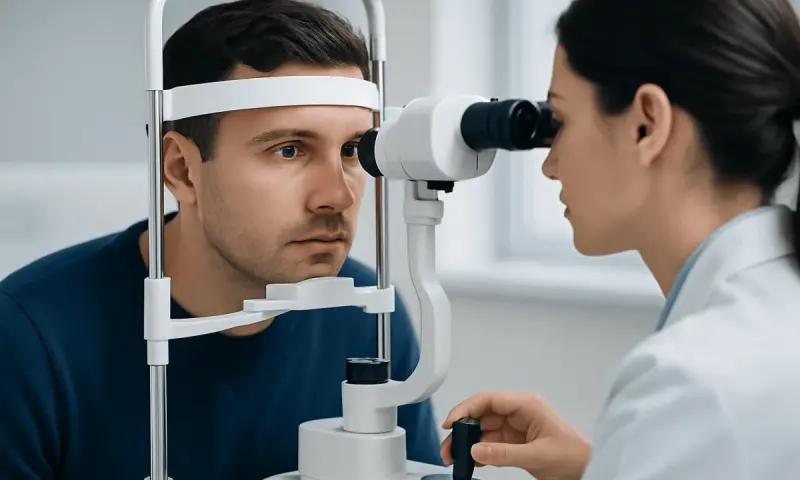
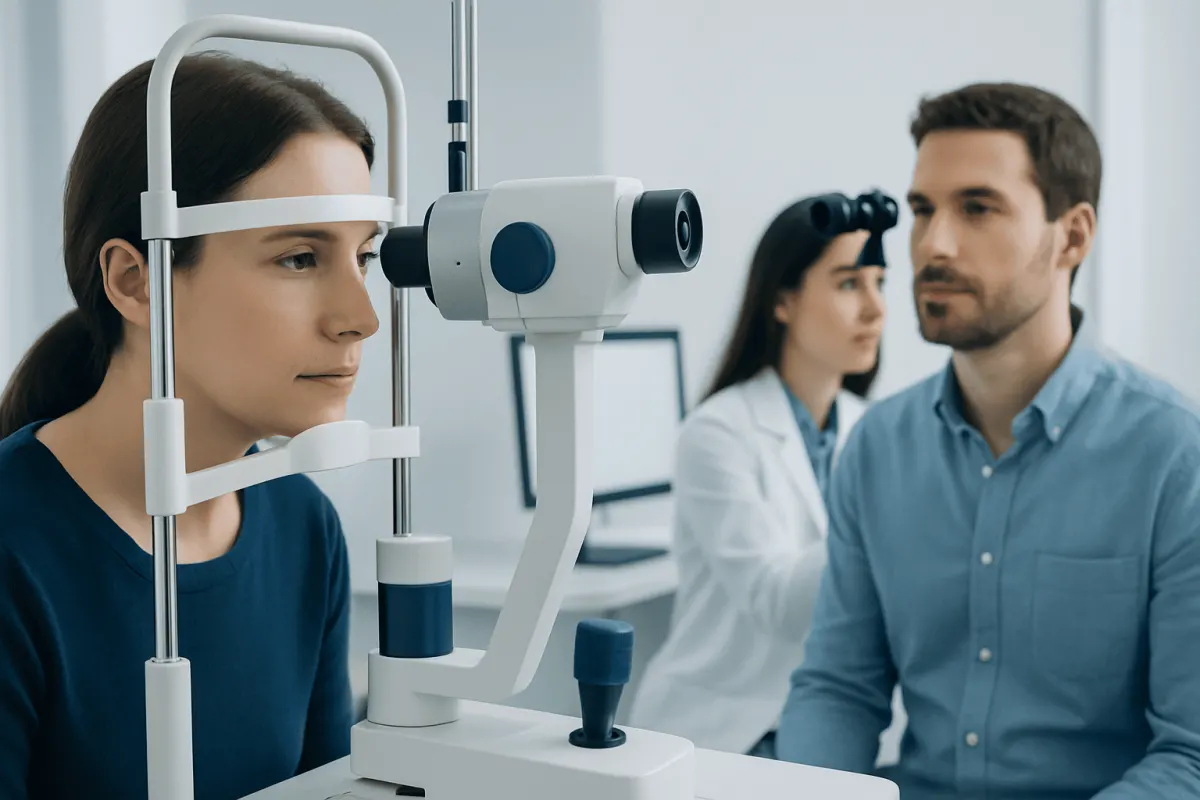
An eye examination can assess visual acuity, eye movements, pupils, eye pressure, the front of the eye, and the retina. Depending on the presentation, an ophthalmologist may use dilating drops to examine the back of the eye in more detail. A neurological examination may also be performed.
When one-eye vision loss is new, doctors may consider conditions such as retinal tear or detachment, optic nerve disorders, inflammation, temporary interruption of retinal blood flow, or other vascular causes. Further tests may include visual-field testing, retinal imaging, blood tests, brain or blood-vessel imaging, or heart and vascular evaluation. The tests chosen depend on the person’s symptoms, examination findings, age, medical history, and risk factors.
Retinal migraine is generally a diagnosis of exclusion, meaning other causes of transient monocular vision loss have been ruled out. Migraine with aura can often be diagnosed clinically when symptoms follow a typical recurring pattern and the neurological examination is reassuring, but clinicians may still recommend testing for first, unusual, or changing attacks.
Treatment and Prevention
Treatment is individualized and depends on the diagnosis, frequency of attacks, symptom severity, other health conditions, and possible pregnancy plans. For migraine with aura, a doctor may recommend medicines for treating an attack and, when attacks are frequent or disabling, preventive treatment. Resting in a dark, quiet environment, staying hydrated, and using a clinician-approved pain-relief plan may help during an episode.
Because retinal migraine is uncommon and temporary one-eye vision loss requires careful assessment, treatment should be guided by a clinician with appropriate expertise. Management may include migraine prevention strategies after other causes have been excluded. Some medicines may be unsuitable for certain people, so self-treatment should not replace evaluation of new visual symptoms.
Regular sleep and meals, sufficient fluids, gradual stress-management habits, and moderate physical activity can reduce migraine frequency for some people. A diary that records the date, duration, visual pattern, headache symptoms, menstrual timing when relevant, sleep, food, alcohol, stress, and medicines used may help identify useful preventive changes.
For international patients, Acıbadem Health Point’s multidisciplinary specialists and JCI-accredited hospitals can assess migraine and visual symptoms through coordinated neurological and ophthalmological care when needed.
When to Seek Urgent Medical Care
Urgent assessment is appropriate for any first episode of temporary vision loss in one eye, particularly if the person cannot be certain whether the symptom affected one eye or both. Even if vision returns, prompt medical advice is important because some causes need timely treatment to protect sight and reduce future risk.
Emergency care is particularly important for sudden vision loss, a dark curtain or shadow that does not quickly clear, new flashes with many floaters, severe eye pain, persistent visual changes, weakness or numbness on one side, facial drooping, difficulty speaking, confusion, fainting, or a sudden severe headache unlike previous headaches. These symptoms can have causes other than migraine that require immediate care.
People with a known history of migraine should also contact a clinician if their aura changes substantially, lasts longer than an hour, begins for the first time later in life, occurs after a head injury, or is accompanied by new neurological symptoms. Medical review is a sensible precaution and helps ensure that the diagnosis remains accurate over time.
Frequently asked questions
01Can migraine with aura affect only one eye?
Visual aura usually affects the visual field of both eyes, even if the disturbance appears on only one side of what a person sees. Covering one eye and then the other during an episode may help show whether the pattern is present through both eyes. A symptom that is truly limited to one eye should be medically assessed.
02Is retinal migraine dangerous?
Retinal migraine itself is uncommon and its visual symptoms are usually temporary, but vision loss in one eye can have several other causes. Some of these need urgent treatment, so a new or unexplained episode should not be assumed to be retinal migraine. A clinician can assess the eye and consider the appropriate tests.
03How long does a migraine aura last?
A typical migraine aura develops gradually and lasts between 5 and 60 minutes. The headache may start during the aura, after it ends, or may not occur. Aura lasting longer than an hour, or symptoms that do not fully resolve, should be discussed urgently with a healthcare professional.
04What should a person do during a visual episode?
It is best to stop activities that require clear vision, such as driving or operating machinery, and move to a safe place. If possible, the person can briefly cover one eye and then the other to note whether the symptoms are truly one-eye or affect both visual fields. New, sudden, or one-eye symptoms warrant prompt medical advice.
05Can retinal migraine happen without a headache?
Headache associated with migraine often occurs during or after retinal symptoms, but the clinical pattern can vary. Because visual symptoms without headache may also have non-migraine causes, they still need appropriate medical assessment. This is particularly important for episodes affecting one eye.
06Can a migraine diary help doctors make a diagnosis?
Yes. Recording the visual symptoms, which eye or visual field seemed affected, onset, duration, headache features, associated symptoms, and possible triggers can give the clinician useful information. A diary cannot diagnose retinal migraine on its own, but it can support a more accurate assessment.
This article is for general information only and is not a substitute for professional medical advice. Please consult a qualified doctor about your individual situation.
Explore treatments in Turkey — costs, top hospitals & a free quote
JCI-accredited · board-certified surgeons · reply within 24h
Add us as a Preferred Source to see more of our trusted health content across Google Search, AI Overviews and Discover.