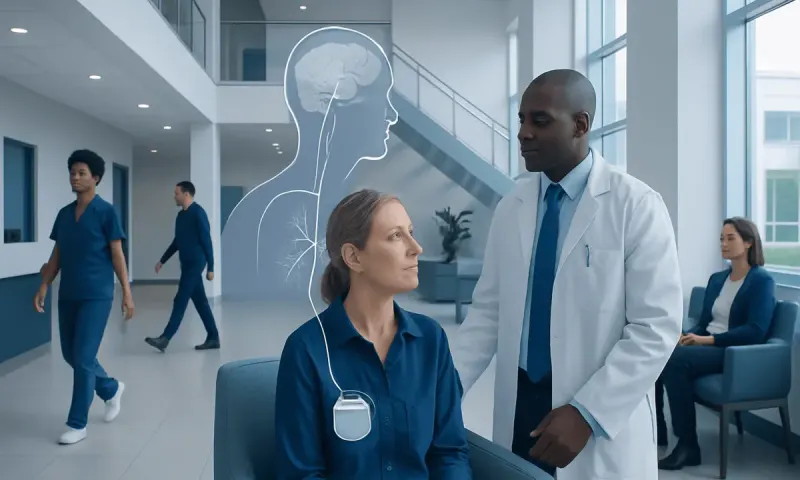
How a Concussion Can Disrupt Vision and Eye Movement
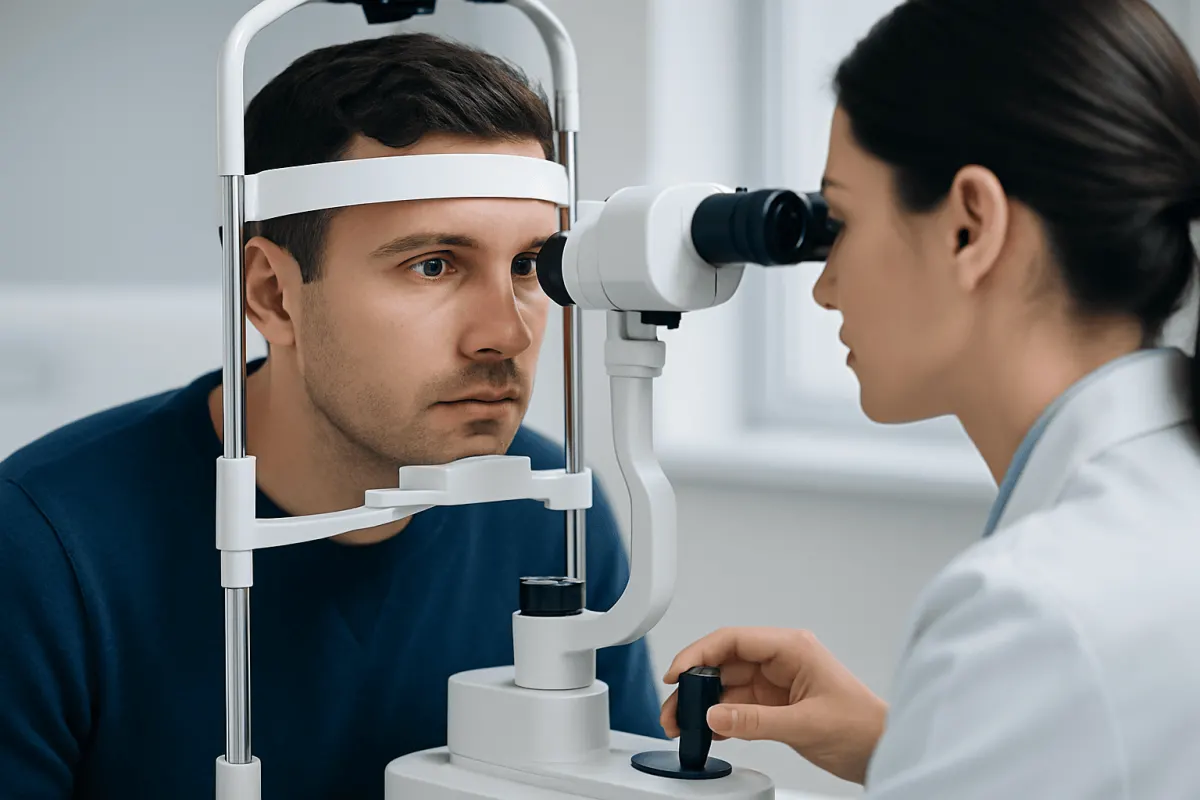
You bumped your head last week, and now the words on the page slide around when you try to read. Or the supermarket lights feel unbearable. Or ten minutes on your phone brings on a headache and a wave of dizziness.
People sometimes call this “concussion eyes” — the vision and eye-movement problems that can follow a concussion, including blurred vision, light sensitivity, trouble focusing, and dizziness with reading or screen use. These symptoms are common, and they usually improve with proper care and rest. They should be assessed when they are severe, persistent, or paired with warning signs.
What concussion eyes means
Concussion eyes describes the eye and vision changes that can follow a concussion. A concussion is a mild After the Initial Recovery" class="ahp-ilk">traumatic brain injury that temporarily affects how the brain functions. Because the brain controls eye movements, focus, visual attention, and balance, even a mild head injury can lead to noticeable changes in how a person sees and processes visual information.
In many patients, there is nothing wrong with the eyes themselves. The problem is that the brain and the visual system are not working together as smoothly as usual. This can make reading difficult, screens uncomfortable, bright light bothersome, or moving through busy environments more tiring than expected.
Symptoms differ from one person to the next. Some people notice changes right away; others only realise something is off a day or two later, when they try to go back to work, school, sport, or driving. If concussion symptoms are part of the bigger picture after a head injury, your doctor may also look at related issues such as concussion or other forms of traumatic brain injury.
How eye symptoms can show up after a concussion
Visual symptoms after concussion can affect clarity, comfort, eye teaming, depth perception, and the ability to process motion. Patients may describe this in many ways, such as saying their eyes feel “off,” that they lose their place while reading, or that stores, crowds, and scrolling on a phone suddenly feel overwhelming.
Common symptoms include:
- Blurred vision
- Double vision
- Light sensitivity
- Eye strain or tired eyes
- Headache during reading or screen use
- Trouble focusing between near and far objects
- Difficulty tracking moving objects
- Dizziness, nausea, or imbalance triggered by visual tasks
- Feeling slowed down when processing what is seen
Some people also notice that one eye seems slower to follow, that words move on the page, or that they need frequent breaks from visual tasks. Children may have trouble in school, while adults may struggle with computer work, driving, or multitasking in visually busy environments.
These symptoms can overlap with other post-concussion complaints such as headache, fatigue, poor concentration, and sleep disruption. When symptoms interact, visual tasks may feel more difficult later in the day or after physical or mental exertion.
Why a concussion can affect vision
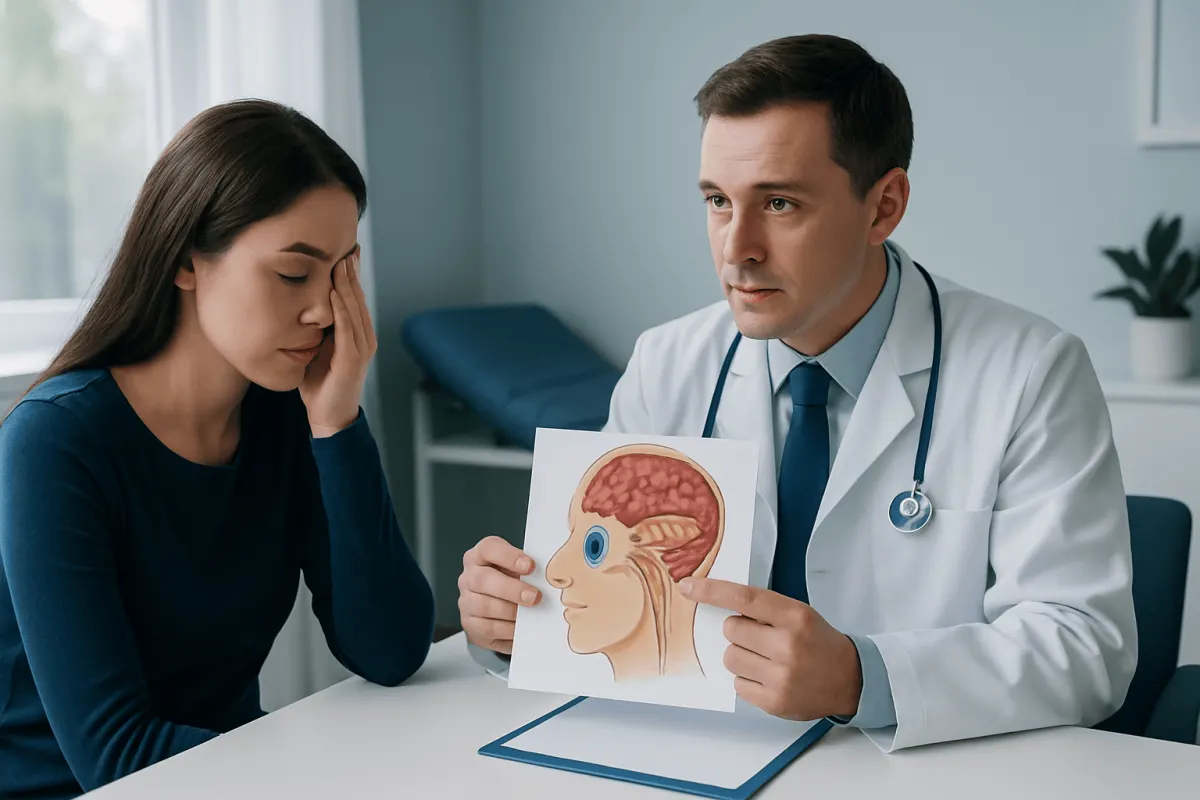
Vision depends on more than the eyes. It requires coordinated work between the eyes, brain, balance system, and neck muscles. A concussion can temporarily disrupt these networks, which is why patients may have symptoms even when a standard eye exam appears largely normal.
Several functions may be affected. The eyes may have trouble working together as a team, especially during near tasks such as reading. The focusing system may become less flexible, making it harder to shift attention between a phone and distant objects. Eye tracking can also become less accurate, which may cause skipping lines, losing place, or discomfort in moving environments.
In some cases, the injury may also trigger migraine-like sensitivity, vestibular problems, or neck-related symptoms that intensify visual discomfort. That is one reason a wider assessment helps when symptoms drag on. The problem rarely sits in one single structure; usually it reflects several systems recovering at their own pace.
Risk factors for more noticeable visual symptoms can include a previous concussion, a history of migraine, pre-existing visual coordination problems, motion sensitivity, attention difficulties, or a more demanding return to school, sport, or screen-based work soon after injury.
How doctors evaluate concussion-related eye problems
Assessment begins with the story of the injury and the symptoms that followed. A doctor will ask when the head injury occurred, whether there was loss of consciousness, what symptoms appeared first, and what activities now trigger problems. The timing matters because concussion-related vision issues may become most obvious during reading, classroom tasks, exercise, or screen use rather than at complete rest.
A clinical exam may include neurological checks, balance testing, and specific visual assessments. These can look at pupils, eye alignment, smooth pursuit, saccades, convergence, focusing, visual fields, and symptom provocation during tasks. If there is concern about a structural eye injury, an eye specialist may examine the front and back of the eye in more detail.
Imaging is not always needed for a straightforward concussion, but it may be recommended if there are red flags or concern for a more serious brain injury. Depending on symptoms, patients may benefit from coordinated assessment by neurology, ophthalmology, neuro-ophthalmology, rehabilitation, or vestibular specialists. When visual changes are significant or prolonged, targeted evaluation such as neuro-ophthalmology assessment can help clarify which visual functions are affected.
If the injury involved direct trauma around the eye, sudden vision loss, or severe pain, doctors will also consider eye-specific conditions that need urgent attention. The goal is to distinguish functional visual effects of concussion from injuries that directly damage the eye or surrounding structures.
Treatment and recovery for concussion eyes
Most treatment plans focus on the underlying concussion and the specific visual problems present. In the first phase, relative rest is usually advised, meaning the person avoids activities that sharply worsen symptoms while still keeping some light daily activity as tolerated. Prolonged complete inactivity is usually not recommended unless a doctor specifically advises it.
As symptoms begin to settle, a gradual return to school, work, exercise, and screen use is often introduced. Practical strategies may include shorter visual tasks, frequent breaks, lower screen brightness, larger text, reduced glare, and temporary adjustments to school or work demands. Patients generally recover better when they pace activity rather than pushing through severe symptoms.
If visual issues last beyond the early recovery period, more structured rehabilitation may help. This can include targeted eye exercises, vestibular rehabilitation, occupational therapy, or multidisciplinary concussion care. In selected patients, vision therapy or physical therapy and rehabilitation may be considered as part of a broader recovery plan when prescribed by appropriate clinicians.
No two plans look the same. If light sensitivity is your main trouble, you will need different strategies from someone struggling with double vision or dizziness in motion. When specialist input is needed, Acıbadem Health Point’s multidisciplinary teams in JCI-accredited hospitals evaluate and treat concussion-related visual complaints for international patients.
Self-care tips during recovery
Simple day-to-day changes can reduce strain while the brain heals. Patients often do better when they break tasks into shorter sessions, rest before symptoms become intense, and reintroduce activities gradually. A calm, structured routine can be more helpful than alternating between overexertion and long periods of inactivity.
Helpful measures may include:
- Taking regular breaks during reading or screen time
- Reducing glare and bright overhead lighting
- Using larger font sizes or printed material when possible
- Limiting multitasking in visually busy environments
- Staying hydrated and maintaining regular meals and sleep
- Avoiding sports, risky activity, or driving until medically cleared if symptoms affect reaction time, balance, or vision
Please don’t start intensive eye exercises you found online, especially soon after the injury. Exercises that don’t match your particular problem can make things worse. A clinician can advise whether symptoms are improving as expected or whether a formal rehabilitation plan would be more appropriate.
Parents, teachers, and employers can also support recovery by allowing temporary adjustments. Shorter assignments, reduced screen exposure, extra time, or quiet workspaces may make it easier for the patient to stay engaged without provoking symptoms too strongly.
When to seek medical care
Any suspected concussion deserves medical advice, especially if symptoms involve vision, balance, confusion, or ongoing headache. Evaluation is particularly important if visual symptoms are severe, are not improving over several days, or interfere with school, work, reading, sports, or driving.
Urgent medical care is needed after a head injury if there is worsening headache, repeated vomiting, increasing confusion, unusual drowsiness, seizure, weakness, slurred speech, unequal pupils, fluid from the nose or ears, or a sudden major change in vision. Severe eye pain, a visibly injured eye, or sudden loss of sight should also be treated as emergencies.
Children, older adults, people taking blood thinners, and athletes should be assessed carefully after head injury. Returning to contact sports too early raises the risk of another injury before the brain has recovered.
If symptoms continue, referral to specialists may be helpful. In more complex cases, a doctor may coordinate care through services such as neurology and rehabilitation to support safe recovery and return to normal activities.
Frequently asked questions
01Are concussion eyes a real medical condition?
Concussion eyes is an informal term rather than a separate diagnosis. It refers to the visual and eye-movement symptoms that can happen after a concussion, such as blurred vision, light sensitivity, and trouble focusing. A doctor can determine whether these symptoms fit with concussion or another eye or neurological problem.
02What are the most common eye symptoms after a concussion?
Many patients report blurred vision, double vision, eye strain, light sensitivity, and headaches during reading or screen time. Some also feel dizzy in busy places or have trouble tracking moving objects. Symptoms may become more obvious when returning to school, work, or sports.
03How long do concussion-related vision problems last?
Recovery time varies from person to person. Some symptoms improve within days to a few weeks, while others last longer and need targeted assessment or rehabilitation. If symptoms are persistent or worsening, follow-up with a qualified clinician is important.
04Can the eyes look normal even if vision feels wrong after a concussion?
Yes. The eyes may appear healthy while the brain systems that control focus, tracking, and visual processing are temporarily disrupted. This is why a person can have significant symptoms even when a basic eye appearance check seems normal.
05Is it safe to use screens with concussion eyes?
Screens are not always forbidden, but they often worsen symptoms early on. Many patients do better with short sessions, reduced brightness, regular breaks, and gradual increases in use. If screen exposure causes major headaches, dizziness, or nausea, a doctor should guide the return plan.
06Do concussion eyes need special treatment?
Not everyone needs specialized treatment, because many people improve with time, symptom-guided rest, and gradual return to activity. However, persistent symptoms may benefit from vision-focused rehabilitation, vestibular therapy, or multidisciplinary concussion care. Treatment depends on which visual functions are affected.
This article is for general information only and is not a substitute for professional medical advice. Please consult a qualified doctor about your individual situation.
Explore treatments in Turkey — costs, top hospitals & a free quote
JCI-accredited · board-certified surgeons · reply within 24h
Add us as a Preferred Source to see more of our trusted health content across Google Search, AI Overviews and Discover.