Repeated UTI Infections: Finding the Underlying Cause

UTI repeated infections are separate urinary tract infections that return over time, often because bacteria re-enter the urinary tract or an underlying risk factor remains. Urine cultures, individualized treatment and prevention measures can reduce future episodes and help identify when specialist assessment is needed.
Overview: what UTI repeated infections mean
UTI repeated infections are usually separate bladder infections that occur more than once over a period of time. Most people recover from each individual episode with appropriate treatment, but the best long-term result comes from confirming infection with a urine test, identifying personal risk factors and using prevention measures suited to the individual. There is no single procedure that every person with recurrent UTI needs.
Clinicians commonly define recurrent UTI as two or more culture-confirmed infections within six months, or three or more within 12 months. Terms such as ‘UTI repetitive’ or ‘UTI repeated’ are often used to describe the same pattern. A recurrent infection may be a new infection caused by bacteria entering the urinary tract again, or less commonly a persistent infection that was not fully cleared.
Most recurrent episodes involve the lower urinary tract, particularly the bladder, and are called cystitis. Repeated urinary symptoms do not always mean infection, however. Vaginal infections, sexually transmitted infections, bladder pain syndrome, urinary stones and pelvic floor problems can cause similar discomfort, which is why testing is especially valuable when symptoms keep returning.
Symptoms and why UTI recurrence after 2 weeks matters
Typical bladder infection symptoms include burning or pain while urinating, needing to urinate more often, a sudden urge to urinate, lower abdominal discomfort and urine that may appear cloudy or have a strong odor. Some people notice blood in the urine. Symptoms alone cannot confirm a UTI because several other conditions can produce similar changes.
A UTI recurrence after 2 weeks deserves clinical review, particularly if symptoms return soon after antibiotics are finished. A urine culture collected before a new antibiotic is started, when possible, can show whether the same organism has returned and which medicines are likely to work. This helps a clinician consider whether the episode is a relapse, a new infection, antibiotic resistance or another cause of symptoms.
Fever, chills, nausea, vomiting, pain in the back or side below the ribs, and marked fatigue can suggest infection involving the kidneys rather than only the bladder. Kidney infection requires prompt medical assessment because it may need a different treatment approach and closer monitoring.
What causes 80% of UTIs?

In uncomplicated community-acquired UTIs, the bacterium Escherichia coli, usually called E. coli, causes roughly 80% of infections. E. coli normally lives harmlessly in the bowel. It can reach the urethra, the tube that carries urine out of the body, and travel to the bladder, where it can multiply and trigger inflammation.
This does not mean that a recurrent UTI is caused by poor hygiene. Anatomy, hormonal changes and normal daily activities can influence risk. Sexual activity, spermicide use, pregnancy, menopause-related changes in vaginal tissues, incomplete bladder emptying, constipation, urinary catheters, diabetes, kidney stones and urinary blockage may all contribute in some people. In men, prostate enlargement and inflammation can affect bladder emptying and raise the chance of infection.
Other bacteria, including Klebsiella, Proteus, Enterococcus and Staphylococcus saprophyticus, can also cause UTIs. The organism identified on a culture matters because it helps determine whether a treatment is appropriate and whether additional evaluation may be helpful.
What do urologists do for recurrent UTIs?
Urologists assess whether repeated infections are truly bacterial UTIs and whether there is a correctable urinary tract problem. They review symptom timing, urine culture results, previous antibiotics, medical conditions, sexual and reproductive history where relevant, fluid intake and medicines. They may also ask whether the bladder feels completely empty after urination.
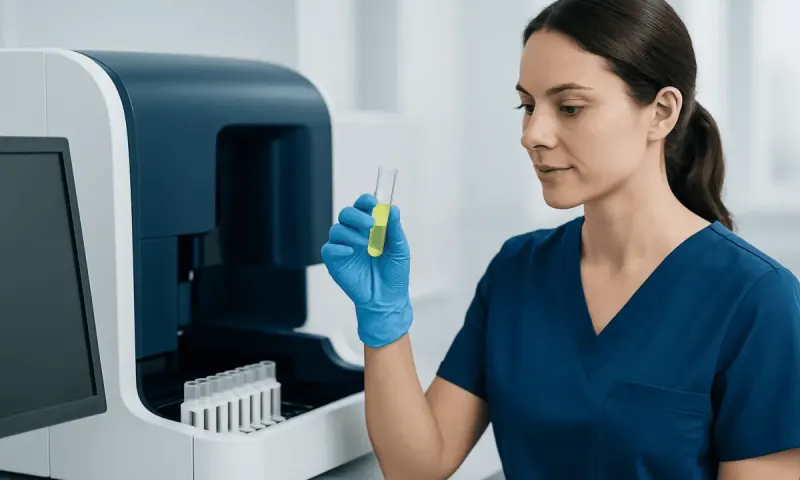
Testing may include urinalysis and urine culture with antibiotic susceptibility testing. Depending on the person and the pattern of illness, a clinician may measure post-void residual urine, which checks how much urine remains in the bladder after urinating. A pelvic examination, prostate assessment or evaluation by a urogynecologist may be appropriate when anatomical or pelvic health factors are suspected.
Ultrasound or CT imaging is not needed for every recurrent UTI, but may be considered for recurrent kidney infections, stones, obstruction, persistent blood in the urine, unusual bacteria or poor response to treatment. Cystoscopy, a procedure that uses a small camera to view the bladder, is also selective rather than routine. If a stone, blockage, enlarged prostate, prolapse or another structural concern is found, a urologist can discuss treatment options directed at that cause.
Treatment options, procedures and prevention
For a confirmed symptomatic UTI, treatment generally involves an antibiotic selected according to the likely bacteria, local guidance and, when available, culture results. The medication and treatment length depend on factors such as pregnancy, kidney function, allergy history, sex, previous cultures and whether the infection is limited to the bladder or affects the kidneys. Taking antibiotics exactly as prescribed and avoiding leftover antibiotics from a previous illness helps reduce treatment failure and antibiotic resistance.
For frequent, culture-confirmed infections, a clinician may discuss a prevention plan. This can include addressing low fluid intake, avoiding spermicides if they appear to be a trigger, managing constipation, treating incomplete bladder emptying and reviewing catheter use. For some postmenopausal people, locally applied vaginal estrogen may lower recurrence risk when medically appropriate. Some people may be considered for non-antibiotic prevention or carefully selected antibiotic prevention, such as treatment linked to a clear trigger, but this should be decided with a clinician.
Procedures are usually reserved for an underlying problem rather than the UTI itself. For example, removing a urinary stone, relieving an obstruction or treating a condition that prevents complete emptying may reduce repeated infections. Antibiotics are generally not recommended for bacteria found in the urine without symptoms, called asymptomatic bacteriuria, except in specific situations such as pregnancy or before certain invasive urological procedures.
Does recurrent UTI ever fully resolve?
Yes. Many people have long periods without further UTIs, especially when temporary triggers or contributing conditions are addressed. For example, changing a spermicide-based contraceptive method, improving bladder emptying, treating a stone or using appropriate menopause-related care may reduce the frequency of infections. Each confirmed infection can often be successfully treated, although no strategy can guarantee that another infection will never occur.
There is no single UTI recovery rate that applies to everyone because studies involve different age groups, medical conditions, bacteria and definitions of recurrence. A useful outcome is not only symptom relief but also fewer culture-confirmed episodes, less need for antibiotics and a clear plan for responding safely if symptoms return. Regular review is helpful when infections continue despite preventive measures.
How long does it take to recover from severe UTI?
With an effective treatment, symptoms of a bladder infection often begin to improve within 48 to 72 hours. A severe UTI, especially one involving the kidneys, may take longer to settle. Fever, pain and urinary symptoms should steadily improve after treatment begins, while tiredness can last for several days or occasionally longer as the body recovers.
Recovery depends on the infection site, the bacteria involved, antibiotic response and a person’s overall health. People who are vomiting, dehydrated, pregnant, immunocompromised or very unwell may require hospital treatment, including fluids, monitoring and intravenous antibiotics. If symptoms are not improving after two to three days of treatment, or worsen at any time, medical reassessment is important rather than waiting for the course to finish.
When to seek medical care
Medical advice is appropriate for recurrent urinary symptoms, particularly before repeatedly taking antibiotics. Prompt, same-day assessment is recommended for fever, chills, flank or back pain, vomiting, inability to keep fluids down, visible blood in the urine, trouble passing urine or symptoms that are rapidly worsening. These features can indicate a kidney infection, blockage or another condition that needs timely care.
- Pregnant people with possible UTI symptoms should contact a clinician promptly.
- Children, men with new urinary symptoms, older adults with new significant illness, and people with kidney disease, diabetes, immune suppression, urinary catheters or a kidney transplant should seek professional advice early.
- Emergency care is needed for severe weakness, fainting, confusion, breathing difficulty or signs of serious dehydration.
For international patients who need specialist evaluation, Acıbadem Health Point can coordinate assessment with multidisciplinary specialists at its JCI-accredited hospitals. Care plans for recurrent UTI are based on urine results, symptoms, urinary tract findings and each person’s overall health needs.
Frequently asked questions
01How is recurrent UTI defined?
Recurrent UTI is commonly defined as two or more confirmed infections in six months or three or more in 12 months. A clinician may use urine culture results to confirm that episodes are infections rather than another cause of urinary symptoms.
02Can a UTI come back after antibiotics?
Yes. Symptoms can return because of a new infection, bacteria that were not fully cleared, resistance to the antibiotic used or a non-UTI condition causing similar symptoms. A urine culture is especially helpful when symptoms recur soon after treatment.
03Can sex contribute to repeated UTIs?
Sexual activity can be a trigger for some people because bacteria may be moved toward the urethra. This is not a sign of poor hygiene, and it does not mean a person should avoid sex; a clinician can help identify practical prevention options when there is a consistent pattern.
04Are cranberry products or probiotics enough to prevent recurrent UTI?
Some cranberry products may offer a modest preventive benefit for certain people, but evidence varies by product and they do not treat an active infection. Evidence for probiotics in recurrent UTI prevention remains limited, so they should not replace medical assessment or prescribed treatment.
05Can men get recurrent UTIs?
Yes, although uncomplicated bladder infections are less common in men than in women. Repeated infections in men may warrant assessment for prostate conditions, stones, urinary blockage or incomplete bladder emptying.
06Should a urine culture be done for every UTI episode?
A culture is not always required for a simple, first-time bladder infection in an otherwise healthy person. For UTI repeated infections, severe symptoms, pregnancy, treatment failure or a return of symptoms after antibiotics, clinicians commonly use a culture to guide care.
This article is for general information only and is not a substitute for professional medical advice. Please consult a qualified doctor about your individual situation.
Explore treatments in Turkey — costs, top hospitals & a free quote
JCI-accredited · board-certified surgeons · reply within 24h
Add us as a Preferred Source to see more of our trusted health content across Google Search, AI Overviews and Discover.