Rehabilitation Results: What Improvement Is Realistic?

Rehabilitation can lead to meaningful gains in movement, comfort, daily function, and independence, but progress is usually gradual rather than immediate. Realistic expectations depend on the underlying condition, a person’s overall health, the type of therapy, and how consistently the rehabilitation plan is followed.
Overview: what “realistic improvement” means in rehabilitation
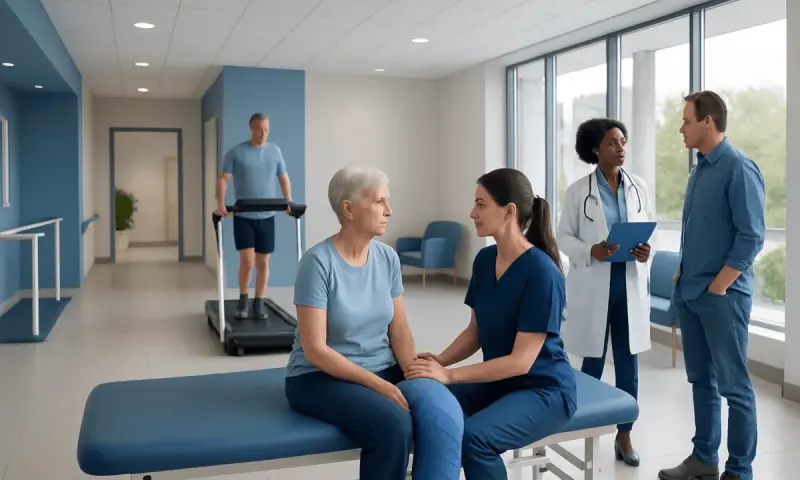
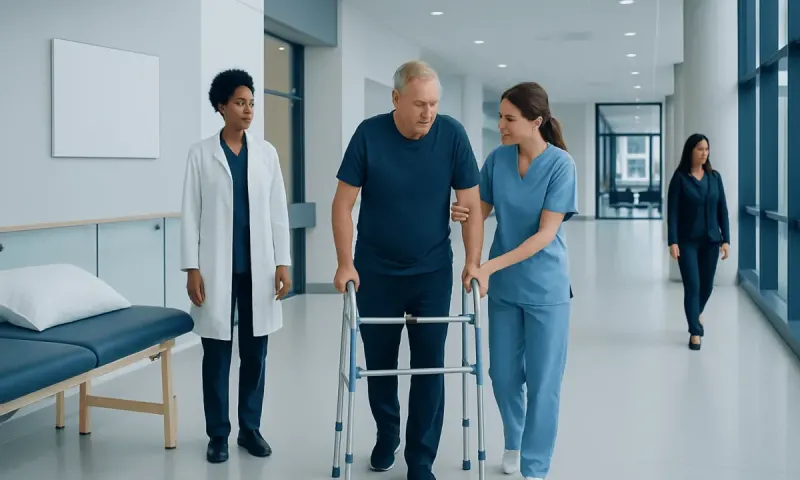
Rehabilitation helps a person recover or improve function after illness, injury, surgery, or a long-term health condition. Depending on the situation, this may include physical therapy, occupational therapy, speech and language therapy, cognitive rehabilitation, pain management, psychological support, and medical follow-up. The goal is not always to return a person to exactly the same level as before. In many cases, the aim is to improve safety, independence, comfort, and participation in daily life as much as possible.
Realistic improvement in rehabilitation is different for every person. For one individual, success may mean walking independently again. For another, it may mean standing more safely, managing pain better, dressing without help, speaking more clearly, or returning to work with adjustments. Progress can be significant even when it is not dramatic, and small improvements often build over time into major changes in daily function.
It is also important to understand that recovery is rarely perfectly linear. People may improve quickly at first, then more slowly, or experience temporary plateaus. This is common in rehabilitation and does not automatically mean treatment is ineffective. A realistic outlook combines hope with practical goal-setting, regular review, and flexibility when the plan needs to change.
What affects rehabilitation results?
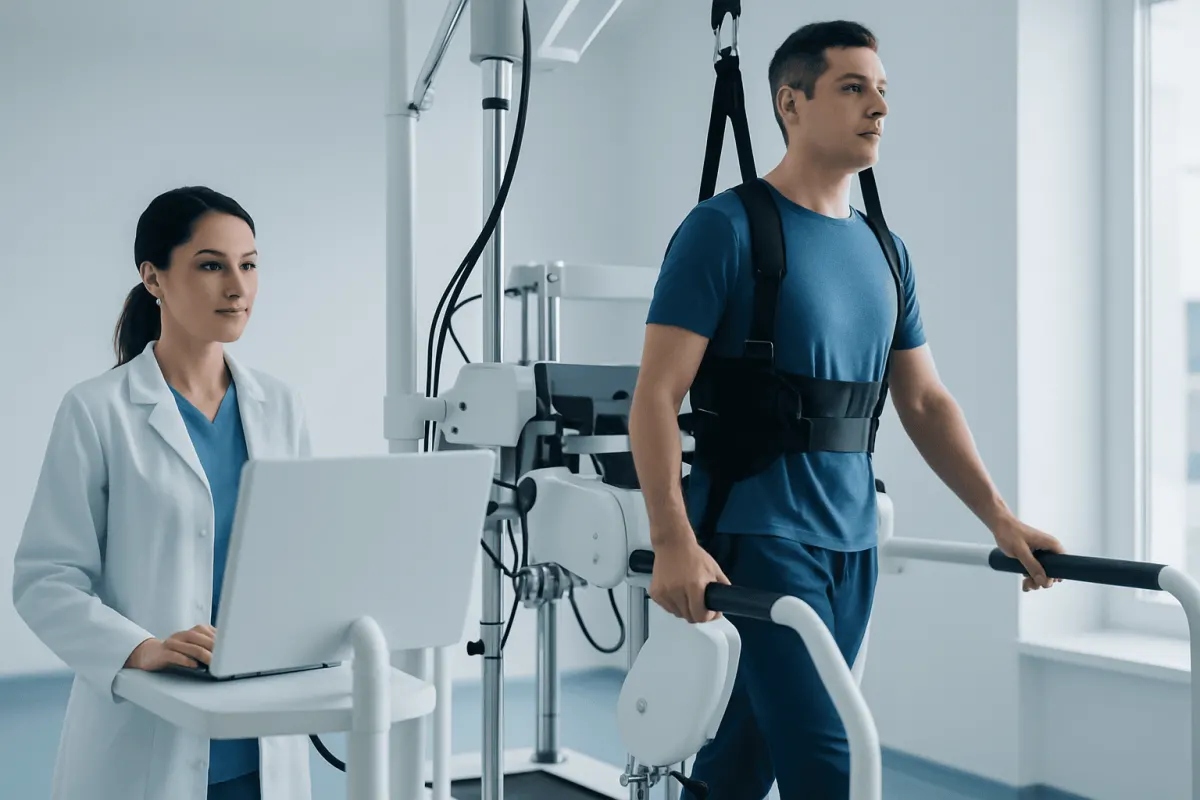
Many factors influence rehabilitation outcomes. The first is the underlying cause of disability or reduced function. Recovery after a simple orthopedic injury may be different from recovery after a stroke, spinal cord injury, major surgery, chronic pain condition, or neurological disease. The severity of the condition, how early rehabilitation begins, and whether there are complications can all affect what improvement is possible.
Personal health also matters. Age alone does not determine results, but overall health, nutrition, sleep, heart and lung function, muscle mass, mood, and other medical conditions can influence endurance and healing. Cognitive factors such as attention, memory, and motivation may affect how well a person can participate in therapy. Emotional stress, depression, or anxiety can also make recovery feel slower, so mental health support may be an important part of the plan.
The rehabilitation program itself is another key factor. Outcomes are often better when therapy is individualized, goal-based, and delivered by an experienced multidisciplinary team. Consistency is important: supervised sessions help, but home exercises, activity practice, and everyday habit changes often make a large difference. Family support, access to mobility aids, workplace adjustments, and a safe home environment can also improve long-term progress.
Sometimes rehabilitation follows conditions such as stroke or major musculoskeletal problems that require coordinated care over weeks or months. In these situations, realistic progress is usually measured in steps, with goals reviewed regularly rather than judged only at the end of treatment.
How progress is measured
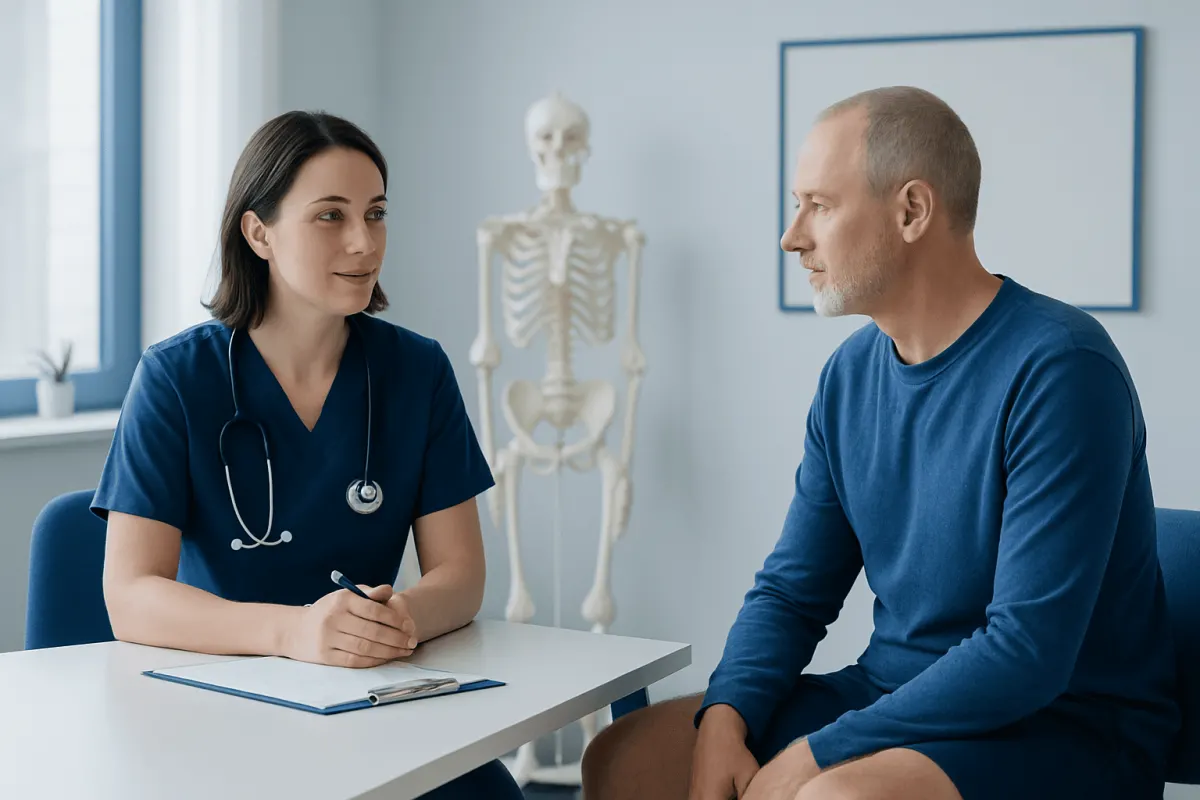
Rehabilitation results are usually measured by function. This means clinicians often focus on what the person can do in real life rather than only on scan findings or pain scores. Depending on the condition, they may assess walking speed, balance, joint movement, strength, endurance, hand use, speech clarity, swallowing safety, memory, attention, self-care, or return to school and work.
Patient-reported outcomes are also important. A person may report less pain, better confidence when moving, less fatigue, improved sleep, or greater ability to manage household tasks. These changes can be highly meaningful even if full physical recovery has not yet occurred. In rehabilitation, quality of life and independence are major outcome measures.
Clinicians often use structured goals to track progress. Short-term goals might include sitting unsupported for longer, climbing a few stairs, using the affected arm in daily tasks, or safely transferring from bed to chair. Longer-term goals may involve driving again, returning to work, walking outdoors, or reducing reliance on caregivers. Reassessment helps determine whether the current plan is working or whether therapy needs to be adjusted.
- Functional ability in daily activities
- Mobility, strength, and balance
- Pain levels and symptom control
- Speech, cognition, and swallowing if relevant
- Participation in work, school, family, and social life
- Safety and degree of independence
Typical patterns of improvement
Many people notice some improvement early in rehabilitation, especially when pain is reduced, swelling settles, or confidence begins to return. Early gains may come from learning safer movement strategies, using assistive devices properly, or practicing specific exercises. This phase can be encouraging, but it is still important to pace activity and avoid expecting every week to bring the same level of change.
As rehabilitation continues, progress may become slower but more meaningful. A person may build endurance, restore coordination, improve balance, and regain the ability to perform more complex tasks. In some conditions, such as after surgery, therapy helps tissues heal while also preventing stiffness and weakness. In others, such as neurological rehabilitation, the process may depend on retraining the brain and body through repetition and guided practice.
Plateaus are common. Sometimes the body needs time to adapt before the next improvement appears. In other cases, a plateau may signal that goals should be updated, exercises should be progressed, equipment should be changed, or another issue such as pain, spasticity, or mood symptoms should be addressed. Setbacks can also happen after illness, overexertion, or a change in medication, but they do not always erase prior progress.
For some people, realistic improvement means recovery; for others, it means better long-term management of a chronic condition. Rehabilitation can still be highly valuable even when a condition cannot be fully reversed, because it may help a person function more safely and comfortably in daily life.
Treatment approaches that support better outcomes
Effective rehabilitation usually combines several approaches tailored to the person’s needs. Exercise therapy may improve strength, flexibility, balance, endurance, and coordination. Task-specific practice helps people relearn everyday movements such as walking, reaching, dressing, or speaking clearly. Education is equally important, because understanding the condition, pacing activity, and preventing reinjury can help protect progress outside the clinic.
Some people benefit from specialized therapies or procedures alongside rehabilitation. For example, structured physical therapy and rehabilitation may be central after injury, surgery, or prolonged illness. If movement limitations are linked to joint disease, specialist assessment for orthopedics and traumatology may help guide treatment decisions. After severe neurological events, coordinated stroke rehabilitation can support recovery of mobility, communication, and independence.
Assistive devices and environmental changes may also improve outcomes. Braces, walkers, wheelchairs, adaptive utensils, shower chairs, and home modifications can reduce risk and make daily tasks easier. These tools do not mean rehabilitation has failed; often they allow a person to stay active and independent while recovery continues.
Near the end of treatment planning, many teams shift attention toward maintaining gains. This may involve a home exercise program, community-based activity, return-to-work strategies, pain management techniques, or periodic review. Acıbadem Health Point’s multidisciplinary specialists and JCI-accredited hospitals also provide evaluation and rehabilitation care for international patients when coordinated treatment is needed.
How to set realistic goals and stay motivated
Realistic goals are specific, measurable, and meaningful to the person’s life. Instead of aiming only to “get better,” it can help to define goals such as walking to the bathroom safely, using one hand to prepare a simple meal, speaking clearly enough for phone conversations, or managing stairs with less support. Goals should match the person’s current stage of recovery and be reviewed regularly.
Breaking larger goals into smaller steps can make progress easier to see. A person recovering from a serious injury may first work on sitting balance, then standing, then transferring, then short-distance walking. Celebrating these smaller achievements is important because they show that rehabilitation is moving forward, even if full recovery is still some time away.
Motivation often improves when patients understand why an exercise or activity matters. Therapy is not only about completing repetitions; it is about improving function in daily life. Keeping a simple recovery diary, tracking symptoms, noting activity tolerance, or recording what tasks have become easier can help people recognize gains they might otherwise overlook.
Family members can support progress by encouraging practice without creating pressure. Helpful support includes assisting with routines, making the home safer, attending appointments when appropriate, and understanding that fatigue and frustration can be part of the process. Open communication with the rehabilitation team can make goals more realistic and more achievable.
When expectations should be reviewed with a doctor or therapist
Regular review is a normal part of rehabilitation. Expectations should be discussed if progress has stalled for a prolonged period, pain is worsening, new weakness or numbness appears, falls are happening, or everyday function is becoming harder rather than easier. These changes may indicate that the current plan needs to be modified or that another medical issue should be assessed.
It is also wise to speak up if goals feel confusing, too easy, or unrealistic. Rehabilitation works best when the patient understands the purpose of treatment and feels involved in decision-making. A therapist or doctor can explain which improvements are likely, which may take longer, and what signs suggest that a different strategy would be more helpful.
Urgent medical review is needed for warning signs such as sudden severe weakness, chest pain, trouble breathing, signs of a new stroke, loss of consciousness, or a major fall with suspected injury. In less urgent situations, earlier review can still be valuable if fatigue, low mood, fear of movement, or practical barriers are interfering with attendance or home exercises.
Rehabilitation is most effective when expectations are honest but encouraging. Clear communication helps patients and families understand that meaningful improvement can include better movement, less pain, greater independence, and improved quality of life, even when recovery is incomplete.
Frequently asked questions
01How long does it take to see results from rehabilitation?
This depends on the condition, its severity, and the type of therapy. Some people notice early gains within days or weeks, while others need several months of steady work. Progress is often gradual, and small functional improvements can be meaningful.
02Does a plateau mean rehabilitation is not working?
Not necessarily. Plateaus are common and may happen when the body needs time to adapt or when goals need to be adjusted. A therapist or doctor can review the plan and look for barriers such as pain, fatigue, or an untreated medical issue.
03Can rehabilitation help even if full recovery is unlikely?
Yes. Rehabilitation can still improve strength, mobility, comfort, communication, safety, and independence. Even when a condition is chronic, therapy may help a person function better and participate more fully in daily life.
04What is a realistic goal in rehabilitation?
A realistic goal is one that is meaningful, specific, and matched to the person’s current abilities. Examples include walking safely at home, getting dressed with less help, improving balance, or returning to work with modifications. Goals should be reviewed and updated over time.
05Why do two people with the same condition recover differently?
Recovery varies because each person has different overall health, age-related factors, severity of illness or injury, motivation, support systems, and access to treatment. Complications, pain, mood, and how consistently therapy is followed can also influence outcomes.
06Should home exercises really matter that much?
In many rehabilitation programs, yes. Supervised sessions are important, but regular practice at home often helps reinforce movement patterns, build endurance, and maintain gains between appointments. Home programs should be done exactly as advised by the rehabilitation team.
This article is for general information only and is not a substitute for professional medical advice. Please consult a qualified doctor about your individual situation.
Joint and spine care in Turkey — expert assessment & treatment
JCI-accredited · board-certified surgeons · reply within 24h
Add us as a Preferred Source to see more of our trusted health content across Google Search, AI Overviews and Discover.