Rehabilitation in Turkey vs at Home: What International Patients Should Know
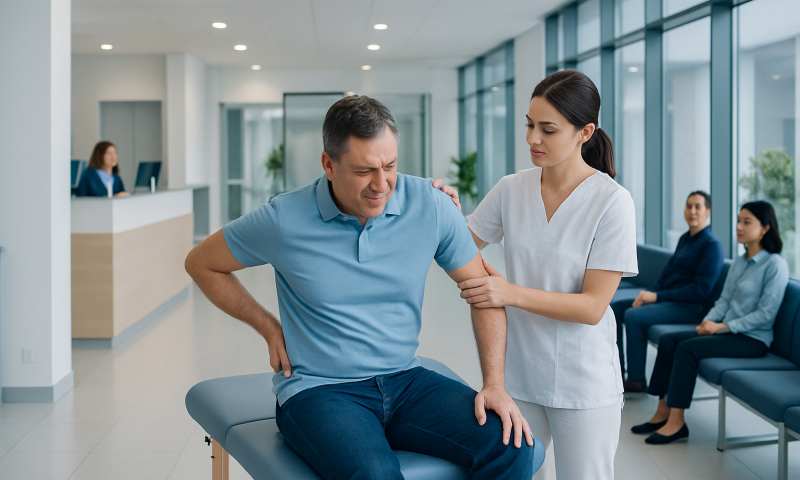
Choosing between rehabilitation in Turkey and rehabilitation at home depends on the patient’s condition, recovery goals, support system, and access to specialist therapy. A thoughtful plan can help international patients balance safety, convenience, continuity of care, and cost.
Overview: What This Decision Means
For international patients, rehabilitation is not just an extra step after treatment. It is often a core part of recovery that can affect mobility, pain, independence, daily function, and confidence. The choice between staying in Turkey for rehabilitation or returning home for therapy should be based on medical needs rather than convenience alone.
Rehabilitation may be needed after orthopedic surgery, neurological illness, stroke, trauma, spinal problems, major cardiac events, or prolonged hospitalization. Some people need intensive, supervised therapy in a specialist setting, while others do well with a structured home plan and regular outpatient visits. The right option depends on how much hands-on support and monitoring the patient needs.
For many people, Turkey offers the advantage of coordinated care in the same health system where the initial treatment took place. This can make communication between surgeons, physicians, rehabilitation specialists, and therapists more straightforward. On the other hand, rehabilitation at home may provide emotional comfort, family support, and easier access to long-term follow-up close to everyday life.
Rather than asking which option is universally better, it is more helpful to ask which option is safer, more practical, and more effective for the individual patient. A well-planned rehabilitation pathway should consider current health status, expected recovery timeline, travel readiness, and the availability of services both abroad and at home.
Who May Benefit Most from Rehabilitation in Turkey
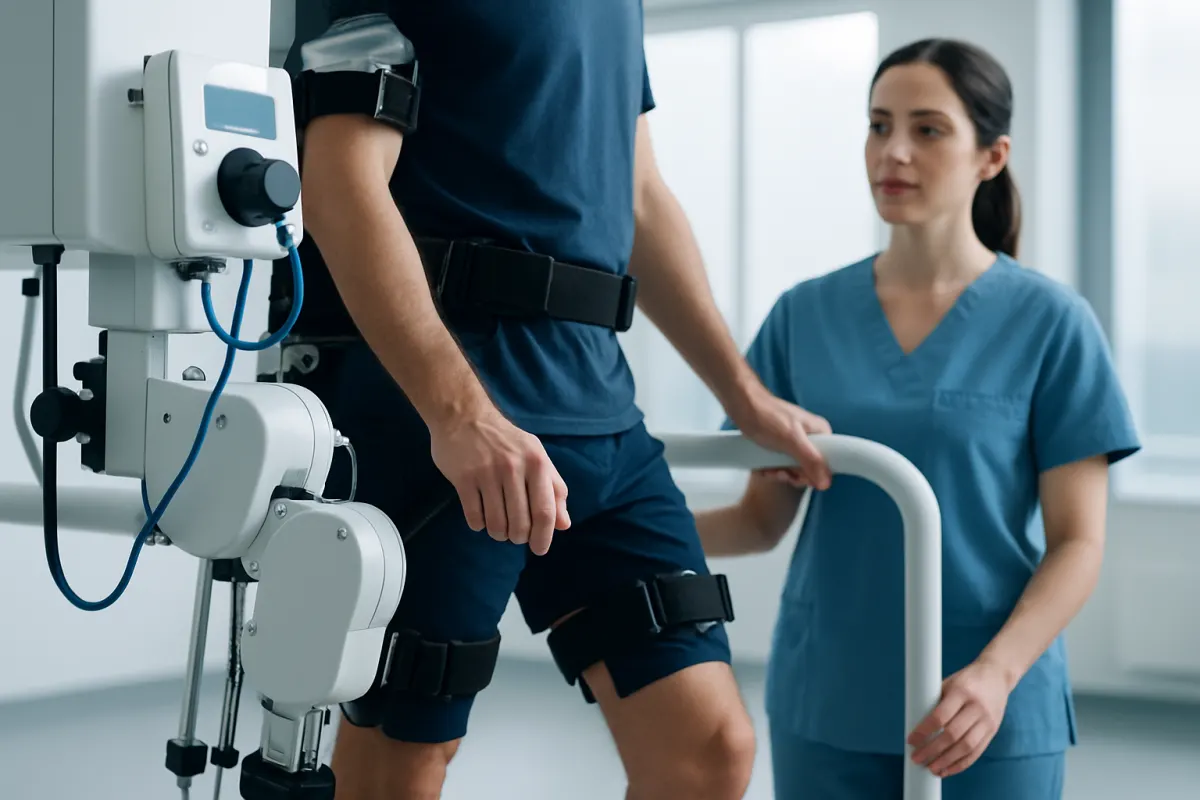
Rehabilitation in Turkey may be especially useful for patients whose recovery needs are complex or who benefit from a multidisciplinary approach. This can include people recovering from joint replacement, spinal surgery, stroke, traumatic injuries, or neurological conditions that affect balance, movement, or speech. In these situations, frequent reassessment and close teamwork between different specialists can be valuable.
Some patients also prefer to continue recovery in the same center where their procedure or hospital treatment was performed. This may reduce gaps in communication because imaging, surgical notes, discharge plans, and medication records are already available to the treating team. If adjustments are needed, the specialists are often easier to access while the patient remains nearby.
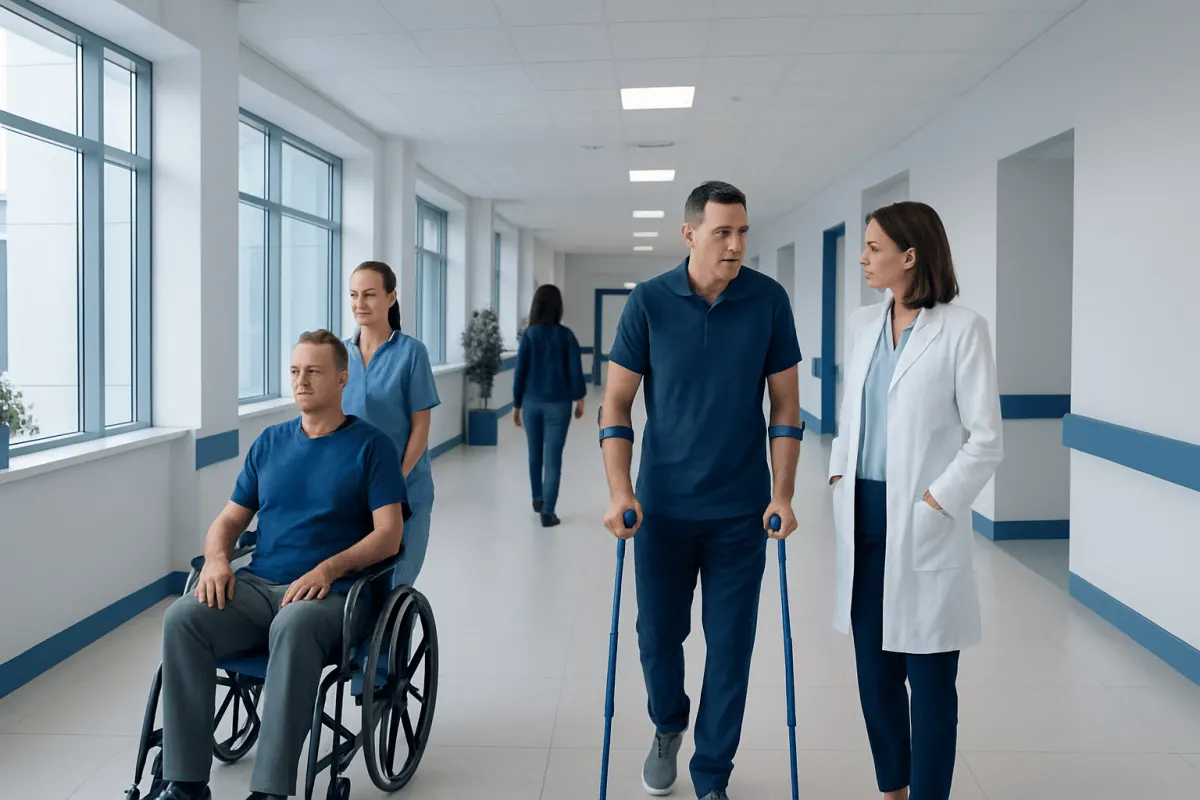
Center-based rehabilitation can also be helpful when the patient is not yet fully independent. Examples include difficulty walking safely, needing help with transfers, fatigue after serious illness, or needing regular pain management and supervised exercise progression. In these cases, inpatient or structured outpatient programs may offer a more secure environment than an early return home.
International patients exploring structured programs may hear about services such as rehabilitation and physical therapy after surgery or illness. For some conditions, specialist support may also overlap with care pathways in orthopedic rehabilitation or neurological rehabilitation, depending on the diagnosis and recovery goals.
When Rehabilitation at Home May Be the Better Choice

Rehabilitation at home may be the better option for patients who are medically stable, able to travel safely, and have dependable support after returning. Many people recover well when they have a clear exercise plan, scheduled outpatient therapy, and regular medical follow-up in their home country. Home can also be less stressful and more familiar, which may support motivation and emotional well-being.
For some patients, local rehabilitation is more practical because recovery takes weeks or months. Long-term therapy often works best when it fits naturally into everyday life. Attending nearby appointments, practicing daily activities in the home environment, and involving family or caregivers in the process can all be helpful.
Returning home may also make sense if specialist rehabilitation needs are limited. For example, a patient recovering from a straightforward procedure may mainly need mobility exercises, wound monitoring, gradual strengthening, and follow-up with a local physician. In such cases, an early discharge with a detailed rehabilitation plan can be entirely appropriate.
However, home rehabilitation is most effective when services are actually available. Before traveling back, patients should confirm whether physical therapy, occupational therapy, speech therapy, nursing support, mobility aids, and medical review can be arranged without long delays. A good plan should include who to contact if pain increases, mobility worsens, or new symptoms appear.
Main Factors to Compare Before Deciding
Several practical and medical factors can help guide the decision. The first is clinical complexity. A person with severe weakness, balance problems, high fall risk, recent complications, or multiple medical conditions may need supervised rehabilitation more than someone with a simpler recovery. The second is treatment intensity. Some patients benefit from daily therapy sessions that are difficult to organize at home.
Travel readiness is also important. Long flights, airport transfers, sitting for extended periods, and crossing time zones can be challenging soon after surgery or serious illness. The treating team should assess whether the patient can travel safely, what assistance is needed, and whether there are concerns such as blood clots, wound issues, uncontrolled pain, or respiratory problems.
Support systems matter as much as medical details. Patients should consider whether they have family or friends who can help with meals, mobility, hygiene, transport to appointments, and medication management. A person living alone may have very different needs from someone returning to a fully supportive household.
It is also wise to compare continuity of care, language support, and emergency planning. Patients should ask how records will be shared, who will answer questions after discharge, and what will happen if concerns arise after they return home. If the underlying condition involves recovery after stroke or another complex illness, coordinated follow-up can be especially important.
- Medical stability and complexity of recovery
- Intensity and type of therapy needed
- Ability to travel safely
- Availability of support at home
- Access to local rehabilitation services
- Communication between teams in different countries
Questions International Patients Should Ask the Care Team
Clear questions can make this decision much easier. Patients should ask what kind of rehabilitation is actually required, how long it is expected to last, and whether it needs to start immediately. It is also helpful to ask whether progress would be better in an inpatient unit, outpatient center, hotel-based recovery arrangement, or home setting.
Another key question is what milestones should be reached before travel. These may include pain being controlled, safe walking with or without aids, stable vital signs, wound healing, and the ability to manage basic daily tasks. Patients should also ask whether they need compression measures, medication review, medical escort support, or special seating arrangements during travel.
Follow-up planning deserves special attention. Patients should request a written discharge summary, rehabilitation goals, medication list, exercise instructions, and warning signs that need urgent review. If local doctors or therapists will continue care, records should be shared in a way that is clear and complete. This can be especially useful after procedures such as robotic rehabilitation or highly specialized therapy pathways, where technique and progression may differ between centers.
Financial and logistical questions are also reasonable. Patients may wish to compare the expected duration of stay abroad, accommodation needs, caregiver support, transport to therapy, and whether insurance or private coverage applies to any portion of treatment. Practical planning does not replace medical judgment, but it helps ensure that a realistic choice is made.
How a Safe Rehabilitation Plan Is Built
A good rehabilitation plan begins before the patient leaves the hospital. The treating team should assess mobility, self-care ability, pain levels, nutrition, medication needs, and any risks linked to travel or delayed recovery. Goals should be specific and realistic, such as walking a certain distance safely, managing stairs, improving arm function, or regaining independence in dressing and bathing.
The plan should also define who will provide each part of care. This may include a rehabilitation physician, physical therapist, occupational therapist, speech therapist, nurse, surgeon, neurologist, cardiologist, or family doctor. Patients recovering from complex conditions such as spinal cord injury may need highly individualized programs with ongoing reassessment and equipment planning.
Written instructions are essential, especially for international patients. These should cover exercises, precautions, mobility aids, wound care if needed, medication timing, nutrition advice, and when to increase activity. Patients should also know which symptoms require urgent review, such as chest pain, breathing difficulty, fever, sudden swelling, severe weakness, or confusion.
Near the end of the planning process, patients may also discuss where ongoing reviews can take place. Acıbadem Health Point’s multidisciplinary specialists in JCI-accredited hospitals diagnose and treat rehabilitation needs for international patients, and some people choose to begin recovery there before transitioning to local care at home. What matters most is not the location alone, but whether the transition is safe, informed, and well coordinated.
Possible Benefits and Limitations of Each Option
Rehabilitation in Turkey may offer concentrated specialist input, easier communication with the original treating team, and rapid adjustment of the recovery plan if concerns arise. This can be reassuring for patients who need close monitoring or intensive therapy. It may also reduce the burden of arranging multiple providers separately in the early stages of recovery.
At the same time, staying abroad can mean extra time away from home, more planning for accommodation and caregiver support, and the emotional challenge of recovering in an unfamiliar environment. Even when care is excellent, some patients feel more comfortable regaining strength in their own home and language setting once they are medically stable enough to travel.
Home rehabilitation can support long-term habit building because exercises and functional training happen in the real environment where the patient lives. Family involvement may be easier, and regular routines can gradually return. Yet home-based recovery may be less suitable if local access to therapy is limited or if specialist review is difficult to obtain quickly.
In many cases, the best solution is a blended approach. A patient may spend the early recovery phase in Turkey for close supervision and then continue therapy at home with a detailed handover. This kind of shared model can combine the advantages of specialist oversight with the comfort and practicality of long-term rehabilitation in the home country.
When to Reconsider the Plan or Seek Medical Advice
Whether rehabilitation takes place in Turkey or at home, the plan should be reviewed if recovery is not progressing as expected. Ongoing severe pain, new weakness, repeated falls, poor wound healing, increasing swelling, fever, or difficulty with eating, speaking, or breathing all deserve medical attention. New concerns do not always mean a serious complication, but they should not be ignored.
Patients should also seek advice if the planned level of support turns out to be unrealistic. For example, a person may return home expecting outpatient therapy to start quickly, only to face long waiting times or transportation problems. In such cases, the recovery plan may need to be adapted with extra home support, alternative providers, or renewed specialist input.
Emotional health matters too. Recovery can feel tiring or discouraging, especially after major illness or surgery. If anxiety, low mood, poor sleep, or fear of movement begin to interfere with rehabilitation, patients should mention this to their care team. Psychological support can be an important part of overall progress.
The decision between rehabilitation in Turkey and at home is not always fixed forever. With the guidance of qualified professionals, the plan can change as the patient’s condition changes. Flexible, well-communicated care is often the safest and most practical path for international patients.
Frequently asked questions
01Is rehabilitation in Turkey always better than rehabilitation at home?
No. The better option depends on the patient’s medical condition, therapy needs, travel safety, and support system. Some people benefit from specialist rehabilitation abroad, while others recover very well with structured care in their home country.
02How soon after surgery or illness can an international patient travel home?
That depends on the type of treatment, the patient’s stability, pain control, mobility, and the risk of complications. The treating doctor should decide when travel is safe and what precautions are needed during the journey.
03What kind of patients may need inpatient rehabilitation?
Patients with significant weakness, high fall risk, complex neurological or orthopedic recovery, or the need for daily supervised therapy may benefit from inpatient rehabilitation. It can also be useful when a patient is not yet independent with walking, transfers, or self-care.
04Can rehabilitation start in Turkey and continue at home later?
Yes. This is a common and practical approach for many international patients. Early recovery may happen under close supervision abroad, followed by a planned transfer to local therapists and doctors at home.
05What should patients arrange before choosing home rehabilitation?
They should confirm that local therapy services, medical follow-up, medications, and mobility aids will be available when they return. It is also important to have written discharge instructions and a clear plan for what to do if problems develop.
06Are language and medical records important in rehabilitation planning?
Yes. Good communication helps prevent confusion about exercises, precautions, medications, and follow-up. Patients should request a detailed summary of treatment and rehabilitation recommendations to share with local healthcare professionals.
This article is for general information only and is not a substitute for professional medical advice. Please consult a qualified doctor about your individual situation.
Joint and spine care in Turkey — expert assessment & treatment
JCI-accredited · board-certified surgeons · reply within 24h
Add us as a Preferred Source to see more of our trusted health content across Google Search, AI Overviews and Discover.