RED-S: Low Energy Availability in Athletes
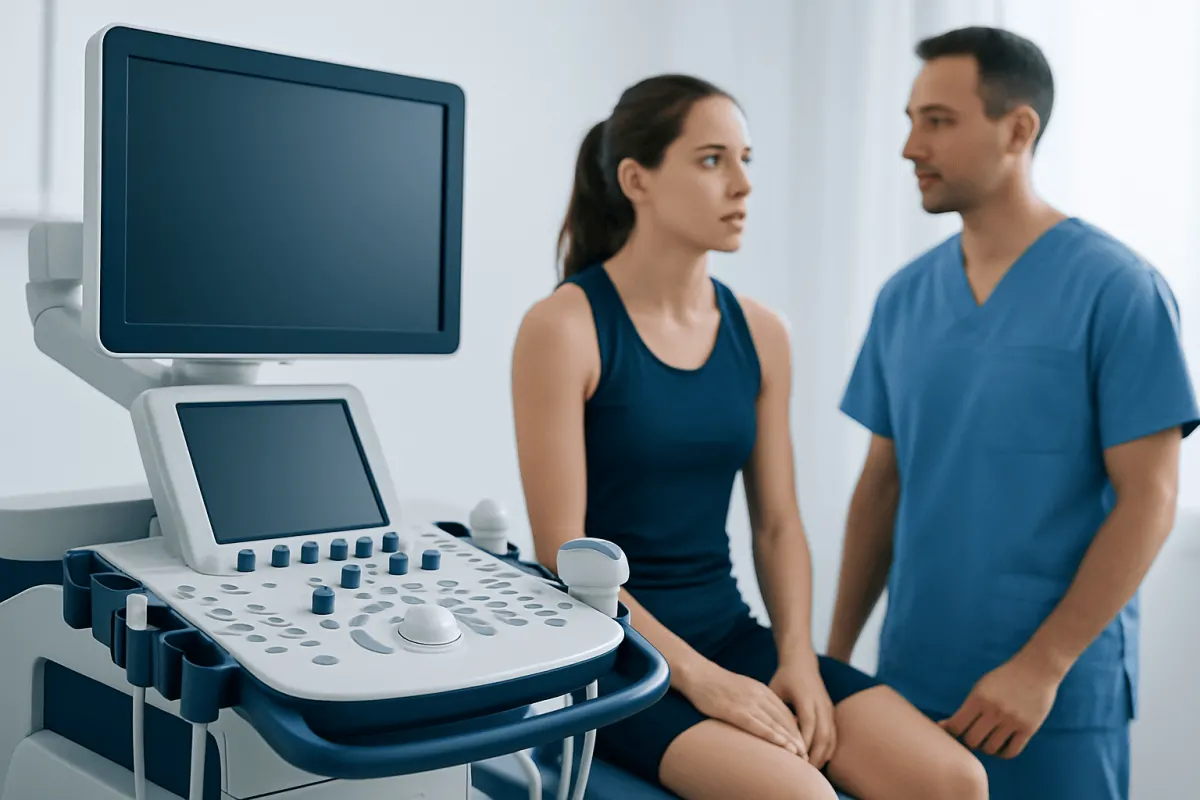
RED-S, or Relative Energy Deficiency in Sport, occurs when the body does not have enough energy left for normal functions after the energy demands of exercise are met. It can affect athletes and active people of any gender and may influence health, recovery, performance, mood, hormones and bone strength.
Understanding RED-S
RED-S stands for Relative Energy Deficiency in Sport. It is a syndrome that develops when energy intake does not consistently meet the combined needs of exercise and the body’s everyday functions. After fueling physical activity, too little energy may remain to support processes such as hormone production, bone remodeling, immunity, growth, digestion, temperature regulation and cardiovascular health.
RED-S can affect anyone who exercises, including elite athletes, dancers, military personnel and recreationally active people. It occurs in women, men and people of all gender identities. A person does not need to be underweight, compete at a high level or have an eating disorder to develop low energy availability. Body size alone cannot determine whether someone has RED-S.
The term is broader than the older concept of the female athlete triad, which focused on low energy availability, menstrual disruption and reduced bone density. RED-S recognizes that inadequate energy availability can affect many body systems and can occur in males as well as females. With appropriate assessment and support, most people can make meaningful progress toward recovery.
How RED-S May Affect Health and Performance
Symptoms of RED-S can be gradual and may initially seem like ordinary training fatigue. A person may notice reduced endurance or strength, slower recovery, persistent tiredness, difficulty concentrating, irritability, low mood, poor sleep or feeling unusually cold. Recurrent illnesses, frequent muscle strains, stress injuries or declining performance despite continued training may also occur.
Hormonal and reproductive changes are important possible signs. In females, periods may become irregular, infrequent or stop; however, menstrual changes should never be considered a normal or expected consequence of sport. In males, low energy availability may contribute to lower libido, fewer morning erections, reduced testosterone-related symptoms or impaired reproductive function. People of any gender may experience changes in sexual health and wellbeing.
Bone health is a particular concern because insufficient energy can interfere with bone formation and repair. This may raise the risk of bone stress injuries and fractures, especially in adolescents and young adults who are still building bone mass. Other potential effects include digestive symptoms, low iron stores, impaired immune function and changes in heart rate or blood pressure.
Not everyone experiences the same symptoms, and signs can overlap with other conditions. For this reason, persistent changes in health, mood, periods, injuries or performance deserve a medical assessment rather than self-diagnosis.
Why Low Energy Availability Develops

Low energy availability happens when food intake is too low relative to exercise energy expenditure, leaving inadequate energy for essential body functions. It may be unintentional. For example, a busy athlete may skip meals, underestimate the fuel needed for increased training, have limited access to food while traveling, or struggle to eat enough because of early training sessions, gastrointestinal discomfort or low appetite after exercise.
In some cases, food restriction is intentional and may be linked to pressure to change body shape, make a weight category, improve appearance or meet perceived sport expectations. Sports that emphasize leanness, aesthetics, endurance or weight classes may create particular pressures, but RED-S can occur in every activity. Disordered eating or an eating disorder can coexist with RED-S, though the two are not identical.
Training load can change quickly during a new season, training camp, injury return or preparation for a competition. Adolescents require additional energy for growth and puberty, while adults may need more fuel during periods of high training, illness recovery, pregnancy or other life changes. Restrictive diets, including unnecessarily avoiding major food groups, can make adequate fueling more difficult.
Risk is influenced by many factors, including prior stress fractures, a history of menstrual irregularity, perfectionism, anxiety around food or exercise, and limited knowledge about sports nutrition. These factors are not a diagnosis and should be approached with compassion. RED-S is a health issue, not a measure of commitment, discipline or athletic ability.
How Clinicians Assess RED-S
There is no single blood test that confirms or excludes RED-S. Diagnosis is based on a careful clinical assessment of nutrition, training, symptoms, injury history, growth and development, menstrual or reproductive health, medications and emotional wellbeing. A clinician may also ask about sleep, stress, digestive symptoms and beliefs or worries around food, body image and exercise.
A physical examination may include weight trends, blood pressure, heart rate and signs of nutritional deficiency. Depending on the individual’s symptoms, tests may be used to look for other explanations or consequences of low energy availability. These can include blood tests for anemia, iron status, thyroid function, vitamin levels, hormones or inflammation. Testing is individualized; results can sometimes be within reference ranges even when RED-S is present.
Bone density testing may be considered for people with repeated bone stress injuries, prolonged menstrual absence, delayed puberty or other risk factors for low bone density. Imaging may also be needed when a stress injury is suspected. Clinicians will consider other possible causes of fatigue, missed periods, weight change or hormonal symptoms, including pregnancy, endocrine conditions, chronic disease and mental health concerns.
Open, nonjudgmental communication is essential. A sports medicine physician, primary care clinician, pediatrician or endocrinologist may coordinate care, often with a sports dietitian and mental health professional. Involving a coach, parent or trusted support person can be helpful when the patient agrees, particularly for younger athletes.
Treatment: Restoring Energy and Supporting Recovery
The main goal of RED-S treatment is to restore adequate energy availability. This usually means increasing nutritional intake, reducing training demands temporarily, or using both approaches. The right balance varies according to symptoms, age, current health, sport, training schedule and whether there are injuries or medical complications. A clinician should guide decisions rather than relying on a generic diet or training plan.
A sports dietitian can help create regular meals and snacks that provide enough total energy, carbohydrates, protein, fats and key micronutrients. The plan may include practical strategies such as fueling before and after activity, bringing snacks to training, and avoiding long gaps without food. Calcium, vitamin D, iron or other supplements may be recommended only when clinically appropriate; supplements do not replace sufficient overall nutrition.
Training modification is not a punishment or a failure. It is a temporary health-focused measure that may include reducing volume or intensity, adding rest days, avoiding additional exercise outside planned training, or pausing impact activity when bone stress injury is suspected. Return to full training is typically gradual and based on improving health markers, symptoms, fueling habits and injury recovery.
Psychological support can be an important part of care, especially if there is anxiety about eating, body image concerns, compulsive exercise or an eating disorder. Treatment should address both physical and emotional wellbeing. Acıbadem Health Point’s multidisciplinary specialists and JCI-accredited hospitals can assess and treat RED-S-related health concerns for international patients.
Prevention and Everyday Self-Care
RED-S prevention begins with recognizing that food is an essential part of training and recovery. Athletes generally benefit from eating regularly throughout the day and adjusting intake when exercise duration, intensity or frequency increases. Reliable access to balanced meals, planned snacks and fluids can help prevent unintentional under-fueling, especially around early sessions, travel and competition periods.
Rest and recovery are also core components of a sustainable training routine. Adequate sleep, scheduled lower-intensity days and gradual increases in training load help the body adapt. Coaches and athletes should view persistent fatigue, worsening performance and repeated injuries as signals to reassess recovery and fueling, not simply as reasons to train harder.
Tracking menstrual cycles can help females identify changes early. Missing or irregular periods should be discussed with a healthcare professional, even if pregnancy is not possible or body weight has not changed. Males and people of all genders should also seek advice for changes in libido, sexual function, fatigue, mood or recurrent injuries.
Parents, coaches and teammates can help by avoiding comments that focus on weight or appearance and by supporting health-focused performance goals. If food, exercise or body image is causing distress, early compassionate support can reduce the chance of more serious physical and emotional consequences.
When to Seek Medical Care
Medical advice is appropriate when an active person has persistent tiredness, declining performance, repeated illness, frequent injuries, unexplained weight change, digestive difficulties or concerns about eating patterns. A person should also arrange an assessment for missed, irregular or delayed periods; low libido or changes in sexual function; or a suspected stress fracture. Early evaluation can help identify RED-S or another treatable health condition.
More prompt care is needed for severe bone pain, inability to bear weight, fainting, chest pain, a very slow heartbeat, significant dizziness, dehydration, confusion, or symptoms suggesting serious nutritional restriction. These symptoms may have causes other than RED-S, but they should not be ignored. Emergency services should be used when symptoms are severe or immediate safety is a concern.
People with restrictive eating, vomiting, laxative misuse, binge eating, compulsive exercise, intense fear of weight gain, or thoughts of self-harm should seek professional mental health and medical support promptly. Recovery is possible, and asking for help is a constructive step. A qualified clinician can advise whether activity should be reduced or stopped while assessment is underway.
Frequently asked questions
01What does RED-S mean?
RED-S means Relative Energy Deficiency in Sport. It describes health and performance effects that can develop when there is not enough energy available from food after the demands of exercise are met. The condition can affect multiple systems, including hormones, bones, immunity, metabolism and mental wellbeing.
02Can RED-S affect men?
Yes. RED-S can affect men, women and people of all gender identities. In men, possible signs can include reduced libido, changes in sexual function, fatigue, low mood, recurrent injuries and impaired performance, although symptoms vary between individuals.
03Do people with RED-S always lose weight?
No. A person can have RED-S at any body size, and weight loss is not required for the condition to occur. The key issue is whether enough energy remains to support normal body functions after exercise, not a person’s appearance or weight alone.
04Is it normal for athletes to stop having periods?
No. A missed or irregular period should be assessed by a qualified healthcare professional. Although intensive training and low energy availability can contribute, pregnancy and other medical causes also need to be considered.
05How long does RED-S recovery take?
Recovery time varies widely because it depends on the severity and duration of low energy availability, the presence of injuries, hormonal effects and each person’s treatment plan. Some symptoms may improve within weeks after fueling and training changes, while bone and hormonal recovery can take longer. Ongoing clinical follow-up helps guide a safe return to full activity.
06Should someone with suspected RED-S stop exercising completely?
Not always, but training often needs to be modified while health is assessed and energy availability is restored. The appropriate level of activity depends on symptoms, medical findings and injury risk. A clinician can provide individualized advice, especially when a stress fracture, fainting, heart-related symptoms or significant eating concerns are present.
This article is for general information only and is not a substitute for professional medical advice. Please consult a qualified doctor about your individual situation.
Heart care in Turkey — expert evaluation and treatment
JCI-accredited · board-certified surgeons · reply within 24h
Add us as a Preferred Source to see more of our trusted health content across Google Search, AI Overviews and Discover.