Receding Hairline Treatment: Options, Effectiveness and Recovery

Key Takeaways
- A receding hairline is often linked to hereditary pattern hair loss, but other medical or lifestyle factors can contribute.
- Early evaluation matters because treatment usually works best before hair loss becomes advanced.
- Options range from topical medicines and oral treatments to procedures such as hair transplantation.
- Recovery time depends on the chosen treatment and can range from minimal downtime to several weeks of visible healing.
- A doctor can help confirm the cause and build a plan that matches hair goals, medical history, and long-term expectations.
A receding hairline can have several causes, but common treatments may help slow progression, improve thickness, or restore a more balanced hairline. The best approach depends on the cause, the extent of hair loss, and whether the goal is medical management, cosmetic improvement, or both.
Overview
A receding hairline is a common form of hair loss in which the front hairline gradually moves backward, often starting at the temples. For many people, the first question is not only why it is happening, but what receding hairline treatment can realistically do. The answer depends on the cause: some treatments help slow further loss, some can thicken miniaturized hairs, and others can restore the hairline surgically.
In clinical practice, the most important step is identifying whether the hairline is receding because of pattern hair loss, traction from repeated styling, inflammatory scalp disease, medication effects, or another condition. That distinction matters because the treatment plan changes with the diagnosis. A careful assessment also helps patients set expectations early, which is especially useful for anyone planning treatment while traveling or coordinating follow-up care from another country.
For many adults, the goal is not to chase a perfect, straight juvenile hairline. A more realistic plan is usually to preserve existing hair, improve density where possible, and create a natural-looking frame for the face. When the plan is individualized, results are generally more satisfying and easier to maintain.
Symptoms and Pattern of Hairline Changes
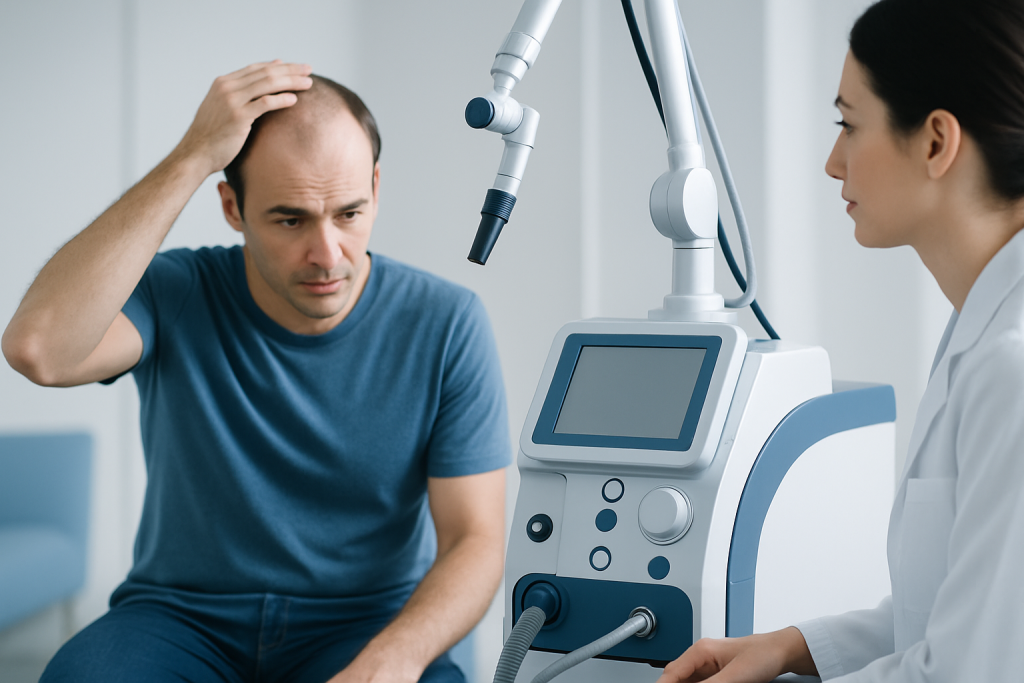
The most noticeable sign is a gradual shift in the hairline, often first seen at the temples or along the frontal scalp. Some people notice that their hairline appears higher in photographs, while others see more scalp show through when the hair is wet or under bright light. Increased shedding, finer hair strands, or difficulty styling the front section may also appear.
Receding hairline does not always happen at the same pace. In androgenetic alopecia, the common hereditary form of hair loss, the change may be slow and subtle over years. In traction-related hair loss, the hairline may thin in places where the hair is repeatedly pulled tight. If the scalp is itchy, painful, scaly, or red, that points more toward an inflammatory cause that needs medical review.
It can help to look beyond the mirror and track the pattern over time. Comparing old photographs, parting the hair in the same way, or noting changes in ponytail tension, grooming habits, or shedding can give useful clues. These observations help a dermatologist decide whether the hairline is receding, shedding, or both.
Causes and Risk Factors

The most common cause of a receding hairline is hereditary pattern hair loss, also known as androgenetic alopecia. In this condition, hair follicles gradually become more sensitive to hormones and shrink over time, producing finer and shorter hairs before they stop growing visibly in some areas. It often affects men and women differently, but both can experience hairline changes.
Other causes may include traction alopecia from tight hairstyles, chronic use of extensions or head coverings that create repeated pulling, certain skin conditions of the scalp, and temporary shedding after illness, childbirth, major stress, or nutritional deficiency. Some medicines can also contribute to hair thinning, which is why a full medication review is important.
Risk factors can include family history, age, hormonal changes, smoking, inadequate protein or iron intake, and scalp inflammation. For some patients, the hairline is only part of the picture, and a broader pattern of thinning at the crown or widening part helps confirm the diagnosis. In international patients, this evaluation may also include reviewing previous treatment records, blood tests already done at home, and images taken over time.
Diagnosis
Diagnosis usually begins with a detailed history and scalp examination. A clinician may ask when the hairline first changed, whether shedding is happening, which hairstyles are used, and whether there are symptoms such as itching, burning, or flaking. The scalp and hair shafts are then examined for miniaturization, breakage, inflammation, or scarring.
In some cases, dermoscopy is used to look closely at the follicles and identify a pattern consistent with hereditary hair loss or another condition. Blood tests may be ordered if the history suggests thyroid disease, iron deficiency, hormone imbalance, or a nutritional issue. If the diagnosis is uncertain or scarring alopecia is suspected, a scalp biopsy may be recommended.
For patients considering surgery, the evaluation also includes donor hair quality, scalp laxity, hair characteristics, and future hair loss risk. This is especially important because the best hairline design is one that still looks natural if thinning continues over the coming years. Good planning reduces the chance of needing repeated cosmetic correction later.
Treatment Options
Receding hairline treatment usually falls into two broad groups: medical therapy and procedural restoration. Medical treatment is often used first, especially when the goal is to slow progression and preserve current hair. Procedural treatment, such as hair transplantation, may be appropriate when hair loss is stable enough and the patient wants visible density improvement in the front hairline.
Topical treatments are commonly used for pattern hair loss. They can help some follicles stay in the growth phase longer and may modestly improve density with consistent use. Oral medicines are also used in selected patients, particularly when hormonal pathways are involved. A physician should decide which treatments are suitable, since not every option fits every person’s age, sex, medical history, or family-planning goals.
For a more permanent cosmetic change, hair transplantation can move healthy follicular units from the back or sides of the scalp to the frontal hairline. Techniques such as follicular unit transplantation or follicular unit extraction are chosen according to hair characteristics, donor supply, and desired pattern. The best candidates usually have a stable diagnosis, realistic expectations, and enough donor hair for a natural result.
Other supportive options may include low-level light therapy, platelet-rich plasma in some practices, and treatment of the underlying scalp condition if inflammation or traction is present. These approaches are not identical in effectiveness for every patient, and they are usually considered part of a broader plan rather than stand-alone solutions. When hair loss is due to scarring or active inflammation, controlling the underlying disease is the priority before cosmetic restoration is considered.
It is also worth remembering that no treatment can guarantee full regrowth everywhere. The most effective plans often combine preservation, stimulation, and, when appropriate, restoration. That approach is particularly helpful for patients who want a balanced front hairline rather than an overfilled or unnatural result.
Recovery and What to Expect
Recovery depends on the treatment chosen. Topical and oral medicines usually do not require downtime, but they do require patience because visible changes often take months rather than weeks. Some people notice reduced shedding before they notice new growth, which is a normal sequence rather than a sign of failure.
After a hair transplant, the early healing phase may include mild swelling, redness, small crusts, and temporary tenderness in the donor and recipient areas. Most patients are given instructions for gentle washing, sleeping position, sun protection, and activity limits during the first days after the procedure. The transplanted hairs often shed before regrowing, so the early appearance can feel discouraging if the patient does not know this is expected.
Longer-term recovery is about hair maturation. New transplanted hairs typically become easier to see over the following months, and the final cosmetic appearance continues to improve as the strands thicken and blend with surrounding hair. Follow-up is important because patients may need maintenance treatment to protect the non-transplanted hair and keep the hairline looking consistent over time.
Prevention and Self-care
Not every receding hairline can be prevented, especially when genetics play a major role. Still, good scalp care and thoughtful hair habits can reduce avoidable stress on the follicles. Gentle grooming, avoiding repeated traction, and minimizing harsh chemical or heat damage are practical steps that may help protect the hairline.
A balanced diet that includes enough protein, iron, zinc, and other essential nutrients supports normal hair growth. Managing underlying conditions such as thyroid disease, chronic stress, or scalp dermatitis can also make a meaningful difference. When a person smokes, quitting may support overall skin and follicle health as part of a broader wellness plan.
Self-care is also about observing change rather than guessing at it. Taking periodic photos, recording new shedding, and noticing scalp symptoms can help a patient and doctor see whether the condition is stable or progressing. For international patients, keeping a simple treatment timeline and medication list makes it easier to continue care after returning home.
When to See a Doctor
A medical evaluation is a good idea when the hairline is changing steadily, when shedding seems excessive, or when there are scalp symptoms such as itching, pain, scale, or redness. It is also important to seek care if hair loss appears patchy, sudden, or associated with eyebrow, beard, or body hair loss. Those patterns may point to a different diagnosis than common hereditary recession.
People should also see a doctor before starting prescription hair loss treatment, because the safest and most effective option depends on the cause. This is especially important for women who are pregnant or planning pregnancy, for anyone with autoimmune disease or hormonal concerns, and for patients taking medicines that may affect hair growth. A clinician can help avoid treatments that are unlikely to help or that may not suit the person’s health profile.
For patients considering surgery, a consultation is worthwhile even if the hairline has not changed dramatically yet. Early planning allows the doctor to map the hairline conservatively and discuss whether medical therapy should come first. At Acibadem Health Point, multidisciplinary specialists and JCI-accredited hospitals diagnose and treat hair and scalp conditions for international patients, with care plans designed around both treatment and follow-up.
Living with a Receding Hairline
Hair loss affects appearance, but it can also affect confidence, social comfort, and how someone feels in photos or public settings. A helpful approach is to treat the condition as a medical and cosmetic issue at the same time, rather than forcing one or the other. That mindset gives patients more options and often reduces frustration.
In practice, the most useful plan is the one the patient can continue. Some people do well with medication and periodic review, while others prefer a procedure after understanding the recovery and maintenance needs. The right choice depends on hair goals, medical suitability, and how much change the person wants to see.
Clear expectations matter. A doctor can explain which hairs may stabilize, which may thicken, and where treatment is less likely to reverse loss. That conversation helps turn uncertainty into a practical plan.
Frequently asked questions
01What is the best receding hairline treatment?
The best treatment depends on the cause of the hair loss and how advanced it is. For hereditary pattern hair loss, medicines may help slow progression, while hair transplantation can restore density in selected patients. A doctor should confirm the diagnosis before treatment starts.
02Can a receding hairline grow back?
Sometimes it can improve, especially if the follicles are still active and the cause is treated early. Hair that has become permanently miniaturized or replaced by scar tissue is less likely to return. Early evaluation gives the best chance of preserving what remains.
03How long does recovery take after a hair transplant?
Initial healing usually takes days to a couple of weeks, but the cosmetic recovery takes longer. Transplanted hairs may shed before regrowing, and final results often appear gradually over several months. The doctor will explain the expected timeline and aftercare steps.
04Are over-the-counter products enough for a receding hairline?
Some over-the-counter products may help certain people, but they are not enough for every cause of hairline recession. If the problem is hereditary, inflammatory, or related to traction, the person may need a targeted medical plan. A proper diagnosis is the safest starting point.
05Is hair transplant surgery a permanent fix?
Transplanted hairs are taken from areas that are usually more resistant to thinning, so they can be long-lasting. However, the rest of the natural hair may continue to thin over time, which is why ongoing care is often recommended. Good planning helps the result look natural as the person ages.
06When should someone worry about sudden hairline recession?
Sudden hair loss, patchy thinning, scalp pain, redness, or scaling deserves medical review. These signs can suggest inflammation, infection, or another condition that needs treatment beyond standard hair-loss care. Prompt assessment helps protect the scalp and guide the right next step.
This article is for general information only and is not a substitute for professional medical advice. Please consult a qualified doctor about your individual situation.
Hair transplant in Turkey — costs, graft counts & a free assessment
JCI-accredited · board-certified surgeons · reply within 24h
Add us as a Preferred Source to see more of our trusted health content across Google Search, AI Overviews and Discover.