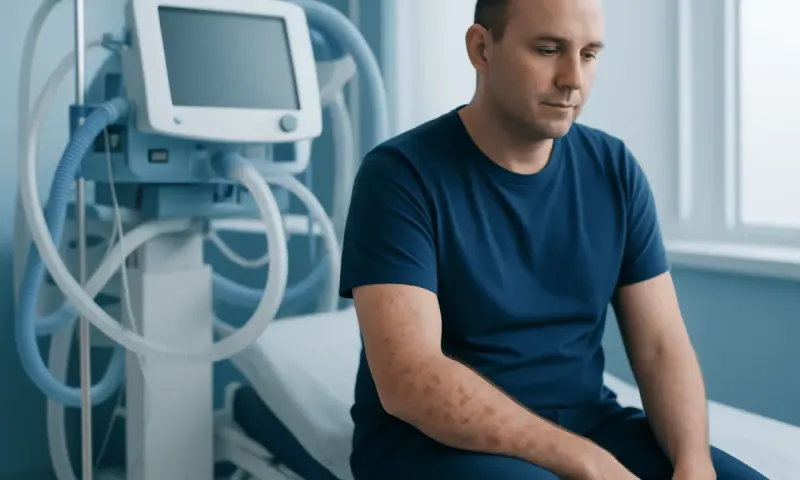
Rash on Scalp: Common Causes, Related Conditions, and When to See a Doctor
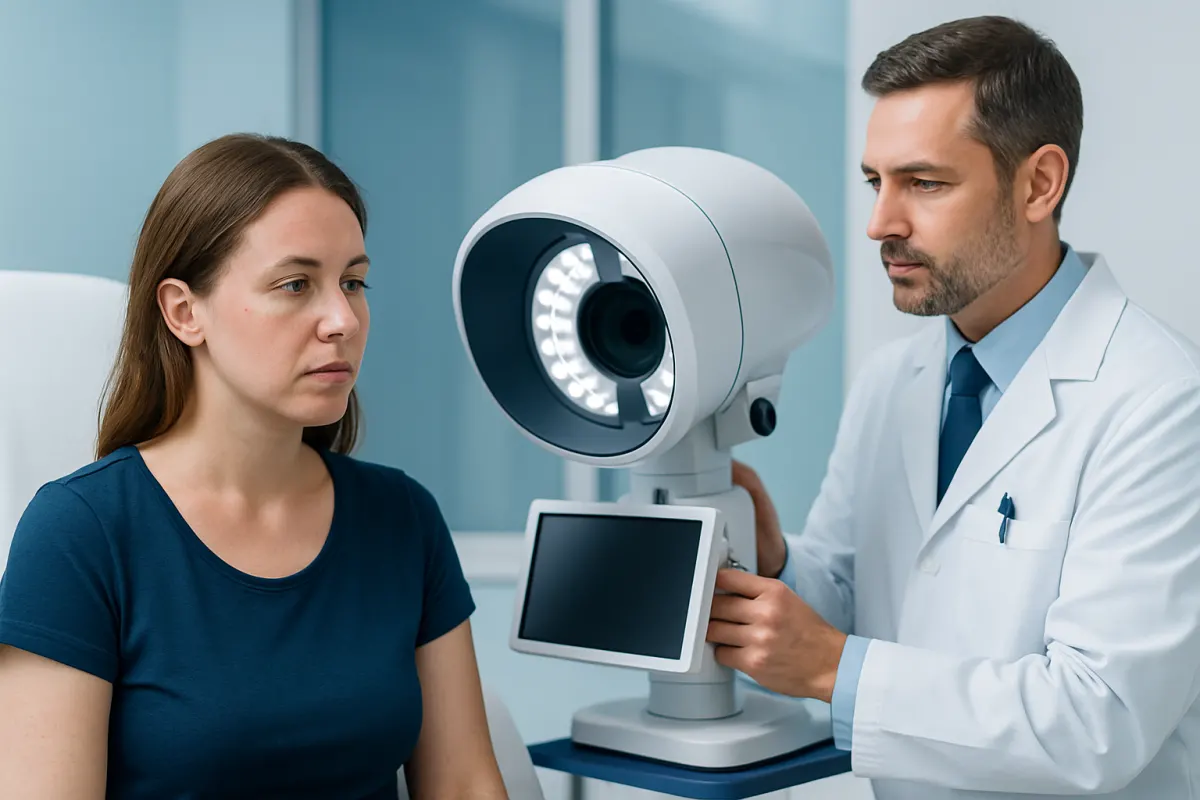
A rash on scalp is a change in the skin that may cause itching, flakes, redness, bumps, scaling or discomfort. It is often linked to dandruff or product irritation, but persistent, painful, spreading or hair-loss-related symptoms should be assessed by a qualified clinician.
Overview: What Does a Rash on Scalp Mean?
A rash on scalp refers to irritated or inflamed scalp skin that may appear red, flaky, scaly, bumpy, crusted, tender or itchy. It is a symptom rather than a single diagnosis. In many cases, it is related to a common, manageable skin condition such as dandruff, eczema or irritation from a hair product. The appearance alone may not identify the cause, especially when hair covers the affected skin.
Some scalp rashes are short-lived and improve after avoiding a trigger or using an appropriate medicated shampoo. Others need medical assessment because they may be caused by an infection, an inflammatory skin condition, or a reaction to medicine. A clinician can examine the scalp, ask about symptoms and exposures, and recommend care that is appropriate for the underlying problem.
The pattern of symptoms provides useful clues. Fine white or yellowish flakes may occur with dandruff, while sharply outlined thick scale can occur with psoriasis. Circular scaly patches and broken hairs may suggest a fungal infection. However, these features can overlap, so self-diagnosis is not always reliable.
Symptoms That Can Accompany a Scalp Rash
An itchy scalp is a frequent symptom, but not every rash itches. Some people mainly notice flaking on clothing, greasy scale near the hairline, or areas that feel dry and tight. Others have burning, tenderness, swelling, pimples, sores or crusting. Symptoms may affect one small area or the entire scalp and can also extend to the forehead, ears, neck, eyebrows or beard area.
Hair changes are important to note. Temporary shedding can occur when scalp inflammation is significant, and hair may break where there is infection or vigorous scratching. Patchy hair loss, smooth bald areas, broken hairs, or scarring of the scalp should be professionally evaluated. Early assessment is particularly helpful when inflammation could affect hair follicles.
Keeping a simple record can support diagnosis. It may be useful to note when symptoms started, whether they follow use of a new shampoo, dye, oil or styling product, and whether a close contact has similar symptoms. Information about recent illness, new medicines, pets, contact sports, travel, and a history of eczema, psoriasis or allergies may also be relevant.
Common Causes and Related Conditions
Seborrheic dermatitis is one of the most common causes of a flaky scalp rash. It is associated with oil-producing areas of the skin and a normal skin yeast that can contribute to inflammation in susceptible people. It may cause persistent dandruff, itchiness, redness and greasy white or yellow scale. Symptoms can come and go and may worsen with stress, cold weather or illness.
Contact dermatitis develops when the scalp reacts to an irritating or allergy-causing substance. Hair dyes, fragrance, preservatives, shampoos, conditioners, styling products and some essential oils can be triggers. Symptoms may include itching, burning, redness, swelling or weeping skin, often appearing after a new product or a change in formulation. Reactions to hair dye can sometimes be significant and should not be ignored.
Psoriasis and eczema are inflammatory skin conditions that can involve the scalp. Scalp psoriasis often causes well-defined areas of thicker, dry scale that may extend beyond the hairline. Atopic eczema may lead to dry, itchy, sensitive skin and is more likely in people with a personal or family history of allergies, asthma or eczema. These conditions are not contagious, although they can be uncomfortable and recurrent.
Infections are another consideration. Fungal infection of the scalp, also called tinea capitis, is more common in children but can occur at any age. It may cause round scaly patches, itching, broken hairs or swollen areas. Bacterial folliculitis causes inflamed bumps or pustules around hair follicles. Head lice can also cause intense itching, especially behind the ears and at the back of the neck, with nits attached firmly to hair shafts.
Factors That May Trigger or Worsen Symptoms
Many scalp rashes develop because the skin barrier is irritated or because an existing skin condition becomes active. Frequent use of harsh cleansers, fragranced products, chemical straightening, bleaching, tight hairstyles and heat styling may aggravate sensitive skin. Scratching can damage the skin further, increase inflammation and raise the chance of a secondary bacterial infection.
Oil, sweat and product buildup may worsen seborrheic dermatitis or folliculitis in some people. Wearing close-fitting hats or helmets for prolonged periods can trap heat and moisture, although hats themselves do not cause every scalp problem. Washing hair too rarely or very aggressively can each be unhelpful, depending on the person’s hair type and the condition involved.
Immune system changes, diabetes, certain medicines and long-term health conditions can increase susceptibility to some infections or make skin inflammation harder to control. Infants, older adults and people with a weakened immune system should seek professional advice sooner if a rash is persistent, extensive or accompanied by signs of infection.
How a Scalp Rash Is Diagnosed
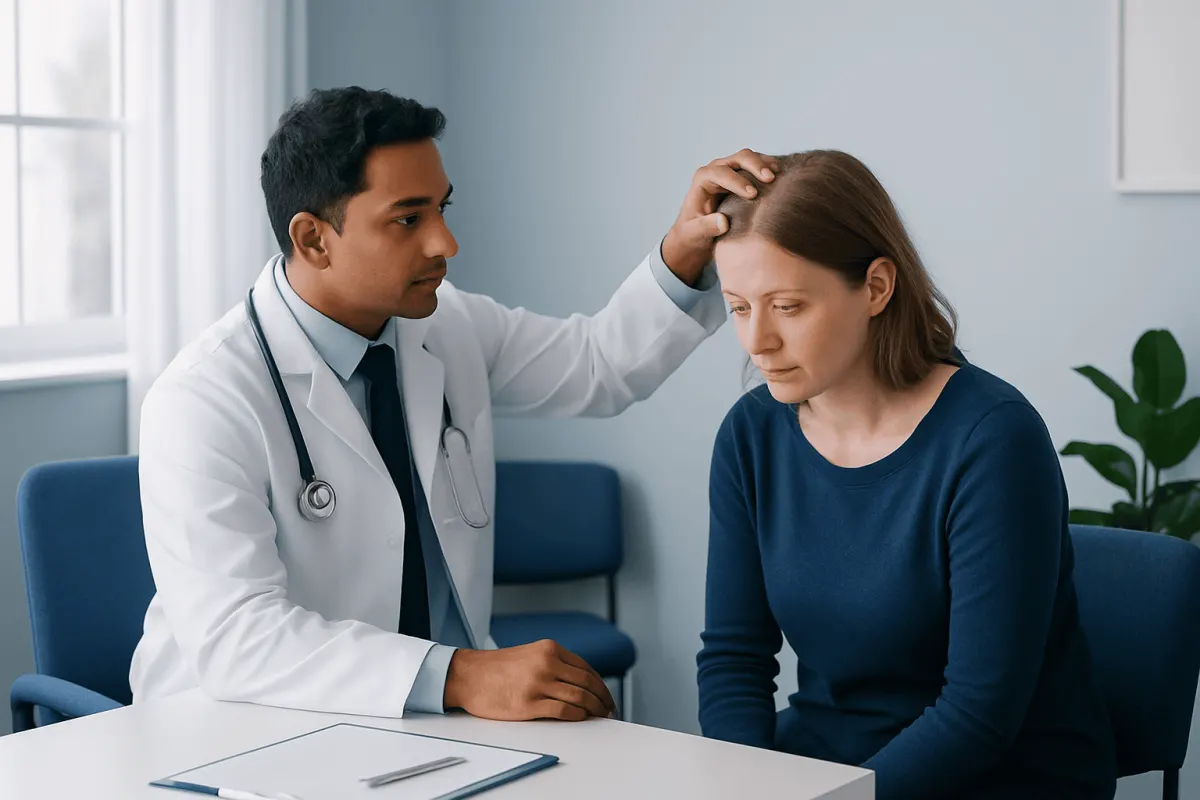
A doctor or dermatologist usually begins with a detailed history and examination of the scalp, hairline and nearby skin. They may ask about itch, pain, flaking, hair loss, skin products, household contacts, pets, other rashes and medical history. Examining the nails, elbows, ears or other body sites can sometimes help distinguish psoriasis, eczema and other related conditions.
Often, the diagnosis is clinical, meaning it can be made from the symptoms and examination. If a fungal infection is suspected, the clinician may collect a small sample of scale or hairs for laboratory testing. Swabs may be taken from pus-filled lesions when bacterial infection is possible. Patch testing can help identify allergic contact dermatitis when reactions to personal-care products are suspected.
Occasionally, a dermatologist may recommend further testing or a small skin biopsy if the diagnosis remains uncertain, symptoms do not improve with treatment, or there is concern about a less common disorder. This is a routine way to clarify the cause and guide care; it does not necessarily mean a serious condition is present.
Treatment Options and Everyday Scalp Care
Treatment for a rash on scalp depends on its cause. For dandruff and seborrheic dermatitis, clinicians may recommend a medicated shampoo containing an antifungal, keratolytic or anti-inflammatory ingredient. These products need to be used as directed, often with time left on the scalp before rinsing. A clinician may prescribe a topical anti-inflammatory treatment for short periods when redness and itch are more pronounced.
When contact dermatitis is suspected, the key step is stopping the likely trigger. It can be helpful to use a simple, fragrance-free hair-care routine while the skin recovers. A clinician may recommend treatment to settle inflammation and may arrange patch testing if the trigger is unclear. Reintroducing several products at once can make it difficult to identify what caused the reaction.
Fungal scalp infections generally require prescription antifungal medicine because shampoos alone may not fully treat infection within the hair shaft. Bacterial folliculitis may require different treatment, depending on its severity and cause. Psoriasis and eczema can be managed with tailored topical medicines, scalp preparations and a long-term plan for flare prevention. It is best not to use leftover prescription creams, antibiotics or antifungal treatments without guidance.
At home, people can avoid picking and scratching, wash combs and brushes regularly, and avoid sharing hats, towels, pillows or hair accessories when infection or lice is possible. Gentle washing is usually preferable to harsh scrubbing. Thick scale may loosen with clinician-recommended products, but forcefully removing it can injure the scalp and worsen inflammation.
When to Seek Medical Care
Medical advice is appropriate when a scalp rash lasts longer than a few weeks, repeatedly returns, causes significant discomfort, or does not improve with gentle care and suitable over-the-counter measures. A doctor should also assess a rash that begins after hair dye or another product, particularly if there is swelling of the face, eyelids or neck.
Prompt assessment is important for painful swelling, warmth, pus, yellow crusts, fever, enlarged lymph nodes, rapidly spreading redness, or a tender boggy area of scalp. These features can suggest infection. Patchy hair loss, broken hairs, scarring, or a rash in an infant or child should also be reviewed, since some scalp infections need prescription treatment and can spread among close contacts.
Emergency care is needed if a person develops trouble breathing or swallowing, faintness, or rapid swelling of the lips, tongue, face or throat after using a product or taking a medicine. These can be signs of a severe allergic reaction. For non-emergency but persistent concerns, dermatology specialists can help identify the cause and create a practical treatment plan. Acıbadem Health Point’s multidisciplinary specialists and JCI-accredited hospitals also diagnose and treat scalp and skin conditions for international patients.
Frequently asked questions
01Can dandruff cause a rash on scalp?
Yes. Dandruff and the related condition seborrheic dermatitis can cause flaking, itching and mild redness of the scalp. Symptoms often improve with an appropriate medicated shampoo, but persistent inflammation or thick scale should be assessed by a clinician.
02Is a scalp rash contagious?
Many scalp rashes, including psoriasis, eczema, dandruff and product reactions, are not contagious. However, fungal scalp infection, head lice and some bacterial infections can spread through close contact or shared hair items. A clinician can help determine whether precautions are needed.
03Can hair dye cause an itchy scalp rash?
Hair dye can cause irritant or allergic contact dermatitis. Itching, burning, redness, swelling or a rash after coloring hair should be taken seriously, and the product should not be used again until medical advice is obtained. Severe swelling or breathing difficulty requires emergency care.
04Why does a scalp rash sometimes cause hair loss?
Inflammation, infection and scratching can temporarily disrupt hair growth or break hair shafts. Fungal infection may cause patches of broken hairs, while some uncommon inflammatory conditions can lead to scarring hair loss if untreated. New or patchy hair loss should be evaluated promptly.
05Should a person wash their hair more often with a scalp rash?
The best frequency depends on the cause, hair type and treatment plan. Gentle regular cleansing may help remove oil and scale, while excessive washing or harsh scrubbing can worsen dryness and irritation. A clinician can recommend a suitable shampoo and routine for the diagnosed condition.
06Can stress cause a rash on scalp?
Stress does not directly cause every scalp rash, but it can worsen inflammatory conditions such as seborrheic dermatitis, eczema and psoriasis in some people. Sleep, stress management and a consistent skin-care routine can support treatment, but they do not replace medical care when symptoms are persistent or severe.
This article is for general information only and is not a substitute for professional medical advice. Please consult a qualified doctor about your individual situation.
Hair transplant in Turkey — costs, graft counts & a free assessment
JCI-accredited · board-certified surgeons · reply within 24h
Add us as a Preferred Source to see more of our trusted health content across Google Search, AI Overviews and Discover.