Radiotherapy to the Neck From Planning Mask to Daily Sessions
You’ve been told you need radiation to your neck, and your first thought is probably: what will this actually feel like, day after day? Here’s the honest answer, from the planning mask to the last session.
Radiotherapy to the neck uses high-energy radiation to destroy cancer cells in the neck region, or to reduce the chance that cancer comes back after surgery. Treatment is usually spread over several weeks. Side effects tend to build gradually rather than hit all at once, and an experienced multidisciplinary team can help you through them.
Overview: What Is Radiotherapy to Neck?
Radiotherapy to neck is a treatment that uses focused, high-energy radiation to damage the DNA of cancer cells so they can no longer divide and grow. It may be used for cancers arising in the mouth, throat, voice box, nasal region, salivary glands, thyroid, lymph nodes or nearby structures. The treatment is planned to target the cancer and areas at risk while limiting exposure to healthy tissue as much as possible.
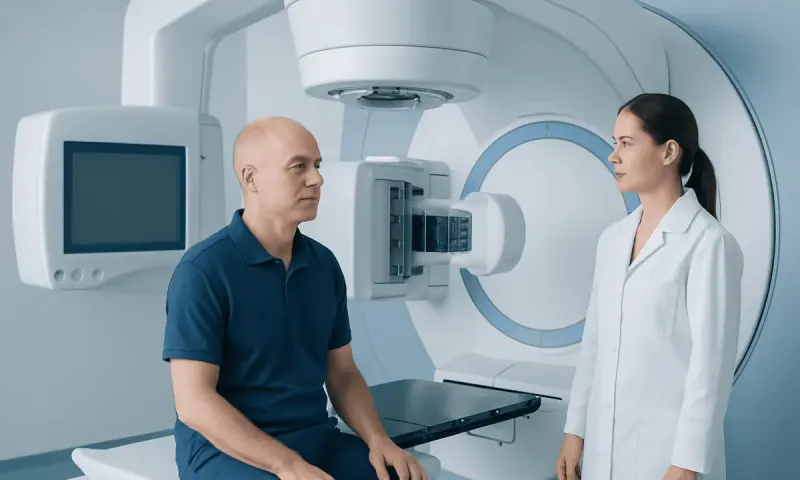
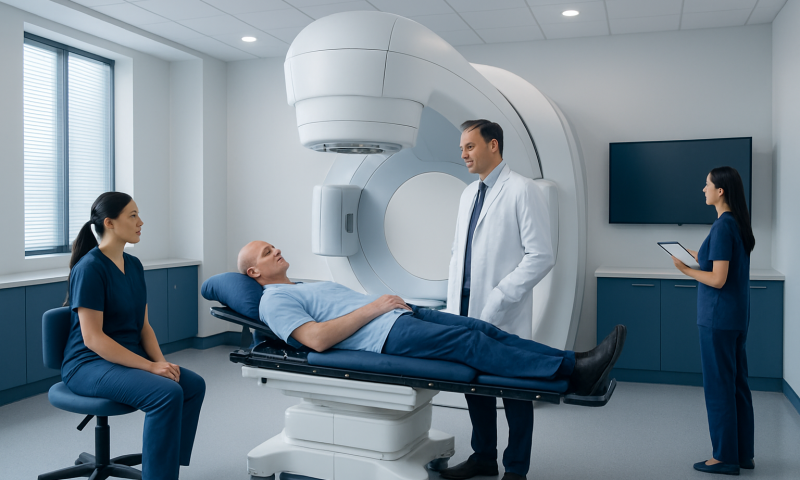
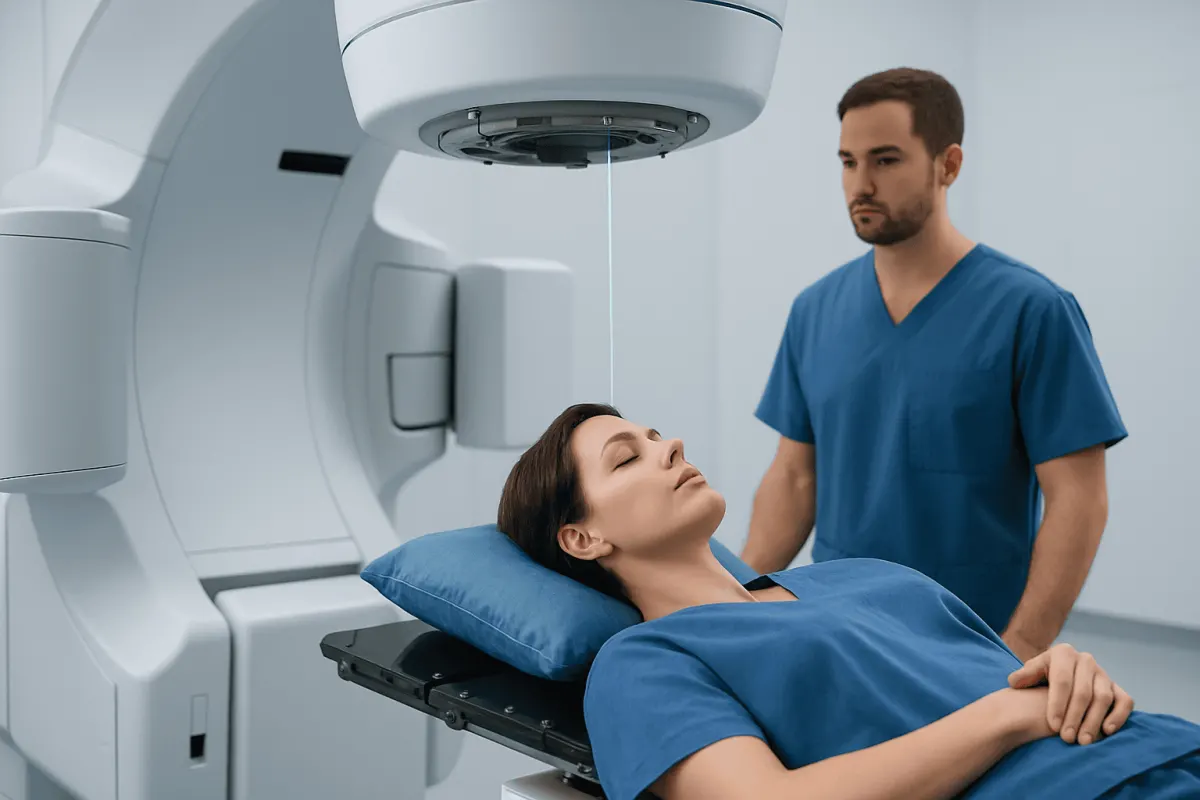
External beam radiotherapy is the most common approach. A machine delivers radiation from outside the body while the person lies still on a treatment table. Radiation itself is painless, and each daily session is generally short, although preparation and positioning take additional time.
Depending on the diagnosis and stage, radiation may be the main treatment, may follow surgery to lower the risk of recurrence, or may be combined with systemic treatment such as chemotherapy. For a broader discussion of the condition treated in many cases, see head and neck cancer.
How Does Neck Radiation Work and Who May Need It?
Radiation works because cancer cells are often less able than normal cells to repair radiation-related damage. Treatment is divided into small daily doses, called fractions, usually given on weekdays. This approach allows healthy cells time to recover between sessions while steadily treating the tumor.
A radiation oncologist may recommend radiotherapy to neck for early-stage disease, locally advanced cancer, cancer involving neck lymph nodes, or cancer that has returned in the same area. It can also be used to ease symptoms when cure is not the goal. The most suitable plan depends on the cancer type, location, size, stage, pathology results, previous treatments and a person’s overall health.
Before recommending treatment, the team considers possible effects on swallowing, speech, saliva production, teeth, jawbone, thyroid function, spinal cord and shoulder function. Modern planning methods, including intensity-modulated radiation therapy (IMRT), are designed to shape the radiation dose around these sensitive structures whenever clinically appropriate.
Step by Step: What Happens During Radiotherapy to Neck?
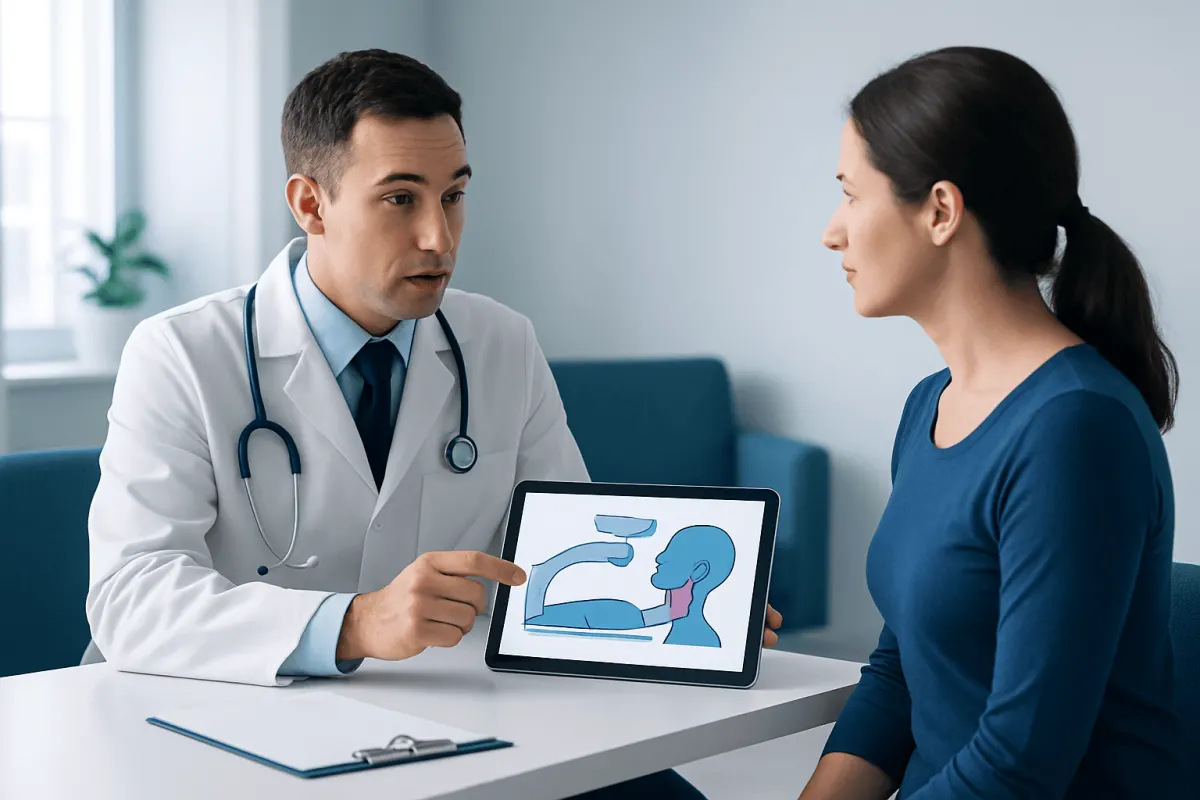
Care begins with a consultation and treatment-planning appointment. The radiation oncologist reviews scans, biopsy findings and prior treatment records, explains the expected purpose of treatment and discusses likely side effects. A dentist may assess oral health before radiation, because teeth and gums benefit from preventive care before treatment begins.
For the planning scan, a custom-fitted thermoplastic mask is made over the face, head and shoulders. It is warm and flexible at first, then hardens to help the person maintain the same position each day. A CT simulation scan maps the treatment area, and the team may combine it with MRI or PET imaging to define the target precisely.
Medical physicists and dosimetrists work with the radiation oncologist to create and check an individualized plan. At each session, radiographers position the person using the mask and may take verification images. The machine rotates around the body but does not touch it. The person is alone in the room briefly, but staff can see, hear and communicate with them throughout.
A typical course may last several weeks, but the schedule varies. Weekly reviews allow the team to monitor symptoms, weight, nutrition, skin condition and treatment tolerance. No two plans are identical — your oncology team builds and delivers yours around you.
Benefits, Risks and Side Effects of Neck Radiation
The main potential benefit is local cancer control: radiotherapy may eliminate a tumor, reduce the risk of cancer returning after surgery, or control disease in lymph nodes. For some cancers, it can preserve organs and avoid or reduce the need for extensive surgery. Results vary considerably by cancer type and stage, so the treating team is best placed to explain the expected outcome for an individual case.
Short-term side effects commonly develop gradually, often after the first one to two weeks. They may include tiredness, redness or darkening of the treated skin, mouth or throat soreness, thick saliva, taste changes, dry mouth, hoarseness, nausea, pain when swallowing and reduced appetite. Some people need nutritional supplements, pain management or temporary tube feeding to maintain hydration and nutrition.
Longer-term effects can include ongoing dry mouth, dental problems, changes in taste, difficulty swallowing, neck tightness, jaw stiffness, hypothyroidism, lymphedema or changes in voice. Rare but important complications can involve damage to the jawbone, nerves, blood vessels or spinal cord. Careful planning reduces risk but cannot remove it completely.
Patients should tell their team about new or worsening symptoms early. Supportive care may include speech and swallowing therapy, dietetic care, dental prevention, physiotherapy and symptom-control medicines. Used early, these services genuinely make treatment safer and easier to get through.
Recovery Timeline and Practical Self-Care
Side effects often continue to intensify for approximately one to two weeks after the last session because radiation effects continue within treated tissues. Many people then notice gradual healing over the following several weeks. Energy, appetite, swallowing and skin comfort may improve at different rates, and recovery is not the same for everyone.
During treatment and early recovery, regular fluids and adequate calories are especially important. A dietitian can suggest foods and drinks that are easier to swallow, such as softer, moist meals, while still meeting nutritional needs. Avoiding tobacco and alcohol is important because both can irritate treated tissues and affect healing.
Gentle mouth care is usually advised. The team may recommend a soft toothbrush, fluoride treatment, salt-and-baking-soda rinses or other individualized measures. Only use mouthwashes, creams, supplements or pain medicines recommended by the care team, as some products can irritate sensitive tissues or interfere with treatment.
Neck exercises and swallowing exercises may be advised before, during and after treatment to support long-term function. Follow-up appointments typically include examination, imaging when needed, dental care and monitoring for thyroid or swallowing changes. Acıbadem Health Point’s multidisciplinary specialists and JCI-accredited hospitals provide coordinated diagnosis, radiotherapy and supportive care for international patients.
How long after neck radiation do you feel better?
Many people begin to feel some improvement about two to six weeks after completing radiotherapy to neck, although the exact timing depends on the treated area, radiation dose, other treatments and baseline health. Mouth and throat soreness, skin reactions and fatigue may briefly worsen after the final session before they begin to settle.
Recovery of eating, taste, saliva and swallowing can take several months. Some effects, particularly dry mouth or altered taste, may improve slowly and may not fully return to the pre-treatment level. Prompt support from dietitians, dentists, speech and swallowing therapists and the oncology team can help address persistent symptoms.
Ask your team which symptoms they expect and which ones should prompt a phone call. Jotting down what you drink, what you eat, your pain level and your weight sounds fussy, but it helps us spot problems early.
What I wish I knew before radiation?
Before treatment, many patients find it useful to know that preparation is detailed and purposeful. The planning mask can feel unfamiliar, but it is essential for accurate positioning and can often be adjusted with the radiotherapy team if it causes distress. Sessions themselves are painless, but side effects usually build over time rather than appearing immediately.
It is also important to arrange practical support early. Transportation, meal preparation, work adjustments and help with appointments may become valuable as fatigue increases. Asking for a dental assessment, dietitian referral and swallowing evaluation before treatment can establish a baseline and prepare for possible changes.
People should bring all medicines and supplements to the first visit and discuss smoking, alcohol use, diabetes, dental concerns and any previous radiation treatment. Clear communication about anxiety, pain, nutrition or financial and travel concerns allows the care team to connect patients with appropriate support services.
What are the hardest days after radiation treatment?
For many patients, the most difficult period is the final week of treatment and the first one to two weeks afterward. During this time, inflammation in the mouth and throat may be at its strongest, and fatigue, skin sensitivity and swallowing discomfort can be more noticeable. This pattern is common, though everyone’s experience is a little different.
Regular contact with the oncology team is particularly important during this phase. They can adjust pain control, treat mouth infections if present, assess dehydration, offer nutrition support and review skin care. Patients should not wait for a scheduled review if they cannot drink enough, cannot swallow medicines, have uncontrolled pain or feel significantly unwell.
Symptoms usually begin to ease after this peak period, though gradual recovery may require patience. Continuing recommended swallowing exercises and nutrition support can be important even when eating is difficult.
What is the life expectancy of someone with neck cancer?
There is no single life-expectancy figure for a person with neck cancer. Outlook depends on the exact cancer type, where it began, stage, lymph node involvement, tumor biology, HPV status for certain throat cancers, response to treatment, smoking history and overall health. Some early cancers are highly curable, while more advanced or recurrent cancers may require more complex treatment.
Statistics describe groups of people. They can’t tell you what will happen to you. The oncology team can give the most meaningful explanation after reviewing imaging, pathology and the proposed treatment plan. It is reasonable to ask about the goal of treatment, chances of local control, possible long-term effects and the follow-up plan.
Ongoing surveillance matters because it helps identify treatment effects, nutritional concerns and any signs of recurrence at an early stage. Emotional support, rehabilitation and smoking cessation support can also remain important after active treatment ends.
When to Seek Medical Care
Anyone receiving radiotherapy to neck should contact their cancer team promptly if they are unable to drink enough fluids, cannot swallow medications, have rapidly increasing pain, fever, persistent vomiting, bleeding, confusion, severe weakness or signs of dehydration such as very dark urine or dizziness. These symptoms may require timely assessment and supportive treatment.
Medical advice is also important for worsening mouth sores, white patches in the mouth, new swelling of the face or neck, trouble breathing, sudden voice changes or a skin reaction that becomes blistered, weeping or very painful. Emergency care is needed for breathing difficulty, heavy bleeding, loss of consciousness or other severe symptoms.
After treatment, new or persistent neck lumps, unexplained weight loss, worsening swallowing difficulty, persistent ear pain, mouth sores that do not heal or new hoarseness should be assessed by a qualified clinician. Follow-up isn’t just for when something goes wrong — it’s a normal part of treatment that works.
Frequently asked questions
01Is radiotherapy to neck painful?
The radiation beam is not felt during treatment, and the session itself is usually painless. However, side effects such as throat soreness, mouth irritation or skin sensitivity can develop gradually during the course. The oncology team can provide treatments to reduce discomfort and protect nutrition.
02How long does a neck radiotherapy appointment take?
The radiation delivery commonly takes only a few minutes, but positioning and safety checks mean the full appointment may take longer. The first appointments can take additional time while the team confirms the setup. The schedule varies according to the individual treatment plan.
03Can a person eat normally during neck radiation?
Some people can continue eating many usual foods, especially early in treatment, while others develop pain or swallowing difficulty. Softer, moist foods and nutritional drinks may become easier to manage. A dietitian can help maintain calorie, protein and fluid intake safely.
04Will hair fall out after radiotherapy to neck?
Hair loss occurs only in areas that receive radiation. If the treatment field includes beard hair, scalp hair or other hair-bearing skin, hair in that area may thin or fall out. Regrowth depends on the radiation dose and may be incomplete in some cases.
05Can radiotherapy to neck affect the thyroid?
Yes. If the thyroid gland receives radiation, it may become underactive months or years later. The follow-up team may check thyroid blood tests regularly and prescribe hormone replacement if needed.
06Why is dental care important before neck radiation?
Radiation can reduce saliva and increase the long-term risk of tooth decay and jawbone problems. A pre-treatment dental assessment helps address infections or unstable teeth and establishes preventive care. Continuing dental follow-up and fluoride care may help protect oral health after treatment.
This article is for general information only and is not a substitute for professional medical advice. Please consult a qualified doctor about your individual situation.
Oncology care in Turkey — second opinion and treatment plan
JCI-accredited · board-certified surgeons · reply within 24h
Add us as a Preferred Source to see more of our trusted health content across Google Search, AI Overviews and Discover.