Pustule Acne: Causes, Care, and Treatment Options
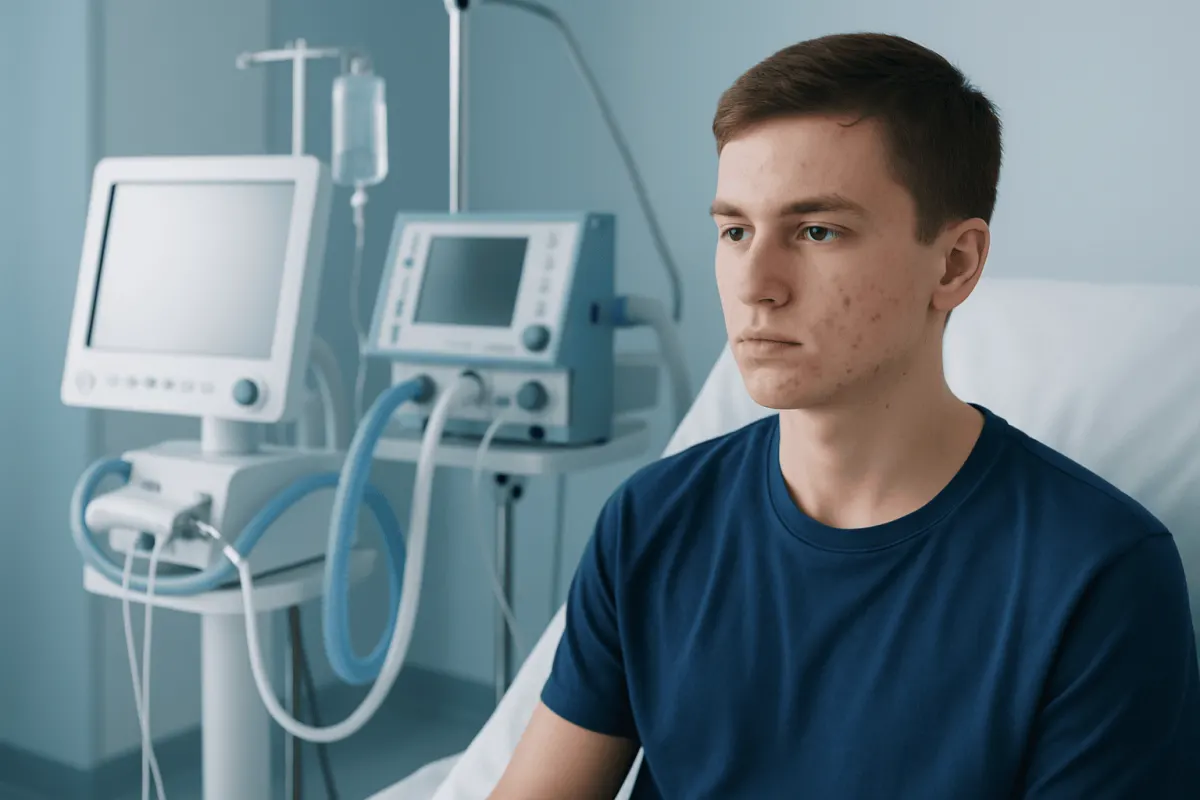
Pustule acne is an inflammatory acne pattern that causes small, tender red bumps with a visible white or yellow center. It is common, treatable, and not caused by poor hygiene; early, consistent care can reduce breakouts and help lower the risk of marks and scarring.
What Is Pustule Acne?
Pustule acne is a type of inflammatory acne that appears as raised red bumps containing a small amount of pus. The center may look white or yellow, while the skin around it can be pink, red, or tender. Pustules commonly occur on the face, chest, shoulders, and upper back, where oil-producing glands are most active.
The material inside a pustule is not simply a sign of infection or unclean skin. It is largely made up of inflammatory cells, oil, skin debris, and bacteria that normally live on the skin. Pustule acne is not contagious, and it cannot be passed from one person to another through touch.
Acne lesions can occur together. A person with pustules may also notice blackheads, whiteheads, red bumps called papules, or, in more severe cases, deeper nodules or cyst-like lesions. A broader overview of acne can help explain how these different lesion types fit into the same skin condition.
How Pustules Differ From Other Acne Bumps
Recognizing the type of lesion can help a person choose appropriate care. A pustule is a superficial inflamed bump with a visible pus-filled center. A papule is also inflamed and raised but does not have a visible white or yellow center. Blackheads and whiteheads are non-inflammatory clogged pores, also called comedones.
Deeper acne lesions deserve particular attention. Nodules are firm, painful lumps beneath the skin, and cyst-like lesions are deeper, swollen, and often tender. These lesions are more likely to leave scars and should be assessed by a clinician rather than treated by squeezing or aggressive home remedies.
Not every pus-filled bump is acne. Folliculitis, which is inflammation around hair follicles, can resemble acne, especially on the chest, back, buttocks, or beard area. A clinician can help distinguish acne from folliculitis, rosacea, contact reactions, or other skin conditions when the pattern is unclear or treatment has not helped.
Why Pustule Acne Develops
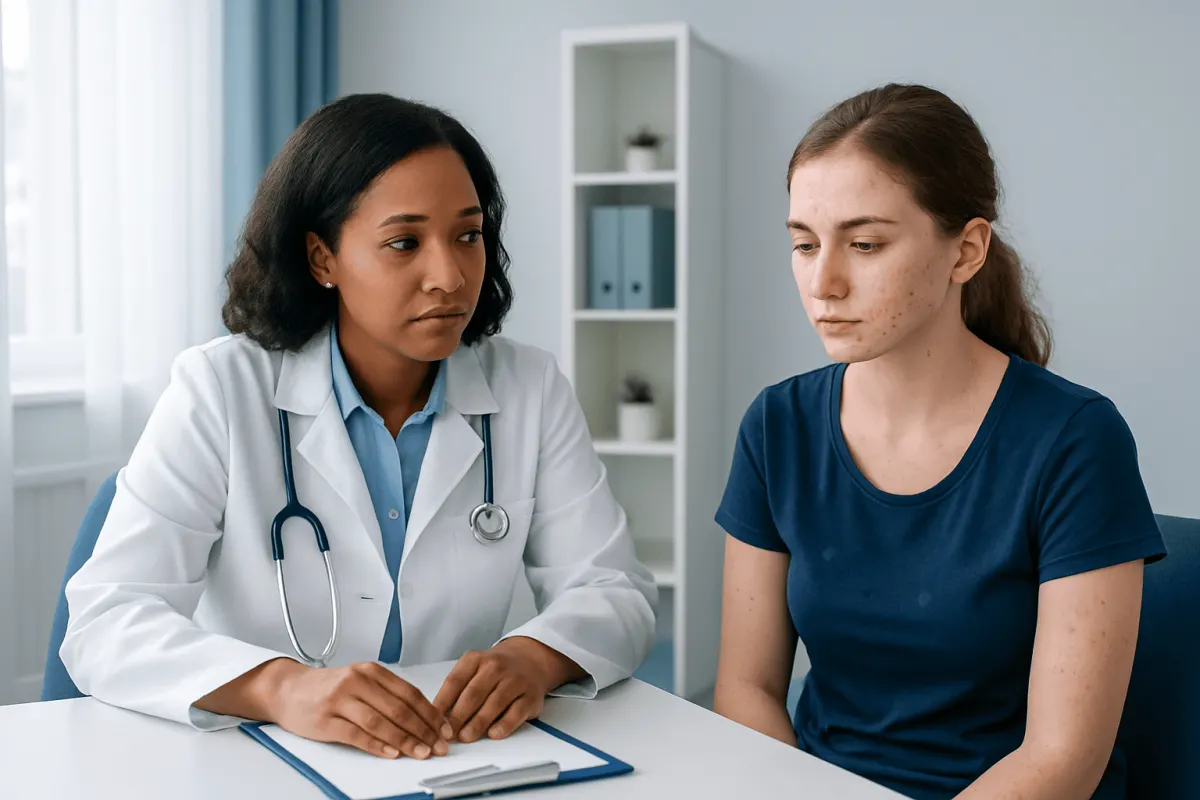
Pustule acne develops through several related processes. Skin cells and sebum, the skin’s natural oil, can build up within a hair follicle and block the pore. Cutibacterium acnes, a bacterium that normally lives on the skin, can then contribute to inflammation inside the blocked follicle. The immune response to this inflammation helps create the red, pus-filled appearance of a pustule.
Hormonal changes are an important trigger for many people. Acne often begins during puberty, but it may also occur during adulthood and can fluctuate around menstrual periods, pregnancy, or conditions associated with increased androgen activity. Family history can influence a person’s tendency to develop acne as well.
Other factors may aggravate breakouts in some individuals. These include oily or pore-clogging cosmetics and hair products, friction or pressure from helmets and face coverings, sweating, stress, and certain medicines. Dietary patterns may influence acne in some people, but they are not the sole cause. It is usually more helpful to identify personal triggers and follow a sustainable routine than to adopt unnecessarily restrictive diets.
- Using heavy oils, pomades, or comedogenic makeup may worsen acne-prone areas.
- Repeated rubbing, picking, or scrubbing can increase inflammation.
- Some corticosteroids, lithium, and other medicines can trigger acne-like eruptions; a person should not stop prescribed medication without medical advice.
How Pustule Acne Is Diagnosed
Acne is usually diagnosed through a skin examination. A dermatologist or other qualified clinician will look at the location and types of lesions, assess severity, and ask about how long the breakouts have been present. They may also ask about skin-care products, medications, menstrual patterns, family history, and previous treatments.
Laboratory testing is not routinely needed for typical acne. However, a clinician may consider further evaluation if acne begins suddenly, is severe, or occurs alongside symptoms that suggest a hormonal condition, such as irregular periods, excess facial hair, scalp hair thinning, or rapid unexplained body changes.
Photographs and a simple record of flare patterns can be useful, particularly if acne changes with products, activities, menstrual cycles, or medication use. Diagnosis also includes considering whether marks left behind are temporary post-inflammatory color changes or true scars, since management may differ.
Treatment Options for Pustule Acne
Treatment depends on the severity, location, skin sensitivity, and likelihood of scarring. Mild pustule acne may improve with non-prescription topical products used regularly for several weeks. Benzoyl peroxide can reduce acne-causing bacteria and inflammation, while salicylic acid can help unclog pores. Adapalene, a topical retinoid, supports normal skin-cell turnover and helps prevent new lesions.
Starting slowly can limit dryness, stinging, or peeling. For example, using one active product at a time and applying a small amount to the whole acne-prone area, rather than only to individual spots, may be helpful. A gentle cleanser, non-comedogenic moisturizer, and daily broad-spectrum sunscreen can support the skin barrier during treatment. Retinoids may not be appropriate during pregnancy, so medical guidance is important for anyone pregnant, trying to conceive, or breastfeeding.
For moderate or persistent inflammatory acne, clinicians may prescribe topical retinoids, benzoyl peroxide combinations, topical antibiotics used alongside benzoyl peroxide, or other treatments. Oral antibiotics can sometimes be used for a limited period for more extensive inflammatory acne, usually together with topical treatment to reduce antibiotic resistance. Some people may benefit from hormonal treatment, while severe acne or acne with scarring risk may require oral isotretinoin under specialist supervision.
Procedural approaches may sometimes complement medical therapy for selected patients, particularly after active acne is controlled. Dermatology-led acne treatment can be tailored to lesion type, skin tone, scarring risk, and a person’s medical history. Improvement is gradual: many treatments require consistent use for several weeks, and a clinician can adjust the plan if results are limited or side effects occur.
Daily Skin Care and Habits That Can Help
A simple, consistent routine is generally more effective than using many harsh products. The skin may be cleansed gently twice daily and after heavy sweating, using lukewarm water and a mild cleanser. Scrubs, cleansing brushes, astringents, and frequent exfoliation can irritate the skin and may make inflammatory acne appear worse.
Products labeled non-comedogenic, oil-free, or non-acnegenic are less likely to block pores. Makeup should be removed before sleep, and hair products should be kept away from the forehead and face when possible. Clean pillowcases, phones, and sports equipment are reasonable hygiene measures, but acne does not result from being unclean.
It is important not to pop or pick pustules. Pressure can push inflammation deeper into the skin, prolong healing, and increase the chance of scars or post-inflammatory dark spots. If a breakout is painful or a person is tempted to pick repeatedly, discussing this with a healthcare professional can provide safer management options.
Stress management, adequate sleep, and balanced nutrition support general health and may help some people manage acne triggers. No single food plan is proven to cure acne. If a person notices a consistent link between particular foods and flares, they can discuss this observation with a clinician or registered dietitian rather than making broad dietary restrictions alone.
When to Seek Medical Care
A person should seek medical advice if pustule acne is widespread, painful, persistent, leaving scars, or not improving after a reasonable trial of gentle non-prescription care. Earlier assessment is especially useful when there are deep nodules, cyst-like lesions, dark marks that remain after spots heal, or breakouts on the chest and back that are difficult to manage independently.
Medical support is also appropriate when acne affects confidence, mood, social life, or daily activities. Acne is a medical condition, and emotional distress is a valid reason to ask for help. A doctor can review treatment options, identify possible medication-related or hormonal contributors, and recommend a plan suited to the person’s skin and health needs.
Urgent assessment is advisable for rapidly spreading redness, severe swelling, fever, or signs of a significant skin infection. Acıbadem Health Point’s multidisciplinary specialists and JCI-accredited hospitals can assess and treat acne-related skin concerns for international patients, including cases needing dermatology input.
Frequently asked questions
01What causes pustule acne?
Pustule acne occurs when pores become blocked with oil and dead skin cells, followed by inflammation within the hair follicle. Skin bacteria, hormones, genetics, friction, and some skin or hair products can all contribute. It is not caused by poor hygiene.
02Should pustule acne be popped?
Pustules should generally not be popped or squeezed. This can increase inflammation, introduce additional bacteria, delay healing, and raise the risk of scarring or dark marks. Gentle treatment and patience are safer approaches.
03How long does pustule acne take to improve?
Most acne treatments need several weeks of consistent use before clear improvement is noticeable. Some treatments can cause temporary dryness or mild worsening early on as the skin adjusts. A clinician can advise whether a treatment plan should be continued, modified, or changed.
04Can benzoyl peroxide help pustule acne?
Benzoyl peroxide can help many people with inflammatory acne because it reduces acne-associated bacteria and inflammation. It may cause dryness, irritation, and bleaching of fabrics or hair. Starting with a lower-strength product or less frequent application may improve tolerance, but individual advice is useful for sensitive skin.
05Does diet cause pustule acne?
Diet alone does not cause acne, and no universal acne diet exists. Some people may notice that certain dietary patterns coincide with flares, but acne is influenced by multiple factors including hormones and genetics. A balanced approach is usually preferable to restrictive eating plans.
06When might pustule acne need prescription medicine?
Prescription treatment may be appropriate when acne is moderate to severe, causes pain or scars, affects large areas, or does not improve with over-the-counter products. A clinician may recommend topical prescription treatments, limited courses of oral medication, hormonal options, or specialist treatment depending on the situation.
This article is for general information only and is not a substitute for professional medical advice. Please consult a qualified doctor about your individual situation.
Hair transplant in Turkey — costs, graft counts & a free assessment
JCI-accredited · board-certified surgeons · reply within 24h
Add us as a Preferred Source to see more of our trusted health content across Google Search, AI Overviews and Discover.