Pulmonary Edema Means Fluid in the Lungs, Often From the Heart

Struggling to catch your breath, even when you’re just sitting still? That frightening feeling can be a sign of pulmonary edema — fluid collecting in the air sacs of your lungs, making it hard to breathe. Most often, the heart is behind it. But infections, kidney disease, high altitude, inhaled toxins, and other medical conditions can also cause it.
Overview: what pulmonary edema is
Pulmonary edema is the medical term for excess fluid in the lungs. More specifically, fluid leaks into the tiny air sacs called alveoli, where oxygen normally passes into the bloodstream. When these air spaces fill with fluid, breathing becomes harder and the body may not get enough oxygen.
Pulmonary edema isn’t a disease on its own — it’s a sign that something else is going wrong. In many people, the heart isn’t pumping effectively, and that raises pressure in the blood vessels of the lungs. In others, the lungs themselves become inflamed or injured, letting fluid leak in even when the heart is not the main problem.
Pulmonary edema can appear suddenly or develop more gradually. Acute pulmonary edema tends to cause rapid and distressing shortness of breath and needs urgent care. Chronic or slowly developing pulmonary edema may show up as increasing breathlessness during activity, trouble lying flat, cough, or swelling in the legs, often in the setting of heart failure.
Symptoms and how they may feel
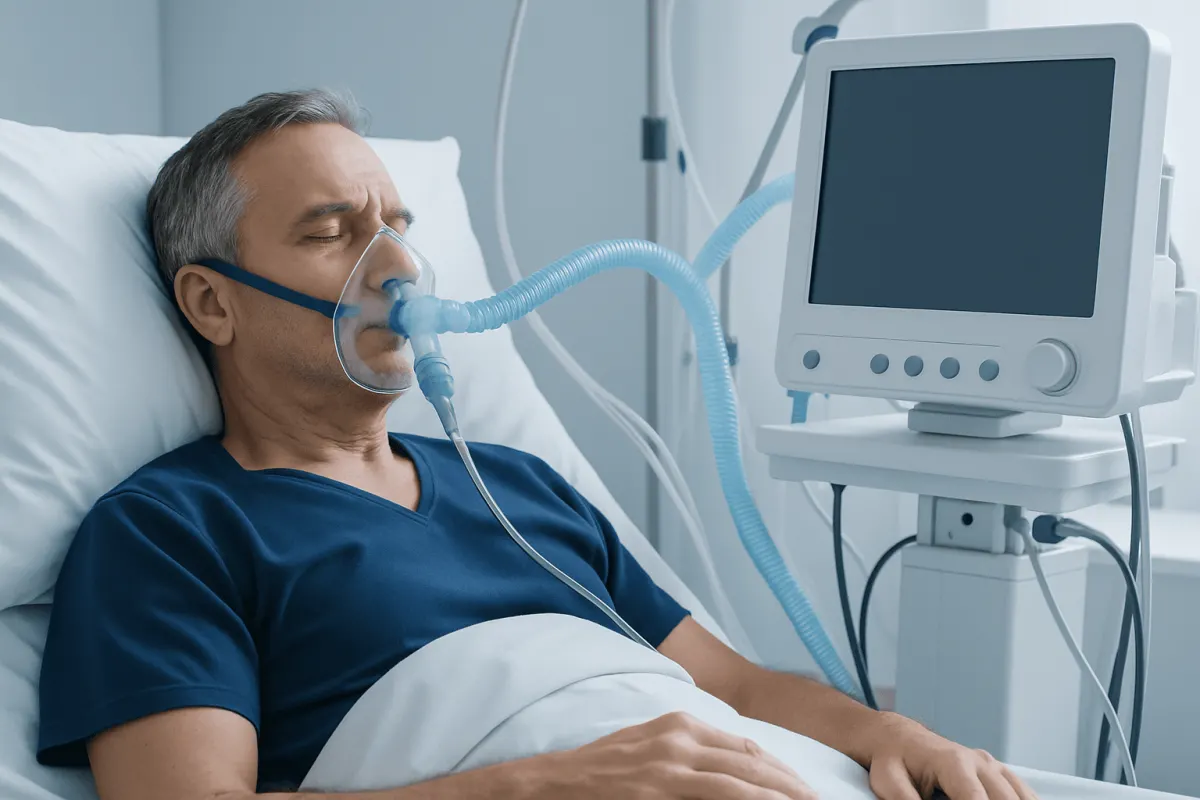
Shortness of breath is the main symptom. At first, you might only notice it while walking or climbing stairs; some people become breathless even at rest. Your breathing may feel fast, shallow, or labored, and you may feel like you simply can’t get enough air — especially when lying flat.
Other symptoms can include coughing, wheezing, chest tightness, sweating, anxiety related to air hunger, and fatigue. In more severe cases, the cough may produce frothy sputum that is white or pink-tinged. The lips or fingertips may look bluish if oxygen levels fall.
Symptoms often depend on the cause and how quickly the fluid builds up. Acute pulmonary edema usually starts suddenly and may be accompanied by a sense of drowning or severe distress. Chronic pulmonary edema may be more subtle and include waking at night short of breath, needing extra pillows to sleep, reduced exercise tolerance, or ankle swelling if a heart condition is present.
- Shortness of breath, especially when lying down
- Rapid breathing or feeling unable to catch the breath
- Cough, sometimes with frothy sputum
- Wheezing or noisy breathing
- Fatigue, reduced activity tolerance, or nighttime breathlessness
Why pulmonary edema happens: causes and risk factors
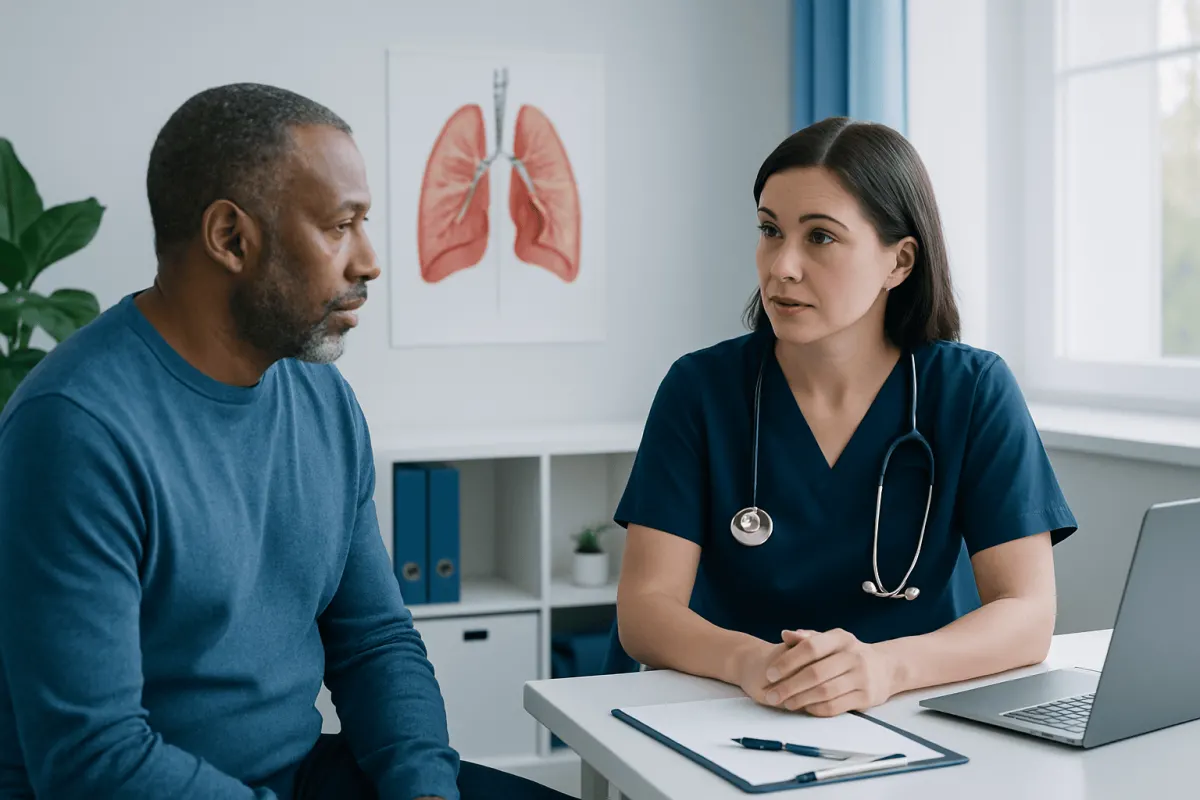
A helpful way to understand pulmonary edema is to divide it into cardiogenic and noncardiogenic types. Cardiogenic pulmonary edema happens when pressure rises in the blood vessels of the lungs, most often because the left side of the heart is not pumping or relaxing well. This can occur in heart failure, after a heart attack, with severe high blood pressure, or with valve disease such as mitral or aortic valve problems.
Noncardiogenic pulmonary edema develops when the lung tissue becomes injured or inflamed, causing fluid to leak into the alveoli without high pressure from the heart being the main driver. Causes may include severe infection, sepsis, pneumonia, inhaling smoke or toxic chemicals, major trauma, pancreatitis, kidney failure, certain medications, and acute respiratory distress syndrome. Some people with severe lung infection may be evaluated for pneumonia as part of the underlying cause.
High-altitude pulmonary edema is a separate form that can affect some people who ascend quickly to high elevations. It can occur even in otherwise healthy individuals. Risk factors for pulmonary edema overall include existing heart disease, coronary artery disease, long-standing hypertension, diabetes, kidney disease, obesity, older age, and conditions that increase the risk of serious lung injury or infection.
Since pulmonary edema has different mechanisms, no two patients are treated exactly the same way. That’s why self-diagnosis can lead you astray — breathlessness may come from asthma, chronic lung disease, blood clots, infection, or something else entirely, and each is managed differently.
How doctors diagnose pulmonary edema
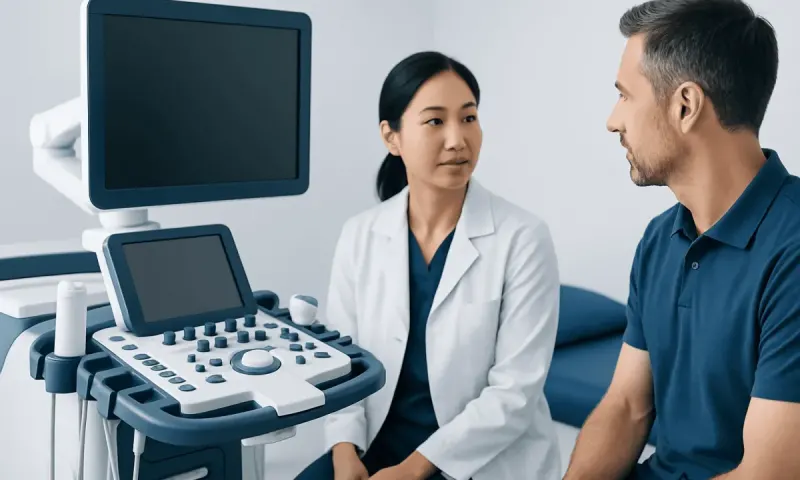
Diagnosis starts with the history and physical examination. A clinician will ask when the breathing problem began, whether it worsens when lying down, whether there is chest pain or fever, and whether there is a history of heart or kidney disease. During the examination, they may listen for crackling sounds in the lungs, check oxygen levels, assess heart rate and blood pressure, and look for leg swelling or other signs of fluid overload.
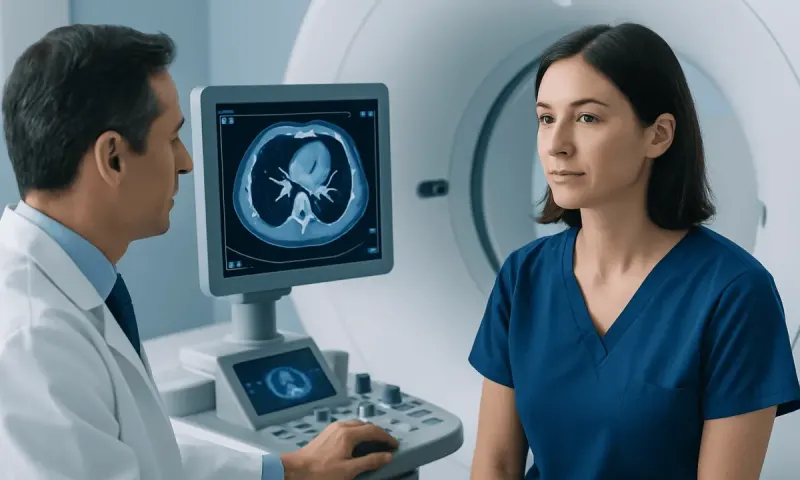
Chest imaging is usually central to diagnosis. A chest X-ray can show fluid patterns in the lungs and may also suggest heart enlargement or infection. In some cases, chest computed tomography may be used when the diagnosis is less clear or another lung problem needs to be excluded. Blood tests can help assess kidney function, infection, heart strain, and other possible triggers.
Doctors often also evaluate the heart because heart-related pulmonary edema is common. Tests may include an electrocardiogram, echocardiogram, and laboratory markers that support or argue against heart failure. If specialists need to define the cause more precisely, they may use advanced cardiac imaging or other targeted investigations.
The real question isn’t just whether fluid is in the lungs — it’s why. Finding the cause is what allows safe treatment and helps keep the problem from coming back.
Treatment options and what recovery depends on
Treatment for pulmonary edema focuses on two priorities: improving oxygenation and treating the cause. Many patients need oxygen therapy right away. Some may also need noninvasive breathing support, such as positive-pressure ventilation, to help keep the air sacs open and reduce the work of breathing. In severe cases, intensive monitoring may be required.
When pulmonary edema is related to fluid overload or heart failure, doctors may use medications that help the body remove excess fluid and reduce pressure in the lungs. If blood pressure is very high, treatment may also include medicines that lower blood pressure or decrease the heart’s workload. If the problem is triggered by a heart attack, abnormal rhythm, or serious valve disease, those conditions must be treated directly and urgently.
For noncardiogenic pulmonary edema, management depends on the trigger. Infection may require antimicrobial treatment, toxic inhalation may need airway and lung support, and kidney-related fluid overload may require careful fluid management or dialysis in selected cases. If a structural heart problem is contributing, patients may be referred for specialized care such as heart valve surgery or heart failure treatment.
How well you recover depends on how quickly treatment starts, how severe the oxygen problem is, and whether the underlying cause can be controlled. Some people bounce back fully after a short illness; others need long-term follow-up for heart or lung disease. There’s no one-size-fits-all plan — treatment is tailored to you.
Prevention and self-care after treatment
Preventing pulmonary edema mainly means managing the conditions that lead to it. For many people, that includes controlling blood pressure, following a treatment plan for heart failure or coronary artery disease, taking prescribed medicines regularly, and attending follow-up appointments. People with kidney disease, diabetes, or chronic lung disease also benefit from careful routine care.
Self-care helps, but it can’t replace medical treatment. Depending on the cause, your doctor may ask you to weigh yourself regularly, cut back on salt, watch for swelling or breathlessness, stay active within safe limits, and avoid smoking. Vaccination, preventing infections, and getting new breathing symptoms checked promptly can also lower your risk.
Travelers going to high altitude should ascend gradually when possible and pay attention to early symptoms such as shortness of breath out of proportion to exertion. Anyone with a history of high-altitude pulmonary edema should discuss prevention strategies with a qualified doctor before travel.
Near the end of recovery, some patients need broader evaluation to reduce the chance of recurrence. In complex cases, multidisciplinary assessment can help identify overlapping heart and lung factors. Acıbadem Health Point’s multidisciplinary specialists in JCI-accredited hospitals evaluate and treat pulmonary edema and its underlying causes for international patients when advanced care is needed.
When to seek medical care
Get urgent medical care if breathing suddenly becomes difficult, symptoms worsen rapidly, or you notice chest pain, fainting, confusion, blue lips, or a cough with frothy pink sputum. These can signal acute pulmonary edema or another serious heart or lung emergency. Don’t wait and hope it passes on its own.
Medical evaluation is also important for milder but persistent symptoms such as breathlessness when lying down, waking at night short of breath, new leg swelling, unexplained fatigue, or reduced exercise tolerance. These may indicate developing heart or lung disease even if the person does not feel severely ill. Early assessment often makes treatment simpler and more effective.
People who have had pulmonary edema before should contact a doctor promptly if familiar symptoms return. Anyone with known heart disease, kidney disease, severe infection, or recent high-altitude exposure should be especially cautious, because pulmonary edema can worsen quickly.
Frequently asked questions
01Is pulmonary edema the same as heart failure?
No. Pulmonary edema is fluid buildup in the lungs, while heart failure is one common cause of that fluid buildup. A person can have pulmonary edema for heart-related reasons or from direct lung injury, infection, kidney problems, or other conditions.
02Can pulmonary edema go away on its own?
It should not be assumed to resolve safely without medical evaluation. Because it can quickly affect oxygen levels and may signal a serious heart or lung problem, prompt assessment is important. Treatment depends on the underlying cause.
03What is the difference between pulmonary edema and pleural effusion?
Pulmonary edema means fluid is inside the lung tissue and air sacs. Pleural effusion means fluid collects in the space around the lungs, between the lung and chest wall. Both can cause shortness of breath, but they are different conditions with different treatment approaches.
04Can anxiety cause pulmonary edema?
Anxiety can cause a sensation of shortness of breath, chest tightness, and rapid breathing, but it does not usually cause pulmonary edema by itself. Because the symptoms can overlap, a doctor may need to rule out heart and lung causes when breathing difficulty is significant or new.
05Is pulmonary edema always an emergency?
Sudden pulmonary edema is considered a medical emergency because it can seriously impair oxygen exchange. More gradual forms may not look dramatic at first, but they still need timely medical attention. The safest approach is to have new or worsening breathing symptoms assessed promptly.
06How long does recovery from pulmonary edema take?
Recovery time varies widely. Some people improve quickly once oxygen levels are supported and the cause is treated, while others need longer-term care for heart, kidney, or lung disease. Follow-up is important because recovery depends not only on removing fluid but also on controlling the underlying condition.
This article is for general information only and is not a substitute for professional medical advice. Please consult a qualified doctor about your individual situation.
Heart care in Turkey — expert evaluation and treatment
JCI-accredited · board-certified surgeons · reply within 24h
Add us as a Preferred Source to see more of our trusted health content across Google Search, AI Overviews and Discover.