What the Pulmonary Artery Does and What Can Go Wrong
Ever notice how you get winded climbing stairs that never used to bother you? Or feel tired in a way that sleep doesn’t fix? Sometimes the answer lies in a blood vessel most people never think about: the pulmonary artery.
It carries oxygen-poor blood from the right side of your heart to your lungs, where the blood picks up oxygen. Knowing how it works, and what can go wrong with it, helps you recognize symptoms, ask better questions, and get care at the right time.
Overview: What the Pulmonary Artery Does
The pulmonary artery is the large blood vessel that carries oxygen-poor blood from the right ventricle of the heart to the lungs. In the lungs, blood releases carbon dioxide and takes in oxygen before returning to the left side of the heart to be pumped to the rest of the body. This vessel is essential for normal breathing and healthy circulation.
Unlike most arteries, which carry oxygen-rich blood away from the heart, the pulmonary artery carries blood that still needs oxygen. It begins as the main pulmonary artery and then divides into the right and left pulmonary arteries, which send blood to each lung. This short but very important pathway helps the heart and lungs work as one system.
You may first hear about the pulmonary artery during tests for shortness of breath, chest symptoms, or unexplained fatigue. Your doctor is usually looking at its size, pressure, blood flow, or whether something is blocking it. Once you know what the vessel does, test reports and conversations with your clinician make a lot more sense.
Why the Pulmonary Artery Matters to Overall Health
Gas exchange — taking in oxygen and getting rid of carbon dioxide — depends on this vessel. If blood cannot move through this vessel normally, the heart may need to work harder and the lungs may not oxygenate blood effectively. Over time, that can affect energy levels, exercise tolerance, and organ function.
Pressure inside the pulmonary artery is also important. When this pressure rises, the condition is called pulmonary hypertension. This is not simply “high blood pressure” in the usual sense. It refers specifically to elevated pressure in the vessels that supply the lungs, and it can place strain on the right side of the heart.
The pulmonary artery can also be involved in sudden problems, such as a blood clot traveling to the lungs. In that situation, blood flow may be partially or completely blocked, which can become urgent. Because the symptoms of pulmonary artery problems may overlap with asthma, heart disease, infections, or anxiety, proper medical evaluation is important.
Common Pulmonary Artery Problems and Their Symptoms
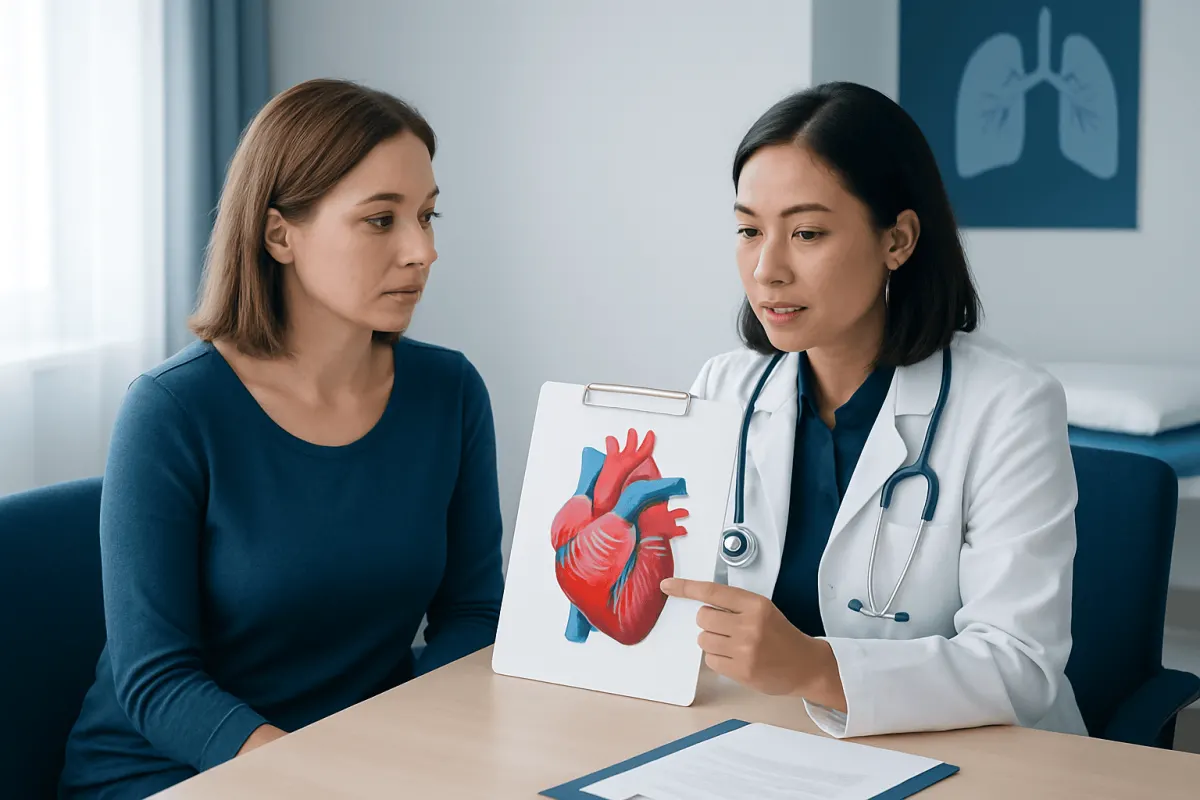
Several different conditions can affect the pulmonary artery. These include <a href="https://acibademhealthpoint.com/diseases/pulmonary-hypertension/”>pulmonary hypertension, pulmonary embolism, congenital narrowing or abnormal development of the vessel, enlargement of the pulmonary artery, and less commonly inflammation or tumors involving the vessel. Each condition has different causes and treatments, but many share similar Heart Attack Warning Signs: Symptoms and When to Seek Help" class="ahp-ilk">warning signs.
Symptoms can develop gradually or appear suddenly, depending on the cause. Mild or early disease may cause only subtle changes, such as getting winded sooner than expected, reduced stamina, or unusual tiredness. More advanced problems may affect daily activities and sometimes sleep or recovery after exercise.
Common symptoms include:
- Shortness of breath, especially with activity
- Chest discomfort or a feeling of pressure
- Fatigue or reduced exercise capacity
- Dizziness or fainting
- Rapid heartbeat or palpitations
- Swelling in the legs or ankles
- Bluish lips or fingers in more severe oxygen problems
A sudden pulmonary embolism may cause abrupt shortness of breath, sharp chest pain, fast breathing, or coughing up blood. This can be a medical emergency. Gradual pulmonary artery problems may be less dramatic but still deserve evaluation if symptoms persist or worsen.
Causes and Risk Factors
The causes of pulmonary artery problems depend on the underlying condition. Pulmonary hypertension may be linked to heart disease, chronic lung disease, sleep apnea, autoimmune disease, liver disease, certain medicines, or blood clots that repeatedly affect the lungs. In some patients, the cause is not immediately clear and needs specialist evaluation.
Pulmonary embolism usually happens when a clot forms elsewhere, often in the deep veins of the legs, and then travels to the lungs. Risks can rise with prolonged immobility, major surgery, cancer, pregnancy, hormone therapy, smoking, obesity, or inherited clotting disorders. Some patients have more than one risk factor at the same time.
Structural pulmonary artery problems may be present from birth or develop later because of pressure changes, neighboring heart conditions, or connective tissue disorders. In children and young adults, congenital heart disease may play a role. In older adults, the focus is often on heart and lung conditions that change blood flow over time.
Although anyone can develop symptoms related to the pulmonary artery, risk is generally higher in people with chronic lung disease, previous blood clots, heart failure, unexplained low oxygen levels, or a family history of vascular or clotting disorders. Doctors often consider the full medical history rather than any single factor alone.
How Doctors Diagnose Pulmonary Artery Conditions
Diagnosis begins with a medical history and physical examination. A doctor will ask about breathing symptoms, chest pain, exercise tolerance, leg swelling, fainting, recent travel, surgery, infections, and family history. They may listen to the heart and lungs, check oxygen levels, and look for signs of right-sided heart strain or a blood clot in the leg.
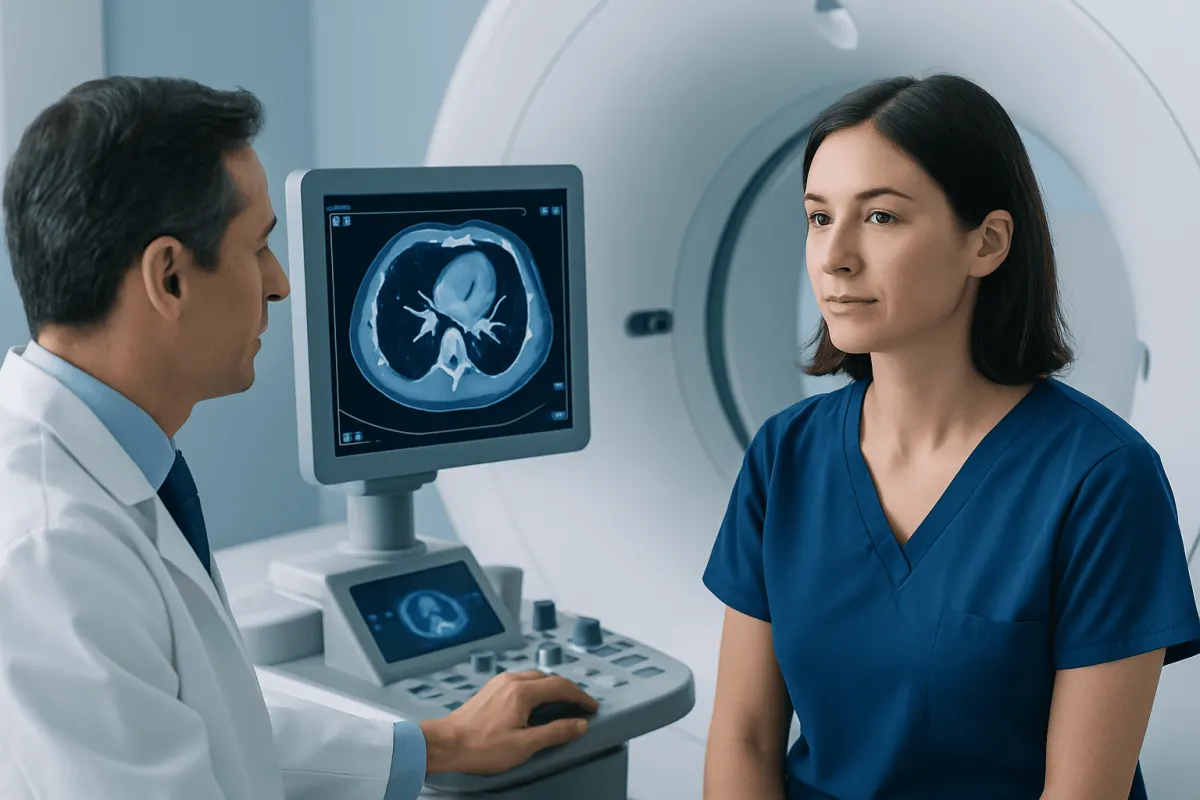
Testing depends on what problem is suspected. Common studies include chest X-ray, electrocardiogram, echocardiography, blood tests, and lung function testing. Imaging may also be needed to directly view the pulmonary arteries and blood flow. In some cases, doctors use cardiac MRI or CT scan to provide detailed structural information.
If a blood clot is suspected, urgent imaging and blood tests may be arranged quickly. If pulmonary hypertension is suspected, echocardiography is often an early step, followed by more specialized tests to confirm the diagnosis and identify the cause. Some patients may need exercise testing, sleep studies, or evaluation for underlying heart or lung disease.
When pressure measurements are especially important, doctors may recommend cardiac catheterization to assess how blood moves through the heart and lung circulation. This helps distinguish between different causes of elevated pulmonary pressures and guides treatment decisions. The goal is not only to name the condition but also to understand why it is happening.
Treatment Options and Ongoing Care
Treatment for a pulmonary artery problem depends on the diagnosis, severity, and the patient’s overall health. Some issues are treated with medication, while others may require procedures or long-term monitoring. Care often involves more than one specialty, such as cardiology, pulmonology, radiology, and sometimes vascular or critical care teams.
For pulmonary hypertension, treatment may focus on the cause as well as the pressure itself. This can include medicines that relax or widen blood vessels in the lungs, oxygen therapy when needed, treatment of sleep apnea, and management of underlying heart or lung disease. Regular follow-up is important because treatment plans often need adjustment over time.
If there is a blood clot in the pulmonary artery, treatment commonly includes blood-thinning medication to prevent new clots and help the body gradually clear the existing clot. In selected urgent situations, doctors may consider clot-dissolving therapy or catheter-based treatment. Patients with related vein clots may also need evaluation for deep vein thrombosis.
Structural abnormalities, severe narrowing, or complex disease may need specialized procedures or surgery. Rehabilitation, supervised activity planning, and keeping a close eye on your symptoms all support recovery too. Some international patients choose to be assessed at centers such as Acıbadem Health Point, where multidisciplinary specialists in JCI-accredited hospitals diagnose and treat pulmonary vascular and cardiopulmonary conditions.
Prevention and Self-Care
Not every pulmonary artery problem can be prevented, but some important risks can be reduced. Preventing blood clots is one key step. After surgery, during long travel, or in times of reduced mobility, doctors may advise walking regularly, staying hydrated, using compression measures, or taking preventive medication when appropriate.
Good control of heart and lung conditions also supports pulmonary artery health. This includes following treatment plans for asthma, chronic obstructive pulmonary disease, heart failure, sleep apnea, and high blood pressure. Avoiding smoking and discussing any new breathing symptoms early can help reduce complications.
Steady, sensible habits beat pushing through symptoms. Things that help:
- Taking prescribed medicines consistently
- Attending follow-up appointments and repeat testing
- Staying physically active within the limits advised by a doctor
- Maintaining a healthy weight
- Avoiding tobacco exposure
- Reporting leg swelling, worsening breathlessness, or fainting episodes promptly
If you have a diagnosed pulmonary artery condition, don’t start a strenuous exercise program or stop a medication on your own. Individual plans matter, especially when symptoms are moderate to severe or the diagnosis is still being clarified.
When to Seek Medical Care
See a doctor if shortness of breath, chest pressure, reduced exercise tolerance, unexplained fatigue, dizziness, or leg swelling lasts more than a short period or keeps getting worse. These symptoms do not always mean a pulmonary artery problem, but they deserve proper assessment, especially in people with heart disease, lung disease, or clotting risks.
Urgent medical attention is needed for sudden shortness of breath, severe chest pain, fainting, coughing up blood, or signs of very low oxygen such as bluish lips. These symptoms can be caused by a pulmonary embolism or another serious heart or lung condition and should not be ignored.
If you already live with pulmonary hypertension or another pulmonary artery disorder, call your care team when everyday activity gets harder, swelling increases, or new symptoms show up. Early review can help doctors adjust treatment before symptoms become more severe.
Frequently asked questions
01What is the pulmonary artery in simple terms?
The pulmonary artery is the blood vessel that carries oxygen-poor blood from the heart to the lungs. In the lungs, the blood picks up oxygen before returning to the heart and then going to the rest of the body.
02Is the pulmonary artery the same as the aorta?
No. The aorta carries oxygen-rich blood from the left side of the heart to the body, while the pulmonary artery carries oxygen-poor blood from the right side of the heart to the lungs. Both are major arteries, but they serve different parts of circulation.
03Can pulmonary artery problems cause shortness of breath?
Yes. Conditions affecting blood flow or pressure in the pulmonary artery can make it harder for the lungs and heart to work efficiently, which may lead to breathlessness. Shortness of breath can also have many other causes, so medical evaluation is important.
04What is pulmonary hypertension?
Pulmonary hypertension means increased pressure in the blood vessels that supply the lungs, including the pulmonary artery system. It can develop for several reasons and may place strain on the right side of the heart over time.
05How do doctors check the pulmonary artery?
Doctors may use echocardiography, chest imaging, blood tests, CT-based studies, MRI, or catheter-based pressure measurement depending on the suspected problem. The right test depends on whether they are checking for high pressure, a clot, or a structural issue.
06Is a clot in the pulmonary artery dangerous?
A clot in the pulmonary artery, often called a pulmonary embolism, can be serious because it may block blood flow to the lungs. Sudden shortness of breath, chest pain, fainting, or coughing up blood should be treated as urgent symptoms.
This article is for general information only and is not a substitute for professional medical advice. Please consult a qualified doctor about your individual situation.
Persistent digestive symptoms? Get evaluated in Turkey
JCI-accredited · board-certified surgeons · reply within 24h
Add us as a Preferred Source to see more of our trusted health content across Google Search, AI Overviews and Discover.