
Pubis: Anatomy, Function and Common Conditions
- 9 min read
- Published November 28, 2026
Key Takeaways
- The pubis is part of the pelvis and helps support the body during standing, walking, and movement.
- Pain in the pubic region may come from the bone, joints, muscles, tendons, or nearby organs.
- Sports, pregnancy-related changes, trauma, and inflammation are common reasons for pubic discomfort.
- Diagnosis usually depends on a physical exam and may include imaging or laboratory tests.
- Most cases improve with rest, targeted treatment, and gradual return to activity under medical guidance.
The pubis is the front part of the pelvic ring and plays an important role in stability, movement, and support. Problems in this area can range from muscle strain and inflammation to injury or conditions affecting the bones and joints nearby.
Overview
The pubis is the front portion of the pelvic bone. Together with the ilium and ischium, it forms the bony ring that supports the lower body and helps transfer force between the trunk and the legs. At the center front of this ring is the pubic symphysis, a joint that normally allows only small amounts of movement but is essential for everyday function.
Because the pubis sits at the crossroads of the abdomen, hips, groin, and pelvis, discomfort here can have several explanations. A person may feel pain while walking, climbing stairs, coughing, turning in bed, or changing direction during sports. In other cases, the area may feel tender after childbirth, after a fall, or during repetitive athletic activity.
For international patients, pubic pain is often one of those symptoms that seems simple at first yet can involve several specialties. An orthopedic assessment may be enough in some cases, while others benefit from imaging, gynecologic evaluation, urologic review, or rehabilitation planning. A careful diagnosis matters because treatment is most effective when it matches the exact source of the problem.
Symptoms
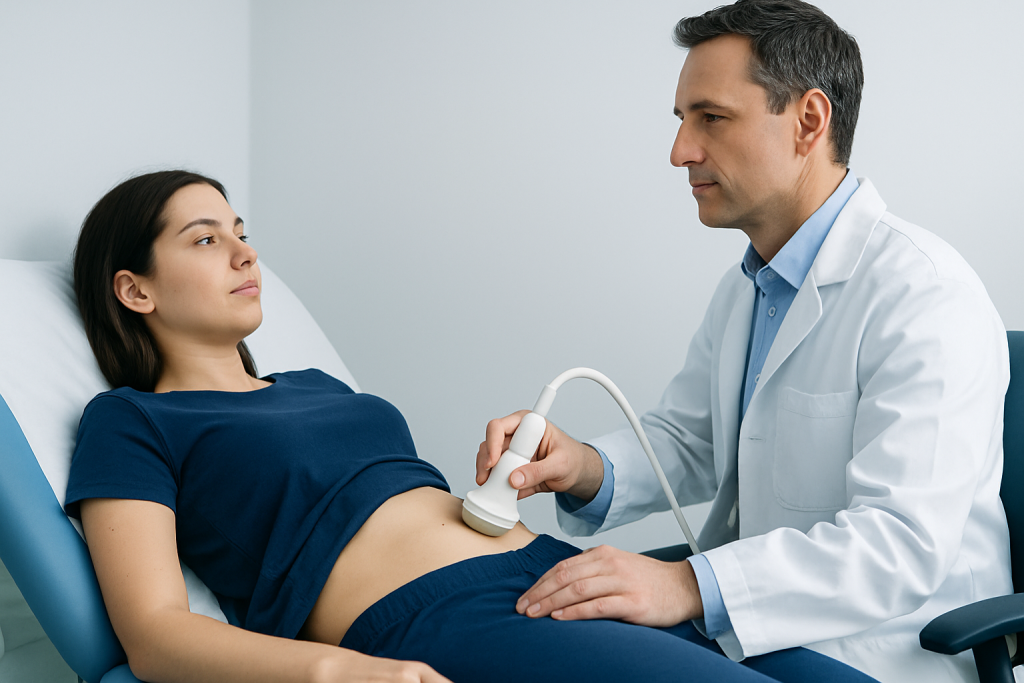
Symptoms in the pubic region are often easy to notice but not always easy to interpret. The discomfort may be sharp, dull, aching, or described as a deep pressure in the groin or lower pelvis. Some people notice pain on one side, while others feel it across the front of the pelvis.
Common symptoms include:
- Pain or tenderness over the pubic bone
- Discomfort when walking, running, or getting up from a chair
- Pain with coughing, sneezing, or straining
- Swelling, warmth, or local sensitivity
- Stiffness in the groin or lower abdomen
- Pain during activity that improves with rest
The pattern of symptoms can offer clues. Pain related to sports often worsens with repetitive twisting, kicking, or sprinting. During pregnancy or after delivery, the pubic symphysis may become more sensitive because of hormonal and mechanical changes. Pain after an injury, especially if it is severe or accompanied by difficulty bearing weight, deserves prompt evaluation.
Causes & Risk Factors

Pubic pain can arise from several tissues, not just the bone itself. One common cause is muscle or tendon strain in the groin or lower abdominal wall. The adductor muscles attach near the pubic bone, so repetitive pulling can irritate the area and make movement uncomfortable. Athletes in sports that involve sprinting, cutting, kicking, or sudden acceleration are especially prone to this type of strain.
Another recognized condition is osteitis pubis, an inflammatory problem affecting the pubic symphysis and nearby structures. It may develop after overuse, pelvic surgery, pregnancy, or childbirth. Symptoms can resemble other groin disorders, which is why the exact cause should be confirmed rather than assumed.
Other possible causes and contributing factors include:
- Direct trauma or a pelvic fracture
- Pubic symphysis dysfunction or instability
- Hernia-related groin pain
- Urinary or reproductive tract conditions that refer pain to the area
- Inflammatory or infectious processes affecting the bone or joint, which are less common but important to identify
Risk is higher when the pelvis is under repeated stress, when core and hip muscles are imbalanced, or when recovery after injury has been too rapid. In pregnancy, the changing mechanics of the pelvis can temporarily increase discomfort, though most cases improve with appropriate support and time. The key is not to focus only on where the pain is felt, but also on what activities, life stage, or injury may have triggered it.
Diagnosis
Diagnosis starts with listening to the story of the pain. A doctor will usually ask when the symptoms began, what makes them better or worse, whether there was a fall or sports injury, and whether the patient is pregnant, postpartum, or physically active at a high level. These details help distinguish a bone or joint problem from a muscle, tendon, or referred pain issue.
The physical examination typically includes inspection of the pelvis and groin, gentle pressure over the pubic bone, and movement tests for the hips, abdomen, and lower back. The doctor may also check walking pattern, muscle strength, and pain during specific resisted movements. Because several conditions can look similar, the exam often aims to rule out problems such as hernia, hip disorders, or stress injury.
Imaging or additional tests may be used when the diagnosis is unclear or when a more serious problem needs to be excluded. Depending on the case, this may include X-rays, ultrasound, MRI, or blood tests if infection or inflammation is a concern. In international care settings, patients often appreciate a coordinated approach, where orthopedic, rehabilitation, and imaging teams work together so the diagnosis is efficient and the treatment plan is clear before travel or return home.
Treatment Options
Treatment depends on the cause, severity, and how long the symptoms have been present. Many cases begin with conservative care, especially when the issue is due to overuse, strain, or mild instability. Short-term rest from aggravating activity often allows irritated tissues to settle, but complete inactivity is rarely the long-term solution.
A typical treatment plan may include:
- Activity modification and temporary reduction of sports or heavy lifting
- Cold or heat application, depending on what feels soothing and appropriate
- Pain relief medications recommended by a doctor
- Physiotherapy to improve core, hip, and pelvic stability
- Gradual return to exercise with corrected technique and load management
If the pain is related to a fracture, significant instability, or another structural issue, more specific treatment may be needed. Some patients require targeted rehabilitation after childbirth or surgery. In less common cases, infection or another underlying disease must be treated directly. When surgery is needed, it is usually reserved for clearly defined problems rather than routine pubic pain.
Recovery tends to be smoother when the patient understands the pace of healing. For someone traveling from abroad, that may mean arranging an initial evaluation, completing imaging and early treatment in one setting, and then continuing rehab with clear instructions for follow-up. A well-matched plan reduces guesswork and helps the patient return home with a practical roadmap rather than a pile of unanswered questions.
Prevention & Self-care
Not every pubic condition can be prevented, but several habits can lower risk and reduce recurrence. Athletes benefit from balanced training that includes core strength, hip stability, flexibility, and recovery time. Sudden increases in running distance, intensity, or cutting movements are a common reason symptoms flare, so progression should be gradual.
Helpful self-care steps include:
- Respect early pain signals instead of pushing through sharp groin discomfort
- Use supportive footwear and train on appropriate surfaces
- Warm up before sport and cool down afterward
- Strengthen the abdominal, hip, and pelvic muscles under guidance
- After pregnancy or surgery, return to exercise in stages with medical advice
For day-to-day comfort, simple adjustments can help. Avoid movements that repeatedly trigger pain until the area calms down. If sitting for long periods increases discomfort, standing breaks and posture changes may make a difference. Staying hydrated, maintaining a healthy body weight, and addressing nearby hip or lower-back mechanics can also reduce strain on the pelvic ring.
When to See a Doctor
Medical evaluation is recommended when pubic pain lasts more than a short time, keeps returning, or interferes with walking, work, sport, or sleep. It is especially important to seek care if the pain follows an injury, if there is visible swelling, or if movement becomes difficult. New pain during pregnancy should also be discussed with a clinician, even when it seems mild.
Prompt assessment is wise if the person has fever, unexplained weakness, numbness, trouble bearing weight, or pain that is worsening rather than improving. These features do not always mean something serious, but they do deserve a closer look so the cause can be identified correctly.
For patients arranging care across borders, it is helpful to choose a center that can evaluate the pelvis from several angles at once. Acibadem Health Point’s multidisciplinary specialists and JCI-accredited hospitals diagnose and treat conditions affecting the pubis for international patients, with coordinated imaging, consultation, and rehabilitation when needed.
Frequently asked questions
01What is the pubis?
The pubis is the front part of the pelvis and one of the bones that helps form the pelvic ring. It supports body weight, contributes to movement, and connects with nearby muscles and joints involved in walking and stability.
02Is pubic pain always a bone problem?
No. Pain in the pubic area can come from the bone, the pubic symphysis joint, nearby muscles and tendons, or even organs that refer pain to the groin. That is why a proper medical assessment is important when symptoms persist.
03What is osteitis pubis?
Osteitis pubis is inflammation around the pubic symphysis. It is often linked to overuse, sports activity, pregnancy, childbirth, or pelvic procedures, and it usually improves with targeted rest and rehabilitation once the cause is identified.
04Can exercise make pubic pain worse?
Certain movements can aggravate the area, especially sprinting, kicking, twisting, or heavy lifting. A doctor or physiotherapist can help adjust activity so healing can begin without unnecessary strain.
05How is pubic pain diagnosed?
Diagnosis usually starts with a physical examination and a detailed history of symptoms. Depending on the situation, imaging such as X-ray or MRI may be used, and additional tests may be needed if infection or another underlying condition is suspected.
06Does pubic pain after childbirth go away on its own?
It often improves over time, especially with rest, support, and guided rehabilitation. If the pain is severe, persistent, or interfering with daily activities, it should be evaluated to rule out more significant pubic symphysis problems.
This article is for general information only and is not a substitute for professional medical advice. Please consult a qualified doctor about your individual situation.
Joint and spine care in Turkey — expert assessment & treatment
JCI-accredited · board-certified surgeons · reply within 24h
Add us as a Preferred Source to see more of our trusted health content across Google Search, AI Overviews and Discover.


How can we help you today?
Meet an Acibadem specialist by secure video, before you travel.
Book a video visit