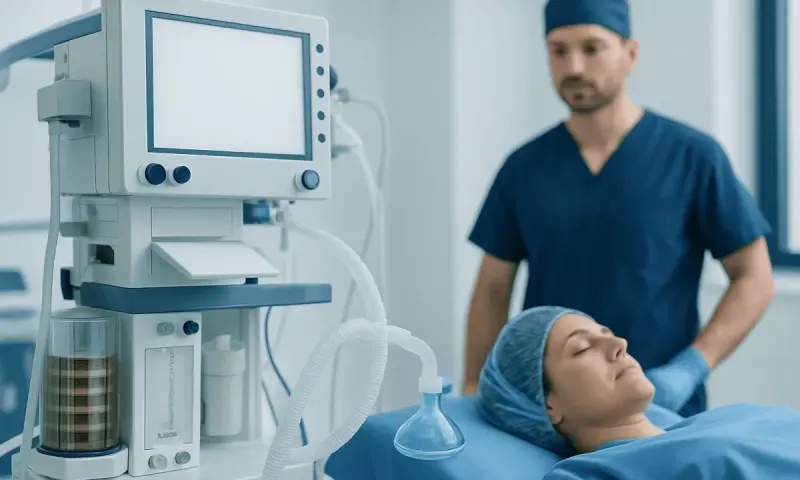
Pubic Mound Liposuction Cost: What Affects It?
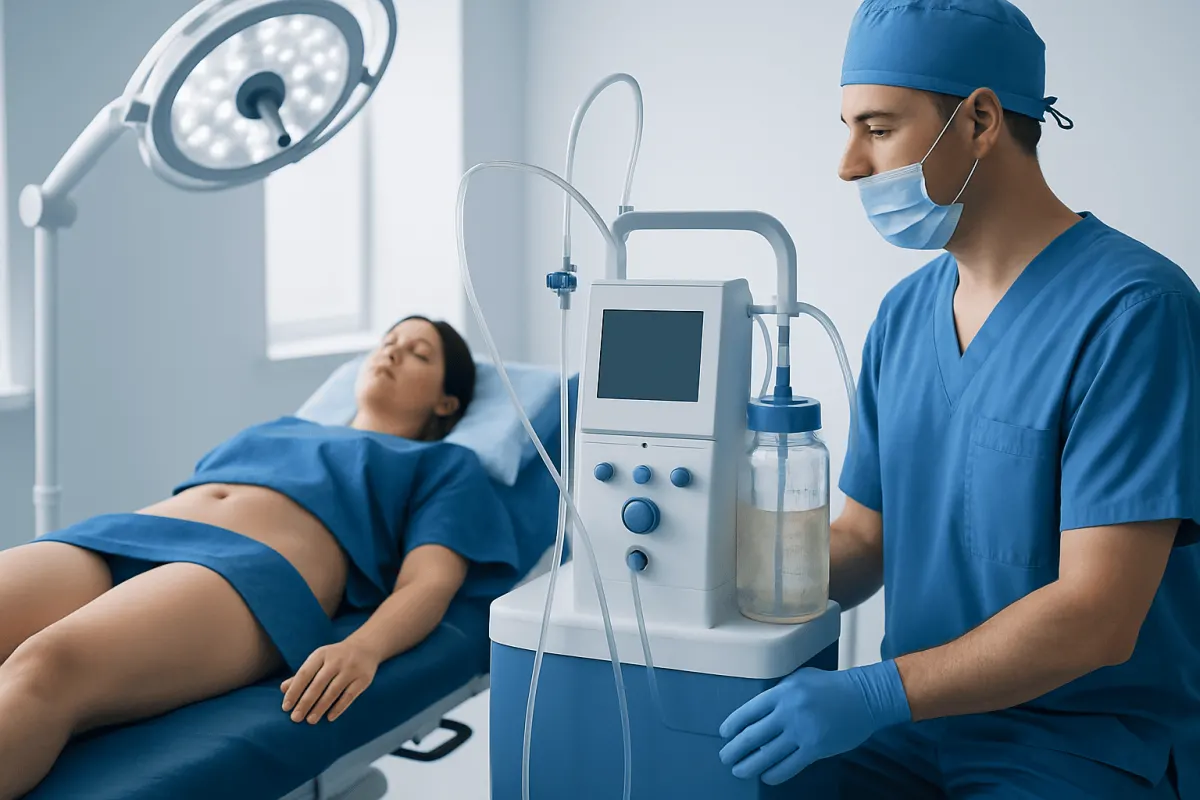
Pubic mound liposuction cost cannot be quoted accurately without an examination because the final plan depends on the amount and type of tissue present, the technique used and where care is provided. Mons pubis liposuction can reduce localized fatty fullness for appropriately selected adults, but it is not a weight-loss procedure and may not address loose skin or other causes of lower pelvic prominence.
Pubic Mound Liposuction Cost: The Practical Answer
Pubic mound liposuction cost varies considerably because it is tailored to the person’s anatomy, goals, surgical setting and aftercare needs. Rather than relying on a generic pubic lipo price, patients should request a written, individualized estimate after consultation with a qualified plastic surgeon.
The estimate may include the surgeon’s professional fee, anesthesia, operating-room or facility charges, laboratory tests when needed, compression garments, prescribed medicines and follow-up visits. Travel, accommodation and time away from work may also matter for people arranging care away from home. Asking exactly what is included makes it easier to compare plans responsibly.
Cost should not be the only decision factor. The surgeon’s qualifications, safety standards, experience with body contouring, the quality of preoperative assessment and access to follow-up care are central considerations. A lower quote may not cover all parts of treatment, while a higher estimate may reflect a more complex procedure or combined surgery.
What Mons Pubis Liposuction Treats and How It Works
The mons pubis, also called the pubic mound, is the soft area of tissue over the pubic bone. Some people use the informal term “FUPA” to describe fullness in this region. Its appearance can be influenced by natural body shape, weight changes, pregnancy, aging, prior abdominal surgery and the distribution of fat beneath the skin.
Pubic mound liposuction is a body-contouring operation designed to remove selected deposits of subcutaneous fat through very small incisions. A surgeon inserts a narrow cannula beneath the skin and uses controlled suction to reshape the area. The goal is proportion and smoother contour, not complete removal of all fat or a particular body ideal.
The procedure works best when extra volume is largely caused by fatty tissue and the skin has reasonable elasticity. If the main concern is excess or lax skin, liposuction alone can leave the area looking less tight. In those cases, the surgeon may discuss skin excision, abdominal contouring or another individualized strategy. Patients considering surgical fat removal can learn about liposuction treatment options as part of a broader discussion with their surgeon.
Who May Be a Candidate for Pubic Liposuction?

Suitable candidates are generally adults in good overall health who have a stable weight and a localized pubic fat deposit that has not responded as expected to general weight-management measures. They should understand that liposuction shapes an area; it does not treat obesity, replace healthy habits or prevent future weight changes.
A consultation includes discussion of medical history, medications, allergies, previous operations, smoking or nicotine use, pregnancy plans and personal expectations. The clinician examines the abdomen, groin and pubic region to distinguish fat from loose skin, scar-related contour changes, fluid swelling or a possible hernia. This assessment is important because these concerns need different care.
People who are pregnant, have uncontrolled medical conditions, active infection, significant bleeding risk or unrealistic expectations may need to postpone surgery or consider alternatives. Individuals who smoke or use nicotine are commonly advised to stop well before and after surgery because nicotine can impair healing. A surgeon can also advise whether weight stabilization before surgery would improve safety and predictability.
- Good candidates seek contour improvement rather than a major weight-loss result.
- Skin quality and fat distribution affect whether liposuction alone is appropriate.
- A stable, sustainable weight supports longer-lasting contour results.
Procedure Steps, Recovery Timeline and Expected Results
Before surgery, the surgeon marks the planned treatment area and reviews the operative plan. Pubic mound liposuction may be performed with local anesthesia and sedation or with general anesthesia, depending on the extent of treatment, patient needs and whether it is combined with another procedure. Small incisions are placed in discreet locations, fluid may be introduced to reduce bleeding and discomfort, and fat is removed using a cannula.
Afterward, patients usually wear a compression garment to help limit swelling and support the healing tissues. Mild to moderate soreness, tightness, swelling, bruising and temporary numbness can occur. Pain is usually managed with the clinician’s recommended medicines and activity adjustments. Patients need someone to take them home if sedation or general anesthesia is used.
Light walking is commonly encouraged soon after surgery to support circulation, but strenuous exercise, heavy lifting and sexual activity should wait until the surgeon confirms it is safe. Many people return to desk-based work after a short recovery period, although timing varies. Swelling improves gradually over weeks, and the final pubic mound liposuction before and after result may take several months to become clear as tissues settle.
Results can be long-lasting when body weight remains relatively stable. However, remaining fat cells can enlarge with weight gain, and natural aging or later pregnancy can change the contour. Follow-up appointments allow the surgical team to assess healing and address questions promptly.
Benefits, Risks and Limitations to Consider
The potential benefit of mons pubis liposuction is a reduction in localized fullness, which may improve comfort in clothing and help the lower abdomen and pubic region look more balanced. Some people also report greater confidence in fitted garments. Outcomes are personal and depend on anatomy, skin elasticity, surgical technique and healing.
Like all operations, liposuction has risks. These include bleeding, infection, fluid accumulation, prolonged swelling, numbness or altered sensation, scarring, uneven contour, skin irregularities, asymmetry and the possibility of revision treatment. Less common but serious complications related to anesthesia, blood clots or injury to surrounding structures require prompt medical attention.
Careful patient selection, an experienced surgeon, accredited facilities and following aftercare instructions can reduce risk, but cannot remove it completely. Patients should disclose all health conditions and medicines, including supplements, and should ask their surgeon how complications are prevented and managed. A balanced discussion should also cover what surgery cannot correct, especially substantial skin laxity or a bulge caused by an underlying medical condition.
When to Seek Medical Care
A new, painful or rapidly enlarging lump or bulge in the groin or pubic area should be assessed by a clinician rather than assumed to be fat. Medical review is also appropriate for persistent pelvic pain, fever, skin redness, drainage, urinary symptoms, unexplained swelling or a bulge that becomes more obvious with coughing or straining. These features can have causes that are not suitable for cosmetic liposuction.
After surgery, patients should contact their surgical team urgently for worsening pain not controlled by the prescribed plan, increasing redness or warmth, pus-like drainage, fever, one-sided leg swelling, chest pain, shortness of breath or sudden marked swelling. Emergency symptoms require urgent medical evaluation.
For people considering treatment, a planned consultation is the safest first step. Acıbadem Health Point’s multidisciplinary specialists and JCI-accredited hospitals diagnose and treat suitable patients, including international patients, with individualized assessment and follow-up planning.
How Much Is Lipo for Mons Pubis?
There is no single reliable price for lipo of the mons pubis. A personal quote depends on whether the procedure is performed alone or alongside abdominal surgery, how much contouring is needed, the type of anesthesia, the facility, the clinical team and the services included before and after surgery.
When discussing pubic liposuction price, patients can ask for an itemized estimate and whether it includes anesthesia, facility use, garments, tests, medications and follow-up. It is also sensible to ask about possible additional costs if the procedure needs to be changed for safety or if a separate procedure is recommended for loose skin.
Insurance generally does not cover cosmetic contouring, although coverage rules differ when a procedure is medically necessary. The treating provider and insurer can clarify eligibility before surgery. A consultation is the appropriate place to receive accurate financial and medical information.
Is FUPA Liposuction Worth It? Is Mons Pubis Liposuction Painful? Can I Get Lipo on My Mons Pubis?
Whether FUPA liposuction is worth it depends on the person’s goals, the cause of the fullness, expected benefit, recovery commitments, cost and tolerance for surgical risk. It may be worthwhile for a person with a stable weight, good skin elasticity and a localized fat deposit who wants a modest contour change. It may be less helpful when loose skin, major weight fluctuation or an underlying medical issue is the primary concern.
Mons pubis liposuction is performed with anesthesia, so pain should not be felt during the operation. Afterward, discomfort is commonly described as soreness, pressure or bruised tenderness and typically improves over time. The surgeon provides individualized pain-control and aftercare guidance; severe or worsening pain should be reported rather than managed alone.
Many adults can get lipo on the mons pubis if a qualified surgeon finds that it is medically appropriate. Eligibility depends on overall health, the local anatomy, skin quality, operative history and realistic expectations. The safest approach is to choose a board-qualified plastic surgeon or appropriately trained specialist who can explain alternatives as well as the likely benefits and limitations of surgery.
Frequently asked questions
01What is included in pubic mound liposuction cost?
The total can include the surgeon’s fee, anesthesia, facility charges, preoperative tests, compression garments, medicines and follow-up care. Inclusions differ between clinics and countries, so patients should request an itemized written estimate before committing to treatment.
02How long does it take to recover from mons pubis liposuction?
Initial soreness and bruising often improve over the first weeks, while swelling may take longer to settle. The timing of return to work, exercise and sexual activity depends on the extent of surgery and the surgeon’s instructions. Final contour changes may take several months to fully develop.
03Will liposuction remove loose skin from the pubic mound?
No. Liposuction removes fat but does not directly tighten a significant amount of loose skin. If skin laxity is substantial, the surgeon may discuss another procedure or a combined approach.
04Are pubic mound liposuction results permanent?
Removed fat cells do not return, but the remaining fat cells can enlarge with weight gain. Aging, pregnancy and changes in skin elasticity can also affect the area over time. Maintaining a stable weight supports the longevity of results.
05What should I ask at a pubic lipo consultation?
Patients can ask whether the fullness is caused mainly by fat or skin, what result is realistic, which anesthesia is planned and what recovery will involve. It is also helpful to ask about risks, credentials, facility accreditation, follow-up arrangements and every item included in the proposed cost.
06Can pubic mound liposuction be combined with tummy tuck surgery?
In some cases, it can be combined with abdominal <a href="https://www.acibademhealthpoint.com/blog/neck-contouring-surgery-what-to-expect-before-during-and-after/" title="Neck Contouring Surgery: What to Expect Before, During, and After" class="ahp-ilk">contouring surgery when this is appropriate for the patient’s goals and safety. Combining procedures may change the anesthesia, recovery period, risk profile and overall cost. A surgeon should assess whether a combined plan is suitable.
This article is for general information only and is not a substitute for professional medical advice. Please consult a qualified doctor about your individual situation.
Explore treatments in Turkey — costs, top hospitals & a free quote
JCI-accredited · board-certified surgeons · reply within 24h
Add us as a Preferred Source to see more of our trusted health content across Google Search, AI Overviews and Discover.