Ptosis: Symptoms, Causes and Treatment

Key Takeaways
- Ptosis means the upper eyelid sits lower than usual and may partially cover the eye.
- It can be congenital or acquired, and sometimes points to a muscle, nerve, or mechanical problem.
- Symptoms may include a tired look, eye strain, head tilting, or blocked vision.
- Diagnosis focuses on eyelid position, eye function, and the possible cause behind the droop.
- Treatment ranges from observation and managing an underlying condition to eyelid surgery when needed.
Ptosis is a drooping of the upper eyelid that can affect appearance, vision, or both. It may be present from birth or develop later in life, and the right treatment depends on the underlying cause.
Overview
Ptosis is the medical term for a drooping upper eyelid. In some people, the eyelid barely changes position; in others, it hangs low enough to interfere with reading, driving, or simply keeping both eyes open comfortably. The condition can affect one eye or both, and it may be noticeable from childhood or appear later in life.
Although ptosis is often discussed as a cosmetic concern, it is not always only about appearance. When the eyelid obscures the pupil, the brain receives less visual input from that eye. A person may then compensate by lifting the eyebrows, tilting the head back, or straining to see clearly. These adjustments can become tiring over time, especially during long workdays or when traveling.
For international patients, ptosis is often evaluated in a planned, step-by-step way: first by confirming whether the eyelid droop is stable, progressive, or linked to another health issue, and then by deciding whether observation, medical treatment, or surgery is the most appropriate path. The best approach depends less on the look of the eyelid alone and more on why it has drooped in the first place.
Symptoms
The most obvious sign of ptosis is a lower-than-normal upper eyelid margin. Some people notice it in photographs, while others feel it because they must work harder to keep the eye open. The droop may be mild and easy to ignore, or it may be significant enough to narrow the field of vision.
Common symptoms can include:
- One eyelid appearing lower than the other
- Vision being partly blocked by the eyelid
- Needing to raise the eyebrows to see better
- Tilting the chin upward to look straight ahead
- Eye fatigue, especially when reading or using screens
- Occasional forehead tension from repeated lifting of the brows
In some cases, ptosis is accompanied by other eye or body symptoms, such as double vision, unequal pupils, eye movement problems, or weakness elsewhere in the face or body. Those added features matter because they can help reveal whether the drooping eyelid is a stand-alone issue or part of a broader medical condition.
Causes & Risk Factors

Ptosis has several possible causes. Some people are born with it because the muscle that lifts the eyelid did not develop normally. This is called congenital ptosis. Others develop ptosis later in life when the eyelid muscle stretches or weakens with age, after eye surgery, or after a local injury.
Beyond the eyelid itself, nerves and muscles can also be involved. Conditions that affect nerve signaling or muscle strength may lead to ptosis, including disorders such as myasthenia gravis, third nerve palsy, Horner syndrome, or certain neuromuscular conditions. Less commonly, an eyelid can droop because its weight has increased from swelling, a growth, scarring, or excess skin.
Risk factors vary by cause, but may include:
- A family history of congenital eyelid differences
- Increasing age, especially when the eyelid tissues gradually loosen
- Previous eye or eyelid surgery
- Eye trauma
- Neurologic or muscle disorders
- Use of contact lenses over many years in some patients
Because the cause shapes the treatment, doctors usually avoid treating ptosis as a single, uniform condition. A careful review of medical history and associated symptoms helps determine whether the eyelid itself is the issue or whether another diagnosis should be addressed first.
Diagnosis
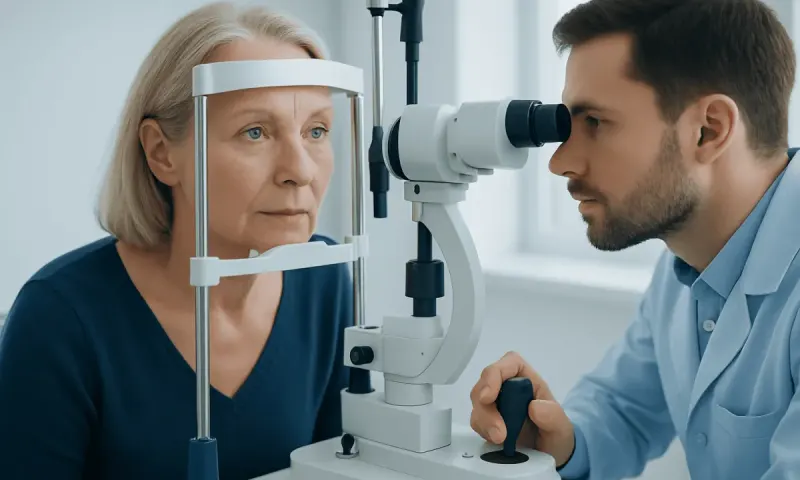
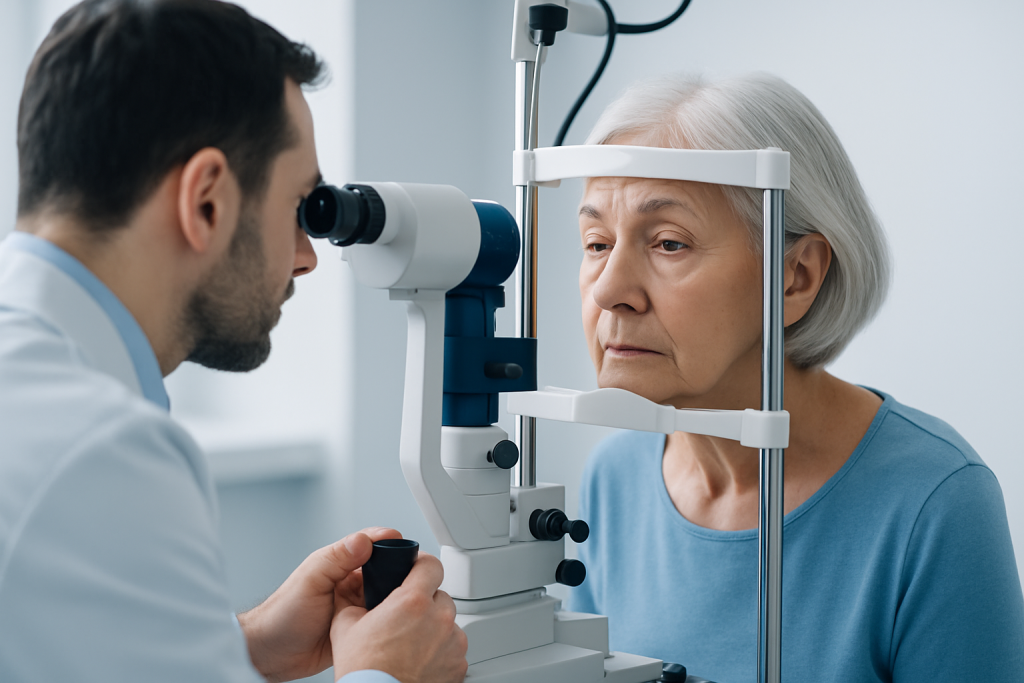
Evaluation begins with a detailed eye examination. The clinician measures how far the eyelid droops, checks both eyes, and observes whether the eyelid position changes with looking up, down, or to the side. A history of when the problem started, whether it fluctuates during the day, and whether it followed surgery or injury can be especially useful.
Doctors also look for clues that suggest a deeper cause. These clues may include abnormal pupil size, limited eye movement, double vision, facial asymmetry, or weakness in other muscles. If needed, additional tests may be recommended, such as blood work for suspected muscle disease, imaging studies when nerve involvement is a concern, or specialized vision testing to understand how much the droop is affecting sight.
For patients traveling from abroad, diagnosis is often coordinated efficiently so that the main assessment, any required imaging, and treatment planning can happen in a structured sequence. This can be helpful when a person wants a clear answer before returning home. A good evaluation does not just label the eyelid droop; it identifies whether the condition is stable, progressive, or linked to another health problem that deserves attention.
Treatment Options
Treatment depends on the underlying cause, the severity of the droop, and how much it affects function. When ptosis is mild and not bothering vision, a doctor may recommend observation. If an underlying condition is responsible, such as a nerve or muscle disorder, treating that condition may improve the eyelid position or help prevent worsening.
When the droop is persistent or obstructs vision, surgery is often the main corrective option. Ptosis surgery aims to reposition or tighten the eyelid-lifting structures so the eyelid sits higher and the visual axis is improved. The exact technique varies according to how well the eyelid muscle still works. In some cases, a brow or forehead contribution to the droop is also considered, especially if the eyelid skin and tissues have become heavier over time.
Other treatments may be used in selected situations. For example, temporary measures can sometimes help in specific neurologic causes, and certain patients with very mild ptosis may manage symptoms with observation and lifestyle adjustments. The choice is individualized, because an eyelid that droops from muscle weakness is managed differently from one weighed down by excess tissue or recovery after surgery.
Before choosing surgery, doctors usually discuss expectations carefully. The goal is balanced eyelid height, better field of vision when relevant, and a result that fits the face naturally. As with any procedure, recovery time, follow-up visits, and the possibility of needing an adjustment depend on the starting point and the cause being treated.
Prevention & Self-care
Not every case of ptosis can be prevented, especially when it is congenital or related to a neurologic or muscular condition. Still, a few practical habits can reduce strain and make symptoms easier to live with. If the eyelid is only mildly drooped, people often find it helpful to use good lighting for reading, take regular screen breaks, and avoid spending long periods in positions that encourage neck or forehead strain.
When ptosis is associated with dry eye, artificial tears or other eye-care measures may improve comfort, though they do not correct the eyelid position itself. People who wear contact lenses should follow proper lens hygiene and discuss any eyelid changes with an eye specialist, especially if the droop appears to be worsening.
After treatment or surgery, self-care includes following the surgeon’s instructions closely, protecting the eye from rubbing, keeping follow-up appointments, and watching for changes in vision, swelling, or pain. For those recovering while traveling, planning enough time for postoperative review before flying home can make follow-up smoother and more reassuring.
When to See a Doctor
A medical evaluation is recommended when a drooping eyelid is new, gradually worsening, or affecting vision. It is also important to seek assessment if ptosis appears after an injury or eye procedure, or if it comes with double vision, headache, facial weakness, unequal pupils, or changes in eye movement.
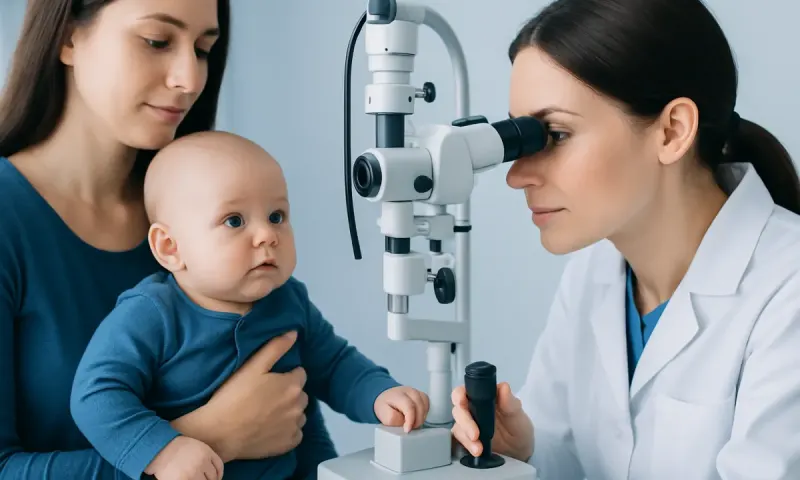
Parents should have a child assessed if one eyelid seems unusually low, if the child tilts the head back to see, or if the droop seems to interfere with visual development. In children, persistent ptosis may need timely attention so the eye is not forced to work under suboptimal conditions.
People who already know they have ptosis should return for review if the droop changes quickly, begins to fluctuate more than before, or starts causing more strain than usual. At Acibadem Health Point, multidisciplinary specialists and JCI-accredited hospitals can diagnose and treat ptosis for international patients in a coordinated way, from first evaluation through follow-up planning.
Frequently asked questions
01Is ptosis the same as having tired-looking eyes?
Not exactly. Tired-looking eyes can happen for many reasons, but ptosis specifically means the upper eyelid sits lower than normal. A doctor can tell whether the issue is true eyelid droop or another change around the eyes.
02Can ptosis affect vision?
Yes. If the eyelid hangs low enough to cover part of the pupil, it can reduce the visual field. Some people also compensate by lifting their brows or chin, which can cause strain over time.
03Does ptosis always need surgery?
No. Mild ptosis may be monitored, especially if it does not affect sight or daily activities. Surgery is usually considered when the droop interferes with vision, comfort, or appearance in a meaningful way.
04Can ptosis come back after treatment?
It can, depending on the cause and the treatment used. Aging, progression of an underlying condition, or normal tissue changes over time may alter the eyelid position again, so follow-up matters.
05Is ptosis in children a concern?
It can be. Childhood ptosis may affect visual development if it blocks the eye or encourages unusual head posture. A pediatric eye evaluation helps determine whether observation or treatment is the best next step.
06What should someone expect before ptosis surgery?
The surgeon usually explains the likely cause of the droop, the planned technique, and what recovery may involve. Preoperative planning also includes discussing vision goals, symmetry, and any need for follow-up while the person is still nearby.
This article is for general information only and is not a substitute for professional medical advice. Please consult a qualified doctor about your individual situation.
Explore treatments in Turkey — costs, top hospitals & a free quote
JCI-accredited · board-certified surgeons · reply within 24h
Add us as a Preferred Source to see more of our trusted health content across Google Search, AI Overviews and Discover.