Too Much Prozac Can Be Serious Even Without Early Symptoms
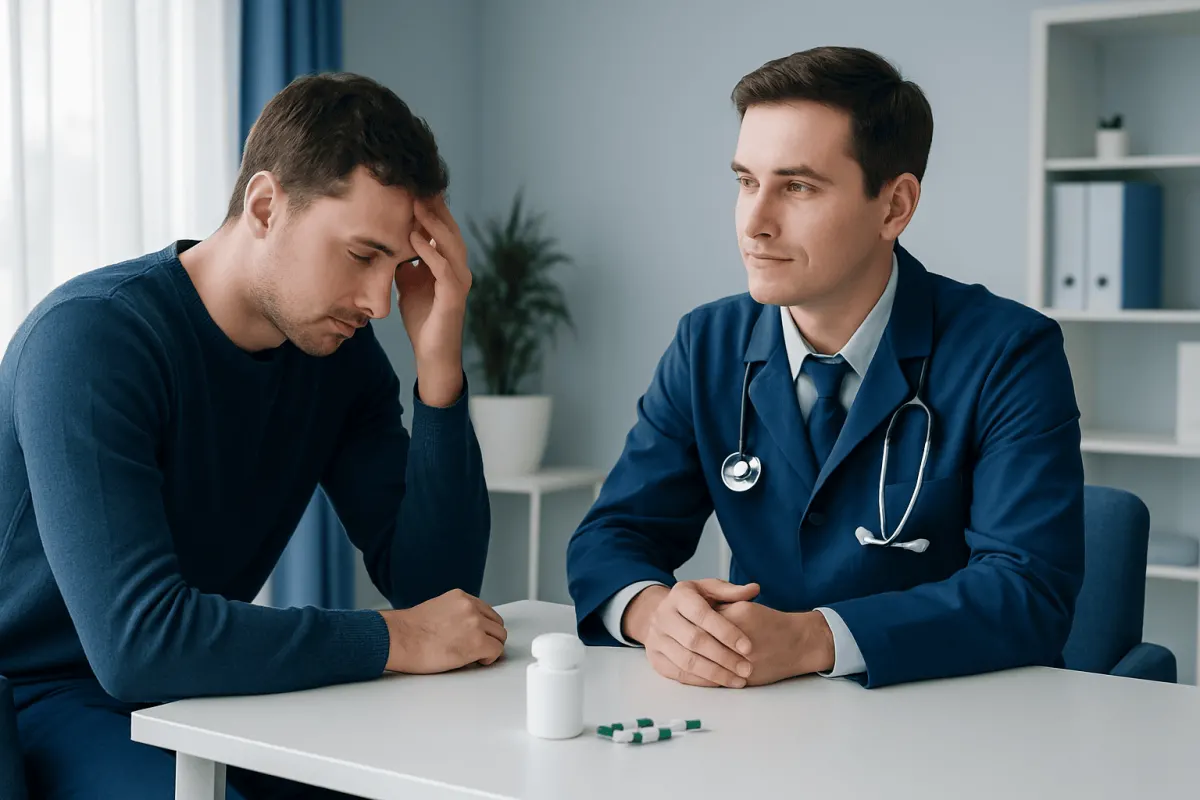
Maybe you swallowed your morning capsule, then couldn’t remember whether you’d already taken it. Maybe a child got into the bottle. Or maybe someone you love took extra pills on purpose. A Prozac overdose means taking more fluoxetine than prescribed, and it can happen by accident or on purpose.
Here’s the part that catches people off guard: many cases cause only mild symptoms, so it’s easy to assume everything is fine. But an overdose can be serious, especially when Prozac is mixed with alcohol, other medicines, or recreational drugs. Don’t wait and see. Call a poison center or a medical professional right away.
Overview: What Is a Prozac Overdose?
Prozac is a brand name for fluoxetine, a selective serotonin reuptake inhibitor (SSRI) used to treat conditions such as depression, obsessive-compulsive disorder, panic disorder, and some eating disorders. A Prozac overdose means taking more fluoxetine than prescribed or recommended. This can happen after a dosing mistake, when a child accidentally swallows medication, or when a person takes extra tablets or capsules intentionally.
Symptoms after too much Prozac vary widely. Some people feel nothing at all, or just an upset stomach and drowsiness. Others develop agitation, an abnormal heart rhythm, seizures, or serotonin syndrome. The amount taken matters, but it won’t reliably tell you how someone will feel. Age, body size, other health conditions, and above all other medicines or substances taken at the same time can all change the risk.
Fluoxetine and its active breakdown product stay in the body longer than many other antidepressants. That’s why medical teams look at symptoms, timing, and possible drug interactions even when someone feels fine at first. If you suspect an overdose, get advice for your specific situation without delay from a local poison center, emergency service, or qualified clinician.
Possible Symptoms and Warning Signs
Early symptoms of a fluoxetine overdose may involve the digestive system or nervous system. They can include nausea, vomiting, diarrhea, dizziness, headache, tiredness, restlessness, anxiety, shaking, or difficulty sleeping. A person may also have a faster heartbeat, sweating, or changes in blood pressure. Plenty of other illnesses cause the same things, so they need to be judged alongside how much medication may have been taken and whether other substances were involved.
More serious warning signs include marked confusion, severe agitation, fainting, chest discomfort, an irregular or racing heartbeat, muscle stiffness, poor coordination, or seizures. A person who is unusually difficult to wake, has trouble breathing, collapses, or has a seizure needs emergency care immediately. If there is any concern that an overdose was intentional, emergency assessment and compassionate mental health support are important even when physical symptoms seem mild.
Symptoms may be more concerning when fluoxetine is taken with alcohol, sedatives, stimulants, opioids, or other prescription and non-prescription medicines. Keep the medication container to hand — clinicians will likely ask for the product name, strength, estimated number of pills, and the time it was taken.
Serotonin Syndrome and Medicine Interactions
One important concern after a Prozac overdose is serotonin syndrome. This occurs when serotonin activity becomes excessively high in the nervous system. It is more likely when fluoxetine is combined with another medicine or substance that also increases serotonin, rather than from fluoxetine alone. Examples can include certain antidepressants, migraine medicines, some pain medicines, certain cough medicines, and recreational substances.
Serotonin syndrome may cause a combination of mental and physical changes. Warning features can include agitation or confusion, heavy sweating, fever, diarrhea, tremor, muscle twitching, exaggerated reflexes, stiffness, and a rapid heartbeat. Severe symptoms, particularly high fever, severe rigidity, seizures, or loss of consciousness, require emergency treatment.
Fluoxetine can also interact with medicines that affect heart rhythm, bleeding risk, or the way the liver processes drugs. Please don’t stop, restart, double, or adjust an antidepressant based on general information you’ve read. Ask your prescribing clinician or pharmacist to go through everything you take — prescriptions, over-the-counter products, vitamins, herbal supplements — and flag possible interactions.
What to Do if Too Much Prozac Was Taken
If you think someone has taken too much Prozac, act quickly and stay calm. Call a poison center, an urgent medical service, or an emergency department for advice that fits the situation in front of you.
In the United States, Poison Control can be reached at 1-800-222-1222. Elsewhere, local emergency services or a national poison information service can direct people to appropriate care.
Do not wait for symptoms to become severe before asking for advice, particularly if the amount is unknown, a child is involved, or other medicines, alcohol, or drugs may have been taken. Do not induce vomiting. Do not give activated charcoal, food, drinks, or another medicine as a home remedy unless a healthcare professional specifically instructs this. If the person is sleepy, confused, or vomiting, they should not be left alone.
Useful details to provide include the person’s age, approximate weight, medical conditions, prescribed fluoxetine dose, estimated amount taken, time of ingestion, current symptoms, and all other substances used. Bring medication containers or a current medication list to the hospital if possible. The more of this the team has, the faster and safer their decisions can be.
How Prozac Overdose Is Assessed and Treated
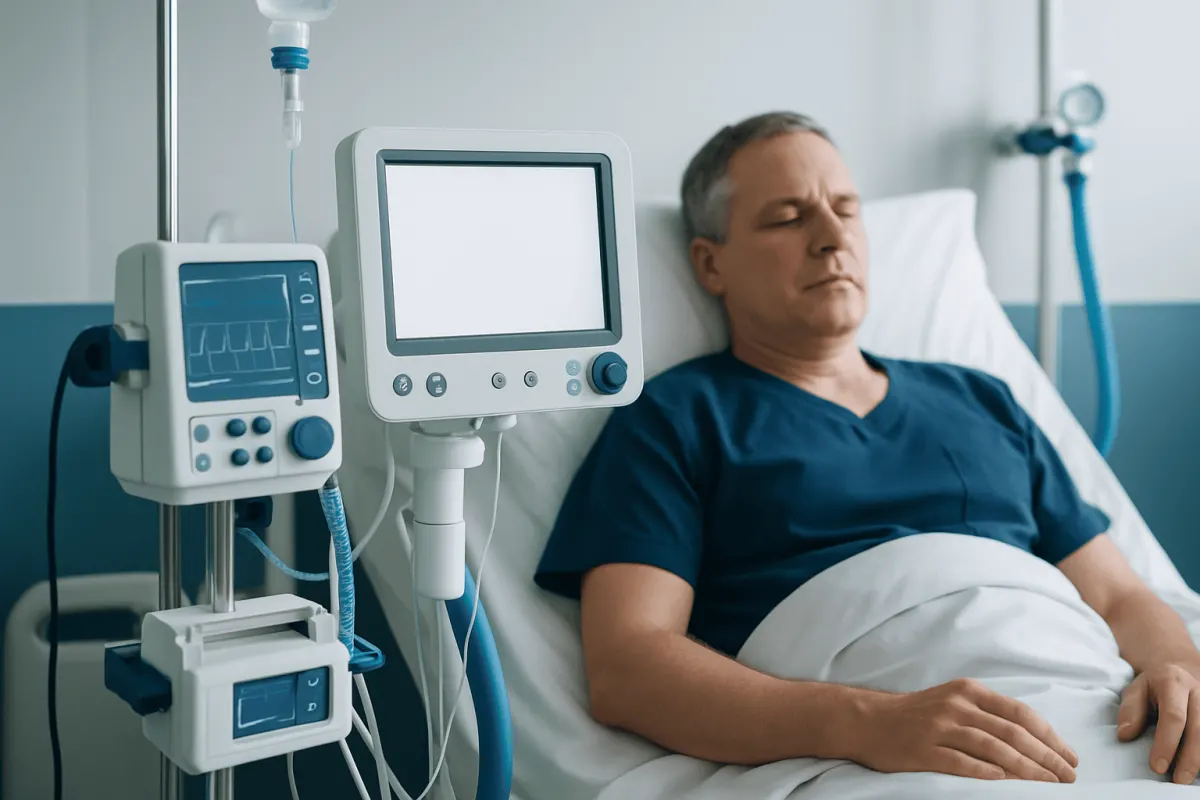
In a hospital or emergency setting, clinicians first assess breathing, circulation, alertness, temperature, and heart rhythm. They will ask about the likely amount and timing of fluoxetine, other medicines or substances, and any underlying health conditions. Depending on the circumstances, assessment may include an electrocardiogram (ECG), blood tests, urine testing, and a period of observation.
Treatment is guided by symptoms rather than by a single test result. Supportive care may include monitoring, intravenous fluids, treatment for nausea or agitation, and medicines to manage seizures or serious serotonin-related symptoms when needed. People with concerning symptoms, uncertain ingestion details, dangerous co-ingestants, or an abnormal heart rhythm may need longer observation or admission to hospital.
When an overdose may be related to distress, self-harm thoughts, or a suicide attempt, mental health evaluation is a central part of care. No one is there to judge. The point is to work out what’s needed right now to keep the person safe, who can support them, and what the treatment plan should look like going forward. Acıbadem Health Point’s multidisciplinary specialists and JCI-accredited hospitals can assess medication-related emergencies and provide coordinated care for international patients.
Reducing the Risk of Accidental Overdose
Taking fluoxetine exactly as prescribed is the most reliable way to lower your overdose risk. Missed a dose? Don’t usually double up to catch up, unless your prescribing clinician has specifically told you to. And if you genuinely can’t remember whether you’ve taken it, ask a pharmacist or clinician instead of swallowing another one.
Keeping a simple medication routine can prevent errors. Some people find it useful to use a labeled pill organizer, set a daily reminder, or record doses in a calendar or medication app. These strategies can be especially helpful for people taking several medicines. Medication should remain in its original child-resistant container and be stored out of sight and reach of children and pets.
Before you add a new prescription, pain reliever, cold or cough product, supplement, or herbal remedy, ask a pharmacist or clinician whether it’s compatible with Prozac. People should also avoid sharing antidepressants with others. If side effects are hard to live with, call the prescriber and talk about alternatives — that’s far safer than changing the dose on your own.
When to Seek Medical Care
Emergency care should be sought immediately if a person who may have taken too much Prozac has trouble breathing, passes out, has a seizure, develops severe confusion, has a very fast or irregular heartbeat, experiences high fever or severe muscle stiffness, or cannot be safely monitored at home. Call local emergency services if there is an immediate danger. If someone is unconscious but breathing, place them on their side if it is safe to do so and stay with them until help arrives.
Prompt poison center or medical advice is also appropriate after any suspected overdose, even without symptoms. This is particularly important for children, older adults, pregnant people, people with heart, liver, or seizure conditions, and anyone who may have taken alcohol or another medication. Medical professionals can explain whether home observation, urgent assessment, or emergency treatment is needed.
Any overdose connected with thoughts of suicide or self-harm deserves urgent support. The person should not be left alone, and a trusted family member, friend, emergency service, or crisis resource should be involved. Ongoing treatment for depression or anxiety can be adjusted safely with professional help; stopping Prozac suddenly or taking extra doses is not a safe solution.
Frequently asked questions
01Can a Prozac overdose be fatal?
A severe Prozac overdose can be dangerous, although many isolated fluoxetine overdoses cause mild or moderate symptoms. Risk rises when large amounts are taken or when fluoxetine is combined with alcohol, other medicines, or recreational drugs. Any suspected overdose should be discussed promptly with a poison center or healthcare professional.
02How long do Prozac overdose symptoms last?
The timing and duration of symptoms vary depending on the amount taken, other substances involved, and the person’s health. Fluoxetine stays in the body for a relatively long time, so clinicians may recommend observation even if early symptoms are mild. A medical professional can advise on the appropriate monitoring period for the specific situation.
03What should someone do after accidentally taking two Prozac doses?
They should contact their prescribing clinician, pharmacist, or poison center for individual guidance, especially if they have symptoms or take other medicines. They should not take further doses to compensate or attempt to make themselves vomit. The next scheduled dose may need adjustment, but this should be decided by a qualified professional.
04Can Prozac overdose cause serotonin syndrome?
Yes, an overdose can contribute to serotonin syndrome, especially when Prozac is taken with other serotonin-increasing medicines or substances. Symptoms can include agitation, sweating, diarrhea, tremor, muscle twitching, fever, and rapid heartbeat. Severe symptoms require emergency evaluation.
05Should Prozac be stopped after an overdose?
A person should not restart or stop Prozac without advice from the clinician managing their care. The appropriate plan depends on why the overdose happened, symptoms, other medicines, and the person’s mental health needs. Follow-up care may include a medication review and additional emotional support.
06What information is helpful when calling a poison center?
It helps to know the medicine name, strength, estimated number of tablets or capsules taken, and the approximate time of ingestion. The caller should also report the person’s age, weight, symptoms, medical conditions, and any alcohol, drugs, or other medicines involved. Keeping the medication package nearby can make this information easier to provide.
This article is for general information only and is not a substitute for professional medical advice. Please consult a qualified doctor about your individual situation.
Persistent digestive symptoms? Get evaluated in Turkey
JCI-accredited · board-certified surgeons · reply within 24h
Add us as a Preferred Source to see more of our trusted health content across Google Search, AI Overviews and Discover.