Prostatectomy PSA after Surgery: Procedure, Recovery and Results
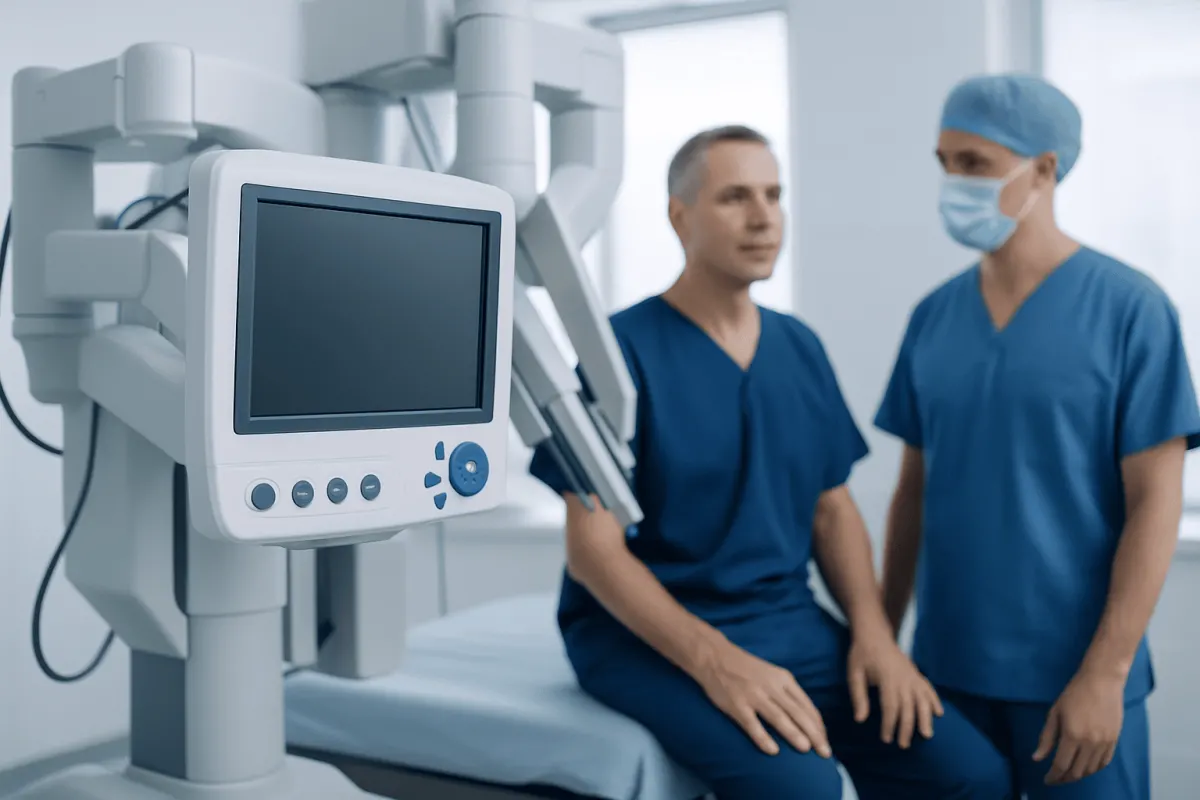
After radical prostatectomy, prostate-specific antigen (PSA) is expected to fall to an undetectable or very low level because the prostate gland has been removed. Follow-up PSA trends, rather than one isolated result, help the care team assess recovery and decide whether additional evaluation is needed.
Overview: PSA after prostatectomy
Prostatectomy PSA after surgery is monitored to check whether PSA-producing prostate cells remain in the body. Following a radical prostatectomy, in which the entire prostate gland is removed for prostate cancer, PSA should usually become undetectable or extremely low within several weeks because normal prostate tissue is no longer present.
PSA blood tests are among the most useful parts of follow-up, but a single value does not tell the whole story. The laboratory method used, the timing of the test, previous PSA values, surgical pathology findings, and whether the level rises over time all influence interpretation. A urologist or oncology team can explain what an individual result means in context.
Radical prostatectomy may be performed through open surgery, laparoscopic surgery, or robot-assisted surgery. It is a treatment option for selected people with localized or locally advanced prostate cancer, often alongside discussions of radiation therapy, active surveillance, hormone therapy, or other approaches depending on the cancer and the person’s overall health.
What are the typical PSA results after prostate removal surgery?
After the prostate has been completely removed, PSA is generally expected to fall to an undetectable level. Many clinicians obtain the first postoperative PSA test around 6 to 8 weeks after surgery, allowing time for PSA already circulating in the bloodstream to clear. The exact reporting threshold varies by laboratory: standard tests may report values below 0.1 ng/mL as undetectable, while ultrasensitive tests can measure much lower values.
A low PSA result is reassuring, but follow-up remains necessary. PSA is often checked every few months at first, then less frequently if results remain stable. The schedule is individualized according to pathology results, prior treatments, and the treating team’s follow-up plan.
If PSA remains detectable soon after surgery, it may reflect residual prostate tissue, cancer cells outside the removed prostate, or, less commonly, differences in testing methods. A confirmed rise on repeat testing is more informative than a single unexpected result. The clinical team may recommend closer PSA monitoring, imaging in selected circumstances, or discussion of additional treatment.
Is a PSA level of 0.02 after prostatectomy normal?

A PSA level of 0.02 ng/mL after prostatectomy may be seen with ultrasensitive PSA testing and is often considered a very low result. It is below the commonly used threshold for biochemical recurrence, which is typically a PSA of 0.2 ng/mL or higher confirmed by a second measurement.
However, no result should be interpreted in isolation. A stable value of 0.02 may be managed with routine follow-up, whereas a sequence of results that gradually rises—for example from 0.02 to 0.04 and then higher—may prompt the clinician to repeat testing sooner and review the overall situation.
Small differences can also arise between laboratories and assays. Whenever possible, using the same laboratory and discussing the trend with the treating urologist can make results easier to compare. Patients should not assume that a detectable ultrasensitive value automatically means that cancer has returned.
How prostatectomy works and who may be a candidate
Radical prostatectomy removes the prostate gland, the seminal vesicles, and sometimes nearby pelvic lymph nodes for examination. The aim is to remove cancer that is confined to, or can reasonably be treated by removing, the prostate. The surgeon may use nerve-sparing techniques when they can be performed safely, helping preserve structures involved in erections and urinary control.
Candidacy is based on more than PSA. The care team considers biopsy findings, imaging, cancer stage and grade, PSA level, life expectancy, urinary and sexual function, previous pelvic treatment, medical conditions, and personal preferences. The pathology report after surgery provides important information about margins, lymph nodes, the extent of cancer, and the need for further monitoring or treatment.
The procedure usually involves anesthesia, removal of the prostate, reconnection of the bladder to the urethra, and temporary placement of a urinary catheter. A hospital stay may be short, depending on the surgical method, recovery, and individual medical needs. The catheter is commonly removed after the surgical connection has had time to heal.
People considering surgery can benefit from discussing expected cancer control, continence, sexual function, fertility, and alternatives before making a decision. These conversations support informed choices and realistic recovery planning.
Recovery timeline, benefits and possible risks
Early recovery focuses on wound healing, pain control, walking safely, preventing constipation, and catheter care. Many people gradually increase light activity over the first few weeks. Heavy lifting, strenuous exercise, driving, and sexual activity should be resumed only when the surgical team advises that it is safe.
Internal healing after prostate surgery commonly takes about 6 to 8 weeks, although recovery is not identical for everyone. The bladder-to-urethra connection needs time to heal, and deeper tissues continue to recover beyond the early postoperative period. Fatigue and reduced stamina can persist for several weeks.
Urinary leakage is common after catheter removal and usually improves with time. Pelvic floor muscle exercises, when recommended by a clinician or pelvic health physiotherapist, may support continence recovery. Erectile function may take months to improve and may not return to the same level as before surgery; recovery depends on age, preoperative function, nerve preservation, and other health factors.
Potential benefits include removal of the known prostate cancer and detailed surgical pathology information. Possible risks include bleeding, infection, blood clots, urinary incontinence, erectile dysfunction, narrowing at the surgical connection, infertility, and changes in orgasm. The surgeon explains how these risks apply to the individual procedure and health situation.
How often does prostate cancer come back after prostate removal?
Some people develop a rising PSA after prostatectomy, known as biochemical recurrence. The likelihood depends greatly on the original cancer’s characteristics, including stage, grade group, PSA before treatment, lymph node findings, surgical margin status, and whether cancer had extended beyond the prostate. It is therefore not possible to give one meaningful recurrence rate that applies to every person.
A commonly used definition of biochemical recurrence is a PSA level of at least 0.2 ng/mL that is confirmed by another test. A rising PSA does not necessarily mean that a person has symptoms or that cancer is visible on a scan. It does signal the need for timely discussion with the urology and oncology team.
Further assessment may include repeat PSA testing, calculation of PSA doubling time, review of pathology, and advanced imaging when appropriate. Depending on the findings, options may include observation, salvage radiation therapy, hormone therapy, or other individualized treatment. Earlier assessment can help the team consider treatment while PSA is still low.
PSA follow-up should continue long term, even after many years of undetectable results. This is a planned part of cancer survivorship care and helps clinicians respond thoughtfully to any change.
When to seek medical care
Following surgery, patients should contact their surgical team promptly for fever, worsening redness or discharge from an incision, increasing abdominal or pelvic pain, persistent vomiting, inability to keep fluids down, or a catheter that is not draining as instructed. Sudden chest pain, shortness of breath, fainting, or swelling and pain in one leg need urgent medical attention.
Heavy bleeding in the urine, large blood clots, inability to pass urine after catheter removal, or severe constipation should also be assessed without delay. Mild discomfort, small amounts of blood in the urine early in recovery, and temporary leakage can occur, but the care team should be contacted if symptoms are worsening or concerning.
Outside the immediate recovery period, a detectable or rising PSA should be discussed with a urologist rather than interpreted alone. People should keep planned PSA appointments even if they feel well. For international patients, Acıbadem Health Point’s multidisciplinary specialists and JCI-accredited hospitals diagnose and treat prostate cancer and provide coordinated follow-up after surgery.
Frequently asked questions
01When should PSA be checked after radical prostatectomy?
The first PSA test is commonly performed about 6 to 8 weeks after radical prostatectomy. This allows PSA circulating before surgery to clear from the bloodstream. The ongoing test schedule is individualized by the treating urologist or oncology team.
02Why is PSA still detectable after prostate removal?
A detectable PSA may occur because of residual benign prostate cells, cancer cells outside the removed prostate, or differences in the sensitivity of laboratory tests. A very low result on an ultrasensitive assay does not by itself establish recurrence. Repeat measurements and the pattern over time are important.
03What PSA level indicates recurrence after prostatectomy?
Many guidelines define biochemical recurrence as a PSA level of 0.2 ng/mL or higher that is confirmed on a second test. Some clinicians may investigate consistently rising ultrasensitive PSA levels below this threshold, particularly when pathology suggests a higher risk. Individual interpretation should be guided by the treating team.
04How long does it take to heal inside after prostate surgery?
The internal surgical connection and deeper tissues usually need around 6 to 8 weeks for early healing. Energy, bladder control, and sexual function can continue to improve over several months or longer. Recovery depends on the surgical approach, overall health, and any complications.
05Can PSA rise temporarily after radical prostatectomy?
Unlike after some radiation treatments, PSA should not normally show a benign “bounce” after complete prostate removal because the prostate gland is no longer present. Small changes at very low levels can reflect test variability, especially with ultrasensitive assays. A confirmed upward trend should be reviewed by the medical team.
06Does a rising PSA mean prostate cancer has spread?
Not necessarily. A rising PSA indicates that PSA-producing cells may be present, but it cannot alone show where they are located or whether cancer has spread. The team may use PSA trends, pathology findings, and selected imaging tests to guide further evaluation.
This article is for general information only and is not a substitute for professional medical advice. Please consult a qualified doctor about your individual situation.
Oncology care in Turkey — second opinion and treatment plan
JCI-accredited · board-certified surgeons · reply within 24h
Add us as a Preferred Source to see more of our trusted health content across Google Search, AI Overviews and Discover.