Proctosigmoiditis: Symptoms, Causes and Treatment
Proctosigmoiditis is inflammation affecting the rectum and sigmoid colon, the lower portion of the large intestine. It commonly causes urgency, rectal bleeding, mucus and changes in bowel movements, and effective treatment depends on identifying whether inflammation is related to inflammatory bowel disease, infection, reduced blood flow or another cause.
Overview: what is proctosigmoiditis?
Proctosigmoiditis is inflammation of two connected parts of the lower large intestine: the rectum, which stores stool before a bowel movement, and the sigmoid colon, the curved section just above it. When these tissues are inflamed, bowel movements may become more frequent, urgent or uncomfortable, and bleeding or mucus may appear.
The term describes the location of inflammation rather than one single disease. In many people, it is a pattern of ulcerative colitis, an inflammatory bowel disease in which inflammation begins in the rectum and extends upward for a variable distance. However, infections, certain medicines, reduced blood supply and other disorders can also cause inflammation in this area.
Symptoms can be distressing, but they are often manageable once the cause is clear. A clinician can evaluate the pattern of symptoms, check for complications such as anemia or dehydration, and develop a plan aimed at calming inflammation, treating any underlying trigger and protecting long-term bowel health.
How proctosigmoiditis may feel
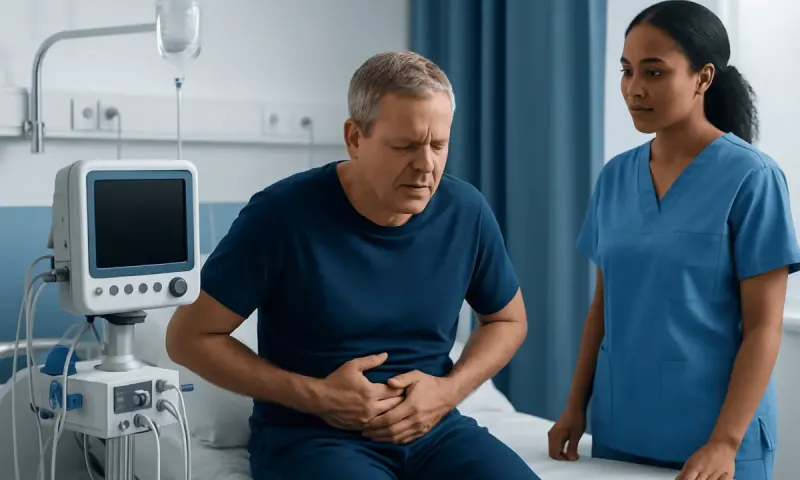
The most recognizable features are rectal bleeding and urgency—the sudden need to have a bowel movement that may be difficult to postpone. Some people pass small, frequent stools or mucus and blood even when little stool is present. This feeling of needing to empty the bowel despite having little to pass is called tenesmus.
Symptoms vary with the degree and cause of inflammation. Mild symptoms may come and go, while active inflammation can lead to frequent loose stools, lower abdominal cramping, rectal discomfort, fatigue or unintended weight loss. Fever, more significant pain or feeling generally unwell may suggest a more severe illness or infection and deserves prompt medical assessment.
- Bright red blood on stool, toilet paper or in the toilet bowl
- Diarrhea, loose stool or more frequent bowel movements
- Mucus discharge from the rectum
- Bowel urgency and tenesmus
- Cramping or pain in the lower abdomen
- Tiredness, especially if bleeding has caused iron deficiency or anemia
Symptoms alone cannot identify the cause. Hemorrhoids, anal fissures, infections, irritable bowel syndrome and colorectal conditions can overlap in some ways, which is why visible blood or a persistent change in bowel habit should not be self-diagnosed.
Causes and risk factors
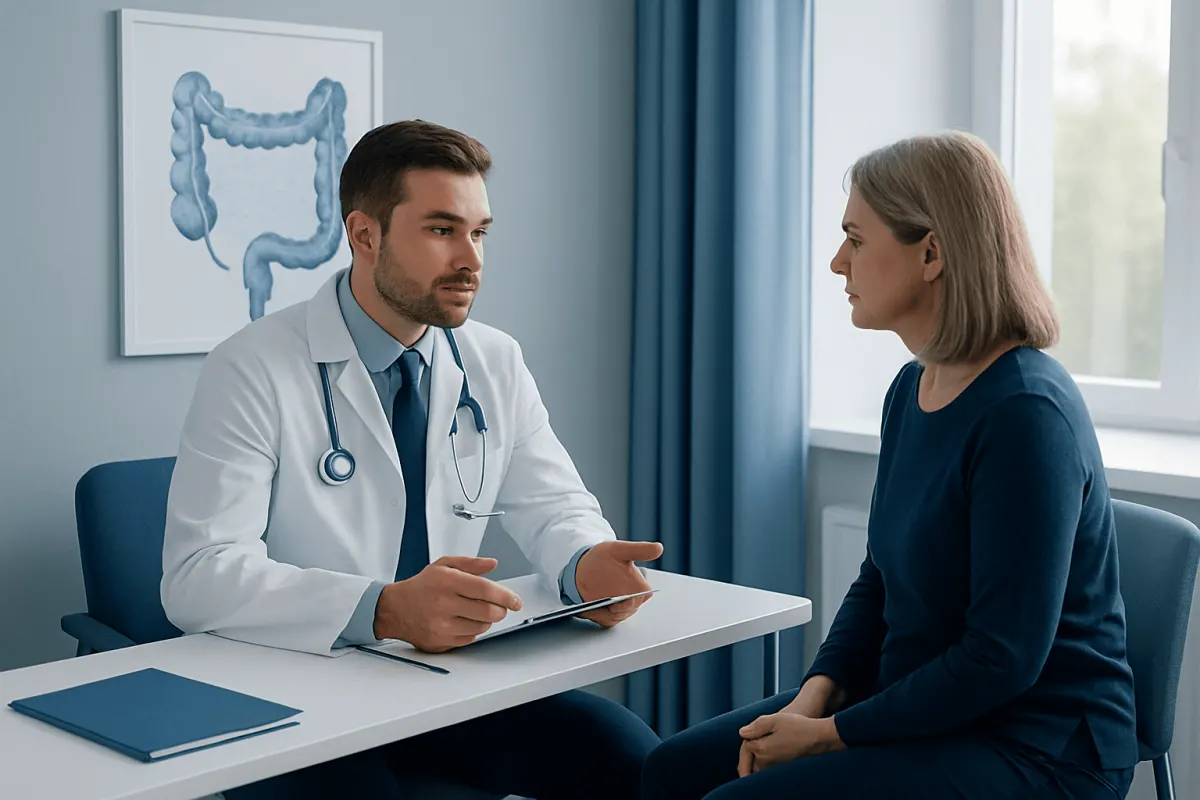
Ulcerative colitis is among the most common causes of proctosigmoiditis. In this immune-mediated condition, the immune system contributes to ongoing inflammation of the colon lining. The exact cause is not fully understood; inherited susceptibility, the immune system, the gut microbiome and environmental influences may all play a role. This distribution of ulcerative colitis can be described as ulcerative colitis affecting the rectum and sigmoid colon.
Infectious colitis may also inflame the lower colon. Bacteria, viruses, parasites and some sexually transmitted infections can be involved, particularly when symptoms begin suddenly. Recent travel, contaminated food or water, antibiotic use, close contact with someone who has diarrhea, or certain sexual exposures may guide testing. These details are important to share confidentially with the clinician because they help select the right tests and treatment.
Less common causes include ischemic colitis, in which blood flow to part of the bowel is reduced; radiation-related inflammation after pelvic radiotherapy; medication-associated inflammation; and inflammatory conditions affecting blood vessels or the immune system. Older age, cardiovascular disease, smoking, dehydration and medicines that affect blood flow can increase the likelihood of ischemic bowel problems, while no single lifestyle choice causes ulcerative colitis.
How doctors diagnose proctosigmoiditis
Assessment usually starts with a careful history. The clinician may ask when symptoms began, how often bowel movements occur, whether blood or mucus is present, recent illness or travel, medication use, family history of inflammatory bowel disease or colorectal cancer, and any symptoms outside the digestive tract, such as joint pain, eye inflammation or skin changes.
Blood tests can look for anemia, inflammation, dehydration and electrolyte changes. Stool testing may check for infection and measure markers of intestinal inflammation, such as fecal calprotectin. These tests are useful, but they do not replace direct examination of the bowel when it is needed.
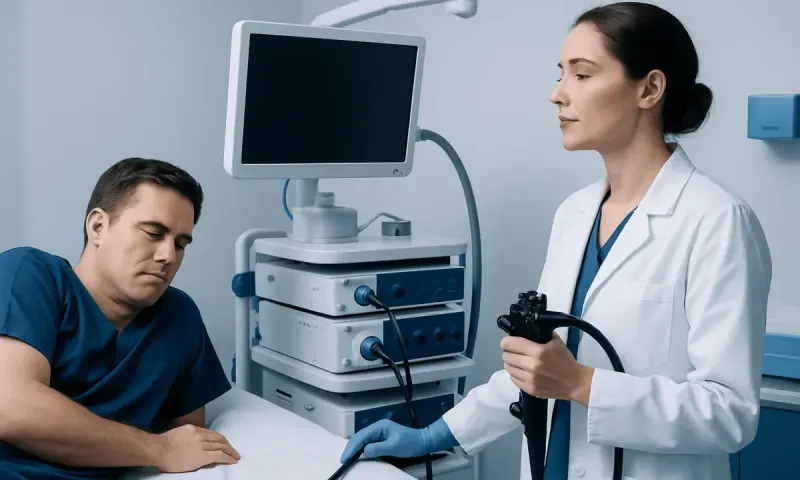
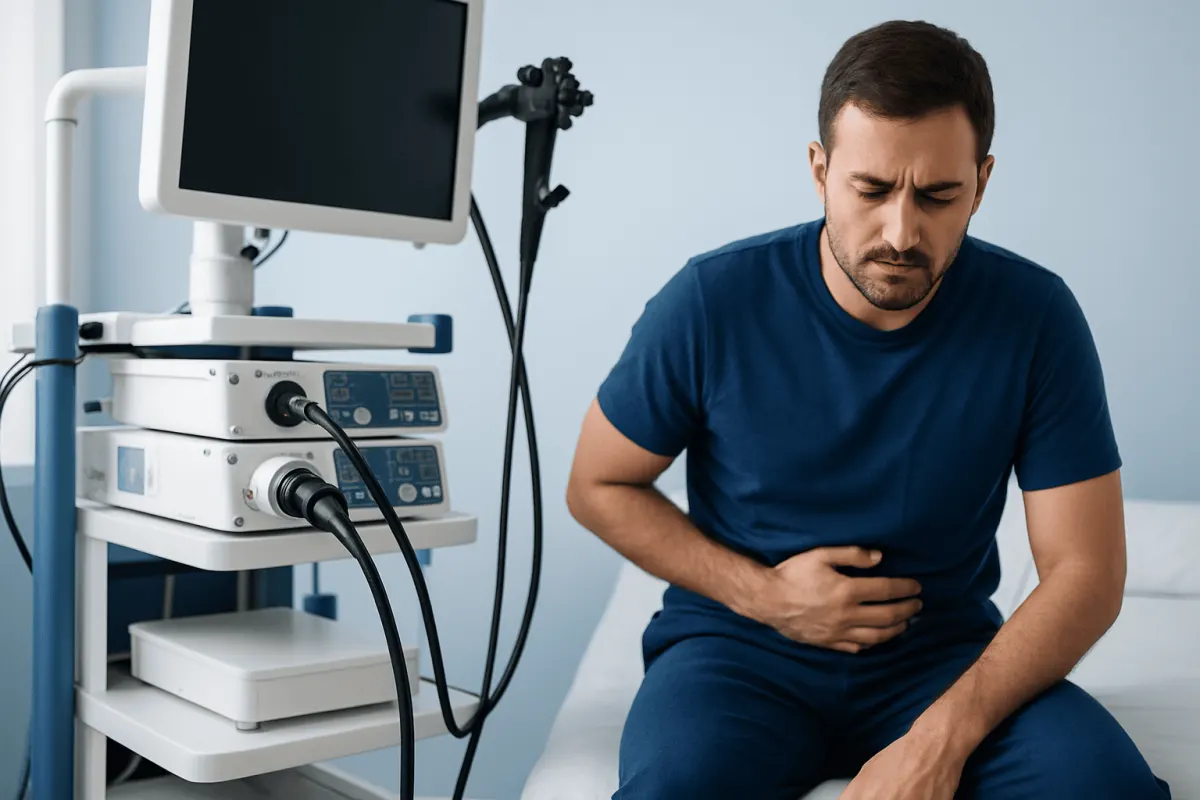
Flexible sigmoidoscopy or colonoscopy allows the doctor to view the lining of the rectum and colon, determine how far inflammation extends and take small tissue samples called biopsies. Biopsies can help distinguish inflammatory bowel disease from infection, ischemia and other causes. A full colonoscopy may be recommended to assess the rest of the colon, especially if symptoms, findings or personal risk factors make this appropriate.
It is helpful to bring a brief record of symptoms, bowel frequency, visible bleeding, foods that worsen discomfort and all medicines or supplements. This information can make the appointment more productive and support safer treatment decisions.
Treatment options and ongoing care
Treatment is individualized because it targets both symptoms and the reason inflammation developed. If testing identifies an infection, care may include specific antimicrobial treatment when appropriate, alongside fluids and symptom monitoring. Not every infectious diarrheal illness requires antibiotics, and using them unnecessarily can sometimes worsen certain infections or contribute to antibiotic resistance.
For ulcerative colitis-related proctosigmoiditis, anti-inflammatory medicines are commonly used to induce remission and help maintain it. Depending on the extent and activity of disease, these may be given directly into the rectum as a suppository or enema, by mouth, or as a combination. Corticosteroids may be used for a short time during more active flares, while immune-modifying medicines or advanced biologic or targeted therapies may be considered when inflammation is moderate to severe or does not respond adequately to initial treatment.
Follow-up is important even when symptoms improve. Inflammatory bowel disease can have periods of remission and flare, and regular review helps adjust medicines, monitor side effects, address nutrition and anemia, and plan appropriate colorectal cancer surveillance when disease extent and duration indicate it. People should not stop prescribed treatment simply because symptoms settle without discussing it with their clinician.
If procedures are needed for diagnosis or evaluation, a gastroenterology team may discuss options such as colonoscopy in clear, practical terms. Acıbadem Health Point’s multidisciplinary specialists and JCI-accredited hospitals provide diagnostic and treatment planning for international patients with bowel inflammation.
Daily habits that may support comfort
There is no universal diet that cures proctosigmoiditis. During a flare, some people find that smaller meals, adequate fluids and temporarily reducing foods that clearly worsen diarrhea, gas or cramping can improve comfort. Common personal triggers may include alcohol, caffeine, very fatty foods, spicy foods or high-fiber foods, but restrictions should be based on individual tolerance rather than assumed to be necessary for everyone.
Maintaining hydration is particularly important if diarrhea is frequent. A doctor may recommend blood tests or nutrition review if there is weight loss, poor appetite, fatigue or concern about iron, vitamin or mineral deficiencies. Keeping a food-and-symptom diary for a short period can help identify patterns without creating overly restrictive eating habits.
Stress does not cause inflammatory bowel disease, but it can make digestive symptoms harder to cope with. Sleep, gentle physical activity when tolerated, relaxation techniques and psychological support may be useful additions to medical care. Smoking cessation is beneficial for overall health and is especially important if there are cardiovascular risk factors, though any changes should be discussed with a healthcare professional.
Over-the-counter anti-diarrheal medicines, anti-inflammatory pain medicines and herbal products are not suitable for every cause of colitis. Before using them, patients should check with a clinician or pharmacist, particularly if there is fever, bloody diarrhea, significant abdominal pain, pregnancy or an existing inflammatory bowel disease diagnosis.
When to seek medical care
New rectal bleeding, blood mixed with stool, persistent diarrhea, recurring urgency or mucus from the rectum should be assessed by a doctor. Evaluation is especially important when symptoms last more than a few days, return repeatedly, interfere with normal activities or are accompanied by fatigue, weight loss or nighttime bowel movements.
Urgent medical care is appropriate for heavy or ongoing bleeding, black or maroon stool, severe or worsening abdominal pain, a swollen abdomen, high fever, fainting, confusion, inability to keep fluids down or signs of dehydration such as very little urine and marked dizziness. These symptoms may have causes other than proctosigmoiditis, but they should not be delayed.
People already diagnosed with ulcerative colitis should contact their treating team if symptoms flare, medicines cause troublesome side effects or there are signs of infection. Early review can often prevent symptoms from becoming more disruptive and helps ensure that treatment remains appropriate for the current pattern of disease.
Frequently asked questions
01Is proctosigmoiditis the same as ulcerative colitis?
Not always. Proctosigmoiditis describes where inflammation is located—in the rectum and sigmoid colon—whereas ulcerative colitis is one disease that can cause this pattern. Testing is needed to determine whether ulcerative colitis, infection or another cause is responsible.
02Can proctosigmoiditis cause rectal bleeding?
Yes. Inflamed bowel lining can become fragile and bleed, often producing bright red blood or blood mixed with mucus or stool. Because bleeding has several possible causes, it should be discussed with a healthcare professional.
03Does proctosigmoiditis go away?
Some cases, particularly those due to a short-lived infection or a reversible trigger, may resolve once the cause is treated. When it is related to ulcerative colitis, it is generally a long-term condition with periods of remission and flare. Treatment can often control inflammation and help people feel well for extended periods.
04What foods should be avoided with proctosigmoiditis?
There is no one diet that is right for everyone. During active symptoms, some people temporarily limit foods that personally worsen diarrhea or cramping, such as alcohol, caffeine or very fatty foods. A doctor or dietitian can help prevent unnecessary restrictions and support adequate nutrition.
05How is proctosigmoiditis diagnosed?
Diagnosis commonly involves medical history, examination, blood tests, stool tests and direct viewing of the bowel with flexible sigmoidoscopy or colonoscopy. Small biopsies may be taken during the procedure to clarify the cause and assess the type of inflammation.
06Can stress cause proctosigmoiditis?
Stress is not considered a direct cause of inflammatory bowel disease or infectious colitis. However, stress can affect bowel symptoms, sleep and quality of life, and may make a flare feel more difficult to manage. Stress-support strategies can be useful alongside medical treatment.
This article is for general information only and is not a substitute for professional medical advice. Please consult a qualified doctor about your individual situation.
Medical weight-loss options in Turkey — costs & eligibility
JCI-accredited · board-certified surgeons · reply within 24h
Add us as a Preferred Source to see more of our trusted health content across Google Search, AI Overviews and Discover.