Does Water Help With Bloating and Digestive Comfort?
Water can help some people with bloating, particularly when constipation, high salt intake, or temporary fluid retention contributes. Bloating is very common and usually harmless, but new, persistent, or painful symptoms should be assessed by a healthcare professional.
Does water help with bloating?
Water can help with bloating in some situations, especially when bloating is linked to constipation, a salty meal, or mild temporary fluid retention. Drinking fluids regularly supports normal digestion and stool movement, which may reduce the pressure and fullness caused by retained stool or gas.
However, water is not a universal or immediate cure. Drinking a very large amount at once may briefly increase the feeling of stomach fullness, and it will not address every cause of abdominal bloating. For most people, the most helpful approach is steady hydration across the day alongside attention to food habits, bowel patterns, and other symptoms.
Bloating is extremely common. It often comes and goes after meals or during hormonal changes and is not usually a sign of a serious problem. Still, persistent, worsening, or unexplained bloating deserves medical review so that a clinician can look for an underlying digestive, gynecological, urinary, or other health condition.
What bloating feels like and why it happens
Bloating describes a sensation of pressure, tightness, fullness, or swelling in the abdomen. The abdomen may look visibly distended, or it may simply feel uncomfortable. Some people also notice burping, passing gas, rumbling, cramps, or changes in bowel movements.
Gas is one common contributor. It can form when gut bacteria break down carbohydrates that were not fully absorbed in the small intestine. Swallowing air while eating quickly, chewing gum, smoking, drinking fizzy beverages, or talking while eating can also increase gas in the digestive tract.
Constipation is another frequent cause. When stool moves slowly through the colon, it can lead to abdominal fullness and make gas harder to pass. Water does not “flush” the body, but adequate fluid intake can help keep stools softer when combined with sufficient dietary fiber and regular movement.
Some people experience bloating around menstruation because hormonal shifts can affect fluid balance and bowel function. It may also occur after dietary changes, travel, reduced activity, stress, or taking certain medicines. The pattern, duration, and associated symptoms often provide useful clues about the cause.
How hydration may affect bloating

Hydration helps the digestive system work normally. The large intestine absorbs water from waste as stool forms; when there is not enough fluid available, stools may become hard and difficult to pass. In people with constipation, increasing fluid intake may therefore support more comfortable bowel movements and lessen related bloating.
Water may also be useful after a high-sodium meal. Sodium can contribute to short-term fluid retention, which some people perceive as puffiness or abdominal swelling. Returning to normal meals and drinking fluids regularly can help the body regulate fluid balance over time. There is no need to force excessive amounts of water.
Plain water is generally a good choice because carbonated drinks can add gas and may worsen symptoms in sensitive people. Some individuals find warm drinks soothing, but evidence does not show that a particular water temperature treats bloating. The most appropriate amount of fluid varies with age, body size, climate, activity level, pregnancy, breastfeeding, and medical conditions.
People with heart failure, advanced kidney disease, liver disease, or another condition requiring fluid restriction should follow the individualized advice of their healthcare team rather than deliberately increasing water intake. A doctor or dietitian can advise on safe hydration goals in these circumstances.
Common triggers and conditions linked with bloating
Food-related bloating can occur after large meals or foods that are more difficult for a person to digest. Common triggers include beans, lentils, onions, garlic, some fruits, wheat-based foods, dairy products in people with lactose intolerance, and sugar alcohols found in some sugar-free products. A food is not automatically harmful because it causes gas; tolerance differs widely between individuals.
Functional digestive disorders are also common. In irritable bowel syndrome, bloating may occur with abdominal pain and changes in stool frequency or consistency. Symptoms can be influenced by particular foods, stress, sleep, and the gut-brain connection. A clinician can help distinguish this from other causes and guide treatment.
Other possibilities include reflux, celiac disease, inflammatory bowel disease, small intestinal bacterial overgrowth, and delayed stomach emptying. Bloating can also arise from pelvic conditions, including ovarian cysts or endometriosis, particularly when it is associated with pelvic pain or menstrual symptoms. Less commonly, persistent abdominal enlargement may reflect a more serious condition.
A brief symptom and food diary can be useful. Recording when bloating occurs, foods and drinks consumed, bowel habits, menstrual timing where relevant, medicines, and accompanying symptoms may help identify patterns without unnecessarily restricting the diet.
Practical steps for occasional bloating
For mild, occasional bloating, regular meals and steady fluid intake are often more helpful than drastic changes. Eating slowly, chewing thoroughly, and avoiding rushing meals can reduce swallowed air. Smaller portions may feel more comfortable than one very large meal, particularly if symptoms occur after eating.
Gentle activity, such as walking after a meal, may support bowel movement and gas passage. If constipation is present, gradually increasing fiber from vegetables, fruit, legumes, whole grains, nuts, and seeds may help, provided fluid intake is adequate. Increasing fiber too quickly can temporarily increase gas, so gradual changes are usually better tolerated.
It may be worth limiting fizzy drinks and noticing whether gum, hard candies, sugar-free sweeteners, or certain foods repeatedly trigger symptoms. Broad, long-term elimination diets should not be started without professional guidance, as they can be unnecessarily restrictive. A dietitian can help assess suspected food intolerance safely.
Over-the-counter products may be appropriate for some people, but their usefulness depends on the cause of symptoms and individual health factors. A pharmacist or doctor can advise, particularly for recurring symptoms, pregnancy, chronic illness, or regular medication use. Some people with persistent constipation may benefit from a colonoscopy only when a clinician identifies a reason for bowel investigation; it is not routinely needed for simple occasional bloating.
When to seek medical care
Medical care is important if bloating is new and persistent, keeps returning despite simple measures, is getting worse, or has no clear explanation. A doctor should also assess bloating that affects appetite, daily activities, sleep, or quality of life. Ongoing symptoms do not necessarily mean a serious illness, but finding the cause can lead to more effective relief.
Prompt medical assessment is needed for bloating with severe or sudden abdominal pain, repeated vomiting, fever, a rigid or markedly swollen abdomen, inability to pass stool or gas, blood in the stool, black stools, fainting, or yellowing of the skin or eyes. Unintentional weight loss, persistent loss of appetite, anemia, difficulty swallowing, or a new change in bowel habit also warrant medical review.
People should seek timely advice for persistent bloating with pelvic pain, abnormal vaginal bleeding, urinary frequency, or feeling full unusually quickly, especially after menopause. These symptoms have many possible causes, but they should not be self-treated indefinitely.
At Acıbadem Health Point, multidisciplinary specialists at JCI-accredited hospitals can assess digestive and related symptoms for international patients. Evaluation is tailored to the person’s symptoms, medical history, and examination findings.
How doctors investigate persistent bloating
A clinician will usually begin by asking about the timing of symptoms, diet, bowel habits, menstrual and reproductive history where relevant, recent travel, stress, weight changes, and medicines or supplements. They will also ask about alarm symptoms and family history of digestive disease. A physical examination may include gently examining the abdomen and, when appropriate, a pelvic or rectal examination.
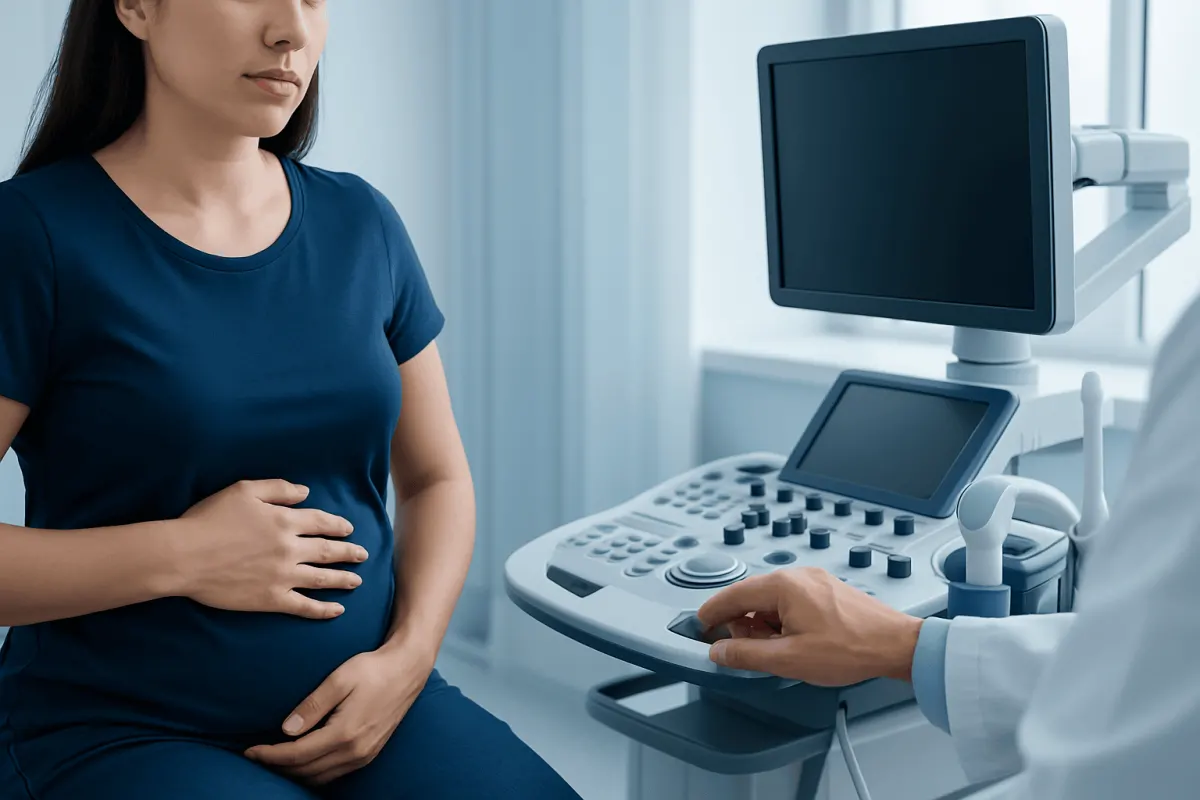
Testing is not always necessary for mild, typical symptoms. If bloating is persistent or accompanied by concerning features, the doctor may recommend blood tests, stool testing, pregnancy testing where appropriate, or tests for food-related conditions such as celiac disease. Imaging such as an ultrasound or CT scan may be used when symptoms or examination findings suggest a structural cause.
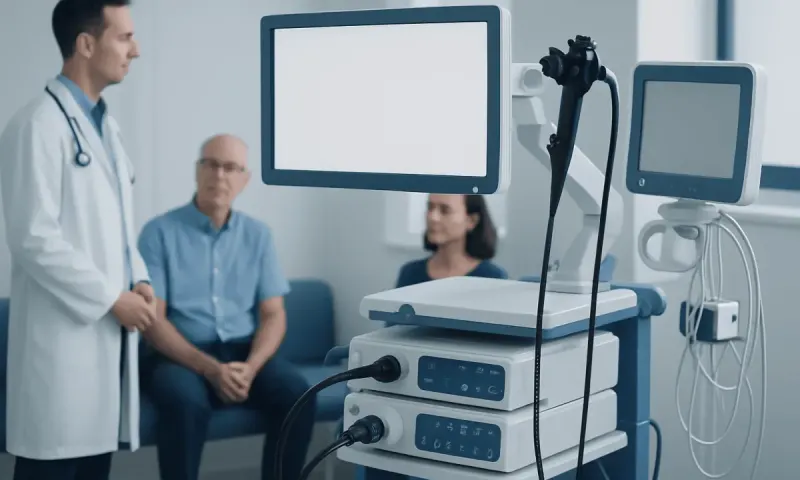
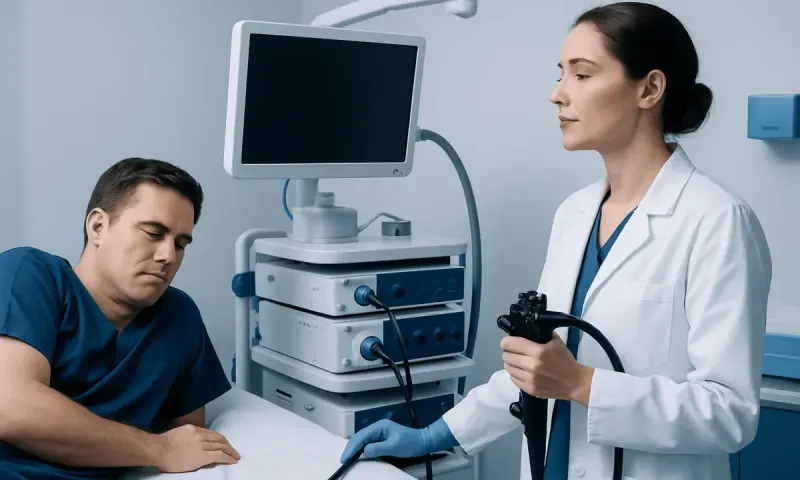
Depending on the clinical picture, further evaluation may include breath testing for certain carbohydrate intolerances or bacterial overgrowth, upper endoscopy, or a gastroscopy to examine the upper digestive tract. These tests are selected carefully; they are not required for everyone with bloating.
Once a cause is identified, treatment may involve dietary adjustments, constipation management, medication changes, targeted treatment for a digestive condition, or referral to a gastroenterologist, gynecologist, or dietitian. The goal is to relieve symptoms while addressing the underlying reason rather than relying on one remedy alone.
Frequently asked questions
01Can drinking more water make bloating worse?
Drinking a large volume quickly can temporarily make the stomach feel full or stretched. In general, drinking fluids steadily through the day is less likely to cause discomfort and may help if constipation contributes to bloating. Carbonated water may worsen gas-related bloating in some people.
02How quickly can water help constipation-related bloating?
The effect varies because bowel movements depend on hydration, fiber intake, activity, medicines, and individual bowel function. Regular fluid intake can support softer stools over time, but it is not usually an immediate solution. Persistent constipation should be discussed with a healthcare professional.
03What should someone drink when they feel bloated?
Plain still water is often a sensible choice. Non-carbonated drinks may be better tolerated than fizzy beverages, which can increase gas. People with a prescribed fluid limit should follow their clinician’s advice.
04Why am I bloated even though I drink plenty of water?
Hydration addresses only some possible contributors, such as constipation or temporary fluid retention. Bloating can also result from diet, swallowed air, food intolerance, hormonal changes, irritable bowel syndrome, and other medical conditions. A doctor can help if the symptom is frequent, persistent, or disruptive.
05Is bloating after eating normal?
Mild, short-lived fullness after a meal is common, especially after a large meal or foods that produce more gas. Repeated bloating after particular foods may be worth tracking in a diary. Seek advice if it is painful, persistent, associated with weight loss or bowel changes, or otherwise concerning.
06When is abdominal bloating an emergency?
Urgent assessment is needed if bloating occurs with severe or sudden pain, persistent vomiting, fever, a very swollen or hard abdomen, inability to pass stool or gas, fainting, or gastrointestinal bleeding. These symptoms can indicate a condition that needs prompt treatment. If there is uncertainty, medical advice should be sought without delay.
This article is for general information only and is not a substitute for professional medical advice. Please consult a qualified doctor about your individual situation.
Persistent digestive symptoms? Get evaluated in Turkey
JCI-accredited · board-certified surgeons · reply within 24h
Add us as a Preferred Source to see more of our trusted health content across Google Search, AI Overviews and Discover.