Private Surgery: Candidacy, Recovery and Care Steps
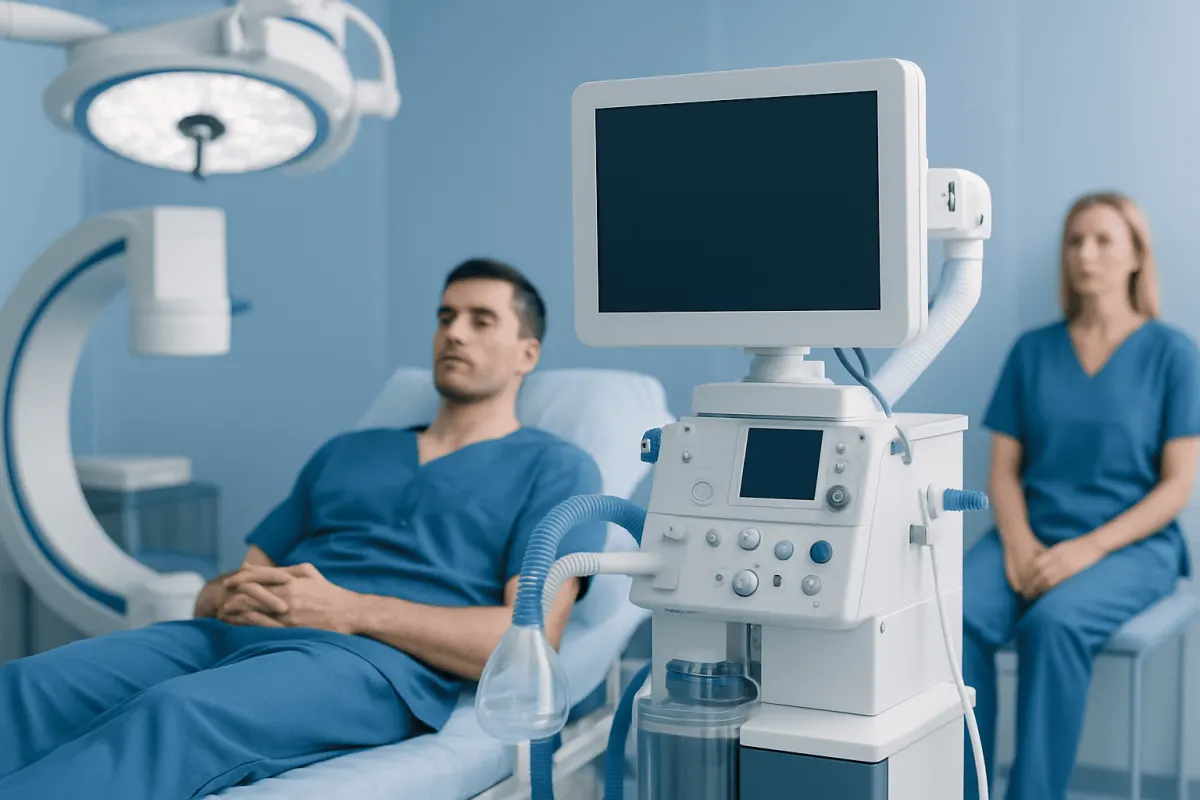
Private surgery is planned surgical care delivered through a private hospital or clinic, with an assessment, procedure, monitored recovery and follow-up tailored to the operation and the person’s health. Whether someone is a candidate and how quickly they recover depend on the condition being treated, the type of operation, anaesthesia, and individual medical factors.
How private surgery works
Private surgery refers to an operation arranged and delivered through a private hospital or clinic rather than a public healthcare pathway. It may be considered for many medical needs, including planned orthopaedic, digestive, urological, gynaecological, cancer-related or cosmetic procedures. The right setting is one where the procedure is clinically appropriate, the surgical team is properly qualified, and the hospital has the facilities needed for safe anaesthesia, monitoring and follow-up.
The process normally begins with a consultation. The surgeon reviews the person’s symptoms, diagnosis, medical history, medicines, allergies and treatment goals. They explain whether surgery is likely to help, discuss reasonable alternatives such as observation, medication or rehabilitation, and describe the expected benefits and limitations. A person should have time to ask questions before deciding whether to proceed.
Private care does not remove the need for careful medical planning. Good surgical care includes communication between the surgeon, anaesthetist, nurses and other specialists where needed. For complex cases, the team may involve physicians, radiologists, physiotherapists, dietitians or pain specialists to help prepare for surgery and support recovery.
Who may be a candidate for private surgery?
Candidacy depends primarily on the medical reason for surgery. An operation may be recommended when a condition is causing significant symptoms, affecting daily function, creating a risk of future complications, or not responding adequately to non-surgical treatment. In some cases, surgery is diagnostic, meaning it helps confirm or clarify a condition; in others, it is intended to repair, remove, reconstruct or relieve a problem.
A surgeon also considers whether the expected benefits outweigh the risks. Important factors include age, general fitness, heart and lung health, diabetes control, kidney function, nutrition, smoking status, previous operations, blood-thinning medicines and the ability to participate in recovery. Having a long-term health condition does not automatically exclude someone from surgery, but it may mean extra assessment or optimisation is needed first.
Pre-operative testing is chosen according to the planned procedure and medical history. It can include blood tests, imaging, an electrocardiogram or specialist review. Patients should disclose all prescription medicines, over-the-counter products, herbal supplements and recreational substance use, since some can affect bleeding, anaesthesia or healing. The team will provide individual instructions about eating, drinking and medicines before the operation.
For people considering planned care abroad, it is especially important to discuss travel fitness, language needs, medical records, length of stay and arrangements for follow-up after returning home. A safe plan should allow enough time near the treating hospital before travel is considered.
Private surgery step by step

Before the operation, the patient checks in, changes into a hospital gown and meets members of the care team. Identity, the procedure and the surgical site are confirmed using safety checks. The anaesthetist discusses the anaesthetic plan, which may involve local anaesthetic, sedation, regional anaesthesia or general anaesthesia, depending on the operation and the patient’s health.
In the operating room, staff use sterile techniques and continuously monitor vital signs. The surgeon performs the planned procedure, which may be open surgery, minimally invasive surgery using small incisions, or an endoscopic or image-guided technique. The length of surgery varies considerably and does not, by itself, indicate how difficult recovery will be.
After surgery, the patient is moved to a recovery area where nurses monitor breathing, blood pressure, comfort, nausea and alertness as the anaesthetic wears off. Some people go home the same day; others need one or more nights in hospital. The decision is based on the procedure, pain control, mobility, eating and drinking, the availability of support at home, and any individual medical needs.
Before discharge, the team provides written instructions on wound care, medicines, activity, bathing, diet, warning signs and follow-up. When appropriate, patients can discuss surgical treatment options and what their own recovery plan is likely to involve during consultation.
Recovery timeline after surgery
There is no single private surgery recovery timeline. During the first 24 to 72 hours, tiredness, soreness, swelling, mild bruising and changes in appetite are common after many operations. Anaesthesia can temporarily affect concentration, balance and bowel function, so patients should follow advice about driving, alcohol, important decisions and having a responsible adult available after day surgery.
Over the first one to two weeks, the focus is usually on protecting the wound, taking prescribed medicines as directed, gradually increasing gentle activity and attending follow-up. Walking, when approved by the surgical team, can support circulation and reduce the risk of complications from prolonged immobility. However, lifting, sports, strenuous work and driving should resume only when the surgeon says it is safe.
Many minor procedures allow a return to light routine activities within days, while abdominal, joint, spine, chest or major reconstructive surgery may require several weeks or months of recovery. Internal healing often continues after the skin incision looks better. Rehabilitation may be an important part of recovery after operations involving bones, joints, nerves or muscles.
Patients should avoid comparing their progress too closely with another person’s. Healing is influenced by the operation, age, underlying health, nutrition, sleep, complications and adherence to aftercare advice. A follow-up visit gives the team an opportunity to check healing and adjust the recovery plan.
Benefits, risks and the five P's of post-operative care
Potential benefits of surgery depend on the condition being treated. An operation may relieve pain, improve movement or organ function, remove diseased tissue, reduce future health risks or improve quality of life. No procedure can guarantee a particular result, and a surgeon should clearly explain what surgery can and cannot reasonably achieve.
All surgery carries some risk. These may include bleeding, infection, blood clots, reaction to anaesthesia, delayed wound healing, scarring, pain, nerve injury or the need for further treatment. The likelihood and seriousness of these risks vary by operation and by the patient’s health. Steps such as hand hygiene, early movement, breathing exercises when advised and taking medicines correctly can help reduce certain risks.
The “five P’s” of post-op care are commonly used as a practical nursing framework: pain, perfusion, pulses, pallor and paresthesia. Pain means checking that discomfort is controlled and that a sudden increase is assessed. Perfusion and pulses refer to blood flow, especially in an operated limb; pallor means unusual paleness or colour change; and paresthesia means tingling, numbness or altered sensation. These checks can be particularly important after limb, vascular, orthopaedic or reconstructive surgery.
Patients should report symptoms rather than trying to interpret them alone. New severe pain, a cold or pale limb, worsening numbness, or a tight swelling beneath a cast or dressing needs urgent clinical advice. The surgical team will explain which symptoms are expected for the specific operation.
What are the top 5 hardest surgeries to recover from?
There is no universal ranking of the “hardest” surgeries to recover from because recovery depends on the person, the surgical approach, complications and the support available. However, operations that affect several body systems, require major reconstruction or involve extensive rehabilitation are often considered more demanding.
Examples commonly associated with longer or more complex recovery include open-heart surgery, major abdominal surgery such as pancreatic or bowel operations, joint replacement or complex fracture repair, spinal fusion, and major cancer surgery involving reconstruction. Organ transplantation and some brain surgeries can also involve intensive recovery, although each person’s experience is different.
A difficult recovery does not mean an operation was unsuccessful. The care team plans pain management, mobilisation, nutrition, wound care and rehabilitation around the procedure. Patients considering a major operation should ask about likely hospital stay, support needs, time away from usual activities and the signs that require urgent review.
What's the worst day of recovery after surgery?
For many people, discomfort is most noticeable during the first few days after surgery, often when local anaesthetic effects have worn off and movement begins to increase. After some procedures, swelling or bruising may peak around two to three days later. However, there is no single “worst day,” and pain should be manageable with the plan provided by the surgical team.
Pain that steadily improves is generally more reassuring than pain that suddenly becomes severe or continues to worsen. Nausea, constipation, fatigue and sleep disruption can also make the first week feel challenging. Following the discharge instructions, resting appropriately, drinking fluids if permitted, eating suitable foods and moving gently as advised can support recovery.
Patients should not wait for a routine appointment if they develop severe or increasing pain, chest pain, shortness of breath, confusion, fainting, heavy bleeding or other concerning symptoms. Prompt contact with the surgical team can help determine whether the symptoms are expected or need assessment.
Do they remove your gown during surgery?
Hospital staff may move, open or remove parts of a gown as necessary to safely access the surgical area, place monitoring equipment or position the patient. This is done only for clinical reasons. The team uses drapes and coverings to keep areas not involved in the operation covered whenever possible.
Maintaining dignity and privacy is an important part of surgical care. Only essential staff should be present, and patients can raise any concerns about modesty, cultural preferences or prior experiences before the procedure. For surgeries under general anaesthesia, the patient is unconscious and continuously cared for by trained operating-room staff.
Before surgery, it can be helpful to ask what clothing, jewellery, contact lenses, dentures or other personal items need to be removed. The team will explain the local policy and help keep belongings secure.
When to seek medical care
Patients should follow the specific contact instructions given at discharge. They should contact the surgeon or hospital promptly if they develop a fever, increasing redness or warmth around the wound, pus-like drainage, wound opening, uncontrolled nausea or vomiting, worsening swelling, or pain that is not controlled by the agreed plan.
Emergency medical care is needed for symptoms such as chest pain, trouble breathing, coughing blood, fainting, sudden confusion, heavy bleeding, a new one-sided swollen or painful leg, or signs of a serious allergic reaction. These symptoms may have causes unrelated to surgery, but they require urgent assessment.
At Acıbadem Health Point, multidisciplinary specialists and JCI-accredited hospitals support international patients through assessment, surgery and follow-up planning. A patient considering an operation should seek advice from a qualified surgeon who can assess their individual diagnosis, health needs and recovery expectations.
Frequently asked questions
01Is private surgery safe?
Private surgery can be safe when it is performed in an appropriately regulated hospital or clinic by qualified professionals, with suitable anaesthesia, infection-control procedures and post-operative support. Safety also depends on the person’s health, the type of procedure and careful pre-operative assessment. Patients should ask about the facility, the surgeon’s credentials and the follow-up plan.
02How long should someone stay near the hospital after private surgery?
The appropriate length of stay depends on the operation, anaesthetic, risk of complications and the person’s travel plans. Some minor day procedures may need only a short period of local recovery, while major surgery may require a longer hospital stay and additional time nearby. The surgical team should provide individual travel guidance.
03Can someone eat before private surgery?
Fasting instructions vary according to the anaesthetic and procedure. Patients are often asked to stop eating and sometimes drinking for a specified period before surgery to reduce anaesthetic risks. They should follow the instructions from their anaesthetist or surgical team exactly and ask if they are unsure.
04How can patients prepare for a smoother surgical recovery?
Preparation may include stopping smoking, improving nutrition, arranging help at home, preparing transport, reviewing medicines and attending pre-operative appointments. Gentle activity before surgery may be helpful for some people, but advice should be individual. It is also useful to understand wound care, expected restrictions and emergency contact details before discharge.
05When can someone drive after surgery?
Driving should wait until the patient can safely control the vehicle, perform an emergency stop, move comfortably and is no longer affected by sedating medicines. The timing differs widely between procedures and may also be affected by insurance requirements. The surgeon or treating team should confirm when driving is appropriate.
06Are swelling and bruising normal after surgery?
Mild to moderate swelling and bruising can be expected after many operations and often improve gradually over days to weeks. The amount varies by procedure and individual healing. Rapidly increasing swelling, severe pain, colour changes, wound drainage or symptoms in a limb should be reported promptly to the surgical team.
This article is for general information only and is not a substitute for professional medical advice. Please consult a qualified doctor about your individual situation.
Oncology care in Turkey — second opinion and treatment plan
JCI-accredited · board-certified surgeons · reply within 24h
Add us as a Preferred Source to see more of our trusted health content across Google Search, AI Overviews and Discover.