Primary Hypertension Often Has No Symptoms but Is Manageable

Primary hypertension is persistent high blood pressure that develops over time without one single clear cause. It is common, often has no symptoms, and can usually be managed effectively with regular monitoring, healthy habits, and medication when needed.
Overview
Primary hypertension is the medical term for high blood pressure that develops gradually and does not have one single identifiable cause. It is also called essential hypertension. In most cases, it reflects a combination of genetics, aging, lifestyle factors, and changes in the blood vessels over time.
Blood pressure is the force of blood pushing against artery walls. When it stays too high for a long period, the heart and blood vessels work harder than they should. Over many years, this added strain can increase the risk of heart attack, stroke, heart failure, kidney disease, and vision problems.
Primary hypertension deserves attention because it often causes no symptoms at all. Many people feel well and only learn they have high blood pressure during a routine checkup or while being assessed for another health issue. This is why regular screening is so important, especially in adulthood.
Although primary hypertension is a long-term condition, it is manageable. A treatment plan usually combines healthy daily habits, regular follow-up, and medication when necessary. For many patients, early diagnosis and steady treatment can significantly lower future health risks.
Symptoms and possible complications
Most people with primary hypertension do not notice symptoms, even when blood pressure is clearly elevated. This is why it is sometimes called a silent condition. A person may live with high blood pressure for years before it is detected.
When symptoms do occur, they are often nonspecific and may not be caused by hypertension alone. Some people report headaches, dizziness, blurred vision, palpitations, or a feeling of pressure in the head. But these symptoms have many possible causes. Blood pressure has to be measured, not guessed from how you feel.
If high blood pressure remains uncontrolled over time, it can damage several organs. Important complications may affect the heart, brain, kidneys, eyes, and blood vessels. The risk becomes higher when hypertension occurs together with diabetes, smoking, high cholesterol, obesity, or chronic kidney disease.
- Heart disease, including coronary artery disease and heart failure
- Stroke and transient ischemic attack
- Kidney damage or worsening kidney function
- Eye damage affecting vision
- Deep Vein Thrombosis: How to Tell the Difference" class="ahp-ilk">Peripheral artery disease and other vascular problems
Causes and risk factors

Unlike secondary hypertension, which results from a specific condition or medication, primary hypertension does not come from one clear cause. Instead, it develops through a complex mix of inherited tendency and environmental influences. Over time, the arteries may become less flexible, and the body’s systems that regulate salt, fluid balance, and blood vessel tone may shift in ways that raise pressure.
Age is one of the strongest risk factors, because blood vessels naturally change over time. Family history also matters. A person with close relatives who have high blood pressure may be more likely to develop it, especially when combined with certain lifestyle habits.
Several everyday factors can contribute to primary hypertension or make it harder to control. These include a diet high in salt, low physical activity, excess body weight, regular alcohol overuse, chronic stress, poor sleep, and tobacco use. Obstructive sleep apnea may also contribute to higher blood pressure in some people.
Doctors also consider conditions that increase overall cardiovascular risk, such as diabetes, chronic kidney disease, and abnormal cholesterol levels. In some patients, further assessment may be needed to distinguish primary hypertension from other causes of hypertension or from related heart and vessel concerns.
How primary hypertension is diagnosed
A diagnosis of primary hypertension is not usually made from a single high reading. Blood pressure can rise temporarily because of pain, stress, caffeine, exercise, or anxiety during a medical visit. For this reason, clinicians rely on repeated measurements taken correctly over time.
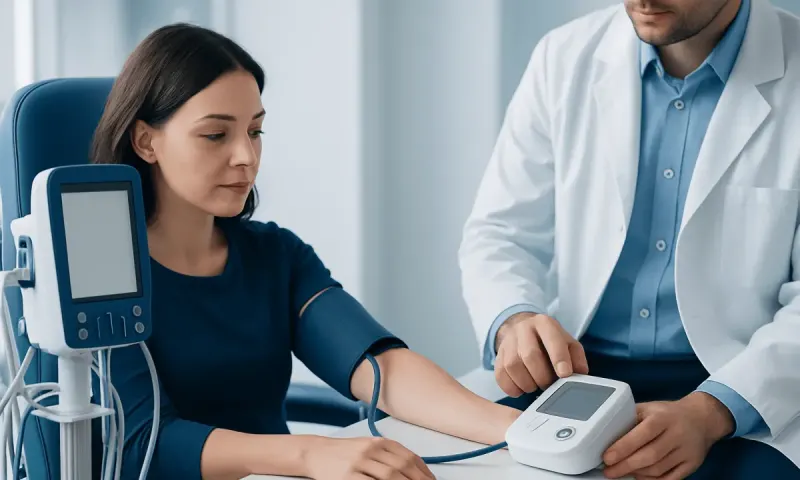
Blood pressure is measured using an inflatable cuff placed around the upper arm. The reading includes two numbers: systolic pressure, which reflects pressure when the heart beats, and diastolic pressure, which reflects pressure between beats. A clinician interprets these values in context, considering age, symptoms, medical history, and any other health conditions.
Home blood pressure monitoring or ambulatory blood pressure monitoring may be recommended. These tools can help identify white coat hypertension, where readings are higher in a clinical setting, or masked hypertension, where office readings appear normal but average blood pressure is elevated in daily life.
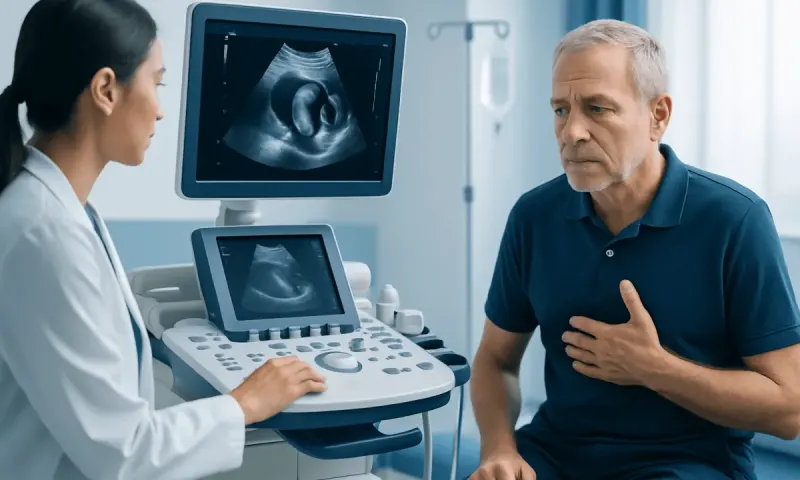
Evaluation often includes a physical examination and basic tests to check for organ effects and to look for signs of secondary causes when appropriate. These may include blood tests, urine tests, an electrocardiogram, and sometimes imaging or heart assessment. In selected cases, doctors may use studies such as electrocardiogram testing or echocardiography to assess how the heart is coping with long-term pressure load.
Treatment options and blood pressure control
The main goals of treatment are to lower blood pressure safely and reduce the risk of heart, brain, kidney, and vascular complications. A care plan is individualized, based on the blood pressure level, age, other medical conditions, overall cardiovascular risk, and whether there is already organ damage.
Lifestyle measures are the foundation of treatment for everyone with primary hypertension. Many patients are advised to reduce dietary salt, follow a balanced eating pattern rich in vegetables and fruits, stay physically active, maintain a healthy weight, limit alcohol, stop smoking, and improve sleep habits. Even modest, consistent changes can support better blood pressure control.
Medication may be recommended if blood pressure remains elevated despite lifestyle measures, if readings are significantly high, or if the patient has additional cardiovascular risk factors. Several medicine classes are commonly used, and the choice depends on the person’s medical profile. Some people do well on one medicine, while others need a combination to reach target levels.
Treatment also works best when you stick with it and come back for follow-up. Patients benefit from taking medicines exactly as prescribed, checking blood pressure as advised, and reporting side effects rather than stopping treatment on their own. If there are concerns about complications or associated conditions such as heart failure, specialist assessment may be appropriate.
Prevention and self-care
Primary hypertension cannot always be fully prevented, especially when family history and age play a role. Still, many people can delay its onset or reduce its impact through steady self-care. You do not have to be perfect about it. What counts is building habits that protect your heart and blood vessels over time.
Healthy eating is especially important. Many patients are encouraged to limit processed foods, restaurant meals, and salty packaged snacks, since these can contribute large amounts of sodium. Choosing more whole grains, lean proteins, legumes, vegetables, fruits, and unsaturated fats supports both blood pressure and overall heart health.
Regular physical activity can help the heart pump more efficiently and may improve blood pressure control, mood, sleep, and weight management. It is also helpful to manage stress, get enough sleep, and avoid tobacco in all forms. If home readings are part of the plan, patients should use a validated monitor and keep a log to share with their doctor.
For people seeking expert evaluation, Acıbadem Health Point’s multidisciplinary specialists and JCI-accredited hospitals diagnose and treat hypertension-related conditions for international patients, including advanced cardiovascular assessment when needed.
When to seek medical care
See a doctor if repeated readings are higher than normal, even when you feel perfectly well. Routine assessment is especially important for adults with a family history of hypertension, obesity, diabetes, kidney disease, or other cardiovascular risk factors. Early review can help confirm the diagnosis and guide treatment before complications develop.
Call your doctor too if your medication is causing troublesome side effects, if home readings stay high despite taking it, or if your blood pressure becomes harder to control than before. Changes in treatment may be needed, and clinicians may look for secondary causes or organ effects.
Urgent medical attention is needed if very high blood pressure occurs together with warning symptoms such as chest pain, severe shortness of breath, weakness on one side, trouble speaking, severe confusion, or sudden vision loss. These symptoms may signal a hypertensive emergency or another serious cardiovascular event and should not be ignored.
If blood pressure issues appear alongside symptoms suggestive of blocked arteries or circulation problems, doctors may also investigate broader heart and vessel health, sometimes including cardiology evaluation or assessment for coronary artery disease when clinically appropriate.
Frequently asked questions
01What is the difference between primary hypertension and secondary hypertension?
Primary hypertension develops over time without one single identifiable cause. Secondary hypertension is high blood pressure caused by another medical problem, such as kidney disease, a hormone disorder, or certain medications. Distinguishing between them helps guide treatment.
02Can primary hypertension be cured?
Primary hypertension is usually a long-term condition rather than something that is permanently cured. However, it can often be controlled very effectively with healthy habits, regular monitoring, and medication when needed. Some people may need less treatment over time if lifestyle changes lead to sustained improvement.
03Does primary hypertension always cause symptoms?
No. Most people with primary hypertension have no symptoms at all. That is why regular blood pressure checks are important, even for people who feel well.
04How is blood pressure checked accurately at home?
A validated upper-arm blood pressure monitor is generally preferred. The person should sit quietly for several minutes, keep the arm supported at heart level, and avoid caffeine, smoking, or exercise just beforehand. Readings are most useful when taken consistently and shared with a doctor.
05What foods help with primary hypertension?
A heart-healthy eating pattern that emphasizes vegetables, fruits, whole grains, legumes, lean proteins, and lower-sodium choices is often recommended. Reducing heavily processed and salty foods can make a meaningful difference. A doctor or dietitian can provide more personalized advice.
06When does someone with primary hypertension need medication?
Medication may be advised when blood pressure stays above target despite lifestyle changes, when readings are significantly elevated, or when there are added risks such as diabetes, kidney disease, or existing cardiovascular disease. The decision depends on the overall clinical picture. A clinician chooses the most suitable medicine based on individual needs.
This article is for general information only and is not a substitute for professional medical advice. Please consult a qualified doctor about your individual situation.
Heart care in Turkey — expert evaluation and treatment
JCI-accredited · board-certified surgeons · reply within 24h
Add us as a Preferred Source to see more of our trusted health content across Google Search, AI Overviews and Discover.