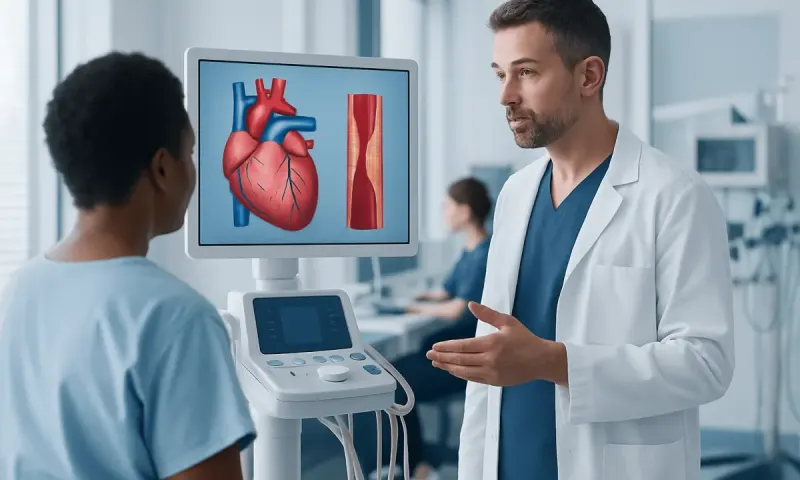
Hypertension Treatment: Early Signs, Risk Factors, and How It Is Treated
You feel fine. You have no headaches, no dizziness, nothing at all — and then a routine check shows your blood pressure is high. That is how hypertension usually announces itself: quietly, or not at all.
Treatment usually means sustainable lifestyle measures and, for many people, prescribed medicines that lower blood pressure and protect the heart, brain and kidneys. Because high blood pressure so often causes no noticeable symptoms, regular measurement and follow-up are central to effective care.
Hypertension Treatment: What It Involves
Hypertension treatment is designed to lower blood pressure safely and maintain it within an individualized target range. It usually starts with an accurate diagnosis, an assessment of overall cardiovascular risk, and practical lifestyle changes. If blood pressure remains above the recommended range or a person has a higher risk of complications, a clinician may also prescribe one or more medicines.
High blood pressure means the force of blood against artery walls is consistently too high. Over time, this can strain blood vessels and organs, including the heart, brain, kidneys and eyes. Effective treatment is not based on a single reading: clinicians consider repeated measurements, home readings when appropriate, medical history, other health conditions and current medicines.
For most people this is a long-term condition, and it can be managed well. The point is not just a better number on the monitor; it is fewer preventable complications and a life you can get on with. Your plan will be reviewed over time, because blood pressure, health needs and how well you tolerate treatment can all change.
Early Signs and Why Blood Pressure Checks Matter
Hypertension is often called a silent condition because most people do not feel it. Some individuals with very high blood pressure may report headaches, dizziness, blurred vision, shortness of breath, chest discomfort or nosebleeds, but these symptoms are not reliable ways to detect hypertension. Their absence does not mean blood pressure is healthy.
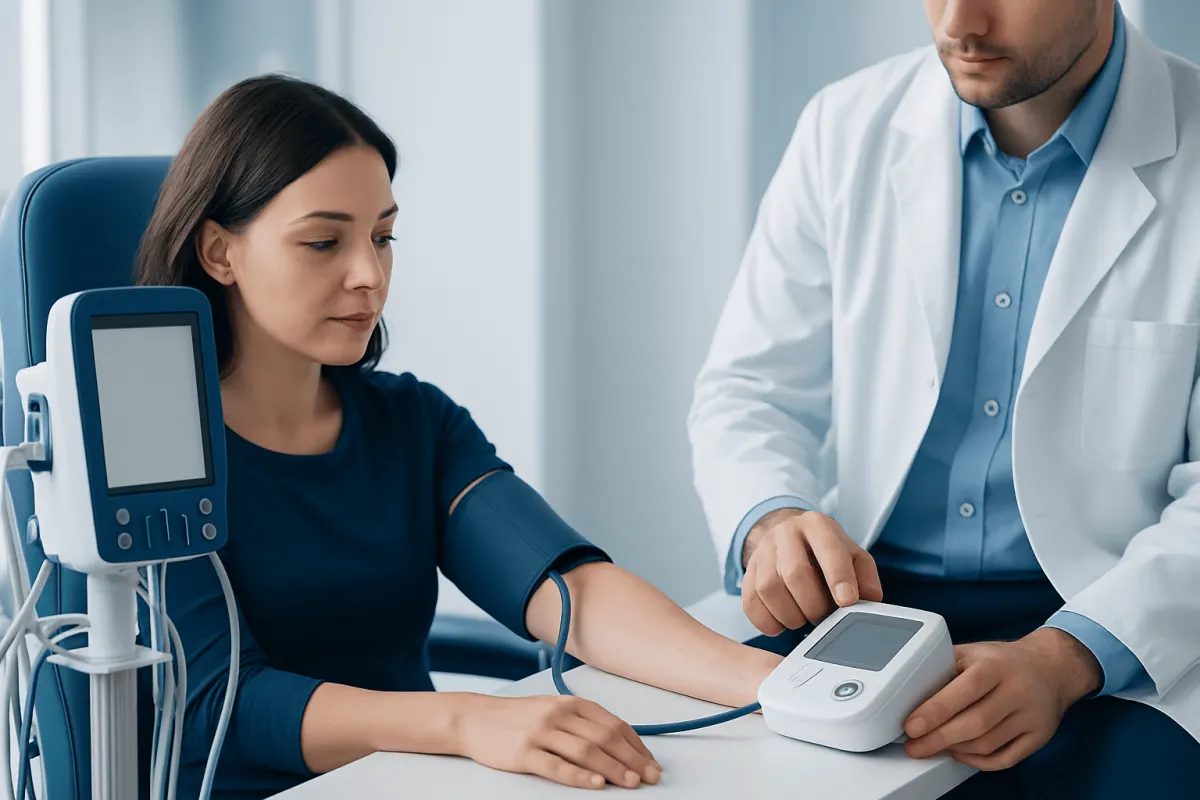
Routine blood pressure checks are therefore important, particularly for adults with a family history of hypertension or heart disease, diabetes, kidney disease, excess weight, sleep apnea, pregnancy-related blood pressure concerns, or increasing age. Measurements may be taken in a clinic, pharmacy or at home with a validated upper-arm device.
How you take the reading changes the reading. Before measuring, a person should sit quietly for several minutes, keep both feet on the floor, support the arm at heart level, and avoid recent exercise, smoking or caffeine where possible. Clinicians commonly request several readings over several days rather than relying on one isolated result. Home monitoring can also help identify white-coat hypertension, where readings are higher in a medical setting, or masked hypertension, where clinic readings appear normal but home readings are elevated.
Why Hypertension Develops: Causes and Risk Factors

Most adults have primary, or essential, hypertension. This means there is no single identifiable cause; instead, blood pressure rises through a combination of inherited tendency, aging and environmental or lifestyle factors. Family history can increase susceptibility, but it does not make hypertension inevitable.
Factors that can contribute include a diet high in salt or heavily processed foods, low intake of fruits and vegetables, limited physical activity, excess body weight, regular heavy alcohol use, smoking, ongoing poor sleep and chronic stress. Obstructive sleep apnea can also be associated with difficult-to-control blood pressure. Some medicines and substances, including certain anti-inflammatory medicines, decongestants, stimulant medicines, hormonal therapies and recreational drugs, may raise blood pressure in some people.
Less commonly, high blood pressure is secondary to another condition, such as kidney disease, narrowing of certain blood vessels, endocrine disorders or sleep apnea. Secondary causes are more likely to be considered when hypertension starts suddenly, is severe, occurs at a younger age, or remains high despite appropriate treatment. Identifying and treating an underlying cause may improve blood pressure control.
How Hypertension Is Diagnosed and Assessed
A diagnosis of hypertension generally requires repeated elevated readings, ideally measured using correct technique. Depending on the circumstances, a clinician may recommend home monitoring or ambulatory monitoring, which records blood pressure over 24 hours during normal daily activities and sleep. This gives a clearer picture of usual blood pressure patterns.
The assessment also looks for conditions that may affect treatment choices or increase cardiovascular risk. A clinician may ask about family history, diet, activity, alcohol, smoking, sleep, stress, pregnancy plans and all medicines or supplements. Examination may include weight, heart and vascular assessment, and evaluation for signs of organ effects.
Blood and urine tests may check kidney function, blood sugar, cholesterol and electrolytes. An electrocardiogram or other heart tests may be considered when clinically appropriate. None of these tests mean a complication is expected. They give your doctor a baseline, show up any related health needs and help shape a plan that is safe for you.
Lifestyle Measures That Support Blood Pressure Control
Lifestyle measures are recommended for everyone with hypertension, whether or not you also need medication. Small changes you can keep up make a real difference, and picking a few realistic steps usually beats overhauling everything at once. A clinician or dietitian can help adapt recommendations to cultural preferences, work schedules and other medical needs.
A heart-healthy eating pattern emphasizes vegetables, fruits, beans, whole grains, nuts, lean protein sources and unsaturated fats. Reducing salt is particularly helpful for many people; this often means limiting packaged, cured, fast and restaurant foods and checking food labels. Avoiding tobacco, limiting alcohol, maintaining a weight that is appropriate for the individual, and being physically active most days can all support blood pressure and broader heart health.
Regular sleep and attention to stress are also important. Relaxation practices, social support, counseling where needed, and manageable routines can complement medical care, although they do not replace treatment for persistently elevated blood pressure. People should discuss supplements or herbal products with a clinician, as some may interact with medicines or increase blood pressure.
- Choose fresh or minimally processed foods more often.
- Build activity gradually, based on current fitness and medical advice.
- Keep a home blood pressure record if advised.
- Bring all medicines, supplements and readings to follow-up visits.
Medicines and Ongoing Hypertension Treatment
If lifestyle measures alone are unlikely to bring blood pressure to target, medication may be recommended. Common medicine groups include thiazide-type diuretics, angiotensin-converting enzyme inhibitors, angiotensin receptor blockers, calcium channel blockers and beta-blockers in selected situations. The most suitable option depends on blood pressure level, age, kidney function, pregnancy considerations, other medical conditions and possible side effects.
Some people need more than one medicine because blood pressure is regulated through several body systems. Combination treatment can be effective and may sometimes simplify a daily regimen. A clinician will explain how and when to take medicines, what side effects to watch for, and when blood tests or blood pressure checks are needed. Treatment should not be stopped or changed without medical advice, even if home readings improve.
Side effects can often be sorted out by changing the dose, the timing or the medicine itself. So tell your doctor about dizziness, faintness, swelling, a persistent cough, muscle symptoms, changes in urination or anything else new. For international patients, Acıbadem Health Point’s multidisciplinary specialists and JCI-accredited hospitals can assess hypertension and coordinate treatment alongside care for related heart, kidney or endocrine conditions.
When to Seek Medical Care
Adults should arrange a routine medical appointment if repeated home or community readings are high, if they have risk factors for hypertension, or if they are unsure whether their monitor is accurate. A clinician can confirm the diagnosis and help establish a plan before high blood pressure causes harm. Follow-up is especially important for people with diabetes, kidney disease, established cardiovascular disease or pregnancy.
Urgent medical assessment is needed for a very high blood pressure reading, particularly around 180/120 mmHg or higher, when it is accompanied by chest pain, severe shortness of breath, weakness or numbness on one side of the body, difficulty speaking, confusion, fainting, a severe unusual headache, sudden vision changes or severe back pain. These symptoms may indicate a medical emergency and should not be managed by waiting for the reading to settle.
If a very high reading occurs without symptoms, the person should sit quietly and repeat the measurement after several minutes using correct technique. If it remains markedly elevated, they should contact a healthcare professional promptly for advice. During pregnancy, headache, vision changes, upper abdominal pain, sudden swelling or elevated blood pressure should be assessed without delay because pregnancy-related hypertension needs specialist care.
Frequently asked questions
01Can hypertension be treated without medication?
Some people with mildly elevated blood pressure may improve their readings with lifestyle changes such as reducing salt, increasing activity, managing weight and limiting alcohol. However, many people benefit from medication as well, especially when blood pressure is persistently high or cardiovascular risk is increased. A clinician can advise whether lifestyle measures alone are appropriate.
02What is the best medication for hypertension?
There is no single best medicine for every person. The choice depends on blood pressure readings, age, kidney function, other health conditions, pregnancy considerations and potential side effects. Some people need a combination of medicines to achieve stable control.
03How quickly does hypertension treatment work?
Lifestyle measures and medication can begin lowering blood pressure within days to weeks, but the full effect and the right treatment balance may take longer to establish. Follow-up readings help the clinician decide whether changes are needed. Long-term consistency is important because hypertension control is usually ongoing.
04Can stress cause high blood pressure?
Stress can temporarily raise blood pressure and may contribute to habits that affect long-term health, such as poor sleep, less activity, smoking or high alcohol intake. It is usually not the only cause of persistent hypertension. Stress-management strategies can be useful alongside, rather than instead of, medical treatment.
05Should blood pressure medicine be stopped when readings become normal?
No. Normal readings often mean that the treatment plan is working. Stopping medication without guidance can allow blood pressure to rise again, sometimes without noticeable symptoms. Any reduction or change should be planned with the prescribing clinician.
06How often should blood pressure be checked at home?
The schedule depends on the individual's situation and clinician's advice. When first assessing or adjusting treatment, readings may be requested at consistent times over several days. Once blood pressure is stable, less frequent monitoring may be sufficient, but regular medical follow-up remains important.
This article is for general information only and is not a substitute for professional medical advice. Please consult a qualified doctor about your individual situation.
Heart care in Turkey — expert evaluation and treatment
JCI-accredited · board-certified surgeons · reply within 24h
Add us as a Preferred Source to see more of our trusted health content across Google Search, AI Overviews and Discover.