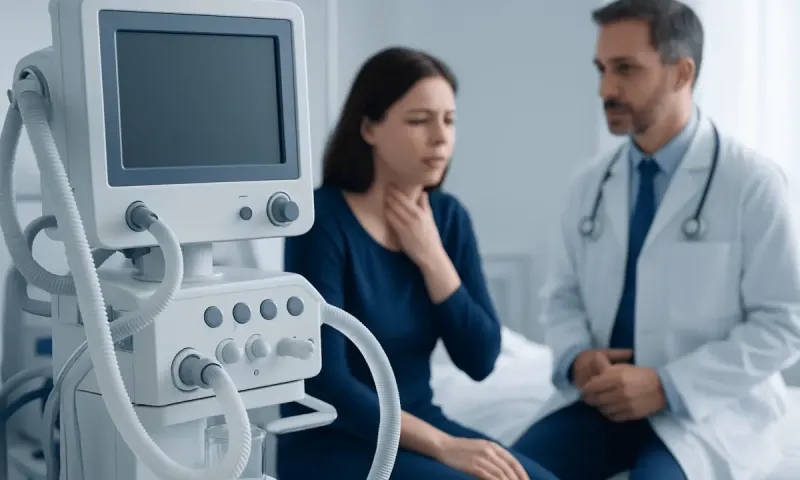
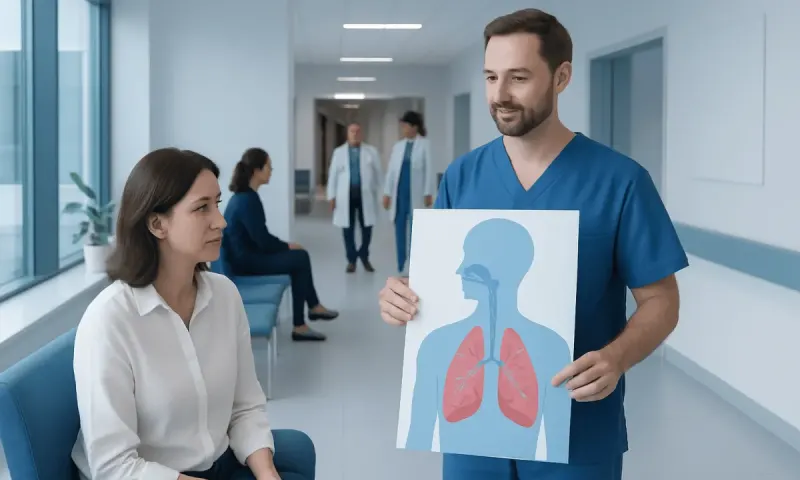
Primary Ciliary Dyskinesia: Symptoms, Causes and Treatment

Key Takeaways
- PCD is a genetic condition that disrupts the normal movement of cilia, making it harder to clear mucus and debris.
- Common signs include a long history of congestion, chronic wet cough, repeated chest infections, and ear or sinus problems.
- Diagnosis often involves a combination of clinical history, nasal nitric oxide testing, imaging, lung function tests, and genetic analysis.
- Treatment focuses on airway clearance, prompt infection management, vaccination, and regular specialist follow-up.
- People traveling for care benefit from a coordinated plan that includes diagnosis, treatment, and structured follow-up after returning home.
Primary ciliary dyskinesia (PCD) is a rare inherited condition that affects the tiny cilia responsible for clearing mucus from the airways and other parts of the body. With early recognition, coordinated care, and consistent follow-up, many people with PCD can better protect lung health and manage day-to-day symptoms.
Overview
Primary ciliary dyskinesia, often shortened to PCD, is a rare inherited condition that affects the body’s tiny hair-like structures called cilia. These cilia normally help move mucus out of the airways, assist with fluid movement in the ears and sinuses, and play a role in how organs develop before birth. When cilia do not work properly, mucus can build up, allowing germs and inflammation to linger.
For many people, PCD becomes noticeable through a pattern rather than a single dramatic event. A child or adult may seem to “always” have a wet cough, blocked nose, recurring ear infections, or repeated chest infections that take longer than expected to clear. Because the symptoms can resemble more common respiratory problems, diagnosis is sometimes delayed.
Understanding PCD matters because ongoing mucus retention can gradually affect the lungs, sinuses, and ears if it is not recognized early. A clear diagnosis helps families and patients make practical decisions about airway care, infection control, and follow-up—especially when care is being coordinated across countries or between different specialists.
Symptoms

PCD symptoms usually start early in life, although they are not always immediately recognized as belonging to one condition. In babies, the first clue may be persistent breathing difficulty after birth, especially if there is neonatal respiratory distress without another obvious explanation. In children, a long-standing wet cough and chronic nasal congestion are common early patterns.
As children grow, other signs may appear or become easier to notice. These can include recurring ear infections, fluid behind the eardrum, hearing difficulties, sinus infections, and a cough that produces mucus most days. Some people also experience shortness of breath during activity, wheezing, or repeated bronchitis or pneumonia.
Because cilia are also involved in how organs are positioned in the body during early development, some people with PCD have organ laterality differences, such as situs inversus or other forms of organ arrangement variation. Not everyone with PCD has this feature, but when it is present it can offer an important clue.
- Persistent wet or productive cough
- Long-term nasal congestion or runny nose
- Frequent sinus or ear infections
- Recurrent chest infections
- Hearing concerns related to middle ear fluid
- Breathing problems that began very early in life
Causes & Risk Factors

PCD is caused by changes in genes that affect cilia structure or movement. Because it is inherited, it often appears in families, though the pattern may not be obvious unless several relatives have similar respiratory or ear problems. The altered gene instructions mean the cilia may beat in the wrong direction, move too slowly, or not move effectively at all.
The main risk factor is family history, particularly when both parents carry a gene change linked to the condition. However, PCD can still be missed in families without a known diagnosis, especially if earlier generations were never evaluated for chronic sinus or lung disease. This is one reason specialists take a detailed medical and family history when PCD is suspected.
While PCD is present from birth, its effects may become more apparent over time. Repeated infections, delayed diagnosis, and inconsistent airway clearance can increase the burden on the lungs and sinuses. That is why the condition is often approached as a long-term management issue rather than a one-time treatment problem.
Diagnosis
Diagnosing PCD usually requires more than one test. Doctors begin with the story of symptoms, including when they started, how often infections occur, and whether there has been chronic wet cough, nasal blockage, or recurrent ear disease since early childhood. A physical examination may also reveal signs of ongoing airway inflammation or fluid in the middle ear.
Specialist testing can help confirm the diagnosis. Nasal nitric oxide testing is commonly used in the evaluation of older children and adults because levels are often low in PCD. Additional tests may include lung function testing, chest imaging, sinus imaging, and examination of cilia taken from the nose or airway. Genetic testing can identify disease-causing variants and may help confirm the diagnosis or guide family counseling.
Because no single test is perfect, clinicians usually interpret results together. This approach is especially important for international patients seeking a second opinion or a complete workup, since records from different hospitals may need to be reviewed alongside new testing to form a clear picture.
Treatment Options
There is currently no cure that corrects PCD at the source, but treatment can significantly improve symptom control and help protect lung function. The central goal is to keep mucus moving, reduce infections, and monitor for complications over time. Many people benefit from care involving pulmonology, ENT, audiology, physiotherapy, and sometimes genetics.
Airway clearance is one of the most important parts of treatment. This may include chest physiotherapy, breathing techniques, and regular routines that help loosen and move mucus out of the lungs. Doctors may also recommend inhaled or nebulized therapies in some cases, depending on the person’s symptoms and lung status.
Infections are treated promptly when they occur, often with antibiotics chosen according to the likely organism or culture results. Hearing and sinus issues may need separate management, such as ear tube assessment, nasal care, or sinus treatment. Some patients require periodic lung function checks and imaging so that changes can be identified early rather than after they become more difficult to reverse.
For individuals traveling for care, treatment planning ideally includes a clear discharge or follow-up plan. That can make it easier to continue airway clearance, recognize warning signs, and coordinate local follow-up once the patient returns home.
Prevention & Self-care
Because PCD is genetic, it cannot be prevented in the usual sense. Still, day-to-day self-care can make a meaningful difference in symptom control and quality of life. The most helpful routines are usually the ones that are consistent and realistic enough to continue long term.
Keeping up with airway clearance, following prescribed treatment plans, and attending regular specialist reviews are central steps. Staying current with recommended vaccinations, avoiding smoke exposure, and treating infections early can also help reduce strain on the lungs. Good hydration and regular physical activity, when appropriate, may support mucus clearance as part of the overall plan.
Families of children with PCD often benefit from learning how to spot changes early—such as a cough that becomes more frequent, mucus that changes in color or amount, new hearing issues, or a decline in energy. A simple action plan can help patients know when to monitor at home and when to contact their healthcare team.
- Follow a regular airway-clearance routine as advised
- Keep vaccination schedules up to date
- Avoid tobacco smoke and other airway irritants
- Seek assessment early for new or worsening infections
- Attend hearing, lung, and ENT follow-up visits
When to See a Doctor
A medical review is important when a cough is wet and persistent, nasal congestion never seems to clear, or infections keep returning despite standard treatment. Children who have repeated ear infections, delayed recovery from chest illness, or breathing symptoms starting soon after birth should be assessed rather than simply watched over time.
Adults who have lived with “chronic bronchitis,” sinus problems, or recurrent chest infections for years without a clear explanation may also benefit from evaluation for PCD. A specialist assessment can help distinguish PCD from asthma, allergies, recurrent viral infections, bronchiectasis, or other conditions that can look similar at first.
Urgent medical attention is warranted for breathing difficulty, high fever with chest symptoms, coughing up blood, dehydration, or a sudden decline in usual function. For international patients, arranging review before travel or after arrival can be helpful, especially if old records, imaging, or genetic reports need to be interpreted together.
Acibadem Health Point’s multidisciplinary specialists and JCI-accredited hospitals can diagnose and treat PCD for international patients, with coordinated care that supports both treatment and follow-up planning.
Frequently asked questions
01What is PCD in simple terms?
PCD is a genetic condition that affects cilia, the tiny structures that help clear mucus from the airways and move fluid in the ears and sinuses. When cilia do not work properly, mucus can collect and infections may happen more often.
02Is PCD the same as cystic fibrosis?
No. Both conditions can cause chronic cough and repeated chest infections, but they are different diseases with different genetic causes and test results. A specialist can help distinguish them with appropriate testing.
03How is PCD usually diagnosed?
Doctors usually combine symptom history, nasal nitric oxide testing, lung and sinus imaging, genetic testing, and sometimes cilia studies from nasal samples. Because the condition can be complex, diagnosis is often best made by a team with experience in rare respiratory disorders.
04Can PCD be cured?
There is no cure at present, but treatment can help manage symptoms and protect the lungs over time. Regular airway clearance, infection treatment, and follow-up are the mainstays of care.
05Does PCD get worse over time?
It can lead to long-term lung or sinus problems if it is not recognized and managed well. Many people do better when care starts early and stays consistent, especially with routine specialist monitoring.
06What kind of doctor should a person see for suspected PCD?
A pulmonologist, ENT specialist, or a center experienced in rare respiratory diseases is often the right place to start. Children may also benefit from pediatric specialists and hearing assessment if ear symptoms are present.
This article is for general information only and is not a substitute for professional medical advice. Please consult a qualified doctor about your individual situation.
Hair transplant in Turkey — costs, graft counts & a free assessment
JCI-accredited · board-certified surgeons · reply within 24h
Add us as a Preferred Source to see more of our trusted health content across Google Search, AI Overviews and Discover.