Pregnancy Gingivitis: Caring for Gums During Pregnancy
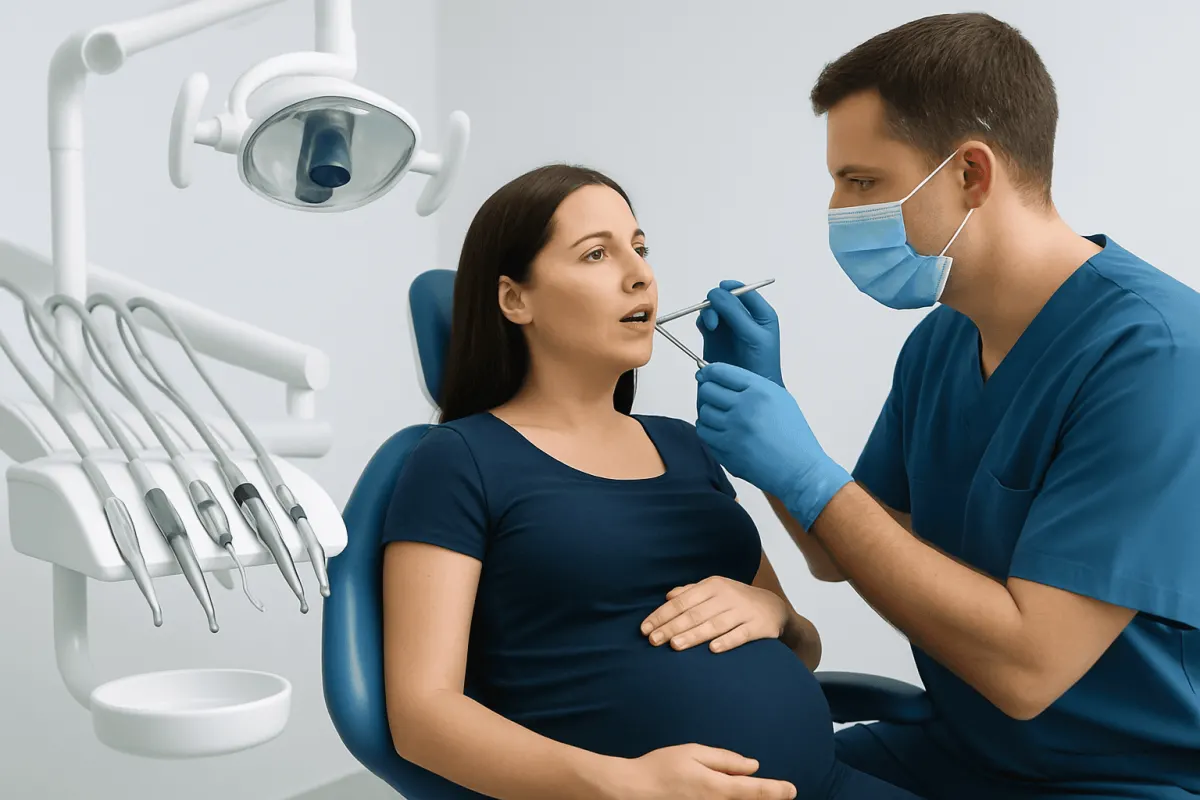
Pregnancy gingivitis is a common, treatable form of gum inflammation that may cause red, swollen, tender, or bleeding gums, especially when brushing or flossing. Hormonal changes make gums more reactive to dental plaque, but persistent symptoms should be assessed by a dentist to prevent more significant gum disease.
Overview: what is pregnancy gingivitis?
Pregnancy gingivitis is inflammation of the gums that develops or worsens during pregnancy. It commonly causes gums to look redder or puffier than usual, feel tender, and bleed when a person brushes, flosses, or eats firm foods. These changes are often linked to normal pregnancy hormones, which can increase the gums’ response to the bacterial plaque that naturally forms on teeth.
Although mild gum bleeding can be common in pregnancy, it is not something a person simply has to live with. Pregnancy gingivitis is usually reversible with careful home oral hygiene and professional dental care. Addressing it early is helpful because untreated gingivitis may progress in some people to periodontitis, a deeper form of gum disease that can damage the tissues supporting the teeth.
Pregnancy does not itself cause poor oral health. Rather, hormone-related changes, nausea, fatigue, altered eating habits, and missed dental visits can make plaque control more difficult. A dentist can distinguish ordinary pregnancy-related gum inflammation from tooth decay, infection, periodontitis, or other conditions that need specific treatment.
What symptoms are normal, and what is not?
Symptoms that can fit with pregnancy gingivitis include mild bleeding during brushing or flossing, redness along the gumline, slight swelling between teeth, tenderness, and bad breath that persists despite routine cleaning. Symptoms may be most noticeable from the second trimester onward, although timing varies. The gums can also appear to have become more sensitive even when the amount of plaque has not changed substantially.
Healthy gums generally should not bleed regularly. Therefore, repeated bleeding is a useful signal to improve plaque removal and arrange a dental check-up, rather than avoiding the area. Using a soft-bristled toothbrush and a gentle technique can clean the gumline without causing unnecessary trauma.
Some people develop a small, red, easily bleeding lump on the gums during pregnancy. This is often called a pregnancy tumor or pyogenic granuloma, although it is not cancer. It may be associated with local irritation and often shrinks after delivery, but a dentist should examine any new oral growth to confirm the cause and decide whether treatment is needed.
Severe throbbing tooth pain, facial or jaw swelling, pus, fever, a bad taste from drainage, or difficulty swallowing are not typical features of uncomplicated gingivitis. These may indicate a dental infection or another urgent problem and should be evaluated promptly.
Why pregnancy affects the gums

During pregnancy, rising estrogen and progesterone levels can change how gum tissue responds to plaque bacteria. The result can be an exaggerated inflammatory response: gums may become more swollen and bleed more readily even with relatively small amounts of plaque. Increased blood flow to the gums may also contribute to their red or puffy appearance.
Plaque is a soft, sticky bacterial film that builds up on teeth throughout the day. If it is not removed consistently by brushing and cleaning between the teeth, it can irritate the gums. Over time, plaque can harden into tartar, also called calculus, which cannot be removed by a toothbrush and requires professional cleaning.
Morning sickness and reflux can add to oral health challenges. Stomach acid can temporarily soften tooth enamel, while nausea may make brushing difficult. Frequent snacking, cravings for sugary foods or drinks, dry mouth, smoking, diabetes, and a previous history of gum disease can also raise the chance of dental and gum problems during pregnancy.
Gum inflammation is not a sign that someone has done anything wrong. It is a common health issue influenced by biology and daily circumstances. Still, regular preventive care matters because oral infections and advanced gum disease should be identified and treated appropriately during pregnancy.
How pregnancy gingivitis is diagnosed
A dentist usually diagnoses pregnancy gingivitis by asking about symptoms, pregnancy stage, oral hygiene habits, nausea or reflux, medications, and previous dental concerns. They examine the teeth and gums for plaque, tartar, bleeding, swelling, gum recession, cavities, loose teeth, and signs of infection.
The dental team may gently measure the space between the teeth and gums, called periodontal pockets. This helps determine whether inflammation is limited to gingivitis or whether there are signs of periodontitis. Gingivitis affects the surface gum tissue and is generally reversible; periodontitis involves deeper supporting structures and requires more extensive management.
Dental X-rays are not routinely needed for simple gingivitis, but they may be important if a dentist suspects infection, decay beneath an existing filling, bone loss, or another condition that cannot be assessed fully by examination. When clinically necessary, dental X-rays can be taken during pregnancy with appropriate protective measures. Delaying essential diagnosis or treatment can be less safe than receiving indicated care.
Pregnant patients should tell the dentist about their estimated due date, any pregnancy complications, current medicines, allergies, and advice from their obstetric clinician. This allows dental and maternity teams to coordinate care when appropriate.
Treatment and safe dental care during pregnancy
The main treatment for pregnancy gingivitis is thorough removal of plaque and tartar. A dental professional may recommend a routine cleaning, tailored brushing and interdental-cleaning advice, and follow-up visits based on the condition of the gums. Professional periodontal treatment may also be recommended if there is evidence of more advanced gum disease.
Routine preventive dental care and necessary dental treatment are generally considered safe during pregnancy. The second trimester can be a convenient time for non-urgent care, but urgent dental problems should be treated at any stage rather than postponed. The dentist may adjust positioning, appointment length, or treatment planning to support comfort and safety.
At home, a person can brush twice daily with fluoride toothpaste, using a soft toothbrush and gentle small movements at the gumline. Cleaning between teeth once a day with floss or appropriately sized interdental brushes helps remove plaque where a toothbrush cannot reach. If gums bleed at first, continuing gentle cleaning is usually important; bleeding often improves as inflammation settles.
For nausea after brushing, it may help to use a small-headed toothbrush, brush at a time of day when nausea is milder, and choose a mild-flavored toothpaste if acceptable. After vomiting, rinsing the mouth with water is helpful. It is best to wait around 30 minutes before brushing, because brushing immediately after acid exposure may increase enamel wear. A dentist or obstetric clinician can advise on products for individual needs.
Prevention and everyday self-care
Preventing pregnancy gingivitis focuses on lowering plaque levels consistently, not on brushing harder. A soft toothbrush should be replaced when bristles begin to splay, and fluoride toothpaste should be used twice daily. Daily flossing or interdental cleaning is especially important because inflammation often starts between teeth and at the gumline.
A balanced eating pattern supports both oral and general health. Limiting frequent sugary snacks, sweetened drinks, and repeated sipping of acidic beverages can reduce the risk of tooth decay. Drinking water after snacks or episodes of nausea can help clear the mouth. People who use tobacco or nicotine products can ask their maternity care team for pregnancy-appropriate support to stop, as these products harm gum health and pregnancy health.
Regular dental visits before, during, and after pregnancy are worthwhile. A dental check-up early in pregnancy, or while planning pregnancy, can identify existing tartar, cavities, gum disease, and restorations that need attention. After birth, ongoing home care and professional follow-up help ensure that gum changes have resolved.
Over-the-counter mouth rinses are not a substitute for brushing, interdental cleaning, or dental assessment. A dentist can recommend whether a particular rinse is useful and appropriate during pregnancy. People should check with their dentist, pharmacist, or obstetric clinician before using medicated oral products, particularly if they have other health conditions or take regular medicines.
When to seek medical care
A dental appointment should be arranged if gum bleeding continues despite one to two weeks of careful brushing and cleaning between the teeth, or if there is persistent swelling, pain, bad breath, gum recession, or concern about loose teeth. Early evaluation can identify plaque and tartar buildup, cavities, periodontitis, or an oral lesion that may otherwise be missed.
Urgent dental or medical advice is needed for facial swelling, fever, pus or drainage from the gums, severe toothache, spreading pain, difficulty opening the mouth, swallowing difficulty, or trouble breathing. These symptoms can suggest an infection that requires timely assessment. A pregnant person should also contact their obstetric care team if they are unsure where to seek urgent help.
A new gum lump, especially one that grows quickly, bleeds heavily, interferes with eating, or does not improve, should be examined by a dentist. Most pregnancy-associated gum growths are benign, but an examination is needed to establish the diagnosis and plan care.
Acıbadem Health Point’s multidisciplinary specialists and JCI-accredited hospitals support Myomectomy Recovery for International Patients: The Usual Travel Timeline" class="ahp-ilk">international patients who need dental assessment and coordinated care during pregnancy. Individual treatment decisions should be made with a qualified dentist and the clinician overseeing the pregnancy.
Frequently asked questions
01Is pregnancy gingivitis common?
Yes. Gum sensitivity, swelling, and bleeding are common during pregnancy because hormonal changes can make gum tissue react more strongly to plaque. Common does not mean it should be ignored, since improving oral hygiene and having a dental assessment can usually control it.
02Can pregnancy gingivitis harm the baby?
Mild pregnancy gingivitis is a localized gum condition and is treatable. Research has examined links between severe periodontal disease and some pregnancy outcomes, but this does not mean that bleeding gums cause a pregnancy complication. Maintaining dental care and treating infection or significant gum disease is a sensible part of overall prenatal health.
03Should a person stop flossing if their gums bleed during pregnancy?
No. Stopping flossing can allow more plaque to collect between the teeth and may worsen inflammation. Gentle daily flossing or interdental cleaning, together with soft brushing, usually helps bleeding improve over time; a dentist should assess persistent or heavy bleeding.
04Is it safe to have teeth cleaned while pregnant?
Routine dental cleanings and necessary dental treatment are generally safe during pregnancy. The dental team should be told about the pregnancy and any medical concerns so care can be adapted as needed. Urgent dental infections should not be delayed.
05What can help if brushing triggers morning sickness?
Using a small toothbrush head, a mild toothpaste flavor, and brushing when nausea is less intense may help. After vomiting, rinsing with water and waiting about 30 minutes before brushing can protect enamel. Persistent vomiting should also be discussed with the obstetric clinician.
06Will a pregnancy gum lump go away after delivery?
A pregnancy-related gum growth may shrink after delivery, particularly when plaque and local irritation are controlled. However, every new or changing mouth lump should be checked by a dentist. Removal or other treatment may be considered if it bleeds, causes discomfort, affects eating, or does not resolve.
This article is for general information only and is not a substitute for professional medical advice. Please consult a qualified doctor about your individual situation.
Persistent digestive symptoms? Get evaluated in Turkey
JCI-accredited · board-certified surgeons · reply within 24h
Add us as a Preferred Source to see more of our trusted health content across Google Search, AI Overviews and Discover.