Belly Button Changes During Pregnancy: When to Seek Care
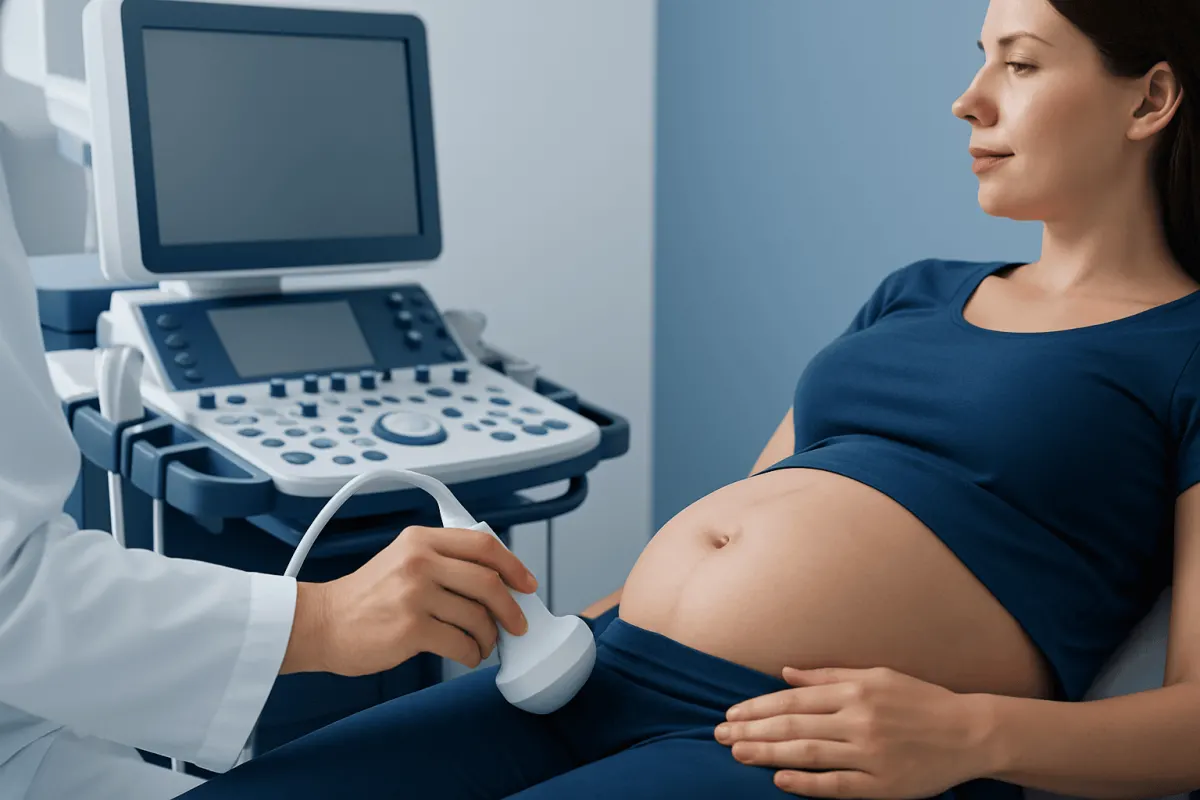
Belly button changes during pregnancy are common and usually result from stretching skin and rising pressure inside the growing abdomen. A navel may flatten, widen, darken, become more sensitive, or temporarily protrude; however, persistent pain, a firm bulge, redness, or discharge should be evaluated.
Belly Button for Pregnancy: What Is Normal?
Belly button changes in pregnancy are usually a normal response to the growing uterus, stretching abdominal skin, and shifting pressure within the abdomen. As pregnancy progresses, the navel may look wider, flatter, shallower, darker, or more prominent than before. Some people develop a temporary “outie,” where the belly button pushes outward.
These changes often become more noticeable during the second and third trimesters, when the abdomen expands more quickly. A protruding navel is not, by itself, a sign that anything is wrong. In many cases, it gradually returns toward its pre-pregnancy appearance after delivery, although minor changes in shape or skin texture can remain.
Each pregnancy and body is different. Some people notice almost no change in their navel, while others experience tightness, mild sensitivity, itching, or a stretched feeling in the skin around it. The key distinction is whether symptoms remain mild and settle with simple care, or whether there is significant pain, inflammation, discharge, or a distinct new lump.
Why the Belly Button Changes During Pregnancy
The main reason for belly button changes is mechanical stretching. As the uterus enlarges, it moves upward and outward, increasing pressure against the abdominal wall. The skin, connective tissue, and muscles around the navel stretch to accommodate this change. A previously deep belly button may therefore become shallow or flat, while a navel that naturally sits closer to the surface may turn outward.
Pregnancy hormones also affect the skin and connective tissues. Increased blood flow can make veins around the abdomen more visible, and hormonal changes can contribute to darker pigmentation. A vertical dark line on the abdomen, called linea nigra, may extend through or near the navel. This pigmentation is common and generally fades gradually after pregnancy.
In addition, the two vertical abdominal muscles may separate slightly along the midline as the abdomen expands. This is called diastasis recti. It can create a central ridge or doming when a person sits up or strains, but it is not the same as a hernia. A clinician can help distinguish normal stretching, diastasis recti, and a true abdominal-wall hernia.
Common Belly Button Symptoms and Skin Changes
Mild tightness, tenderness, dryness, and itchiness around the belly button can occur as the skin stretches. The area may rub against clothing more easily, particularly if the navel protrudes. Gentle pressure from waistbands, seat belts, or fabric seams may feel uncomfortable, although a seat belt should still be worn correctly during travel, with the lap belt low across the hips and below the abdomen.
Some people notice small stretch marks around the navel or across the abdomen. These are common and are related to skin stretching and individual skin characteristics. Moisturizers may improve comfort for dry or itchy skin, but no cream has been proven to reliably prevent stretch marks. Products should be fragrance-free when possible if skin is sensitive, and any product causing burning, rash, or worsening itch should be stopped.
The belly button can also collect sweat, soap residue, lint, and moisture. This may be more likely when the navel becomes deeper in folds of stretched skin or when heat and perspiration increase. Mild odor may result from trapped debris, but a strong odor, persistent wetness, spreading redness, crusting, bleeding, or pus-like discharge is not considered a routine pregnancy change.
- Common changes: flattening, protrusion, darkening, mild tenderness, itching, and stretch marks.
- Changes needing review: a growing or painful lump, marked redness, warmth, drainage, fever, or pain that affects daily activities.
Umbilical Hernia and Other Conditions to Consider
An umbilical hernia occurs when tissue, often fatty tissue or a small portion of intestine, pushes through a weakness in the abdominal wall near the navel. Pregnancy can make a pre-existing weakness more noticeable because pressure in the abdomen rises. It may appear as a soft bulge at or close to the belly button, especially when standing, coughing, laughing, or straining.
Many umbilical hernias identified during pregnancy are small and can be monitored by an obstetrician or surgeon if they are not painful or causing complications. Management depends on the size of the hernia, symptoms, the stage of pregnancy, and whether the bulge can be gently reduced when lying down. Repair is often considered after delivery unless urgent treatment is needed.
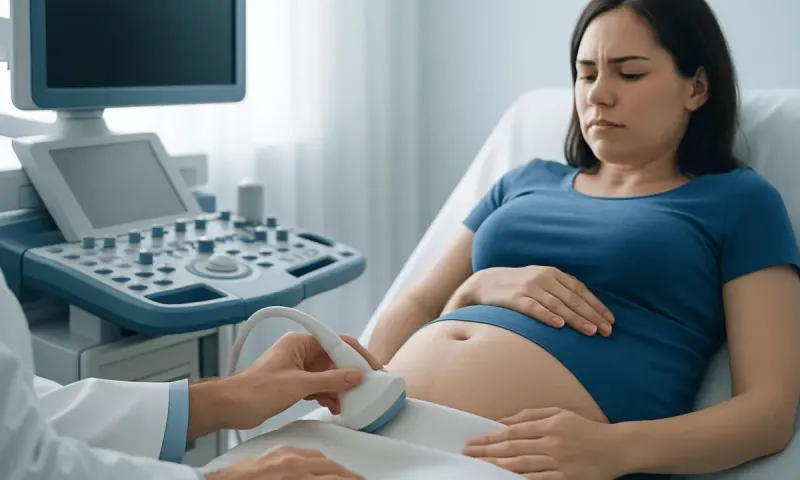
A hernia should not be diagnosed based on appearance alone. A clinician may examine the abdomen while the patient is standing, lying down, or gently tightening the abdominal muscles. Ultrasound can sometimes help clarify whether a lump is a hernia or another cause of swelling, without using radiation.
Other possibilities include contact dermatitis from jewelry or skincare products, a superficial skin infection, or irritation within the navel. New piercing-related irritation deserves particular care in pregnancy because stretched skin can make jewelry uncomfortable or more prone to catching. A clinician can advise whether jewelry should be removed and how to protect the area safely.
Comfort Measures and Safe Self-Care
For uncomplicated belly button discomfort, simple measures are usually enough. The area can be washed gently during regular bathing with mild soap and water, then dried carefully with a clean towel. There is no need to scrub inside the navel, use cotton swabs deeply, or apply antiseptics routinely, as these practices can irritate delicate skin.
Soft, breathable clothing may reduce friction over a sensitive or protruding navel. If a waistband rubs, choosing looser maternity clothing or placing a soft layer of fabric between clothing and the skin may improve comfort. A plain, fragrance-free moisturizer may be used on intact skin for dryness or mild itchiness. Products should not be applied inside a wet, broken, bleeding, or draining belly button unless recommended by a healthcare professional.
It is best not to press hard on a protruding navel, attempt to force a suspected hernia back into place, or use tight binding garments without professional guidance. Abdominal supports are sometimes recommended for pregnancy-related pelvic or back discomfort, but they do not treat a hernia and should be selected with advice from the maternity care team.
Maintaining regular bowel habits, staying hydrated, and following pregnancy-appropriate activity advice may reduce repeated straining. If constipation is present, a clinician or pharmacist can recommend pregnancy-safe strategies. Any exercise program, especially core-focused exercise, should be discussed with the obstetric clinician when there is abdominal doming, a suspected hernia, pain, bleeding, or other pregnancy concerns.
When to Seek Medical Care
It is appropriate to mention a new navel bulge, ongoing tenderness, or changing skin appearance at a routine prenatal appointment. The maternity team can examine the area and explain whether it appears consistent with normal abdominal stretching, diastasis recti, a hernia, or skin irritation. Early assessment can also provide reassurance and help guide safe activity choices.
Prompt medical advice is important if there is increasing pain at the belly button, a lump that becomes firm or very tender, redness or warmth, drainage, bleeding, or a rash that spreads. These symptoms may indicate infection, significant irritation, or a hernia requiring closer assessment. Fever or feeling generally unwell should also be reported.
Urgent medical evaluation is needed for severe or sudden abdominal pain, a painful navel bulge that cannot be gently reduced or does not soften when resting, nausea or vomiting with a painful bulge, abdominal swelling, or inability to pass stool or gas. Although uncommon, these features can suggest a trapped hernia and should not be managed at home.
Pregnancy symptoms should always be considered in their full context. Vaginal bleeding, fluid leakage, regular contractions, reduced fetal movement later in pregnancy, severe headache, vision changes, or sudden swelling require prompt contact with the obstetric care team, even if belly button discomfort is also present.
What Happens After Delivery?
After birth, pressure on the abdominal wall gradually decreases. A protruding belly button often becomes less prominent over the following weeks and months, and pregnancy-related darkening generally fades over time. Recovery varies depending on skin elasticity, the number of pregnancies, genetics, abdominal muscle changes, and whether a hernia was present.
It is common for abdominal muscles and connective tissues to need time to recover. If a central ridge, ongoing bulge, back discomfort, pelvic-floor symptoms, or abdominal weakness remains after postpartum recovery, a clinician may assess for diastasis recti or hernia and discuss appropriate rehabilitation. A physiotherapist with experience in pelvic health or postpartum recovery may be helpful for selected patients.
If an umbilical hernia persists after pregnancy, causes pain, enlarges, or interferes with daily life, referral to a general surgeon may be appropriate. The timing of any repair is individualized, particularly for people considering another pregnancy. A doctor can explain the expected benefits, limitations, and recovery considerations of observation or surgery.
Acıbadem Health Point’s multidisciplinary specialists and JCI-accredited hospitals can assess pregnancy-related abdominal wall concerns and coordinate obstetric, surgical, and imaging care for Myomectomy Recovery for International Patients: The Usual Travel Timeline" class="ahp-ilk">international patients when needed.
Frequently asked questions
01When does the belly button usually pop out during pregnancy?
A belly button may become flatter or protrude at any point as the abdomen expands, but it is often more noticeable in the second or third trimester. Timing varies widely and depends on body shape, abdominal wall tissue, and the position of the growing uterus. A painless protruding navel is usually normal.
02Will an outie belly button go back to normal after pregnancy?
For many people, the belly button gradually returns closer to its previous shape after delivery as abdominal pressure decreases. This process can take weeks to months. Some lasting changes in depth, shape, or surrounding skin may occur and are usually harmless.
03Is belly button pain normal during pregnancy?
Mild sensitivity or a stretched feeling can be normal, particularly later in pregnancy. Persistent, worsening, sharp, or localized pain should be discussed with an obstetric clinician. Pain with a new lump, redness, vomiting, or fever requires more prompt assessment.
04How can a pregnant person clean their belly button safely?
Gentle washing with mild soap and water during bathing is generally sufficient. The area should be dried carefully afterward, especially if the navel is deep or forms a skin fold. Harsh scrubbing, frequent antiseptic use, and inserting objects into the navel can cause irritation.
05Can pregnancy cause an umbilical hernia?
Pregnancy can make an existing weak area near the navel more noticeable because pressure inside the abdomen increases. A hernia often presents as a bulge that is more visible with coughing, standing, or straining. A healthcare professional should examine a new navel bulge to confirm the cause.
06Should belly button piercing jewelry be removed during pregnancy?
A piercing may become uncomfortable as skin stretches, and jewelry can catch on clothing or irritate the area. A maternity clinician or experienced piercing professional can advise on safe removal or whether a flexible pregnancy-safe retainer is appropriate. Jewelry should be removed and medical advice sought if there is redness, swelling, pain, or discharge.
This article is for general information only and is not a substitute for professional medical advice. Please consult a qualified doctor about your individual situation.
Explore treatments in Turkey — costs, top hospitals & a free quote
JCI-accredited · board-certified surgeons · reply within 24h
Add us as a Preferred Source to see more of our trusted health content across Google Search, AI Overviews and Discover.