Postpartum Preeclampsia: Symptoms, Causes and Treatment

Key Takeaways
- Postpartum preeclampsia can develop after delivery, often within the first days to weeks, even in people who had a normal pregnancy blood pressure.
- Common warning signs include headache, vision changes, swelling, shortness of breath, and pain under the ribs or in the upper abdomen.
- Diagnosis usually involves blood pressure checks, urine testing, and blood tests to look for organ involvement.
- Treatment may include blood pressure medicines, magnesium sulfate in some cases, and close monitoring.
- Anyone with symptoms after birth should contact a doctor promptly; severe symptoms need urgent emergency care.
Postpartum preeclampsia is a high blood pressure condition that can appear after childbirth, sometimes after a person has already gone home. Understanding the warning signs and getting prompt medical care can help protect recovery and reduce the risk of complications.
Overview
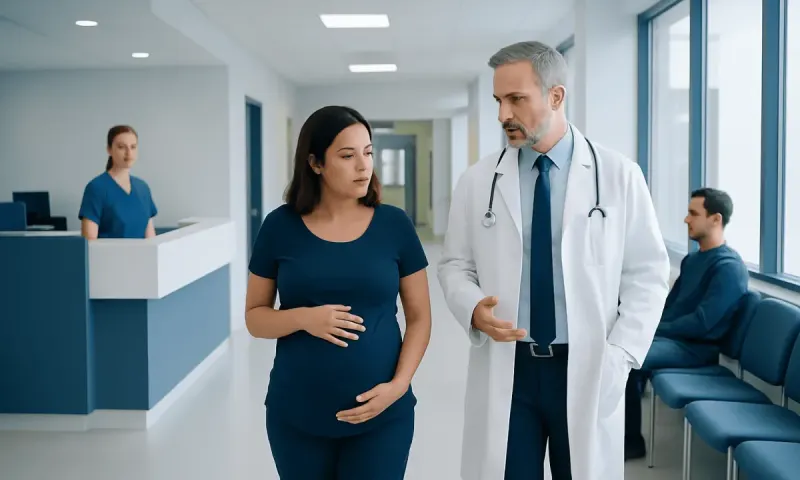
Postpartum preeclampsia is a form of high blood pressure that develops after a baby is born. It is part of the same disease spectrum as preeclampsia in pregnancy, but the difference is timing: symptoms begin after delivery rather than before it.
This condition often appears within the first 48 hours after birth, but it can also develop days or even weeks later. That timing can make it easy to overlook, especially when attention is focused on the newborn and the early demands of recovery. For that reason, new or worsening symptoms after childbirth should never be dismissed as “just part of healing.”
In many cases, postpartum preeclampsia is temporary and responds well to treatment when recognized early. The key is not to wait for symptoms to improve on their own if warning signs are present. Quick evaluation helps clinicians protect both short-term safety and the longer recovery period.
Symptoms
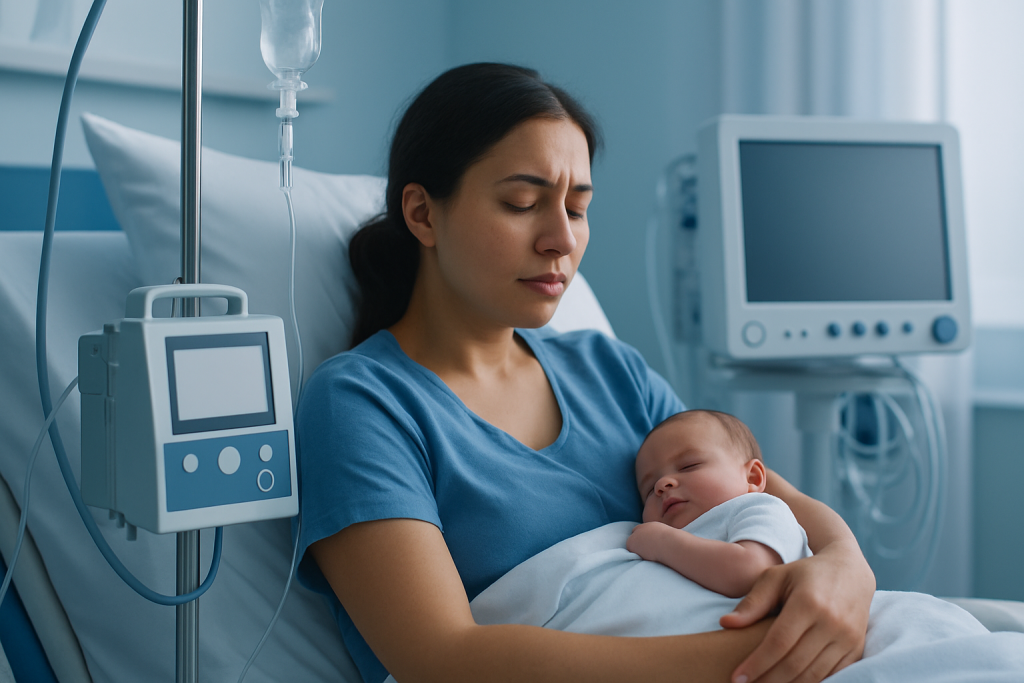
The symptoms of postpartum preeclampsia can be subtle at first or may come on quickly. Some people notice a persistent headache that does not go away with rest or usual pain relief, while others first feel unusually short of breath or develop swelling that seems more than expected after delivery.
Possible warning signs include:
- High blood pressure, sometimes found before symptoms are felt
- Severe or persistent headache
- Changes in vision, such as blurred vision, flashing lights, or spots
- Swelling of the face, hands, or legs
- Pain in the upper abdomen or under the ribs
- Nausea or vomiting that is not improving
- Shortness of breath or chest discomfort
- Sudden weight gain from fluid retention
Seizures are rare but serious and can occur if the condition becomes severe. Because postpartum recovery already includes fatigue, aches, and swelling, it helps to focus on patterns that feel unusual, intense, or progressively worse rather than on isolated mild discomfort.
Causes & Risk Factors

The exact cause of postpartum preeclampsia is not fully understood. Like preeclampsia during pregnancy, it appears to involve changes in blood vessels, the placenta-related pregnancy process, and the body’s response to those changes. Even after delivery, the body may continue to react in ways that raise blood pressure and affect organs.
Some factors can make postpartum preeclampsia more likely. These include a history of preeclampsia or high blood pressure in a previous pregnancy, chronic hypertension, kidney disease, autoimmune conditions, diabetes, carrying twins or more, and certain complications during pregnancy or delivery. It can also occur in people without obvious risk factors, so a low-risk pregnancy does not completely rule it out.
The international-patient perspective matters here: someone traveling home after birth may assume that the most important risks ended in the hospital. In reality, the first days after discharge are often when blood pressure monitoring and symptom awareness matter most, especially if follow-up care will happen in another country or at a different facility.
Diagnosis
Diagnosis begins with a careful review of symptoms and an accurate blood pressure measurement. If postpartum preeclampsia is suspected, clinicians usually check whether the blood pressure is elevated on repeated readings and whether there are signs that the condition is affecting the kidneys, liver, brain, or lungs.
Testing often includes urine studies to look for protein, blood tests to assess kidney function, liver enzymes, and platelet levels, and sometimes additional evaluation if there is shortness of breath, chest pain, or neurologic symptoms. A doctor may also ask about headache pattern, visual changes, swelling, and the timing of symptom onset relative to delivery.
For people who have returned home after childbirth, diagnosis may happen in an outpatient clinic, urgent care setting, or emergency department depending on symptoms. Home blood pressure monitoring can be useful when recommended by a clinician, but it should never replace evaluation if warning signs are present.
Treatment Options
Treatment depends on how high the blood pressure is, whether symptoms are severe, and whether any organs are affected. Many patients need medication to lower blood pressure safely and reduce the risk of serious complications such as stroke or seizures. In some cases, treatment is given in the hospital for closer monitoring, especially when symptoms are significant or blood pressure is very high.
If there is concern about seizure risk, magnesium sulfate may be used for prevention. This medicine is monitored closely in a medical setting. Other treatments may be used to manage fluid balance, relieve symptoms, and address any underlying complications found on testing.
After the immediate phase, follow-up is important because blood pressure can remain elevated for a period of time. A care plan may include continued medication, repeat blood pressure checks, and coordination with obstetric, primary care, or cardiology teams. For Myomectomy Recovery: Healing Time, Activity Limits, and Fertility Planning" class="ahp-ilk">Myomectomy Recovery for International Patients: The Usual Travel Timeline" class="ahp-ilk">international patients, clear discharge instructions and a realistic follow-up arrangement are especially important when care continues across borders.
Prevention & Self-care
Not every case of postpartum preeclampsia can be prevented, but recovery is safer when warning signs are recognized early. People who had high blood pressure during pregnancy or are considered higher risk may be advised to monitor blood pressure at home after delivery and attend scheduled follow-up visits even if they feel well.
Helpful self-care steps include resting when possible, taking prescribed medicines exactly as directed, avoiding missed follow-up appointments, and keeping a simple log of blood pressure readings if home monitoring is recommended. It is also wise to have a clear plan for who to contact if symptoms worsen, especially when caring for a newborn and arranging travel or family support.
Self-care should not mean self-diagnosis. Mild swelling, fatigue, and soreness can be common after childbirth, but new headache, vision changes, chest symptoms, or upper abdominal pain deserve prompt medical review. When in doubt, it is safer to be checked.
When to See a Doctor
Medical evaluation should happen promptly if postpartum symptoms are new, worsening, or unusual. A same-day call to a doctor or maternity team is appropriate for headaches that persist, blood pressure readings that are high if monitoring has been advised, or swelling that appears to be increasing quickly.
Emergency care is needed for severe headache, vision changes, shortness of breath, chest pain, confusion, fainting, seizures, or severe pain under the ribs or in the upper abdomen. These symptoms can signal a serious blood pressure complication that should be treated without delay.
If care is being organized from another country, it helps to bring discharge summaries, blood pressure readings, medication lists, and pregnancy records to the appointment. Acibadem Health Point’s multidisciplinary specialists and JCI-accredited hospitals diagnose and treat postpartum preeclampsia for international patients, with coordinated evaluation and follow-up when needed.
Frequently asked questions
01Can postpartum preeclampsia happen after a normal pregnancy and delivery?
Yes. It can develop even when blood pressure was normal during pregnancy and labor. That is one reason new symptoms after birth should be taken seriously rather than assumed to be routine recovery.
02How long after delivery can postpartum preeclampsia appear?
It often appears in the first few days after birth, but it may develop later as well, sometimes weeks after delivery. The timing varies, so symptom awareness should continue beyond the hospital stay.
03What is the first sign of postpartum preeclampsia?
There is no single first sign for everyone. Some people notice a severe headache, others see swelling, vision changes, or breathlessness, and some only learn about it from a blood pressure check.
04Is postpartum preeclampsia dangerous?
It can become serious if it is not recognized and treated. With prompt medical care, many patients improve well, which is why early evaluation is so important.
05Can breastfeeding continue if treatment is needed?
In many cases, breastfeeding can continue, but treatment choices should be reviewed with a doctor. Medication selection and monitoring depend on the individual situation, so clinicians can help balance treatment and feeding plans safely.
06Should blood pressure be checked at home after birth?
It may be recommended for people with risk factors or previous high blood pressure problems. Home monitoring can be helpful, but it does not replace medical assessment if concerning symptoms appear.
This article is for general information only and is not a substitute for professional medical advice. Please consult a qualified doctor about your individual situation.
Medical weight-loss options in Turkey — costs & eligibility
JCI-accredited · board-certified surgeons · reply within 24h
Add us as a Preferred Source to see more of our trusted health content across Google Search, AI Overviews and Discover.