Posterior Subcapsular Cataract: Symptoms and Treatment
A posterior subcapsular cataract is a type of lens clouding that develops near the back surface of the eye’s natural lens. It can affect reading, bright-light vision, and night driving earlier than some other cataract types, but it is usually treatable with cataract surgery when vision problems interfere with daily life.
Overview: What Is a Posterior Subcapsular Cataract?
A posterior subcapsular cataract is a cloudy area that forms beneath the rear surface of the eye’s natural lens. The lens sits behind the colored part of the eye, called the iris, and focuses light onto the retina. When proteins within the lens change and become less transparent, light does not pass through as clearly, causing blurred or altered vision.
“Posterior” means toward the back, and “subcapsular” means just beneath the thin outer capsule that surrounds the lens. Because this type of cataract develops close to the center of the visual pathway, even a relatively small opacity may noticeably affect vision. It may progress more quickly than some age-related cataracts, although the pace varies widely from person to person.
Posterior subcapsular cataracts are not contagious and do not spread from one eye to another. They can occur in one or both eyes. Although cataracts are common with aging, this subtype may also occur in younger adults when certain health conditions, medicines, or eye problems are present.
How Vision Changes May Feel
The symptoms of a posterior subcapsular cataract often relate to light scattering. A person may notice that bright sunlight, headlights, lamps, or a computer screen feel uncomfortable or create excessive glare. Vision may seem washed out or less crisp even when standard distance vision testing appears fairly good.
Reading can become difficult, particularly under bright lighting. Some people report that they see better in dimmer conditions because the pupil enlarges, allowing light to pass around the central cloudy area. Others experience reduced contrast, meaning it becomes harder to distinguish similar shades, see steps clearly, or recognize details in low light.
Other possible symptoms include halos around lights, fading or yellowing of colors, frequent changes in glasses prescriptions, and blurred vision that is not fully corrected by new glasses. Symptoms can overlap with dry eye, refractive errors, retinal conditions, glaucoma, and other eye concerns, so an examination is important rather than assuming that glare always means cataract.
- Glare or halos around lights, especially at night
- Difficulty with reading, screens, or close work in bright light
- Reduced contrast and less vivid colors
- Blurred, hazy, or fluctuating vision
- Greater difficulty driving at night or in strong sunlight
Why Posterior Subcapsular Cataracts Develop
Age-related changes in lens proteins are a common cause of cataracts overall. However, posterior subcapsular cataracts have several associations that are especially important for patients and clinicians to review. A detailed medication history and medical history can help identify factors that may have contributed to lens changes.
Long-term use of corticosteroid medicines is one recognized risk factor. These medicines may be taken by mouth, inhaled for respiratory disease, used on the skin, injected, or prescribed as eye drops, depending on the condition being treated. A person should not stop a prescribed steroid independently, as doing so can be unsafe. Instead, they should discuss eye monitoring and possible alternatives with the clinician who manages the underlying condition.
Other factors linked with cataract development include diabetes, severe nearsightedness, eye inflammation such as uveitis, previous eye injury or surgery, and radiation exposure. Smoking and prolonged ultraviolet exposure can contribute to cataract risk more generally. Some people develop a posterior subcapsular cataract without a clearly identifiable cause.
Children and younger adults can occasionally develop cataracts as well. When lens clouding appears at a younger age, an ophthalmologist may consider medical conditions, medication exposure, inherited factors, prior trauma, or inflammation as part of the assessment.
How an Eye Specialist Diagnoses It
An optometrist or ophthalmologist can usually identify a posterior subcapsular cataract during a comprehensive eye examination. The assessment commonly includes a visual acuity test, refraction to determine whether glasses could improve vision, and an examination of the eye after pupil-dilating drops are used. Dilation allows the clinician to view the lens, retina, and optic nerve in more detail.
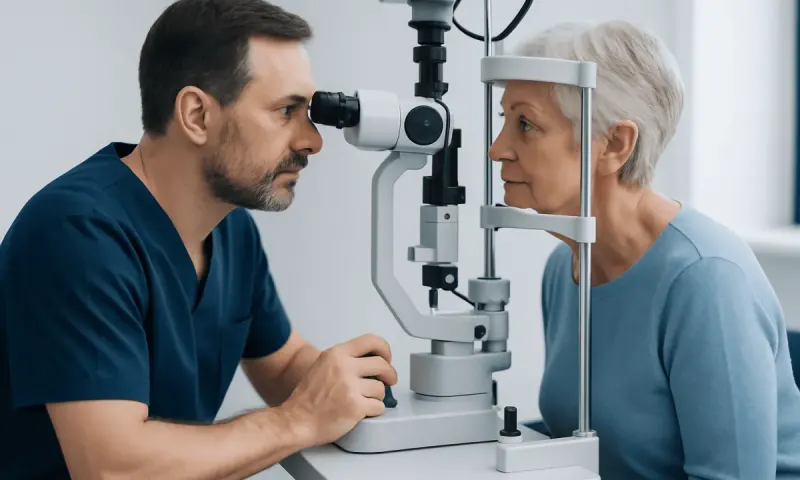
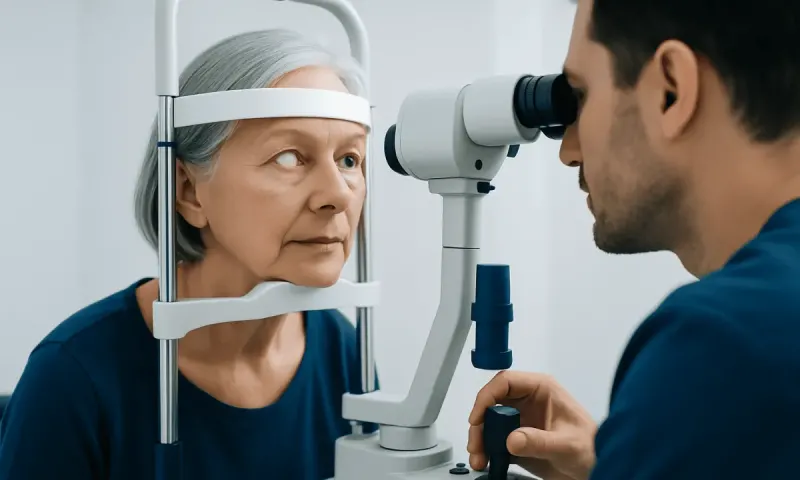
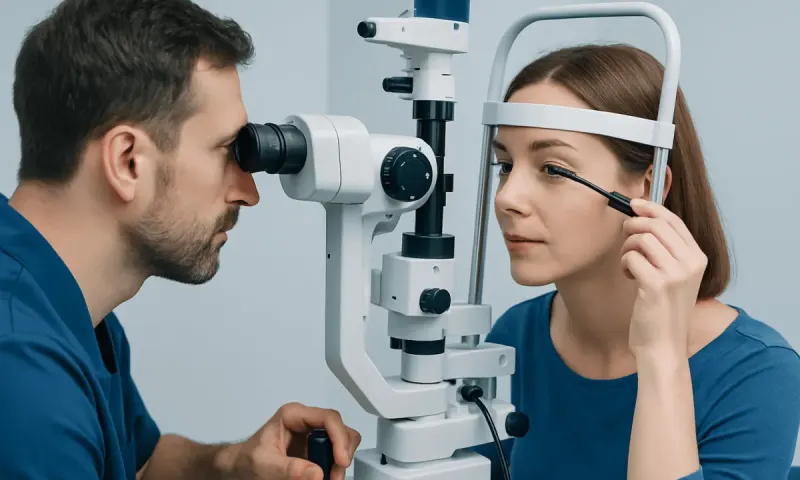
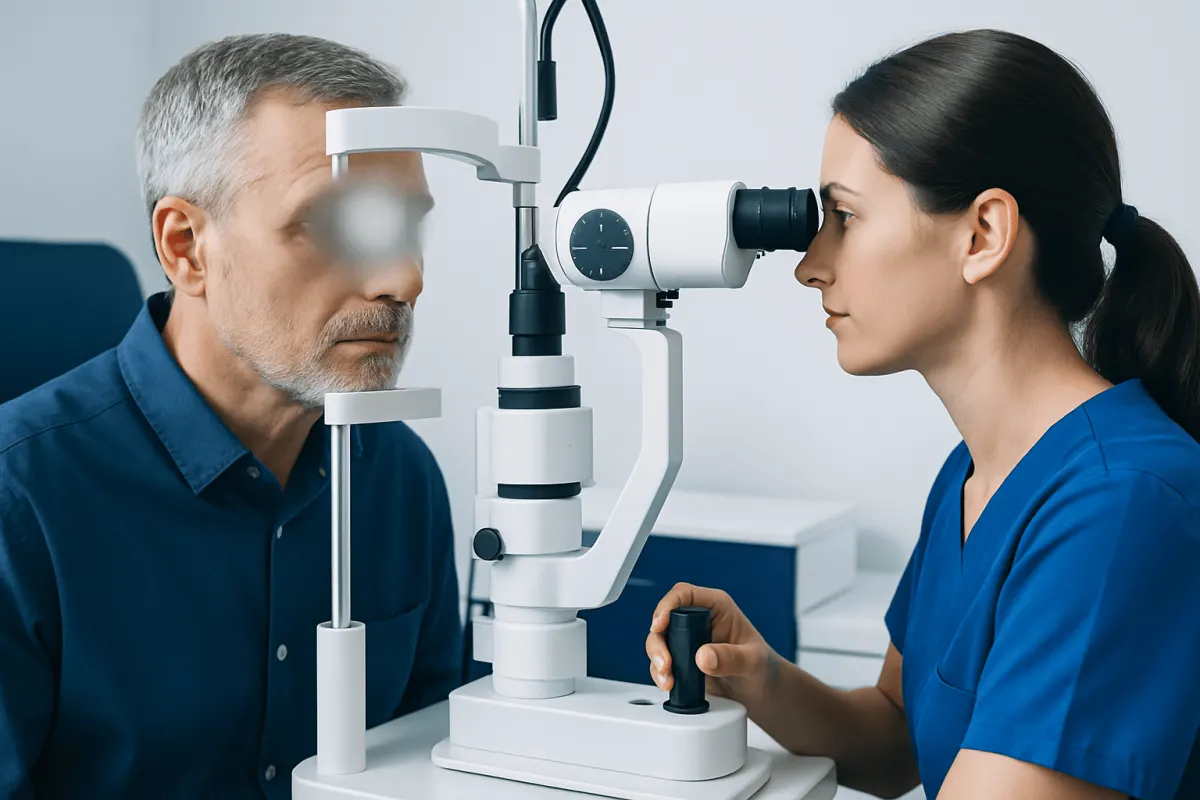
Using a slit lamp, which is a microscope with a focused light, the clinician can see the location and appearance of a cataract. This helps distinguish posterior subcapsular cataract from nuclear cataract, which affects the central lens, and cortical cataract, which typically begins around the lens edges. More than one cataract type can be present in the same eye.
The examination also checks for conditions that can influence vision or surgical planning, including macular degeneration, diabetic retinopathy, glaucoma, corneal disease, and inflammation. If a person’s symptoms are greater than expected from the cataract alone, additional tests may be recommended to understand the full cause of the visual change.
Treatment Options and Timing of Surgery
There are no eye drops, exercises, vitamins, or glasses that can remove an existing cataract. Updated glasses, improved lighting, anti-glare sunglasses, magnifying aids, and adjustments to driving habits may help some people manage mild symptoms temporarily. These measures do not stop the cataract from progressing, but they can support day-to-day comfort while vision remains adequate.
Cataract surgery is the definitive treatment. During the procedure, the cloudy natural lens is removed and replaced with a clear artificial intraocular lens. It is commonly performed as an outpatient procedure using local anesthesia with sedation when appropriate. The technique and lens options are individualized according to eye health, vision goals, work or driving needs, and the presence of other eye conditions.
Surgery is generally considered when cataract-related vision changes interfere with activities that matter to the person, such as reading, work, recognizing faces, cooking, or driving safely. A cataract does not need to be “mature” before surgery is discussed. On the other hand, if symptoms are mild and daily activities are not limited, regular monitoring may be reasonable.
Any surgery has potential risks, including infection, inflammation, pressure changes, retinal complications, or a need for glasses after surgery. An ophthalmologist can explain the expected benefits and risks in the context of the individual eye. Acıbadem Health Point’s multidisciplinary specialists and JCI-accredited hospitals diagnose and treat cataracts for international patients.
Protecting Vision and Managing Risk Factors
Not every posterior subcapsular cataract can be prevented, particularly when it is related to aging or a necessary medical treatment. Still, general eye-health measures may help reduce modifiable risks and support overall vision. Regular eye examinations are particularly valuable for people with diabetes, ongoing inflammatory eye disease, or long-term corticosteroid treatment.
People who use steroid medicines should follow their prescribed plan and attend recommended monitoring appointments. It can be helpful to ask whether the treatment is expected to continue long term and whether periodic eye pressure and lens checks are needed. The benefits of steroids can be very important for many conditions, so treatment decisions should always be made with the prescribing clinician.
Wearing sunglasses that block ultraviolet radiation outdoors, avoiding smoking, managing diabetes carefully, and protecting the eyes during work or sports can support eye health. A balanced eating pattern rich in vegetables, fruits, and other nutrient-dense foods benefits general health, but no specific diet has been proven to reverse a cataract once it has developed.
For glare, practical strategies include using a brimmed hat outdoors, choosing adjustable task lighting, increasing print contrast or font size on screens, and keeping car windshields and glasses clean. A clinician may advise limiting or avoiding night driving if glare makes it unsafe.
When to Seek Medical Care
A routine eye appointment is appropriate when blurred vision, glare, difficulty reading, or changes in night driving gradually develop. An eye professional can determine whether a posterior subcapsular cataract is present and whether glasses, monitoring, or a surgical consultation is the most suitable next step.
Prompt medical assessment is important for sudden vision loss, new flashes of light, a shower of floaters, a curtain-like shadow in vision, severe eye pain, marked redness, nausea with eye pain, or sudden double vision. These symptoms are not typical of an uncomplicated cataract and can signal other eye problems that require urgent care.
People with diabetes, a history of uveitis, previous eye injury, or long-term steroid use should mention these factors during eye visits. Bringing a current list of medicines, including inhalers, creams, injections, and eye drops, can help the eye specialist make a complete assessment.
Frequently asked questions
01Is a posterior subcapsular cataract serious?
A posterior subcapsular cataract is a common form of lens clouding and is usually treatable. It can be particularly bothersome because it often causes glare and reading difficulty early on. An eye examination can determine how much it is affecting vision and whether another eye condition is also present.
02Can posterior subcapsular cataracts go away on their own?
No. Once a cataract has formed, it does not clear on its own. Glasses and lighting adjustments may help with symptoms for a period of time, but cataract surgery is the only way to remove the cloudy lens.
03Do steroids cause posterior subcapsular cataracts?
Long-term corticosteroid use is associated with an increased risk of posterior subcapsular cataracts. The risk depends on factors such as the medicine type, dose, duration, and individual health circumstances. A person should not stop prescribed steroids without medical advice.
04Why is glare worse with this type of cataract?
The cloudy area sits near the back and often near the center of the lens, where it can scatter light entering the eye. This may make headlights, sunlight, and bright screens seem unusually dazzling. It can also reduce contrast and make fine details harder to see.
05When is cataract surgery needed?
Surgery is usually considered when cataract symptoms interfere with everyday activities, safety, work, or independence. The decision is based on a person’s visual needs rather than the cataract’s appearance alone. An ophthalmologist can discuss the likely benefits, limitations, and risks.
06Can a posterior subcapsular cataract return after surgery?
The removed natural lens cataract cannot return. Some people later develop clouding of the capsule that holds the artificial lens, which can create symptoms similar to a cataract. This is often treated with a brief laser procedure when it affects vision.
This article is for general information only and is not a substitute for professional medical advice. Please consult a qualified doctor about your individual situation.
Explore treatments in Turkey — costs, top hospitals & a free quote
JCI-accredited · board-certified surgeons · reply within 24h
Add us as a Preferred Source to see more of our trusted health content across Google Search, AI Overviews and Discover.