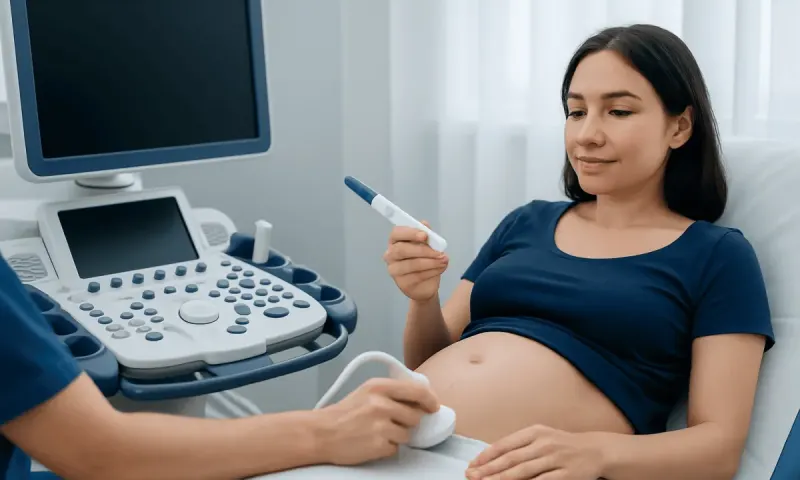
Positive Clear Blue Pregnancy Test: Purpose, Procedure and Results

Key Takeaways
- A positive result on a Clear Blue test usually indicates hCG was detected in urine.
- Testing too early, reading the result outside the recommended time window, or certain medical factors can affect accuracy.
- A blood test or ultrasound may be needed to confirm pregnancy and assess how it is progressing.
- If symptoms such as pain, heavy bleeding, or dizziness occur, medical review is important.
- Pregnancy care can begin before symptoms are obvious, especially after a positive home test.
A positive Clear Blue pregnancy test usually means the test has detected the pregnancy hormone hCG, so pregnancy is likely. The result should be interpreted alongside timing, symptoms, and, when needed, confirmation from a healthcare professional.
Overview
A positive Clear Blue pregnancy test usually means the test has detected human chorionic gonadotropin, or hCG, a hormone produced after implantation. For most people, this result is an early sign that pregnancy is likely, especially when the test is used as directed and read within the recommended time frame.
Clear Blue is a brand of home pregnancy test, and like other urine tests, it is designed to be simple to use rather than to replace medical confirmation. The result can help someone decide the next step, whether that is arranging prenatal care, repeating the test a few days later, or speaking with a doctor if the result feels unexpected.
For Myomectomy Recovery for International Patients: The Usual Travel Timeline" class="ahp-ilk">international patients or those planning care across borders, a home test is often just the starting point. It can guide when to seek laboratory testing, ultrasound assessment, or a consultation with a women’s health specialist who can confirm the pregnancy and discuss what comes next.
How Clear Blue Tests Work

Clear Blue pregnancy tests look for hCG in urine. This hormone starts to rise after a fertilized egg implants in the uterus, which is why tests are more likely to become positive after the first missed period. Some versions are designed to show a simple line or symbol, while digital versions display a written result.
The accuracy of any home test depends on timing, urine concentration, and following the instructions carefully. A first-morning sample may be more helpful in very early pregnancy because it is often more concentrated, but testing at other times can still be valid if enough hCG is present.
A positive result should be read only during the time window stated on the packaging. Marks that appear later can be confusing and may not count as a true positive, so the instructions matter as much as the result itself.
What a Positive Result Means

In most cases, a positive Clear Blue pregnancy test means pregnancy is present. If the test is valid and the person has recently missed a period, the result is generally a strong signal that hCG has been detected and that follow-up care should be planned.
That said, a home test cannot show everything about the pregnancy. It cannot confirm whether the pregnancy is developing in the uterus, whether it is progressing normally, or whether there are one or more pregnancies. Those questions are usually answered with blood tests and ultrasound, depending on timing and symptoms.
Some people feel relieved, while others feel uncertain or overwhelmed. Both responses are normal. A home test gives useful information, but it does not need to be the only source of reassurance; a clinician can help interpret the result in context.
Possible Reasons for a False Positive or Unclear Result
False positive pregnancy tests are uncommon, but they can happen. One reason is that the test was read outside the recommended time frame, which can make an evaporation line look like a faint positive. A damaged or expired test can also be misleading.
Other medical situations can sometimes lead to hCG being present without a typical ongoing pregnancy. These may include recent pregnancy loss, recent childbirth, fertility treatments that contain hCG, or certain rare medical conditions. This is why a positive home test is best followed by confirmation when the result does not match the person’s situation.
There are also false negatives, which matter because a negative result does not always rule out pregnancy if the test is taken too early. If symptoms suggest pregnancy but the test is negative, repeating the test after a short interval or checking with a doctor may be the safest next step.
When and How to Confirm the Result
If a positive Clear Blue pregnancy test is unexpected, confirmation can help clarify the next steps. A clinician may order a blood test to measure hCG more precisely, especially if the pregnancy is very early or if symptoms need closer assessment.
An ultrasound may be recommended later, depending on gestational age and the clinical question. Ultrasound can help confirm the location of the pregnancy and provide information about development, but it is often too early to see much immediately after a first positive urine test.
- Repeat a home test if the timing of the first test was uncertain.
- Arrange a medical appointment if the result is positive and pregnancy care is being planned.
- Seek prompt assessment if there is pain, bleeding, or fainting.
For people traveling for care, it may be helpful to bring the test packaging or a photo of the result to the appointment, along with the date of the last menstrual period and any symptoms.
What to Expect After a Positive Test
After a positive result, the first practical step is usually to estimate how far along the pregnancy may be based on the last menstrual period. This helps a doctor decide when confirmatory testing or an ultrasound is most useful.
Early pregnancy care often includes a review of medications, medical history, lifestyle factors, and any symptoms such as nausea, cramping, or spotting. If conception involved fertility treatment or there is a history of miscarriage or ectopic pregnancy, the follow-up plan may be more specific.
People who are receiving care from another country may benefit from organizing records early, including test dates, cycle information, and previous scans or lab results. Clear documentation makes it easier for the receiving team to provide continuity of care.
Prevention, Self-care, and Support
There is no way to “prevent” a positive pregnancy test once pregnancy has occurred, but there are sensible steps that support health after the result. Until pregnancy is confirmed and medical advice is given, many people choose to avoid alcohol, smoking, and unapproved medications, and to discuss any prescription drugs with a clinician.
A prenatal vitamin with folic acid is commonly recommended once pregnancy is suspected or confirmed, but it is best to choose supplements with guidance from a healthcare professional, especially if there are existing medical conditions. Rest, hydration, and balanced meals can also help during the first weeks when symptoms may still be mild or uncertain.
Emotional support matters too. A positive home test can bring excitement, stress, or mixed feelings, and it is reasonable to take time before making decisions. If care is being sought internationally, a coordinated team can help plan testing, review options, and support recovery or follow-up in a clear and calm way.
Acibadem Health Point’s multidisciplinary specialists and JCI-accredited hospitals diagnose and treat pregnancy-related concerns for international patients, with care plans designed around safe confirmation and follow-up.
When to See a Doctor
Medical review is advisable after a positive Clear Blue pregnancy test when the result needs confirmation, when the person is unsure about dates, or when there are risk factors such as prior ectopic pregnancy, fertility treatment, or recurrent pregnancy loss. Early appointment is also helpful when planning prenatal care.
Some symptoms should prompt timely assessment rather than watchful waiting. These include one-sided pelvic pain, heavy bleeding, shoulder pain, fainting, severe dizziness, or strong abdominal pain. These symptoms do not always mean a serious problem, but they should be checked promptly.
Even without symptoms, a clinician can help interpret what the test means and explain what testing is appropriate next. That guidance is especially valuable when the patient is preparing to travel, recover in another location, or continue care across systems.
Frequently asked questions
01What does a positive Clear Blue pregnancy test mean?
It usually means the test detected hCG, the hormone made after implantation. In most cases, that suggests pregnancy is likely, but a clinician can confirm it if needed.
02Can a Clear Blue pregnancy test be wrong?
Yes, although false positives are uncommon. Reading the test too late, using an expired test, or certain medical situations can affect the result.
03How soon after a missed period should the test be taken?
Many home tests are more reliable after the first missed period because hCG levels are higher by then. If testing earlier, a negative result may need to be repeated a few days later.
04Should a positive home test be confirmed by a doctor?
Confirmation is recommended when the result is unexpected, symptoms are concerning, or pregnancy care needs to begin. A blood test or ultrasound may be used depending on timing.
05Can faint lines mean pregnancy?
A faint line can still indicate a positive result if it appears within the instructed reading time. If the line is unclear or appears later, repeating the test or seeking medical advice is sensible.
06When is urgent care needed after a positive test?
Urgent assessment is important if there is heavy bleeding, severe pain, fainting, or dizziness. These symptoms deserve prompt medical review, even if the home test is positive.
This article is for general information only and is not a substitute for professional medical advice. Please consult a qualified doctor about your individual situation.
Explore treatments in Turkey — costs, top hospitals & a free quote
JCI-accredited · board-certified surgeons · reply within 24h
Add us as a Preferred Source to see more of our trusted health content across Google Search, AI Overviews and Discover.