Polymorphic VT: Causes, Risks, and Urgent Care
Polymorphic VT, short for polymorphic ventricular tachycardia, is an abnormally fast rhythm arising from the heart’s lower chambers. Because it can reduce blood flow and may progress to cardiac arrest, it requires prompt medical evaluation, especially when symptoms occur or it is identified on an ECG.
Overview: what is polymorphic VT?
Polymorphic VT is a type of ventricular tachycardia, meaning a rapid heart rhythm that begins in the ventricles, the heart’s lower pumping chambers. The word “polymorphic” describes the changing appearance of the heartbeat pattern on an electrocardiogram (ECG). In contrast, monomorphic ventricular tachycardia usually has heartbeats with a more uniform ECG shape.
During polymorphic VT, the ventricles may beat so quickly that they do not have enough time to fill and pump blood effectively. This can cause symptoms ranging from palpitations and dizziness to collapse. Some episodes stop by themselves, while others continue or deteriorate into ventricular fibrillation, a life-threatening rhythm that prevents the heart from pumping blood normally.
A well-known form is torsades de pointes, a French term meaning “twisting of the points.” It occurs in the setting of a prolonged QT interval on the ECG, which reflects delayed recovery of the heart’s electrical system between beats. Polymorphic VT can also occur with a normal QT interval, commonly during acute reduced blood flow to the heart muscle or in certain inherited rhythm conditions.
How polymorphic VT may feel
Symptoms depend on how fast the rhythm is, how long it lasts and whether the heart can maintain adequate blood flow. A person may notice a sudden pounding, fluttering or racing sensation in the chest. They may also feel weak, light-headed, unusually tired, short of breath, nauseated or sweaty.
Reduced blood flow to the brain can cause near-fainting or fainting. Chest discomfort may occur, particularly if polymorphic VT is linked to reduced blood supply to the heart. However, symptoms alone cannot determine the type of rhythm problem; an ECG or heart monitor recording is needed to identify polymorphic VT accurately.
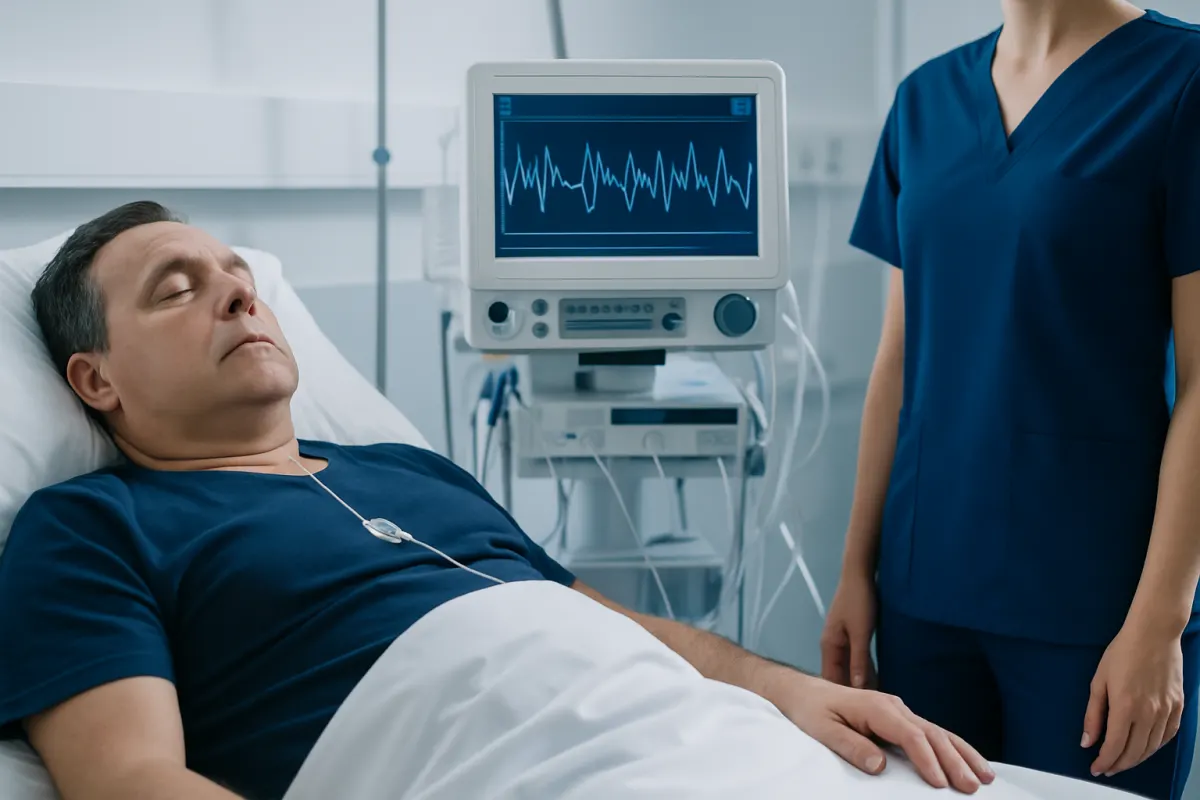
In some people, especially those who already have an implanted cardiac device or continuous heart monitoring in hospital, an episode may be detected before it causes noticeable symptoms. A sudden collapse, loss of responsiveness or absent normal breathing may indicate cardiac arrest and needs immediate emergency action.
- Palpitations or a very fast heartbeat
- Dizziness, weakness or feeling faint
- Fainting or unexplained falls
- Chest pain, pressure or breathlessness
- Sudden collapse or unresponsiveness
Causes and factors that can increase risk

The causes of polymorphic VT differ according to whether the QT interval is prolonged. Torsades de pointes is often associated with acquired QT prolongation, which can result from low potassium, magnesium or calcium levels; severe illness; marked slowing of the heart rate; or medications that affect cardiac electrical recovery. Several types of medicines may have this effect, including some treatments for rhythm disorders, infections, nausea and mental health conditions.
Some people have an inherited tendency to QT prolongation, known as congenital long QT syndrome. Other inherited electrical conditions, including catecholaminergic polymorphic ventricular tachycardia and Brugada syndrome, can also raise the risk of dangerous ventricular rhythms. A family history of unexplained fainting, seizures, sudden death at a young age or known inherited heart disease is important to discuss with a clinician.
Polymorphic VT with a normal QT interval may be caused by acute ischemia, meaning insufficient blood flow to the heart muscle, often related to coronary artery disease or a heart attack. Previous heart damage, heart failure, inflammation of the heart muscle, structural heart conditions, stimulant drug use and severe physical stress can contribute. Risk is assessed individually, because many people with one risk factor will not develop this arrhythmia.
How doctors diagnose and assess it
An ECG recorded during the episode is the key test for diagnosis. It shows a fast ventricular rhythm with QRS complexes that vary in shape and direction. Clinicians also measure the QT interval and consider the person’s symptoms, medical history, medications and circumstances around the event, such as exercise, illness or a recent medication change.
When episodes come and go, a wearable Holter monitor, event monitor or implantable loop recorder may help capture the rhythm. Blood tests can check potassium, magnesium, calcium, kidney function and other factors that may influence the heart rhythm. Reviewing all prescribed medicines, over-the-counter products and supplements is essential, since interactions can sometimes contribute to QT prolongation.
Further testing may include an echocardiogram to assess heart structure and pumping function, coronary imaging or angiography when reduced blood flow is suspected, and cardiac magnetic resonance imaging in selected cases. Genetic counseling and testing may be considered when an inherited rhythm disorder is suspected. These assessments help determine both immediate risk and the most appropriate long-term plan.
Treatment options and ongoing care
Polymorphic VT is treated as an urgent rhythm problem when it is sustained, causes symptoms or affects blood pressure and consciousness. In an unstable person, clinicians may use immediate electrical cardioversion or defibrillation to restore a safe rhythm. If cardiac arrest occurs, emergency responders provide cardiopulmonary resuscitation and defibrillation as appropriate.
For torsades de pointes, treatment generally includes stopping or replacing a medicine that may prolong the QT interval when medically appropriate and correcting electrolyte abnormalities. Intravenous magnesium is commonly used in acute care, even if the blood magnesium level is not clearly low. Depending on the situation, clinicians may also address a very slow heart rate or use temporary pacing or other measures to prevent recurrent episodes.
When polymorphic VT is related to acute coronary ischemia, urgent treatment targets restoration of blood flow to the heart and management of the underlying coronary condition. For some people at ongoing risk, treatment may include medication, catheter ablation in carefully selected circumstances, or an implantable cardioverter-defibrillator (ICD). An ICD can recognize certain dangerous rhythms and deliver therapy to stop them, but the decision requires individualized discussion with a heart rhythm specialist.
Long-term care also includes a tailored review of activities, medications and follow-up monitoring. Acıbadem Health Point’s multidisciplinary specialists and JCI-accredited hospitals diagnose and treat complex heart rhythm conditions for international patients, with care plans based on the underlying cause and the person’s clinical needs.
Prevention and practical self-care
Not every case of polymorphic VT can be prevented, particularly when an inherited condition is involved. However, identifying and managing reversible factors can reduce risk. People should take medicines exactly as prescribed and should not stop heart medicines suddenly without medical advice. Before starting a new prescription, non-prescription medicine or supplement, it is sensible to ask a doctor or pharmacist whether it may affect the QT interval or interact with current treatment.
Maintaining adequate hydration and following advice about nutrition can help support normal electrolyte balance, especially during vomiting, diarrhea or use of medicines that may alter fluid levels. People with kidney disease, heart failure or other conditions requiring fluid restriction should follow their own clinician’s recommendations rather than increasing fluids independently.
Those diagnosed with an inherited rhythm disorder may receive specific guidance about exercise, fever management, medication avoidance and family screening. A written emergency plan can be helpful. If an ICD has been implanted, regular device checks and prompt reporting of shocks, symptoms or signs of infection around the device site are important.
When to seek medical care
Emergency medical care is needed for sudden collapse, loss of consciousness, severe chest pain, severe shortness of breath, or a racing heartbeat accompanied by dizziness, confusion or near-fainting. If a person is unresponsive and not breathing normally, bystanders should call local emergency services immediately, begin CPR if trained and use an automated external defibrillator if one is available.
Urgent medical advice is also appropriate after an unexplained fainting episode, particularly during exercise or when there is a family history of sudden cardiac death or inherited heart rhythm disease. A person who develops new palpitations after starting or changing a medication should contact a healthcare professional promptly, especially if they also feel dizzy or unwell.
People who have been treated for polymorphic VT should attend follow-up appointments even when they feel well. Follow-up allows the care team to reassess symptoms, ECG findings, medication safety, electrolyte levels and any device data, while answering questions about daily activities and long-term risk.
Frequently asked questions
01Is polymorphic VT always dangerous?
Polymorphic VT can be dangerous because it may significantly reduce blood flow and can sometimes progress to ventricular fibrillation or cardiac arrest. The level of risk depends on the cause, duration, symptoms and the person’s underlying heart health. Any suspected episode should be assessed promptly by a medical professional.
02What is the difference between polymorphic VT and torsades de pointes?
Torsades de pointes is a particular type of polymorphic VT that occurs with a prolonged QT interval. Not all polymorphic VT is torsades de pointes, because polymorphic VT can also occur with a normal QT interval, such as during acute coronary ischemia. This distinction guides emergency treatment and longer-term evaluation.
03Can medications cause polymorphic VT?
Yes. Some medications can prolong the QT interval and increase the chance of torsades de pointes, especially when combined with low potassium or magnesium, slow heart rate, kidney problems or other QT-prolonging medicines. A clinician or pharmacist can review a person’s medication list and advise on safer alternatives when needed.
04Can polymorphic VT occur in people without known heart disease?
It can, although it is less common. Inherited electrical disorders, medication effects and electrolyte disturbances may cause polymorphic VT even when the heart’s structure appears normal. Evaluation is important because identifying the cause can help protect the person and, in some cases, inform screening for relatives.
05Will an ECG always detect polymorphic VT?
An ECG can diagnose polymorphic VT if it is recorded during the episode. Because episodes may be brief or intermittent, a routine ECG between symptoms can be normal. A Holter monitor, event monitor or implantable monitor may be used to capture occasional episodes.
06Can exercise trigger polymorphic VT?
Exercise can trigger arrhythmias in some people, particularly those with certain inherited rhythm conditions or underlying heart disease. However, exercise is not the cause in every case, and activity advice should be individualized after evaluation. People with fainting, chest symptoms or palpitations during exercise should stop activity and seek medical assessment.
This article is for general information only and is not a substitute for professional medical advice. Please consult a qualified doctor about your individual situation.
Persistent digestive symptoms? Get evaluated in Turkey
JCI-accredited · board-certified surgeons · reply within 24h
Add us as a Preferred Source to see more of our trusted health content across Google Search, AI Overviews and Discover.