Polycystic Ovarian Syndrome Hair Growth: Causes, Symptoms, Diagnosis and Treatment

Key Takeaways
- PCOS hair growth is usually linked to higher androgen levels and is often called hirsutism.
- The pattern of hair growth, menstrual history, and other hormone-related symptoms help doctors assess whether PCOS may be involved.
- Treatment often combines hormone management with cosmetic hair-removal methods for best results.
- Lifestyle measures can support hormonal balance, especially when insulin resistance or weight changes are part of the picture.
- Improvement is usually gradual, so patience and regular follow-up are important.
Polycystic ovarian syndrome hair growth usually refers to hirsutism, or excess coarse hair growth in areas more typical of male-pattern hair distribution. It is a common symptom of PCOS and can often be managed with the right mix of medical care, hair-removal strategies, and long-term follow-up.
Overview
Polycystic ovarian syndrome hair growth is one of the most recognizable signs of PCOS. It usually shows up as thicker or darker hair on the upper lip, chin, jawline, chest, abdomen, back, or inner thighs. In medical terms, this pattern is called hirsutism, and it happens when the body has a higher-than-usual response to androgens, sometimes called “male hormones,” even though they are present in all women.
For many people, the hair growth is not only a cosmetic concern. It can be a clue that hormones, ovulation, or metabolism are out of balance. Because PCOS can affect more than one body system, the first step is usually to understand the whole picture rather than focusing on the hair alone.
PCOS-related hair growth often develops slowly. A person may notice that tweezing or threading no longer keeps up, that facial hair returns quickly, or that the hair is becoming coarser over time. A careful evaluation helps confirm the cause and guide treatment that fits both symptoms and long-term health goals.
Symptoms
The most visible symptom is unwanted hair in areas that tend to be sensitive to androgen hormones. This may include dark hair growth on the face, nipples, lower abdomen, chest, or lower back. Some people also notice acne, oily skin, scalp hair thinning, or irregular periods alongside the extra hair.
PCOS hair growth can vary from mild to more noticeable patterns. It may be especially distressing when it affects the face, because the change is visible and often difficult to hide. The emotional impact matters, and it is common for people to feel self-conscious, frustrated, or tired of managing the same hairs repeatedly.
Other signs that may point toward PCOS include skipped periods, trouble with ovulation, weight gain around the abdomen, or a history of insulin resistance. Not everyone with unwanted hair has PCOS, and not everyone with PCOS has obvious hair growth, so the combination of symptoms matters.
- Thicker or darker hair on the face, chest, abdomen, or back
- Irregular or infrequent menstrual periods
- Acne or oily skin
- Scalp hair thinning
- Weight changes or difficulty losing weight
Causes & Risk Factors
The main driver of polycystic ovarian syndrome hair growth is androgen excess or increased sensitivity to androgens. In PCOS, the ovaries and sometimes the adrenal glands may produce more androgens than expected, which can stimulate coarse hair growth in areas where it is less common.
Insulin resistance is often part of the same picture. When the body has to produce extra insulin to keep blood sugar stable, that hormonal environment can encourage the ovaries to make more androgens. This is one reason PCOS is closely tied to metabolism as well as reproductive health.
Risk factors are not identical for everyone, but a family history of PCOS, irregular cycles from a young age, weight gain, and signs of insulin resistance can make PCOS more likely. It is also important to remember that other conditions can mimic PCOS, including thyroid disorders, elevated prolactin, and certain adrenal or ovarian conditions, which is why assessment should be thorough.
Diagnosis
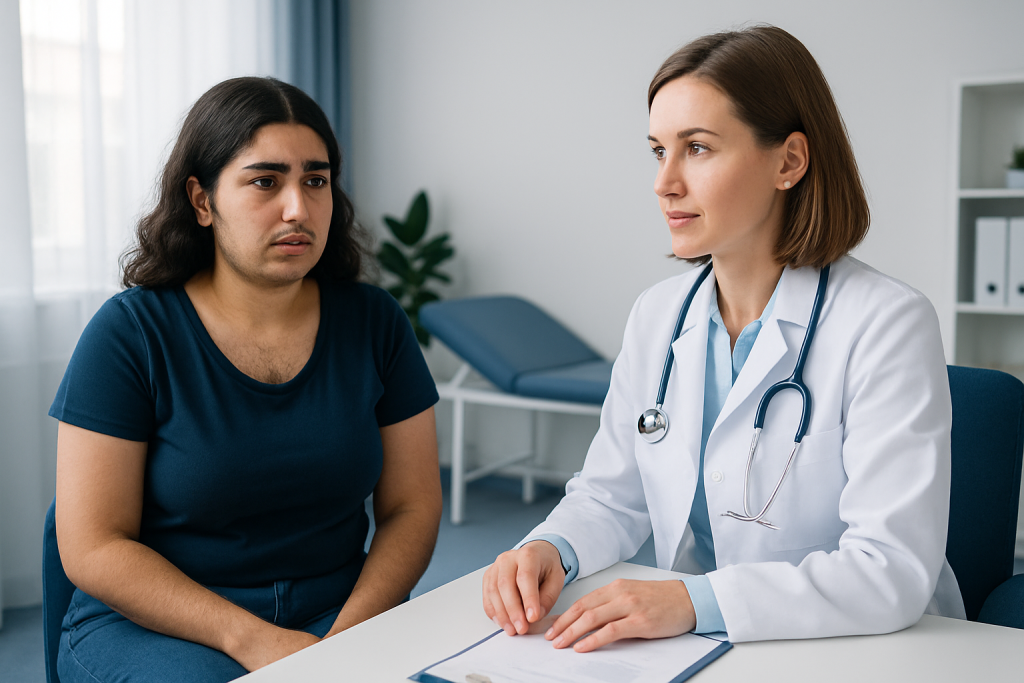
Diagnosis usually begins with a detailed medical history. A clinician will ask about menstrual patterns, hair growth, acne, scalp thinning, fertility concerns, and any recent changes in weight or medications. The pattern and timing of hair growth often provide useful clues.
A physical examination may look for signs such as excess hair in androgen-sensitive areas, acne, or body-hair distribution typical of hirsutism. Blood tests are often used to check hormone levels and to rule out other causes of similar symptoms. Depending on the situation, doctors may also evaluate blood sugar, cholesterol, and thyroid function.
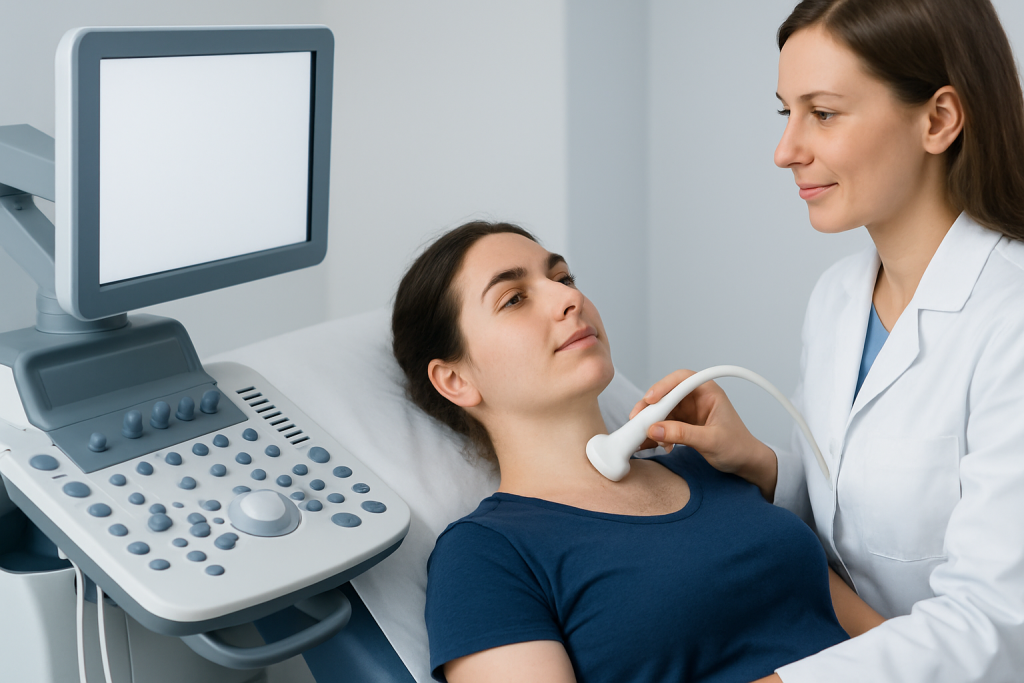
An ultrasound may be recommended in some cases, especially if the diagnosis is unclear or if fertility concerns are present. Still, PCOS is not diagnosed by ultrasound alone. Doctors usually combine symptoms, lab findings, and cycle history to decide whether PCOS is the best explanation.
For international patients, a coordinated evaluation can be helpful because several tests may need to be arranged efficiently during one visit, with results reviewed together rather than in pieces.
Treatment Options
Treatment for PCOS-related hair growth often works best in layers. One part addresses the hormone imbalance; another focuses on removing or reducing existing hair. Since hair follicles respond slowly, treatment is usually measured in months rather than days.
Hormonal treatments may be considered when appropriate, especially if contraception is also desired. Some options are used to lower androgen effects or regulate cycles, but the right choice depends on a person’s overall health, fertility plans, and other medical conditions. A doctor should always guide this decision.
Cosmetic and dermatologic methods can make a practical difference while medical treatment takes effect. These may include shaving, threading, waxing, depilatory creams, laser hair reduction, or electrolysis. Laser and electrolysis are often considered when longer-term reduction is the goal, though the best method depends on hair color, skin tone, and personal preference.
In some cases, doctors may discuss medications that support hormonal balance and help reduce hirsutism over time. If insulin resistance is present, improving metabolic health may also help the overall PCOS picture. Because responses differ from person to person, treatment plans are usually individualized and adjusted over follow-up visits.
Prevention & Self-care
PCOS cannot always be prevented, but symptoms can often be managed more comfortably with steady self-care. For people with insulin resistance or weight-related concerns, gradual lifestyle changes such as balanced eating, regular movement, and better sleep routines may support hormone regulation and energy levels.
For hair management, gentle skin care helps reduce irritation from repeated removal. Using a clean razor, avoiding overplucking, and giving skin time to recover after waxing or threading can reduce redness and discomfort. If acne or dark marks are also present, a dermatologist may suggest products that are less likely to aggravate the skin.
It can also help to keep a simple symptom log. Tracking cycle changes, new hair growth, acne flare-ups, and any treatment side effects gives both the patient and doctor a clearer picture of what is improving and what still needs attention. This is especially useful when care continues across countries or between providers.
When to See a Doctor
A medical evaluation is advisable when unwanted hair growth is new, progressing quickly, or accompanied by changes in menstrual cycles, acne, scalp hair thinning, or difficulty becoming pregnant. It is also wise to seek care if self-care methods are no longer enough or if the emotional impact is becoming hard to manage.
Prompt assessment is important if hair growth appears suddenly or is accompanied by deeper voice changes, rapid muscle changes, or other signs of hormone imbalance that do not fit the usual PCOS pattern. Those findings do not automatically mean something serious, but they do deserve medical review.
For people traveling for care, a well-planned consultation can save time and make follow-up easier once they return home. Acibadem Health Point’s multidisciplinary specialists and JCI-accredited hospitals diagnose and treat PCOS-related concerns for international patients with coordinated, physician-led care.
Living With PCOS Hair Growth
Many people find that the best results come from combining practical hair-removal methods with a long-term medical plan. This approach can reduce the daily burden of visible hair while also addressing the hormonal reason it keeps returning. Progress may be gradual, but it is still meaningful when symptoms become easier to manage.
It is also helpful to view PCOS as a condition that deserves follow-up, not a one-time fix. Hormones, skin, cycles, and metabolic health can change over time. Regular reassessment helps treatment stay aligned with current symptoms, fertility goals, and overall health priorities.
Support from a clinician who listens carefully can make a real difference. When patients understand why the hair growth is happening and what the options are, they are better prepared to choose care that feels realistic, respectful, and sustainable.
Frequently asked questions
01Is hair growth always caused by PCOS?
No. PCOS is a common cause of excess coarse hair growth, but it is not the only one. Thyroid problems, adrenal conditions, certain medications, and other hormone disorders can also play a role, so a doctor should confirm the cause.
02Can PCOS hair growth go away on its own?
It usually does not disappear without treatment, especially if the hormonal imbalance continues. Some people notice improvement when cycles are regulated and androgen effects are reduced, but visible hair often needs both medical and cosmetic management.
03Which treatment works fastest for PCOS hair growth?
Hair removal methods such as shaving, threading, waxing, laser, or electrolysis can improve appearance more quickly than hormone treatment alone. Medical therapies may help prevent new growth over time, but they tend to work gradually.
04Does losing weight cure PCOS hair growth?
Weight change is not a cure, and not everyone with PCOS needs to lose weight. Still, for people with insulin resistance or weight-related hormone changes, healthy lifestyle changes may help improve symptoms and support overall management.
05Can PCOS affect fertility as well as hair growth?
Yes. PCOS can affect ovulation, which may make pregnancy harder to achieve for some people. Hair growth is only one part of the condition, so doctors often look at menstrual health and fertility goals at the same time.
06Should someone see a dermatologist or a gynecologist first?
Either can be a good starting point, and many patients benefit from both. A gynecologist, endocrinologist, or dermatologist may help depending on the main concern, and coordinated care is often the most efficient approach.
This article is for general information only and is not a substitute for professional medical advice. Please consult a qualified doctor about your individual situation.
Hair transplant in Turkey — costs, graft counts & a free assessment
JCI-accredited · board-certified surgeons · reply within 24h
Add us as a Preferred Source to see more of our trusted health content across Google Search, AI Overviews and Discover.