Pleurodesis: Uses, Procedure and Risks

Key Takeaways
- Pleurodesis is used to reduce repeated buildup of pleural fluid or air around the lung.
- It works by making the lung lining and chest wall stick together so there is less space for fluid or air to collect.
- The procedure may be done with a tube in the chest or during a thoracoscopic procedure.
- Recovery focuses on breathing comfort, drain care if needed, and follow-up imaging or visits.
- A doctor may recommend pleurodesis after reviewing the cause of the pleural problem and the person’s overall health.
Pleurodesis is a procedure used to help the lung stay expanded by creating gentle adhesion between the lung lining and chest wall. It is often considered when fluid or air keeps returning to the pleural space and symptoms affect breathing or daily life.
Overview
Pleurodesis is a treatment designed to stop a lung from repeatedly collapsing or to keep fluid from building up again in the space between the lung and the chest wall, known as the pleural space. Rather than treating only the symptoms for a short time, the procedure aims to change the pleural surfaces so they no longer slide freely against each other.
That idea can sound dramatic, but the process is usually planned in a careful and controlled way. A doctor introduces a substance or uses another method to irritate the pleural layers just enough to prompt healing and adhesion. Over time, the space where air or fluid collects becomes smaller or closes off.
This treatment is commonly discussed when pleural effusion keeps returning, especially with certain cancers, or when spontaneous pneumothorax recurs. For an international patient, the decision often comes after imaging, drainage procedures, and a conversation about how long symptoms have been affecting breathing, travel, work, or sleep.
Symptoms and When Pleurodesis May Be Considered
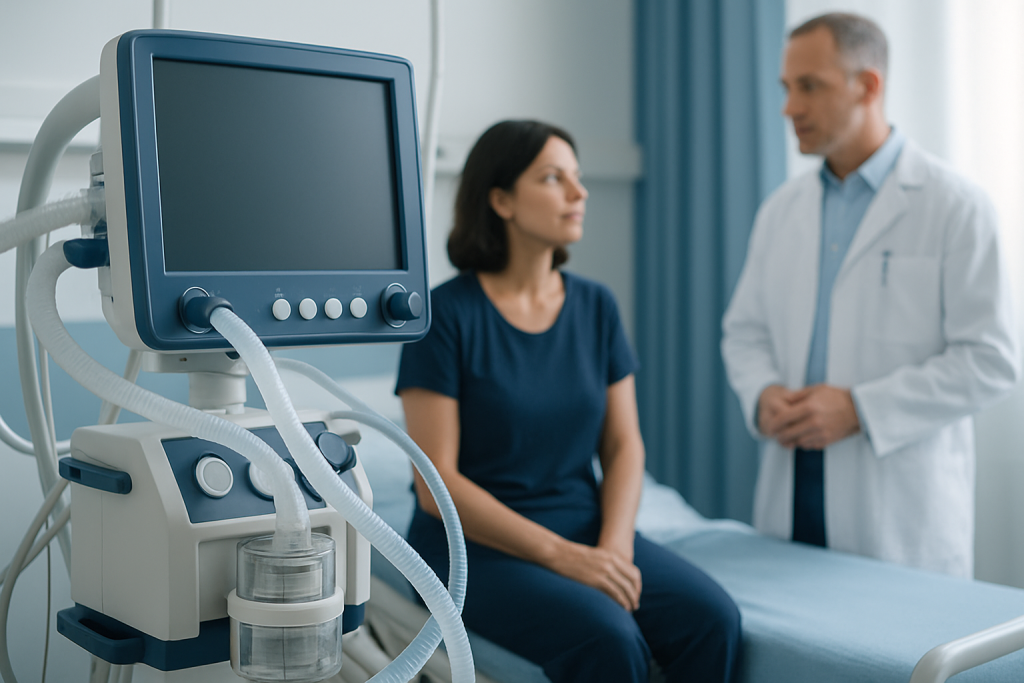
Pleurodesis is not a symptom in itself; it is a procedure considered because of a pattern of symptoms and test findings. People may experience shortness of breath, chest tightness, cough, or discomfort when fluid or air collects around the lung. Some notice that symptoms improve after drainage but then return when the pleural space fills again.
In many cases, the question becomes not only how to relieve the current episode, but how to reduce the chance of repeated episodes. That is especially important when repeated hospital visits, drainage procedures, or prolonged chest tube use are likely to interfere with everyday life or travel plans.
Doctors may discuss pleurodesis when the person has:
- Recurrent pleural effusion
- Recurrent pneumothorax
- Persistent air leak after lung collapse
- Symptomatic fluid buildup that keeps returning after drainage
The procedure is chosen based on the underlying cause, overall lung function, and whether the lung can expand enough for the pleural layers to adhere properly.
Causes and Risk Factors

Pleurodesis itself does not cause a disease; it is used because of another condition affecting the pleura. One common reason is malignant pleural effusion, where cancer-related fluid builds up around the lungs. It may also be used for noncancerous recurrent effusions, especially when repeated drainage is expected to continue.
Another common setting is pneumothorax, a collapse caused by air entering the pleural space. People who have had more than one episode, or who have a persistent air leak, may be offered pleurodesis to help prevent recurrence. The exact choice depends on age, lung condition, smoking history, and whether the lung fully re-expands after treatment.
Factors that can influence the decision include:
- How often the pleural problem has returned
- Whether the lung re-expands after drainage
- Underlying cancer, infection, or inflammatory disease
- General fitness for a procedure and anesthesia
In some patients, doctors may recommend a different approach if the lung cannot fully expand or if the person’s condition makes pleurodesis less likely to work well.
Diagnosis and Pre-Procedure Evaluation
Before pleurodesis is planned, the team needs to understand exactly what is happening in the chest. This usually begins with a medical history, physical examination, and imaging such as a chest X-ray or CT scan. Ultrasound may also be used to guide drainage and to assess how much fluid is present.
If fluid is collected, it may be removed and tested to help identify the cause. A doctor may review whether the lung expands after drainage, because a fully or mostly expanded lung is usually needed for pleurodesis to be effective. If the lung remains trapped or does not expand well, another treatment may be more appropriate.
Patients are often asked about medications, allergies, recent infections, and prior chest procedures. For those traveling for treatment, this evaluation is especially important because it helps coordinate the procedure, hospital stay, and post-procedure follow-up in a way that is practical and safe.
Treatment Options
Pleurodesis can be performed in more than one way. The most common methods use a chest tube or a thoracoscopic approach, depending on the cause of the pleural problem and the patient’s condition. In either case, the goal is to bring the pleural surfaces into contact so they can adhere during the healing response.
One approach is chemical pleurodesis. A substance such as talc is introduced into the pleural space through a chest tube or during a procedure done with a camera-assisted scope. This causes controlled irritation and inflammation that leads to adhesion. Another approach is mechanical pleurodesis, which may be done during surgery by gently roughening the pleural surfaces to encourage them to stick together.
Some patients have the procedure while already in the hospital for drainage of fluid or air. Others undergo thoracoscopy if a surgeon or pulmonologist needs direct visual access to the chest cavity. The choice depends on the medical problem, how urgent the situation is, and whether a more definitive look inside the chest is needed.
Possible short-term effects can include chest discomfort, fever, or temporary breathing soreness. These are usually managed with supportive care. The care team also watches for signs that the lung is staying expanded and that fluid or air is not building up again.
Recovery and Aftercare
Recovery after pleurodesis varies depending on the method used and the person’s overall health. If a chest tube is placed, it may remain for a period of time so the team can monitor drainage and lung expansion. Breathing exercises, pain control, and careful movement are often part of the recovery plan.
Many patients want to know what life looks like after they leave the hospital, especially if they are returning home to another country. Follow-up can include imaging, a clinic visit, and instructions about wound care or symptoms to watch for. Clear discharge guidance is particularly valuable when recovery will continue across different time zones and healthcare systems.
Helpful aftercare measures often include:
- Taking prescribed medicines as directed
- Doing gentle breathing exercises if recommended
- Keeping follow-up appointments and scans
- Reporting worsening breathlessness, fever, or increasing chest pain
- Avoiding smoking and discussing activity limits with the care team
The recovery timeline depends on whether the procedure was done through a chest tube or surgery, and on the condition being treated. Most patients benefit from a clear plan for what is normal, what is not, and who to contact if questions arise after discharge.
Prevention and Self-care
There is no way to prevent every condition that leads to pleurodesis, but self-care can reduce strain on the lungs and support overall recovery. The most useful step for many patients is to address the underlying cause, whether that involves treatment for cancer, managing a chronic lung problem, or following advice after a pneumothorax.
People who smoke are usually encouraged to stop, because smoking can worsen lung health and increase the risk of some pleural problems returning. Good hydration, balanced nutrition, and steady follow-up care also support healing, especially after drainage or surgery.
For patients recovering away from home, self-care also means practical planning. Keeping copies of imaging reports, procedure notes, and discharge instructions can make follow-up smoother if care continues with another doctor abroad. It is also wise to know which symptoms should trigger urgent medical attention rather than waiting for the next appointment.
When to See a Doctor
A doctor should be contacted if shortness of breath returns, chest discomfort increases, or a known pleural effusion or pneumothorax seems to be coming back. People who have had pleurodesis should also seek advice if they develop fever, worsening cough, drainage problems, or redness around a chest tube site or incision.
After the procedure, it is important to follow the care team’s instructions about activity, wound care, and follow-up imaging. Even if symptoms improve quickly, the underlying condition still needs monitoring to make sure the pleural space remains stable.
International patients often benefit from planning follow-up before returning home, including knowing which doctor will review scans and what to do if symptoms change during travel. At Acibadem Health Point, multidisciplinary specialists and JCI-accredited hospitals diagnose and treat pleural conditions for international patients, with coordinated care that supports both the procedure and the recovery process.
Frequently Asked Questions
Is pleurodesis a surgery?
Pleurodesis is a procedure, and it may be done with or without surgery. Some patients have it through a chest tube at the bedside, while others have it during a thoracoscopic operation.
Does pleurodesis hurt?
It can cause discomfort, especially while the chest is healing or if a tube is in place. The care team usually offers pain relief and supportive measures to make recovery more manageable.
Will pleurodesis cure the underlying disease?
Pleurodesis helps control the pleural problem, but it does not treat every underlying cause by itself. For example, if cancer, infection, or lung disease is contributing to the fluid or air buildup, that condition also needs treatment.
How long does recovery take?
Recovery depends on the method used and the person’s overall health. Some patients recover over days, while others need longer follow-up if surgery or a chest tube was involved.
Can pleurodesis be repeated?
It can be considered in selected situations, but doctors first review why the earlier treatment did not fully work. They may recommend a different approach if the lung did not expand well or if another condition is affecting the pleura.
Is pleurodesis safe for older adults or people with other illnesses?
It may still be an option, but the team will look closely at lung function, general condition, and the likely benefit. The safest plan is individualized after a full medical evaluation.
What should an international patient bring to the consultation?
It helps to bring prior scans, pathology reports, medication lists, and notes from previous chest procedures. These details help the team decide whether pleurodesis is appropriate and how follow-up should be organized after travel.
This article is for general information only and is not a substitute for professional medical advice. Please consult a qualified doctor about your individual situation.
Explore treatments in Turkey — costs, top hospitals & a free quote
JCI-accredited · board-certified surgeons · reply within 24h
Add us as a Preferred Source to see more of our trusted health content across Google Search, AI Overviews and Discover.