Pitting Edema: Causes and Treatment

Key Takeaways
- Pitting edema leaves a temporary dent when pressed, which helps distinguish it from some other kinds of swelling.
- Common causes include heart, kidney, liver, vein, lymphatic, or medication-related problems, as well as pregnancy and prolonged standing.
- Diagnosis focuses on finding the underlying cause, not only reducing the swelling.
- Treatment may include managing the cause, adjusting medicines, compression, leg elevation, and salt reduction when appropriate.
- Seek medical care promptly for one-sided swelling, shortness of breath, chest pain, redness, pain, or rapid worsening.
Pitting edema is a type of swelling caused by fluid collecting in the tissues, often in the feet, ankles, or legs. It is usually a sign of an underlying issue that deserves medical evaluation, especially if it appears suddenly or comes with other symptoms.
Overview
Pitting edema is swelling that briefly keeps the shape of a finger or thumb when pressure is applied to the skin. In everyday life, people often notice it first at the ankles, tops of the feet, shins, or lower legs, especially after a long day of sitting or standing. The swelling may look mild at first, yet it can be an important clue that the body is holding onto extra fluid or that circulation is not working as it should.
It is not a diagnosis on its own. Instead, it is a physical sign that can point to a wide range of conditions, from something temporary and manageable to an issue that needs prompt treatment. For international patients planning evaluation abroad, understanding that pitting edema is a starting point for investigation—not the final answer—can make the care journey feel more organized and less uncertain.
Doctors look at whether the swelling is new or longstanding, whether it affects one side or both, and whether it is paired with symptoms such as breathlessness, fatigue, pain, or skin changes. Those details help narrow the cause and guide the next steps.
Symptoms
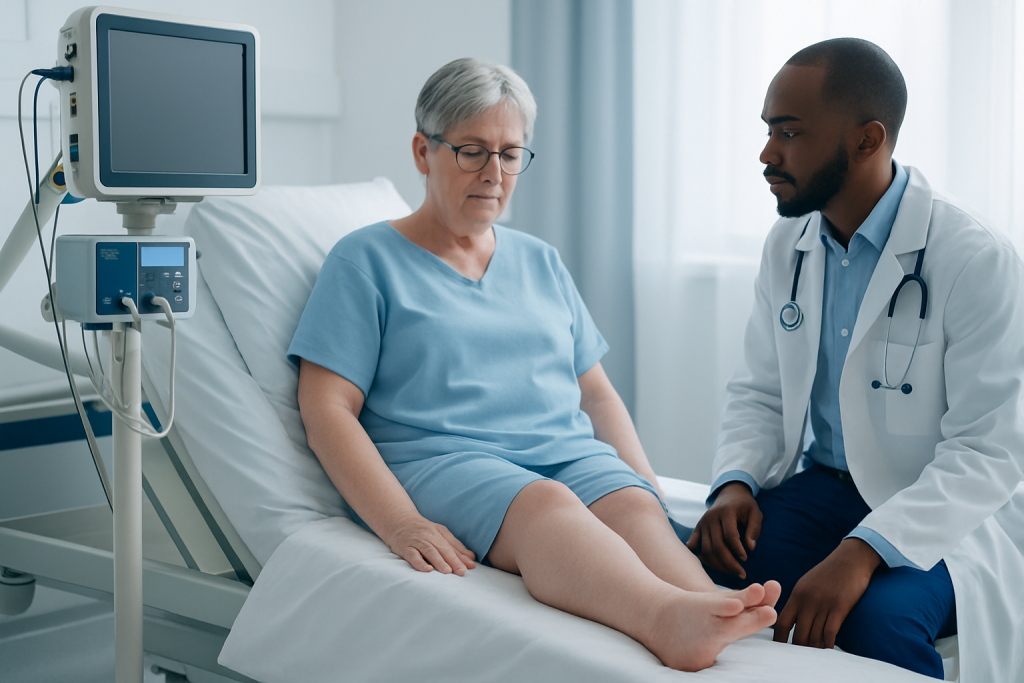
The hallmark of pitting edema is the indentation that remains after pressure is applied to the swollen area. This “pit” usually fades after a few seconds, but the depth and how long it lasts can help a clinician judge how significant the swelling is.
Other signs often travel with the swelling. People may notice shoes feeling tight, socks leaving deep marks, skin appearing stretched or shiny, or the legs feeling heavy and uncomfortable. When the swelling is more advanced, walking may feel awkward, and the skin may become more prone to irritation.
Symptoms that suggest a more urgent or complex cause include:
- Shortness of breath or trouble lying flat
- Swelling in only one leg
- Pain, warmth, or redness in the swollen area
- Sudden weight gain over a short time
- Reduced urine output or foamy urine
- Yellowing of the skin or eyes
Because pitting edema can look similar across many conditions, the surrounding symptoms matter as much as the swelling itself. A careful symptom history often gives the first reliable clue.
Causes & Risk Factors

Pitting edema develops when fluid escapes from blood vessels and collects in nearby tissues, or when the body is not able to move that fluid back efficiently. Several systems can be involved, which is why the cause often needs a broad medical review rather than a quick assumption.
Common underlying causes include heart failure, kidney disease, liver disease, Venous Insufficiency: Symptoms, Causes and Treatment" class="ahp-ilk">chronic venous insufficiency, blood clots, lymphedema, and certain medications such as some blood pressure medicines, steroids, or anti-inflammatory drugs. Pregnancy, high salt intake, prolonged immobility, and long periods of standing or sitting can also contribute, particularly when another condition is already present.
Risk factors vary by cause, but often include older age, a history of heart, kidney, or liver disease, varicose veins, recent surgery or travel, pregnancy, obesity, and medicines that promote fluid retention. For patients arranging care across borders, it helps to bring a current medication list and any prior test results, because those details can reveal a medication-related or chronic pattern that is easy to miss without the full history.
Some causes affect both legs evenly, while others are more likely to cause one-sided swelling. That distinction matters, because one-sided swelling can suggest a local problem such as a clot or injury, whereas symmetrical swelling often points toward a systemic issue.
Diagnosis
Diagnosis begins with a conversation and physical examination. The doctor will ask when the swelling started, whether it comes and goes, which body areas are affected, and whether there are associated symptoms such as chest discomfort, breathlessness, pain, or skin discoloration. They may also ask about recent travel, immobility, surgery, infection, and medication use.
During the exam, the clinician checks whether the swelling is pitting, whether it is equal on both sides, and whether there are signs of poor circulation, heart strain, liver disease, kidney problems, or a clot. This bedside assessment often shapes the rest of the workup.
Tests depend on the suspected cause and may include blood tests, urine tests, an electrocardiogram, echocardiography, chest imaging, venous ultrasound, or liver and kidney evaluation. Sometimes the medical team also reviews nutrition, thyroid function, or inflammatory markers, depending on the story the swelling appears to tell.
For international patients, diagnosis may be streamlined by organizing records before travel, including recent laboratory results, imaging reports, and a list of symptoms with dates. This can help the receiving team avoid duplicate testing where appropriate and focus more quickly on the underlying cause.
Treatment Options
Treatment is directed at the cause, because reducing swelling alone does not solve the problem if fluid is continuing to accumulate. A person with heart-related swelling may need cardiac treatment, while kidney, liver, or vein-related swelling requires a different approach.
Doctors may recommend medication adjustments if a drug is contributing to edema. In some situations, diuretics are used to help the body remove excess fluid, but they are not suitable for every cause and should be taken only under medical guidance. If a clot or infection is found, that condition needs specific treatment without delay.
Non-drug measures are often part of the plan as well. These may include compression stockings when appropriate, leg elevation, mobility breaks during long sitting periods, and salt reduction if advised by the medical team. When swelling is tied to venous disease or lymphatic problems, targeted rehabilitation and compression strategies can be especially helpful.
For patients who need care while traveling, treatment planning may also include practical follow-up steps: monitoring symptoms after discharge, understanding when to repeat tests, and coordinating care with a doctor at home. A clear aftercare plan can make recovery safer and less stressful when returning to another country.
Prevention & Self-care
Not every case of pitting edema can be prevented, especially when the cause is an ongoing medical condition. Still, several everyday habits can lower the chance of swelling becoming more noticeable or recurring.
Helpful self-care measures may include moving regularly during long flights or desk work, elevating the legs when resting, wearing compression garments if a clinician recommends them, and being mindful of salt intake. Staying active within one’s ability can support circulation, particularly for people with venous insufficiency.
It is also sensible to keep track of body weight, swelling patterns, and any new symptoms. A sudden increase in swelling, or swelling that does not improve with usual measures, should not be ignored. In people with chronic conditions, keeping follow-up appointments and taking medicines as directed are key parts of prevention.
When care is being coordinated internationally, patients may find it useful to keep a simple symptom diary during the days before and after travel. Notes about swelling, breathing, urination, and medication changes can help doctors interpret what is happening more accurately.
When to See a Doctor
Any new or unexplained pitting edema deserves medical attention, especially if it lasts more than a short time or appears without an obvious reason such as prolonged standing. Even when the swelling feels mild, a doctor may need to look for a hidden heart, kidney, liver, vein, or medication-related cause.
Prompt evaluation is particularly important if the swelling is only on one side, if the area is painful or warm, or if the person has shortness of breath, chest pain, fever, or sudden worsening. These features can signal a more urgent problem that should be assessed quickly.
People who already have heart, kidney, or liver disease should contact their doctor if swelling becomes more noticeable, if their weight rises quickly, or if their usual medicines seem less effective. It is better to review the situation early than to wait for the swelling to become harder to control.
Acibadem Health Point’s multidisciplinary specialists and JCI-accredited hospitals diagnose and treat pitting edema for international patients, with care plans designed to work across the full journey from evaluation to follow-up.
Living With Pitting Edema
Living with edema is often more manageable once the underlying reason is identified. Many people feel reassured when they understand whether the swelling is related to circulation, another medical condition, or a medication side effect, because the next steps become more predictable.
Daily routines usually improve with a few consistent habits: wearing the right footwear, checking for skin irritation, avoiding long stretches of immobility, and following the treatment plan as discussed with the clinician. If compression stockings are prescribed, proper fit matters, so they should be selected with professional guidance rather than guessed at from size labels alone.
Skin care also deserves attention. Swollen skin can be more fragile, so gentle moisturizing, avoiding tight bands, and watching for redness or breakdown can help prevent complications. If swelling changes appearance or becomes more uncomfortable, the treatment plan may need to be adjusted rather than simply repeated.
Complications & Follow-up
Untreated or poorly controlled pitting edema can lead to skin irritation, reduced mobility, and in some cases ulceration or infection. More importantly, the swelling may be a sign of a serious condition that also needs treatment, such as heart failure, kidney disease, or a blood clot.
Follow-up allows doctors to check whether the swelling is responding, whether laboratory values are stable, and whether the original cause is improving. If symptoms change after travel or after starting a new medication, that information should be shared at the next appointment.
A thoughtful follow-up plan is especially valuable for patients who receive care away from home. It can include what symptoms to watch for, which tests may need repeating, and how to contact the treating team if the swelling returns or new symptoms appear.
Frequently asked questions
01What does pitting edema mean in simple terms?
Pitting edema means there is swelling caused by extra fluid in the tissues, and pressing on it leaves a temporary dent. It is a sign, not a disease by itself. Doctors use it to help look for an underlying cause.
02Is pitting edema always serious?
Not always, but it should not be ignored. Mild swelling can happen after standing for long periods, yet persistent or unexplained edema can point to heart, kidney, liver, vein, or medication-related problems.
03Why does pitting edema happen in the legs and ankles?
Fluid often settles in the lower body because gravity makes it harder to move fluid back upward, especially after long periods of sitting or standing. If circulation or fluid balance is affected, the ankles and legs are common places for swelling to appear.
04Can medicines cause pitting edema?
Yes, some medicines can contribute to fluid retention or swelling. If edema begins after a new prescription, the doctor should review the medication list before making any changes on the patient’s own.
05What tests are used to find the cause?
Doctors may use blood and urine tests, imaging, an ultrasound of the leg veins, heart testing, or other studies based on the symptoms. The exact tests depend on whether the swelling seems local, widespread, sudden, or linked to another condition.
06What can help swelling at home?
Leg elevation, regular movement, and following the doctor’s advice about salt intake or compression can help in many cases. Home care should support, not replace, medical evaluation when the swelling is new, persistent, or unexplained.
This article is for general information only and is not a substitute for professional medical advice. Please consult a qualified doctor about your individual situation.
Medical weight-loss options in Turkey — costs & eligibility
JCI-accredited · board-certified surgeons · reply within 24h
Add us as a Preferred Source to see more of our trusted health content across Google Search, AI Overviews and Discover.