Pilonidal Cyst Surgery: Treatment and Recovery
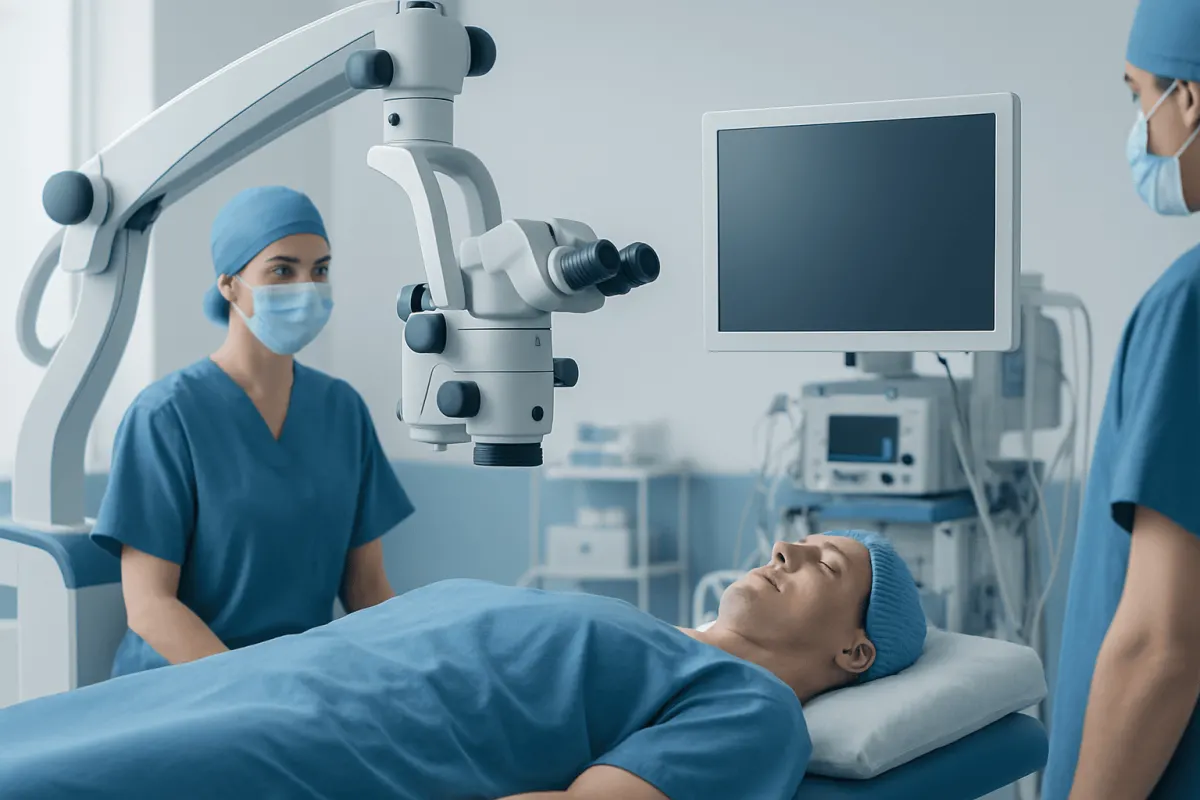
Pilonidal cyst surgery is used to treat a painful, infected, or recurring pilonidal sinus near the cleft of the buttocks. The most suitable procedure depends on whether there is an active abscess, the extent of the sinus tracts, previous treatment, and the person’s recovery needs.
Overview: What Is Pilonidal Cyst Surgery?
Pilonidal disease affects the skin in or near the crease between the buttocks, close to the tailbone. Despite the common name “pilonidal cyst,” the problem is often a small pit or tunnel, called a sinus, that can trap loose hairs, skin cells, and debris. It may remain painless, or it can become inflamed or infected and form an abscess.
Pilonidal cyst surgery refers to several procedures used to drain infection, remove affected tissue, or treat sinus tracts that keep returning. Surgery is not always required for a small, symptom-free pit. However, it is commonly considered when there is a painful abscess, repeated infections, ongoing drainage, or disease that does not improve with conservative care.
The aim is to relieve symptoms, allow the area to heal, and lower the chance of future episodes while preserving healthy tissue. A colorectal surgeon, general surgeon, or another clinician experienced in pilonidal disease can explain which approach is appropriate for the individual situation.
When Surgery May Be Recommended
A pilonidal abscess can cause a tender lump, increasing pain when sitting, redness, swelling, and pus or blood-stained drainage. When an abscess is present, antibiotics alone often cannot remove the trapped pus. The usual first treatment is incision and drainage, in which a clinician makes a small opening to release the collection and clean the area.
After drainage, some people heal without further procedures. Others continue to have one or more skin openings, recurrent swelling, repeated drainage, or discomfort. In these circumstances, planned surgery to address the sinus tract may be recommended once active infection has improved.
Decisions are individualized. Factors include the number and location of pits, whether the disease has recurred, the size of the affected area, smoking status, body weight, work or school demands, and the ability to manage wound care. A clinician will also consider whether symptoms could instead be caused by another skin condition, such as a boil, hidradenitis suppurativa, or an anal fistula.
Types of Pilonidal Cyst Surgery
Incision and drainage is usually performed for an acute abscess. Local anesthetic, sedation, or general anesthesia may be used depending on the size of the abscess and the patient’s comfort. The surgeon opens the abscess, drains pus, removes loose hairs and debris, and may place a small dressing inside the cavity. This rapidly eases pressure and pain, but it does not always prevent later sinus disease.
Excision with open healing removes the sinus tract and affected tissue, leaving the wound open to heal gradually from the base upward. This can be a suitable option for some cases and avoids closing tissue under tension. It does, however, require regular dressing changes and may take longer to heal than some closure methods.
Excision with closure removes diseased tissue and closes the wound with stitches. In selected patients, the surgeon may use an off-midline closure, placing the scar slightly to one side of the buttock cleft rather than directly in the center. For more extensive or recurrent disease, flap procedures such as cleft-lift or other local flap techniques may flatten or reshape the cleft and move the incision away from the midline. These techniques may support healing in appropriately selected patients but require surgical expertise.
Some centers may offer minimally invasive approaches for limited disease, such as pit-picking or endoscopic treatment. Their availability and suitability vary. The best procedure is one matched to the pattern of disease and discussed carefully with the surgical team.
Preparing for the Procedure
Before surgery, the healthcare team will review symptoms, medical history, medicines, allergies, and any previous treatment for pilonidal disease. A physical examination is usually sufficient for diagnosis. Imaging is not commonly needed, although it may be considered if the diagnosis is unclear or infection appears unusually extensive.
Patients should tell the surgeon about blood-thinning medicines, diabetes medicines, supplements, smoking or nicotine use, and any history of problems with anesthesia or wound healing. The team will provide individualized instructions about eating and drinking before anesthesia, medication adjustments, showering, and arranging transport home if sedation or general anesthesia is planned.
Stopping smoking and avoiding nicotine products before and after surgery can support wound healing. It can also be helpful to prepare a recovery area with loose clothing, prescribed dressings, and practical support for the first few days. People should not shave or apply hair-removal products to the surgical area unless their care team specifically advises this.
Recovery and Wound Care After Surgery
Recovery differs according to the procedure. Drainage of a simple abscess may allow a return to light activities relatively soon, although tenderness and drainage can continue while the cavity heals. Larger excisions and flap procedures generally require more time, activity adjustment, and follow-up visits. The surgeon will explain when it is safe to return to work, exercise, driving, swimming, and other activities.
Dressings are an important part of healing, especially after open surgery. The team will show the patient, family member, or visiting nurse how to clean the area and change dressings. Keeping the wound clean, dry as instructed, and free of trapped hair is important. Showering may be permitted after a specified time, but soaking in a bath, hot tub, or pool should wait until the surgeon confirms the wound has healed sufficiently.
Pain is usually managed with a plan tailored to the person and procedure, which may include non-prescription pain relief when medically appropriate and short-term prescribed medicine when needed. Taking medicines exactly as directed, drinking enough fluids, and avoiding constipation can make recovery more comfortable, particularly if pain medicine slows bowel movements.
It is normal to have some soreness, mild swelling, and a small amount of drainage during early healing. Follow-up appointments allow the team to assess the wound, remove stitches if needed, and adjust wound-care advice. Healing can take weeks, particularly for a wound left open, so patience and consistent care are important.
Reducing the Risk of Recurrence
Pilonidal disease can recur even after well-planned treatment, but several measures may help reduce risk. These include keeping the buttock cleft clean, gently drying the area after washing, and removing loose hairs from the region. The best hair-management approach varies; clipping, depilatory products, or laser hair reduction may be discussed with a clinician once the skin has healed.
Avoiding prolonged moisture, friction, and pressure may also be helpful. People whose work or hobbies involve long periods of sitting may benefit from regular standing and walking breaks. Wearing breathable clothing and changing promptly after sweating or exercise can reduce irritation in the cleft.
Maintaining a weight that supports overall health and avoiding tobacco may improve wound healing and lower the chance of complications. These steps cannot guarantee that pilonidal disease will not return, and recurrent symptoms should not be managed alone. Early assessment can often prevent a small problem from becoming a painful abscess.
When to Contact a Doctor
Anyone with a new painful lump, drainage, redness, or swelling near the tailbone should seek medical advice. Same-day or urgent assessment is particularly important for severe pain, rapidly increasing swelling, fever, chills, or feeling generally unwell, as these can indicate an abscess or spreading infection that needs treatment.
After surgery, patients should contact their surgical team if pain is worsening rather than improving, redness spreads, the wound develops a foul smell, there is heavy bleeding, drainage increases unexpectedly, stitches separate, or fever develops. They should also ask for advice if dressing changes are difficult or if they are unsure whether a symptom is part of normal healing.
Persistent drainage or repeated episodes do not mean treatment has failed permanently; pilonidal disease can be complex and may need reassessment or a different approach. Acıbadem Health Point’s multidisciplinary specialists and JCI-accredited hospitals can assess and treat pilonidal disease for international patients, with care plans based on the person’s symptoms and surgical needs.
Frequently asked questions
01Is pilonidal cyst surgery painful?
Anesthetic medicine is used so the procedure itself is not painful. Soreness is expected during recovery, particularly when sitting or moving, but pain can usually be managed with a plan from the surgical team. The degree and duration of discomfort depend on the procedure and the size of the wound.
02How long does it take to recover from pilonidal cyst surgery?
Recovery varies widely. A drained abscess may improve over days to weeks, while an excision wound, especially one left open, may take several weeks or longer to heal fully. The surgeon can give the most relevant estimate after considering the procedure and wound-care plan.
03Can a pilonidal cyst come back after surgery?
Yes, recurrence is possible after any treatment, although the risk varies by the type and extent of disease and the surgical technique used. Good wound care, reducing trapped hair and moisture, and attending follow-up appointments may help lower the chance of recurrence. New drainage or pain should be assessed early.
04Will antibiotics cure a pilonidal cyst?
Antibiotics may be used when there is surrounding skin infection or certain medical concerns, but they usually do not cure an abscess because pus and debris remain trapped inside. A painful abscess commonly needs drainage. A clinician can determine whether antibiotics are needed in addition to a procedure.
05Can a person sit after pilonidal cyst surgery?
Many people can sit for short periods, but comfort and restrictions depend on the procedure and the surgeon’s instructions. It may help to change positions often and avoid long periods of direct pressure during early recovery. Patients should ask their surgeon about sitting, driving, and return-to-work timing.
06What happens if a pilonidal cyst is left untreated?
A symptom-free pit may sometimes be monitored with hygiene and hair-control measures. However, an infected cyst or abscess can become increasingly painful and may drain repeatedly or develop chronic sinus tracts. Medical assessment is recommended for pain, swelling, pus, or recurring symptoms.
This article is for general information only and is not a substitute for professional medical advice. Please consult a qualified doctor about your individual situation.
Hair transplant in Turkey — costs, graft counts & a free assessment
JCI-accredited · board-certified surgeons · reply within 24h
Add us as a Preferred Source to see more of our trusted health content across Google Search, AI Overviews and Discover.