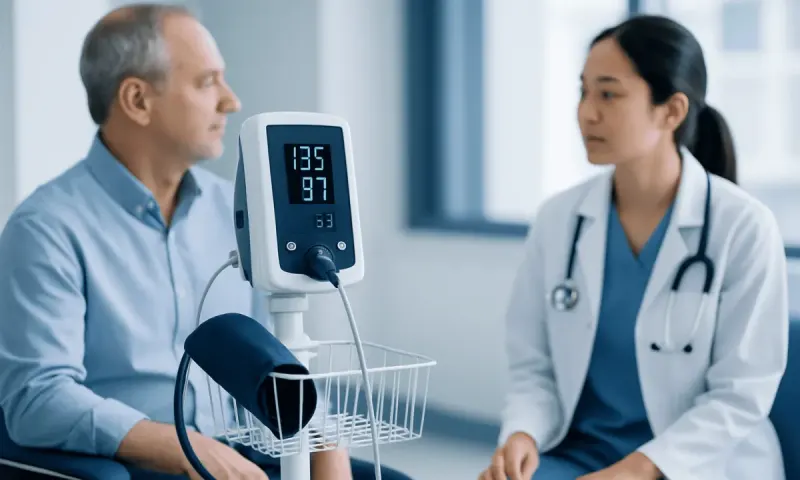
PICC Line: Uses, Care and Complications

Key Takeaways
- A PICC line provides reliable venous access for treatments that last days to months.
- Placement is usually done with imaging guidance and local anesthesia, and most patients go home the same day.
- Daily care focuses on keeping the line clean, dry, and secured to reduce complications.
- Possible problems include infection, blockage, blood clots, and line dislodgement.
- Patients should know which symptoms require prompt medical advice, especially fever, swelling, pain, or drainage.
A PICC line is a long, thin tube placed in a vein of the arm and guided to a larger vein near the heart. It can make treatment easier when medicines, fluids, or blood tests are needed over a longer period.
Overview
A PICC line, short for peripherally inserted central catheter, is a type of intravenous access used when treatment needs to continue for more than a short hospital stay. It enters through a vein in the upper arm and the tip sits in a large central vein, which allows medicines and fluids to be delivered more safely and comfortably over time.
For many patients, the decision to use a PICC line is tied to practical needs: repeated blood draws, prolonged antibiotics, nutrition support, chemotherapy, or medications that can irritate smaller veins. Instead of starting a new IV again and again, the PICC line offers one stable route for care.
It is also commonly considered for people who are traveling for treatment or recovering away from home, because it can reduce repeated needle sticks and make follow-up plans more predictable. A clinician usually weighs the expected treatment length, the condition of the veins, and the patient’s ability to manage line care after discharge.
What a PICC Line Is Used For

The uses of a PICC line are broad, but the goal is always the same: dependable access to the bloodstream. It can be used to give antibiotics, hydration, nutrition, chemotherapy, pain medicines, or other intravenous treatments that are not ideal through a standard peripheral IV.
It may also be chosen when veins are difficult to access, when treatment is expected to continue after leaving the hospital, or when blood sampling must be done repeatedly. In some cases, the PICC line helps avoid multiple needle punctures and the delays that can happen when IV access is hard to maintain.
Because it is placed in a vein closer to the heart, the line can handle certain medications better than smaller arm veins can. Still, it is not the right choice for every situation, and the care team decides whether a PICC line, a standard IV, or another central line is the best fit.
Symptoms and How a PICC Line Feels

Most patients feel the insertion site numbed before placement, and they may notice pressure rather than pain during the procedure. Afterward, the arm may feel mildly tender or tight for a short period, especially if the dressing or securement device is new.
Once the line is in place, it should not cause significant discomfort during normal daily activities. Some patients are aware of the line when moving the arm, sleeping on that side, or showering, which is why careful positioning and secure dressing matter.
Warning signs are different from ordinary healing discomfort. Increasing redness, warmth, swelling, drainage, fever, pain along the arm, or a line that seems to have shifted are reasons to contact a clinician promptly.
Causes & Risk Factors
A PICC line is not usually placed because of a disease itself, but because a treatment plan calls for longer-term venous access. Common reasons include infection treatment, cancer therapy, long courses of nutrition support, and situations where regular IV access is unreliable or too irritating for the veins.
Certain factors can increase the chance of problems. These include a history of blood clots, difficult veins, limited mobility, dehydration, impaired immune function, or challenges with keeping the dressing clean and dry. The overall plan also matters, including how long the line is expected to remain in place and whether the patient will be able to attend follow-up visits.
For international patients, travel logistics can be part of the risk discussion. Time zones, return flights, hotel stays, and limited access to local nursing support may influence whether the team recommends a PICC line and how often follow-up should be scheduled.
Diagnosis and Placement Process
Diagnosing the need for a PICC line starts with a clinical assessment rather than a lab test. The doctor reviews the treatment plan, the condition of the veins, the expected duration of therapy, and any factors that might make a PICC line safer or less suitable.
Placement is typically performed by a trained clinician using sterile technique. After cleaning the skin and numbing the area, the catheter is inserted into a vein in the upper arm and guided until the tip reaches the correct central location. Imaging or other confirmation methods are used to check position before the line is used.
Patients are usually given instructions before leaving, including how the dressing should be protected, what activities are allowed, and who to contact if the line becomes hard to flush or uncomfortable. Many people are surprised by how quickly they can return to routine activities, although the line does require daily attention.
Treatment Options
When a PICC line is used, the “treatment” is really the therapy delivered through it. That may include intravenous antibiotics, fluids, nutrition, blood products, or medications given over days to weeks. The line itself does not treat the condition; it supports the treatment plan.
Proper maintenance is essential. The line must be flushed as directed, the caps and dressing changed on schedule, and the site checked for redness, leakage, or movement. In many care plans, a nurse, infusion team, or home-care professional helps with maintenance, especially after hospital discharge.
If a complication occurs, the response depends on the problem. Minor dressing issues may be corrected quickly, while infection, clotting, or catheter malfunction may require imaging, medication, or line removal. For patients who are traveling or receiving care from another country, clear written instructions and a contact plan are particularly important.
- Keep the dressing clean, dry, and secure.
- Flush the line only as instructed by the care team.
- Report resistance, pain, swelling, or fever without delay.
- Attend scheduled line checks and dressing changes.
Prevention & Self-care
The safest PICC line is the one that is handled consistently and gently. Hand hygiene before touching any dressing or tubing is one of the simplest and most effective habits, and the site should be protected from unnecessary pulling, bending, or contamination.
Daily self-care usually includes checking the arm for swelling, watching for changes in the dressing, and keeping the line dry during bathing. Patients are often advised to avoid activities that could tug on the catheter or submerge the site in water, unless their care team says otherwise.
It helps to keep a written schedule for flushes, dressing changes, and follow-up visits. International patients may benefit from carrying a summary of the line type, insertion date, and emergency contact details in case they need help while away from their original treatment center.
When to See a Doctor
Medical advice should be sought promptly if the patient develops fever, chills, increasing redness, swelling, warmth, pus, bleeding, or pain around the PICC site. Sudden shortness of breath, chest pain, or swelling in the arm or neck also needs urgent attention, as these can signal more serious complications.
A doctor should also be contacted if the line will not flush, leaks, feels loose, or appears to have moved. Even if the patient feels otherwise well, a line that is not functioning properly can disrupt treatment and should be assessed early.
For patients who are preparing to travel, follow-up planning should be discussed before departure. Acibadem Health Point’s multidisciplinary specialists and JCI-accredited hospitals diagnose and treat PICC line-related needs for international patients, with attention to continuity of care across borders.
Frequently asked questions
01How long can a PICC line stay in place?
A PICC line can sometimes remain in place for weeks or months, depending on the treatment plan and whether it stays clean and functional. The care team decides when it is no longer needed. It should be removed as soon as therapy is finished or if a complication develops.
02Is PICC line insertion painful?
Most patients feel only brief discomfort because the skin is numbed before the line is inserted. They may notice pressure or a pulling sensation, but the procedure is usually well tolerated. Mild soreness afterward is common and often settles quickly.
03Can a patient shower with a PICC line?
Many patients can shower if the line is properly covered and kept dry, but instructions vary by clinic and dressing type. Baths, swimming, and submerging the site are generally avoided unless the care team says otherwise. It is best to follow the specific guidance given at discharge.
04What is the most common PICC line complication?
Complications can vary, but infection, blockage, and catheter-related clotting are among the concerns clinicians watch for. Early attention to fever, swelling, pain, or poor line function can help reduce the impact of these problems. Regular care and follow-up are important.
05Can a PICC line be used at home?
Yes, many patients use a PICC line at home with home-health support or clear self-care instructions. This is common for antibiotics and other long-term therapies. The key is knowing exactly how to flush, clean, and protect the line.
06What should a patient do if the PICC line comes out a little?
The patient should not push it back in or try to secure it with tape alone. The line should be covered to keep it clean, and the care team should be contacted promptly for instructions. A displaced PICC line may need evaluation before it can be used again.
This article is for general information only and is not a substitute for professional medical advice. Please consult a qualified doctor about your individual situation.
Oncology care in Turkey — second opinion and treatment plan
JCI-accredited · board-certified surgeons · reply within 24h
Add us as a Preferred Source to see more of our trusted health content across Google Search, AI Overviews and Discover.