Pacemaker Operation: Steps, Recovery, and Daily Life
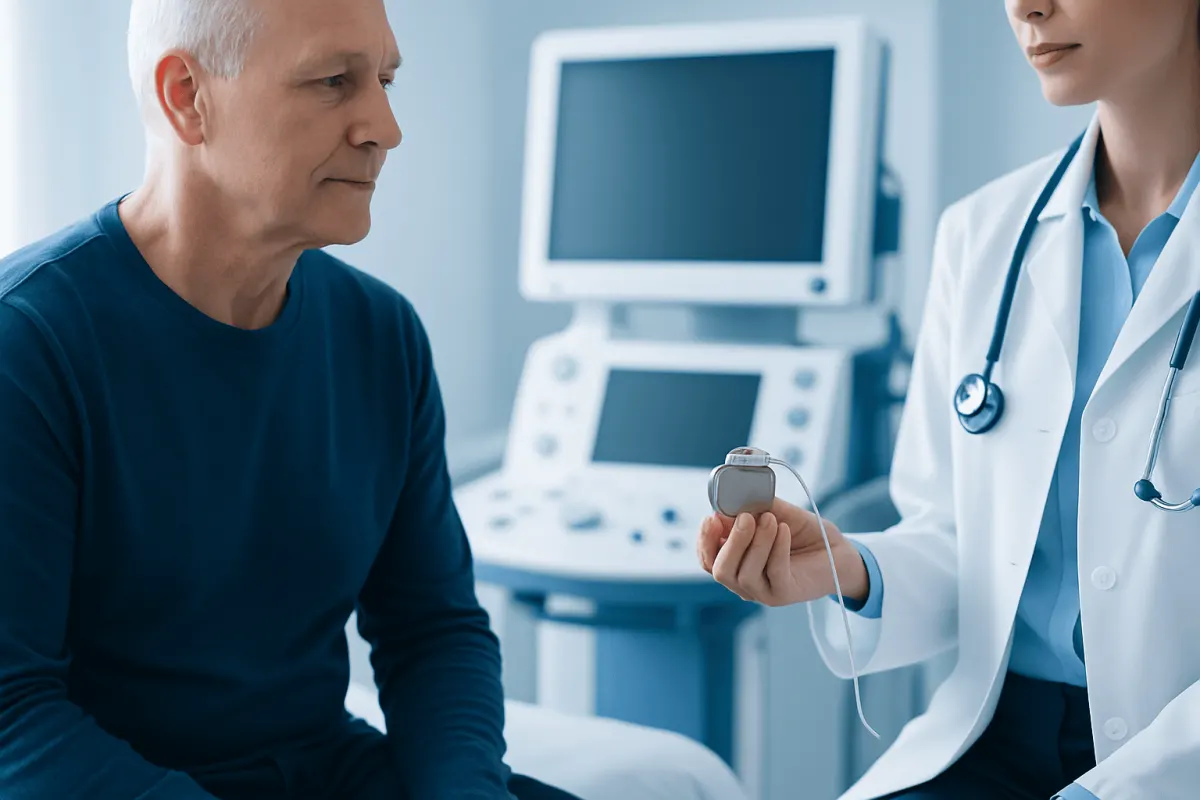
A pacemaker operation is a commonly performed cardiac procedure that places a small electronic device under the skin to help the heart maintain a safe, steady rhythm. Most people are awake with local anesthesia, stay in hospital briefly, and gradually return to usual activities while following arm-movement and wound-care advice.
How a pacemaker operation helps the heart
A pacemaker operation, also called pacemaker implantation, places a small battery-powered device beneath the skin of the upper chest. The device monitors the heart’s electrical activity and sends gentle electrical signals when the heartbeat is too slow or pauses for too long. It does not usually replace the heart’s own rhythm; instead, it provides support when needed.
Pacemakers are most often used for bradycardia, meaning an abnormally slow heart rate, or for electrical conduction problems such as heart block. These conditions can reduce the amount of blood the heart delivers to the body and may cause tiredness, light-headedness, breathlessness, confusion, or fainting. A pacemaker may improve symptoms and help prevent complications related to a dangerously slow rhythm.
Most systems have a pulse generator and one or more insulated wires called leads. The generator contains the battery and computer, while the leads carry signals between the device and the heart. Some people may be suitable for a leadless pacemaker, a smaller device placed directly inside the heart through a vein in the leg. The most appropriate type depends on the heart rhythm condition, anatomy, and overall health.
Who may be a candidate for a pacemaker?
A cardiologist or heart-rhythm specialist may recommend a pacemaker when testing confirms that symptoms are linked to a slow or unreliable heartbeat. Common reasons include sinus node dysfunction, atrioventricular block, some forms of atrial fibrillation with a slow ventricular rate, and rhythm problems that occur after certain heart procedures.
Symptoms alone do not always mean a person needs a pacemaker. Fatigue, dizziness, and palpitations can have many causes, including medication effects, dehydration, thyroid disease, anemia, or other heart conditions. The decision is based on the person’s symptoms, medical history, ECG findings, and evidence that the heart rhythm problem is significant or likely to cause harm.
Before recommending implantation, the care team reviews current medicines, allergies, bleeding risk, kidney function, infection risk, and any existing implanted devices. In some cases, adjusting a medicine or treating an underlying cause may improve a slow rhythm. When a pacemaker is appropriate, the specialist explains the expected benefits, limitations, possible risks, and follow-up plan.
- Symptoms that may support assessment include unexplained fainting, near-fainting, persistent dizziness, reduced exercise tolerance, or marked fatigue.
- Tests may include an electrocardiogram, ambulatory rhythm monitoring, blood tests, echocardiography, and occasionally specialized electrophysiology evaluation.
- People should tell the team about blood thinners, diabetes medicines, previous infections, and any history of reactions to anesthesia.
Pacemaker procedure steps: what happens on the day

Pacemaker implantation is generally performed in a cardiac catheterization or electrophysiology laboratory under sterile conditions. The patient is connected to heart rhythm, blood pressure, and oxygen monitors. In many cases, local anesthetic is used to numb the area below the collarbone, along with medication to promote relaxation if needed. General anesthesia is less commonly required.
After cleaning the skin and covering the area with sterile drapes, the specialist makes a small incision in the upper chest. A vein is accessed, and the lead or leads are guided toward the appropriate chamber of the heart using X-ray guidance. The team tests each lead to confirm reliable sensing and pacing. A small pocket under the skin is then created for the pulse generator, which is attached to the leads.
Once the system has been checked, the incision is closed and covered with a dressing. The procedure length varies with the type of pacemaker and individual anatomy, but straightforward implantations are often completed within a few hours. Following implantation, the patient is observed while the heart rhythm, wound, and device function are checked.
For information about specialist-led device care, patients can review pacemaker implantation services. The care team provides individual instructions about fasting, medicines, transport home, and any need for an overnight hospital stay.
Recovery timeline after pacemaker surgery
Recovery begins immediately after the procedure. The chest area may feel tender, tight, bruised, or mildly swollen for several days. Simple pain-relief options may be recommended by the treating team. The dressing and incision should be kept clean and dry as instructed, and patients should not apply creams, powders, or other products unless advised.
During the first days, it is important to avoid pressure or pulling on the incision. Many people can walk and carry out light daily activities soon after going home, depending on their overall health and the reason for implantation. Driving restrictions vary by local rules, symptoms before implantation, and the type of rhythm condition, so the treating clinician should give specific advice.
For several weeks, patients are commonly asked to avoid heavy lifting, vigorous exercise, and repetitive forceful movements of the arm on the pacemaker side. This allows the incision to heal and, for systems with leads, gives the leads time to settle securely. The exact duration varies, but follow-up appointments help determine when normal activity, work, sports, and exercise can resume.
The device is checked before discharge or shortly afterward and then at scheduled intervals. Many modern pacemakers can be assessed remotely from home, but regular in-person reviews may still be needed. The battery usually lasts for years; replacement of the generator is planned when battery life becomes low, rather than waiting for it to stop working.
Benefits, risks, and living safely with a pacemaker
The main benefit of a pacemaker is more reliable heart-rate support. For people whose symptoms are caused by bradycardia or conduction disease, this can reduce fainting or dizziness and improve energy, confidence, and daily function. However, a pacemaker does not treat every type of heart symptom, and its benefits depend on the underlying condition.
Like any invasive procedure, implantation has risks. These can include bruising or bleeding at the pocket site, infection, discomfort, blood vessel injury, lead movement, collapsed lung, or an abnormal fluid collection around the heart. Serious complications are uncommon, but patients should understand the warning signs and attend all follow-up checks. The medical team takes steps to lower risks through sterile technique, careful device testing, and individualized medication management.
Most household appliances and everyday electronics are safe when used normally. People should carry their pacemaker identification information and tell healthcare professionals, dentists, and security staff about the device. Some medical procedures, including certain MRI scans, radiation treatments, and electrosurgery, require special planning. Many newer devices are designed for MRI under specified conditions, but compatibility must always be confirmed.
Acıbadem Health Point’s multidisciplinary cardiac specialists and JCI-accredited hospitals assess and treat heart rhythm conditions for international patients, including those who need pacemaker implantation and follow-up care.
How painful is pacemaker surgery recovery?
Pacemaker surgery recovery is usually associated with mild to moderate soreness around the incision and device pocket rather than severe pain. Bruising, swelling, and tenderness near the collarbone are common in the first few days. Discomfort should generally improve steadily as the incision heals.
The treating team may recommend appropriate pain relief and explain which medicines are safe alongside existing prescriptions. A person should contact the clinical team if pain is increasing rather than improving, becomes severe, or occurs with redness, warmth, drainage, fever, or a rapidly enlarging swelling. These symptoms need assessment because they can sometimes indicate infection or bleeding.
Sleeping may be more comfortable on the opposite side at first, and loose clothing can prevent rubbing over the wound. Patients should follow their individual instructions on bathing, dressing changes, and activity rather than relying on a standard timetable alone.
Can I use a cell phone after pacemaker surgery?
Yes, most people can use a cell phone after pacemaker surgery. To reduce the small possibility of electromagnetic interference, it is generally sensible to keep the phone at least several inches away from the pacemaker, avoid carrying it in a breast pocket directly over the device, and use the ear opposite the pacemaker when talking.
Modern pacemakers are designed with protection against common electronic interference, and routine phone use is not usually a problem. However, patients should follow the instructions provided for their particular pacemaker model. They should also ask their device clinic about headphones, smart watches, charging equipment, magnetic accessories, and workplace equipment if there are concerns.
If someone feels dizziness, palpitations, or other unusual symptoms while near an electronic device, they should move away from it and contact their healthcare team for advice. The device clinic can check whether the pacemaker has recorded any relevant rhythm or interference events.
How many days should I rest after a pacemaker?
Most people need a period of relative rest for the first few days after a pacemaker operation, while continuing gentle walking and basic activities as tolerated. Complete bed rest is usually not necessary once the clinician confirms it is safe to move around. Fatigue may last longer in people who were unwell before implantation or who have other medical conditions.
Light tasks may often be resumed within days, but strenuous activity and heavy lifting are usually restricted for several weeks. The arm on the implant side should not be repeatedly stretched, lifted forcefully, or used for demanding overhead work until the care team says healing is adequate. Patients should not stop moving the arm entirely, as gentle normal use can help avoid stiffness.
Return to work depends on the role. Desk-based work may be possible sooner than manual labor, work involving heavy lifting, or jobs near powerful electrical equipment. A cardiologist or device specialist can provide individualized guidance based on the procedure, heart condition, and occupational demands.
Is putting in a pacemaker a difficult surgery?
For an experienced electrophysiology or cardiology team, putting in a pacemaker is a well-established procedure and is usually less invasive than open-heart surgery. It is commonly performed through a small chest incision using X-ray guidance, rather than through a large operation on the heart itself. Many patients remain awake with the area numbed.
That said, every procedure requires careful planning. Implantation may be more technically complex when a person has unusual vein anatomy, prior chest surgery, kidney disease, an existing device, infection concerns, or a need for a more specialized pacing system. The team selects the approach that best balances safety and expected benefit.
Patients can help prepare by sharing a complete medicine list, following instructions about food and drink, arranging transport if advised, and asking questions about their expected recovery. Understanding the plan and warning signs can make the experience more manageable and support safe healing.
When to seek medical care after implantation
Patients should contact their pacemaker clinic or doctor promptly if the incision becomes increasingly red, warm, painful, swollen, or starts to drain fluid. Fever, chills, a new rash around the wound, or an opening in the incision also require timely medical advice. These concerns are best assessed early.
Urgent medical attention is needed for chest pain, severe shortness of breath, fainting, persistent rapid palpitations, sudden weakness, or symptoms suggesting the pacemaker may not be supporting the heart rhythm as expected. A rapidly expanding bruise or swelling near the device pocket should also be assessed without delay, particularly in people taking blood-thinning medicines.
People should keep all scheduled device checks even when they feel well. Routine review confirms that the pacemaker settings remain appropriate, the leads are functioning correctly, and the battery is monitored over time.
Frequently asked questions
01How long does a pacemaker operation take?
A straightforward pacemaker implantation often takes a few hours or less, although timing varies by the type of device and individual clinical needs. Preparation, monitoring, recovery, and device testing mean the overall hospital visit is longer than the procedure itself.
02Will I be awake during pacemaker implantation?
Many people are awake during implantation because the chest area is numbed with local anesthetic. Sedating medicine may be given to help the person relax, while some situations require deeper anesthesia based on clinical needs.
03How long does it take to recover from a pacemaker operation?
The incision commonly starts to feel noticeably better within days to a couple of weeks, while restrictions on heavy lifting and strenuous upper-body activity may last several weeks. Recovery varies according to overall health, the device type, and the reason for implantation.
04Can a person exercise with a pacemaker?
Yes, many people can return to regular physical activity after healing and medical clearance. The care team can advise when to restart exercise and whether certain contact sports or activities need special precautions to protect the device area.
05Will I feel the pacemaker working?
Most people do not feel routine pacing impulses. Some may notice changes in symptoms, such as less dizziness or improved energy, while the device works quietly in the background.
06How often does a pacemaker need to be checked?
Pacemakers need regular checks, often through clinic visits, remote monitoring, or both. The schedule is individualized and allows the team to review rhythm information, settings, lead function, and remaining battery life.
This article is for general information only and is not a substitute for professional medical advice. Please consult a qualified doctor about your individual situation.
Heart care in Turkey — expert evaluation and treatment
JCI-accredited · board-certified surgeons · reply within 24h
Add us as a Preferred Source to see more of our trusted health content across Google Search, AI Overviews and Discover.